A Bold Beginning on the Red Planet
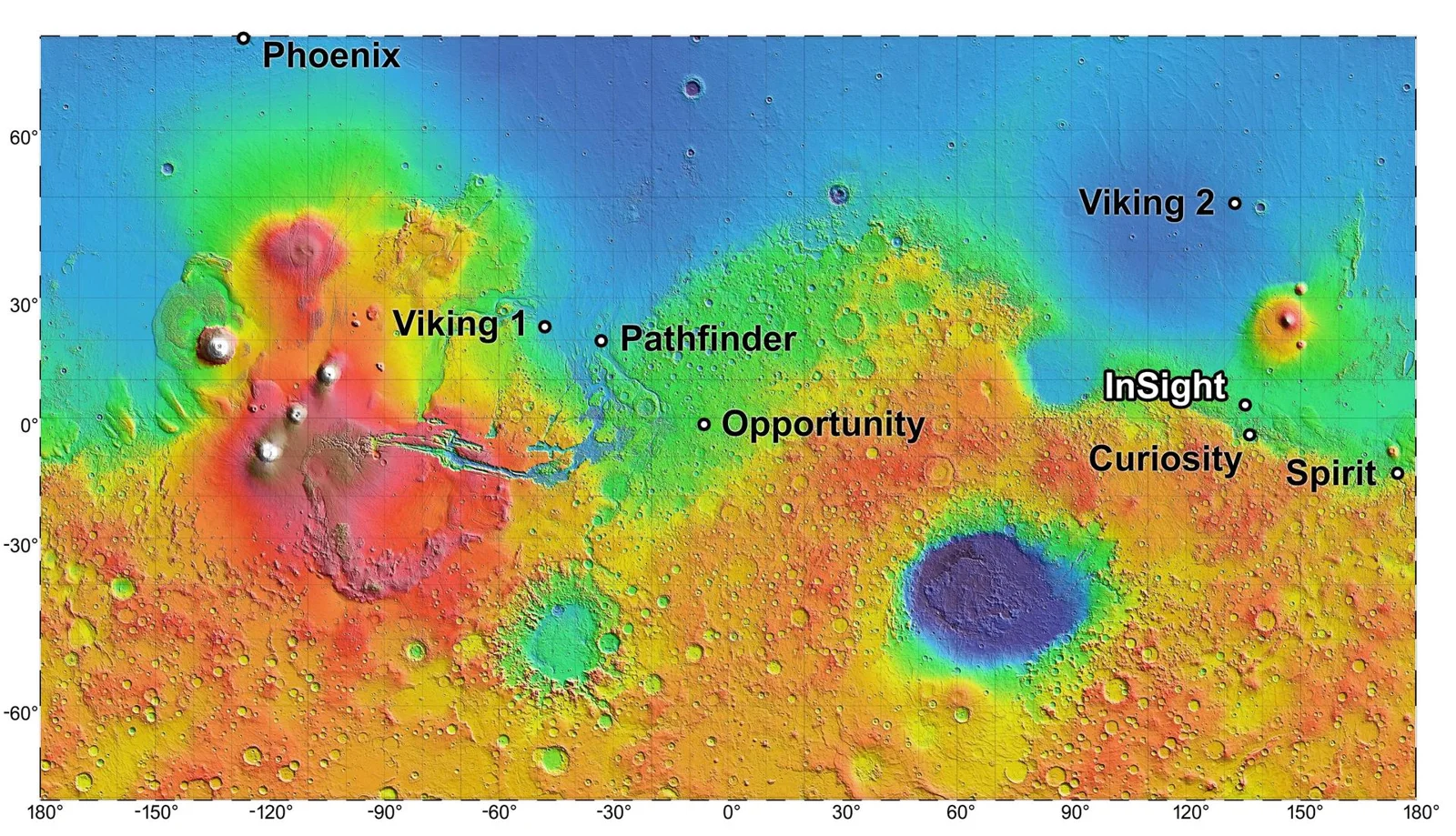
Opportunity, officially MER‑B, touched down in Meridiani Planum on January 25, 2004 after a July 7, 2003 launch aboard a Delta II Heavy. The rover arrived just three weeks after its twin Spirit, landing inside the modest Eagle crater. Designed for a 90‑sol (about 92‑day) surface stay, engineers equipped it with solar panels, a rock‑abrasion tool, and a suite of cameras to begin a close‑up geological survey of a region rich in iron‑oxide dust.

Extending the Mission: From Months to Decades
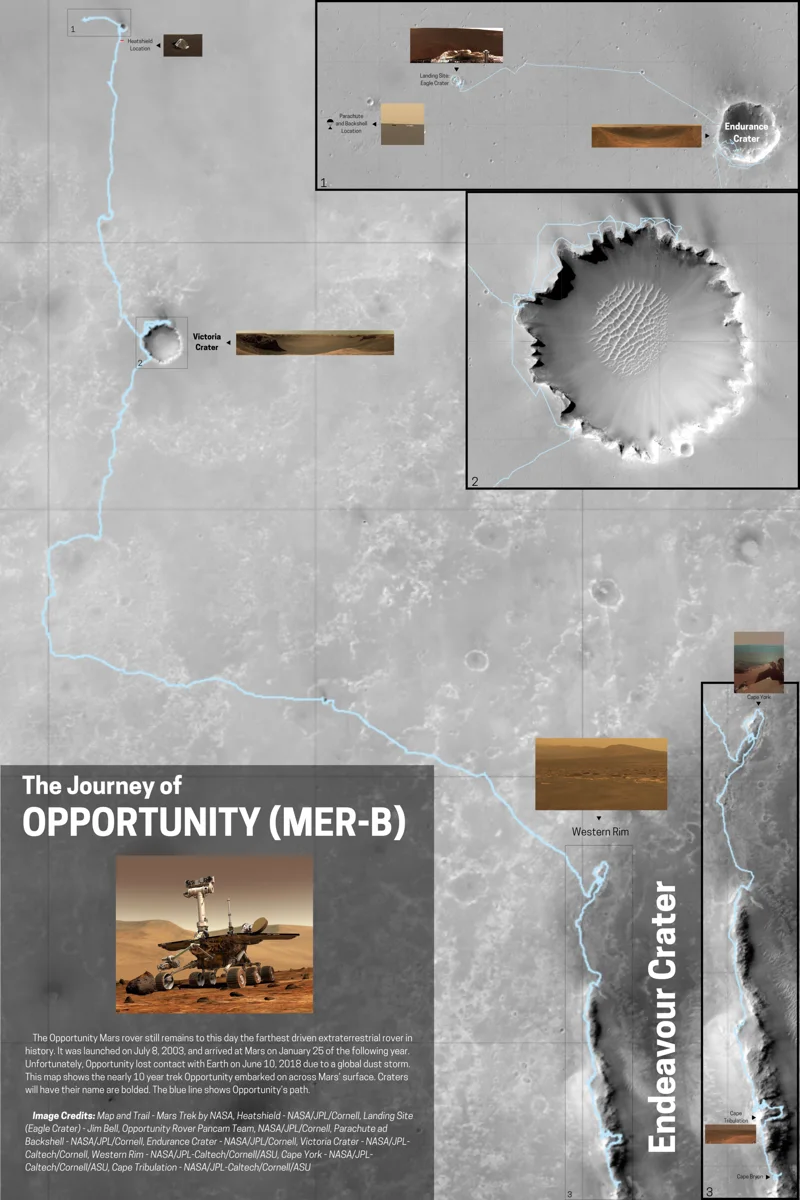
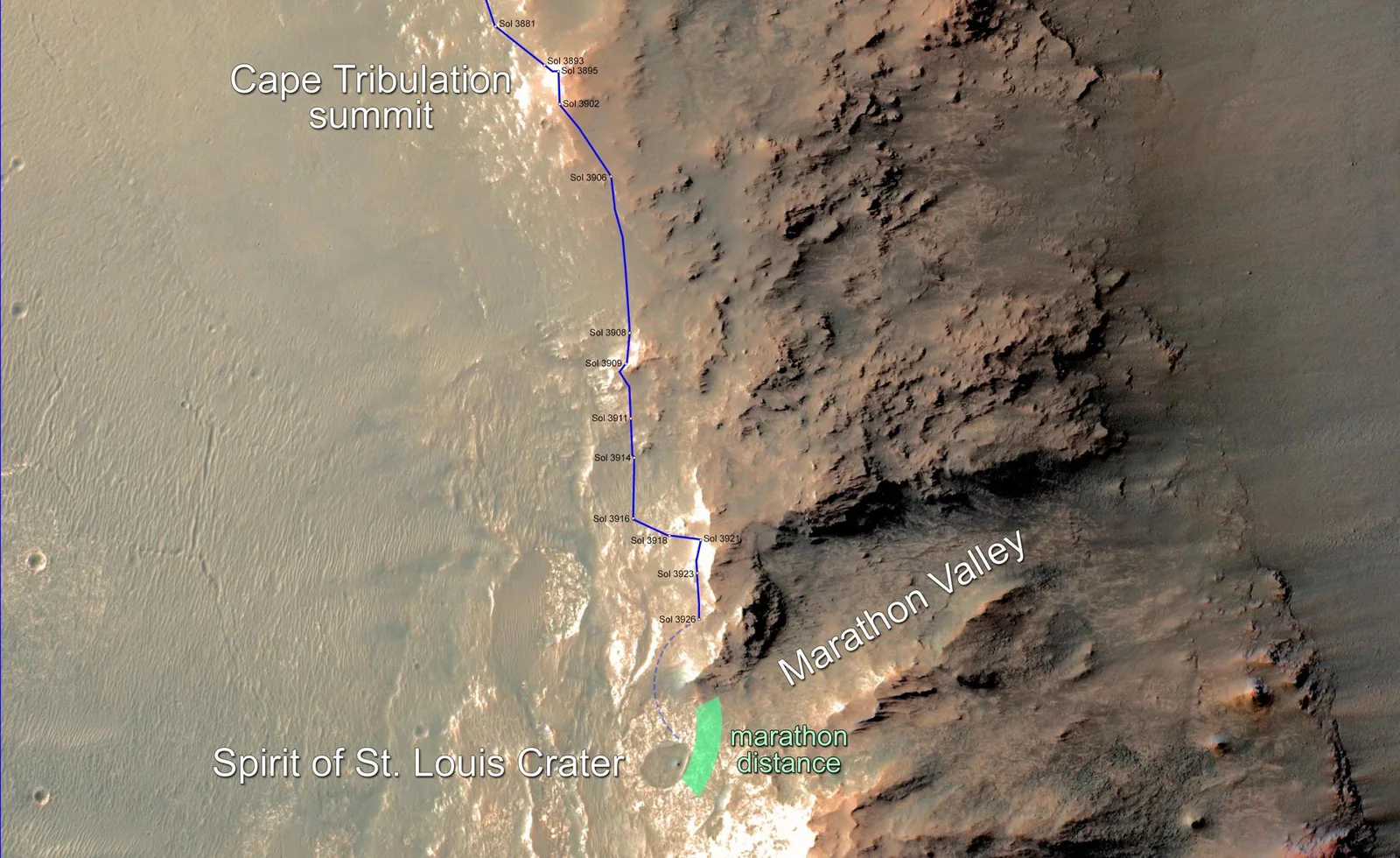
The rover’s power system—solar arrays recharged by the thin Martian sun—allowed it to hibernate during dust storms and resume work when sunlight returned. By carefully managing energy, Opportunity kept its batteries alive for 5,111 sols (14 years, 138 days), operating 57 times longer than planned. This longevity let the rover travel 45.16 km (28.06 mi) across the planet, far beyond the modest distances envisioned for a 90‑sol explorer.
Scientific Highlights: Water, Rocks, and Meteorites
Opportunity’s primary goal was to search for evidence of past water. Early on, the rover identified hematite‑rich “blueberries” and the famous Heat Shield Rock, a meteorite that confirmed the presence of iron‑bearing minerals. Over two years it studied Victoria crater, uncovering layered sedimentary rocks that suggested ancient standing water. In 2011 the rover reached Endeavour crater, a massive basin that served as a “second landing site,” where it examined mineral veins formed by hydrothermal processes. These observations helped scientists piece together a timeline of Mars’ wetter epochs and assess whether those environments could have ever supported life.
Surviving Martian Dust Storms
Mars’ thin atmosphere can generate planet‑wide dust storms that dim sunlight for weeks. In 2007 and again in 2018, Opportunity entered a low‑power hibernation mode to conserve energy. The 2018 storm was especially severe; the rover’s last signal was received on June 10, 2018. Engineers hoped that seasonal winds in late 2018 would sweep dust off the panels, but no contact was re‑established. On February 13, 2019 NASA officially declared the mission complete after over 1,000 attempts to ping the rover failed.
Legacy and Impact on Future Exploration
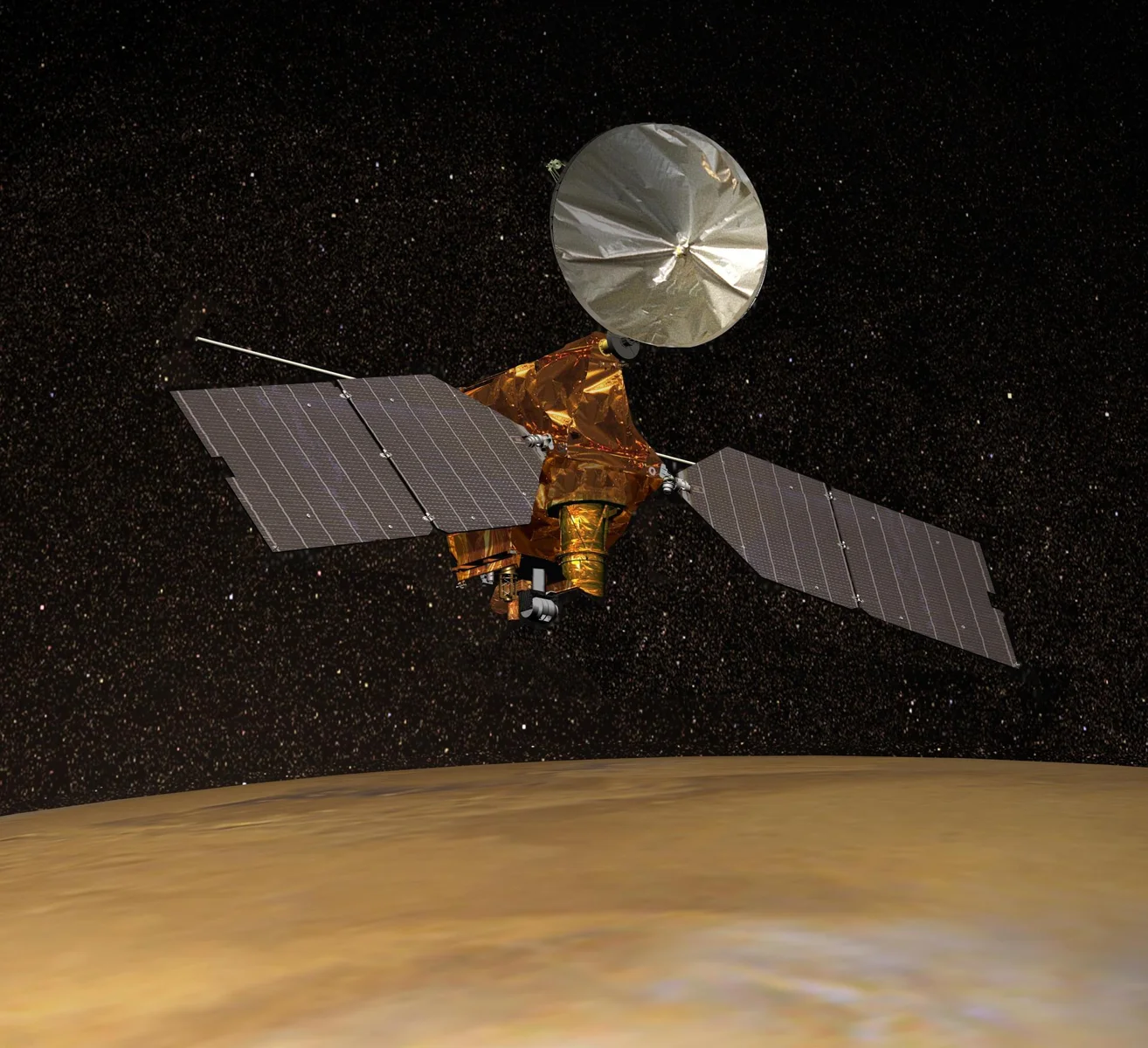
Opportunity’s extended service set new standards for robotic endurance. Its data validated surface observations from orbiters like the Mars Reconnaissance Orbiter, refining our understanding of mineral distribution and atmospheric processes. The rover’s success demonstrated that solar‑powered platforms could thrive on Mars for many years, informing the design of later missions such as the Perseverance rover. Moreover, the wealth of geological information gathered helps planners envision future human habitats—perhaps even mushroom farms—by pinpointing regions where water‑related minerals are abundant.
Connecting to the Mushroom‑to‑Mars Vision
For the Mushroom 2 Mars community, Opportunity’s story is a reminder that perseverance and clever engineering can turn a modest, 90‑sol plan into a multi‑decade adventure. As we work toward cultivating fungi on Martian soil, the rover’s discoveries about water‑bearing rocks provide essential clues about where life‑supporting resources might be found on the Red Planet.
Sources
This article was prepared with AI assistance from the sources listed above and approved by the Mushroom 2 Mars team before publication.