Launch and Historic Landing
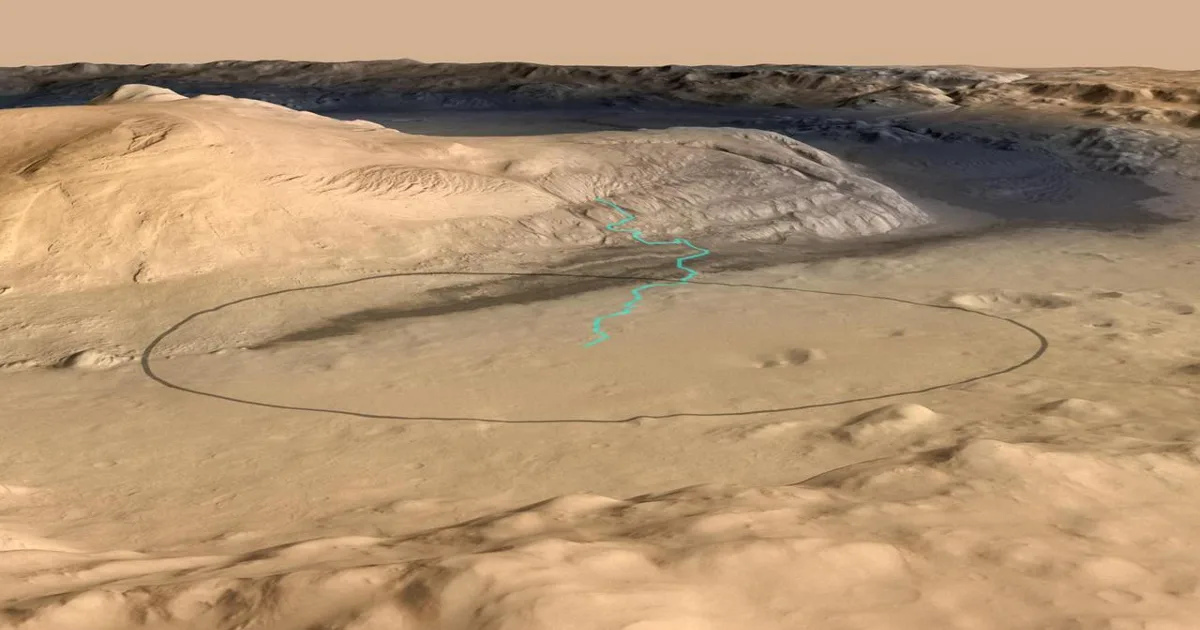
Curiosity lifted off from Cape Canaveral on November 26, 2011, embarking on a 560 million‑kilometre trek to the Red Planet. After a seven‑month cruise, the rover touched down in Gale crater’s Aeolis Palus on August 6, 2012, at the site known as Bradbury Landing. The touchdown point was only about 2.4 km from the mission’s intended target, a testament to the precision of NASA’s entry, descent, and landing system.
Science Objectives and What Curiosity Has Learned
The Mars Science Laboratory (MSL) mission set out to answer three big questions: Was ancient Mars ever habitable? What role did water play? And how can the findings inform future human exploration? To address these, Curiosity carries eight scientific objectives spanning biology, geology, planetary processes, and surface radiation. Early results showed that Gale crater once hosted lake‑like environments with neutral pH water and organic molecules, suggesting conditions that could have supported microbial life. Over the past ten years, the rover has refined models of how organic compounds degrade on Mars—a field known as taphonomy—helping scientists understand what biosignatures might survive for future missions.
Engineering Marvels: Size, Power, and Instruments
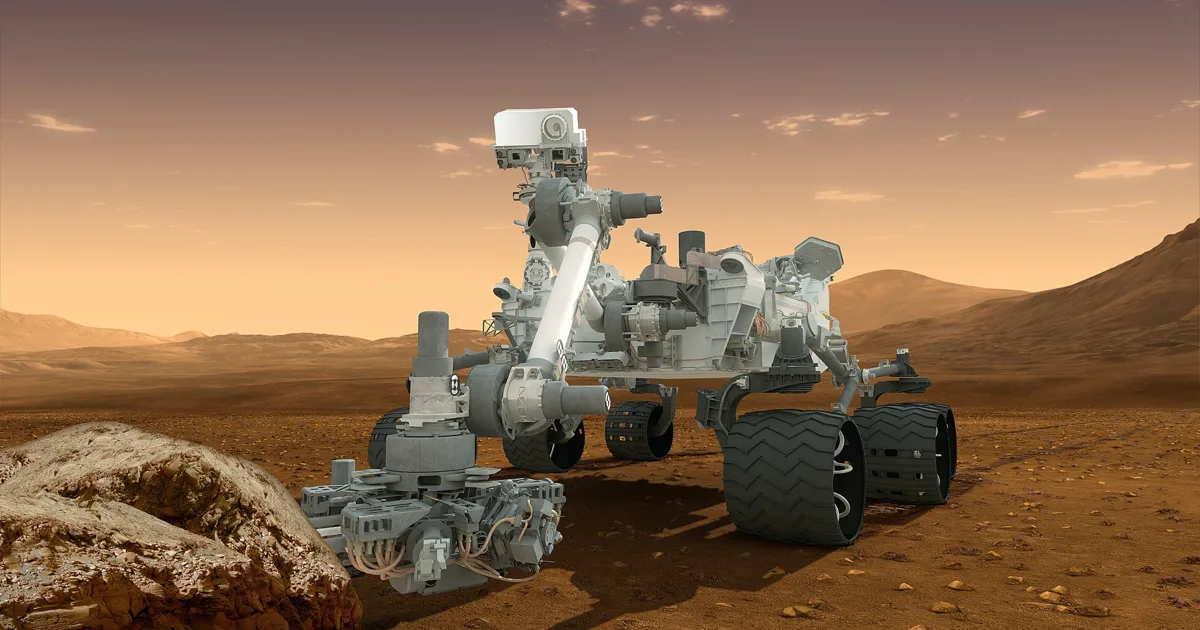
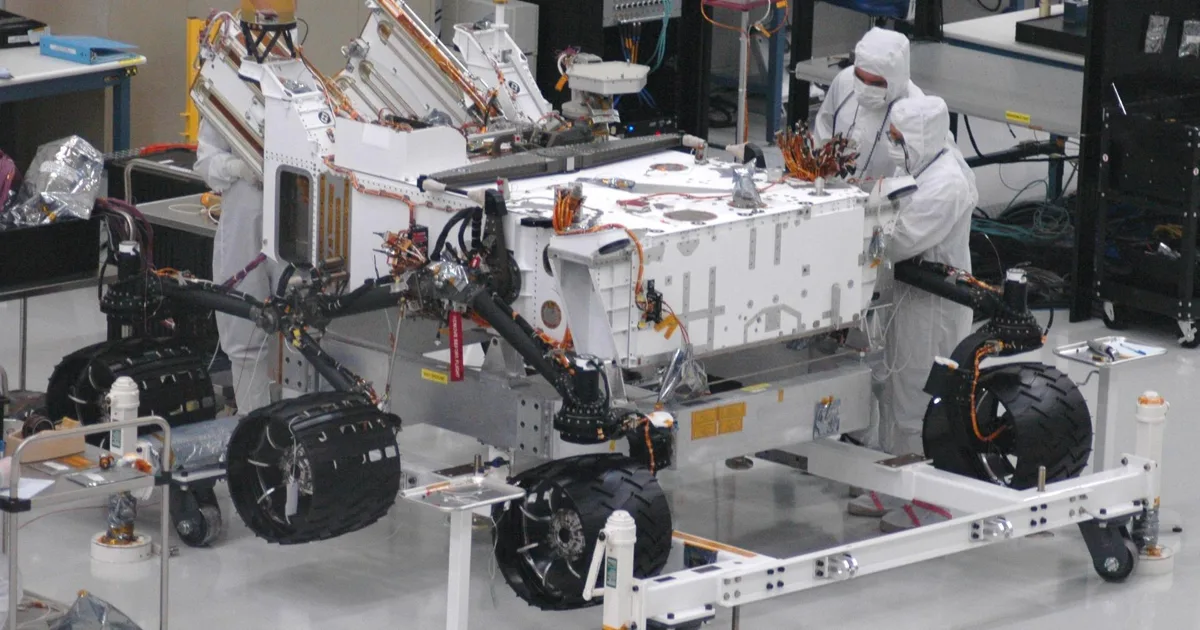
At 2.9 m long, 2.7 m wide, and 2.2 m tall, Curiosity is roughly the size of a small car and weighs 899 kg, including 80 kg of scientific payload. Its power comes from a Multi‑Mission Radioisotope Thermoelectric Generator (MMRTG), which converts heat from the decay of 4.8 kg of plutonium‑238 into electricity. This steady power source lets the rover operate day and night, across seasons, without relying on solar panels. The rover’s camera suite, MastCam‑34 and MastCam‑100, offers up to 3.7 times higher spatial resolution than the earlier Pancam on Spirit and Opportunity, delivering crisp panoramas of the Martian terrain.
Mission Milestones and Longevity
Originally planned for a two‑year campaign, Curiosity’s mission was extended indefinitely in December 2012. As of October 21 2026, the rover has logged 5,050 sols (about 5,189 Earth days), surpassing 14 years of continuous operation. In August 2022, NASA released a ten‑year overview highlighting milestones such as the detection of seasonal methane spikes, the analysis of ancient river‑delta deposits, and the first measurement of radiation levels on the Martian surface—critical data for protecting future astronauts.
Legacy and Influence on Future Rovers
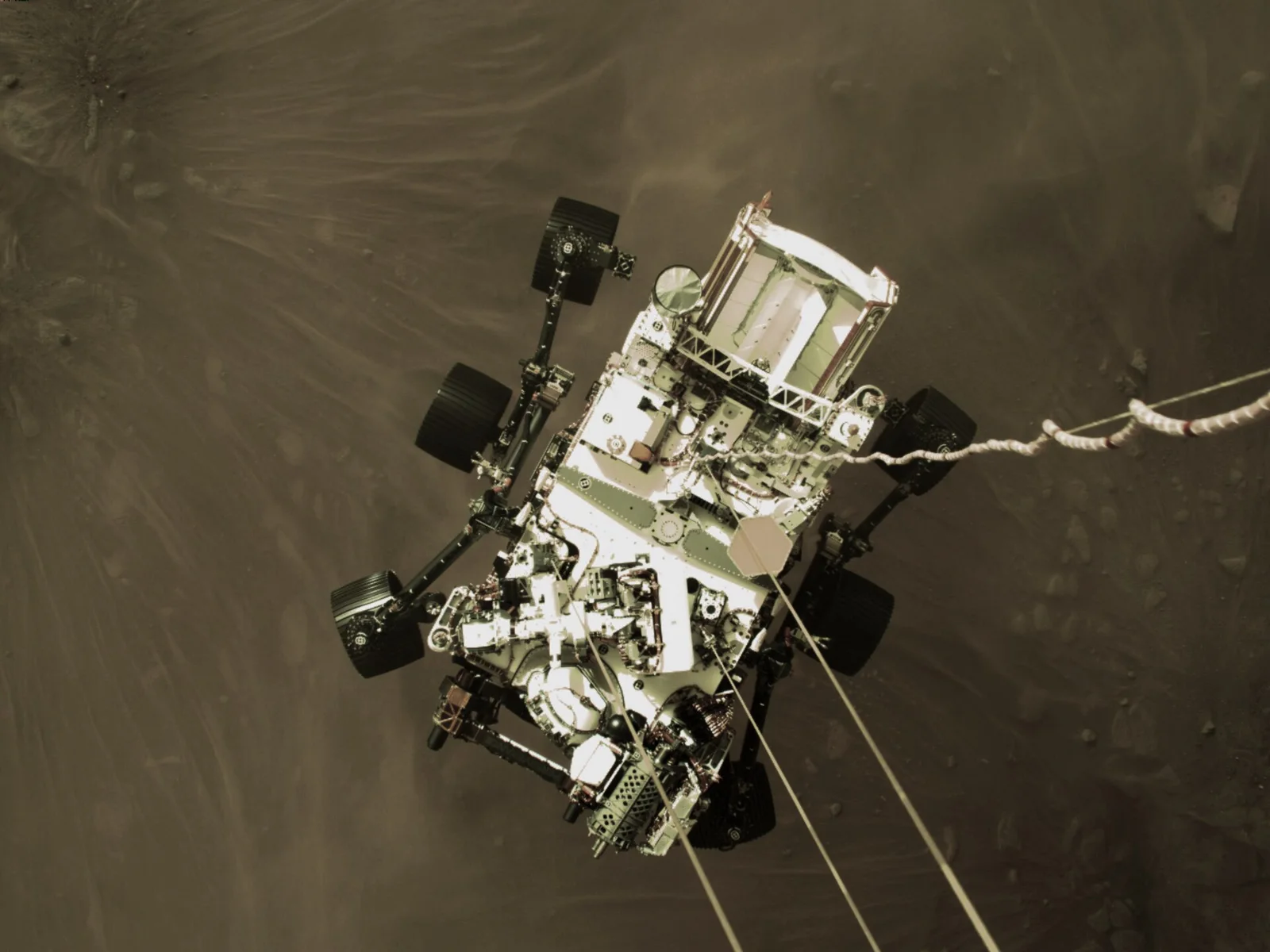
Curiosity’s design directly informed NASA’s Perseverance rover, which launched in 2020. While Perseverance carries a different instrument suite focused on sample caching, many of its chassis components, mobility systems, and the MMRTG are derived from Curiosity’s proven architecture. The success of Curiosity also earned the 2012 Robert J. Collier Trophy, recognizing its engineering achievements and contributions to our understanding of Mars’ habitability.
Looking Ahead: From Rocks to the Red Frontier
Even after more than a decade, Curiosity continues to send valuable data back to Earth, shaping the scientific case for crewed missions to Mars. Its ongoing measurements of radiation, atmospheric chemistry, and geological history provide a roadmap for where humans might live and work on the planet. As the rover wheels across the ancient lakebeds of Gale crater, each discovery brings us a step closer to turning the dream of a sustainable presence on Mars into reality—perhaps one day even supporting mushroom cultivation in Martian habitats.
Sources
This article was prepared with AI assistance from the sources listed above and approved by the Mushroom 2 Mars team before publication.