The Journey Begins: How the Animation Was Made
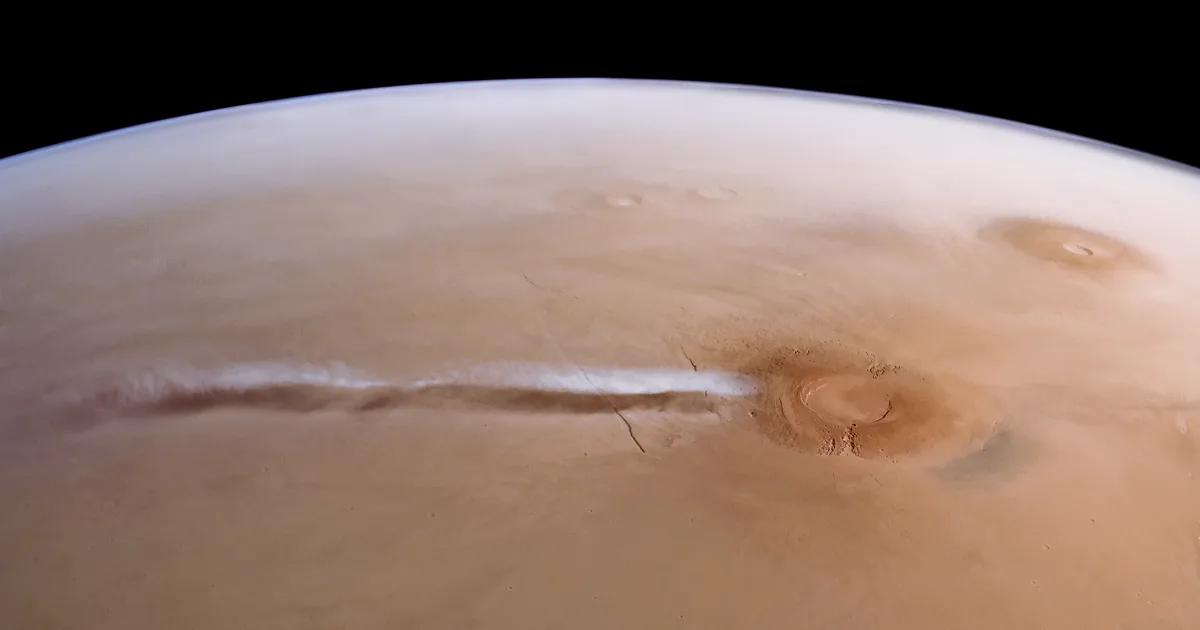
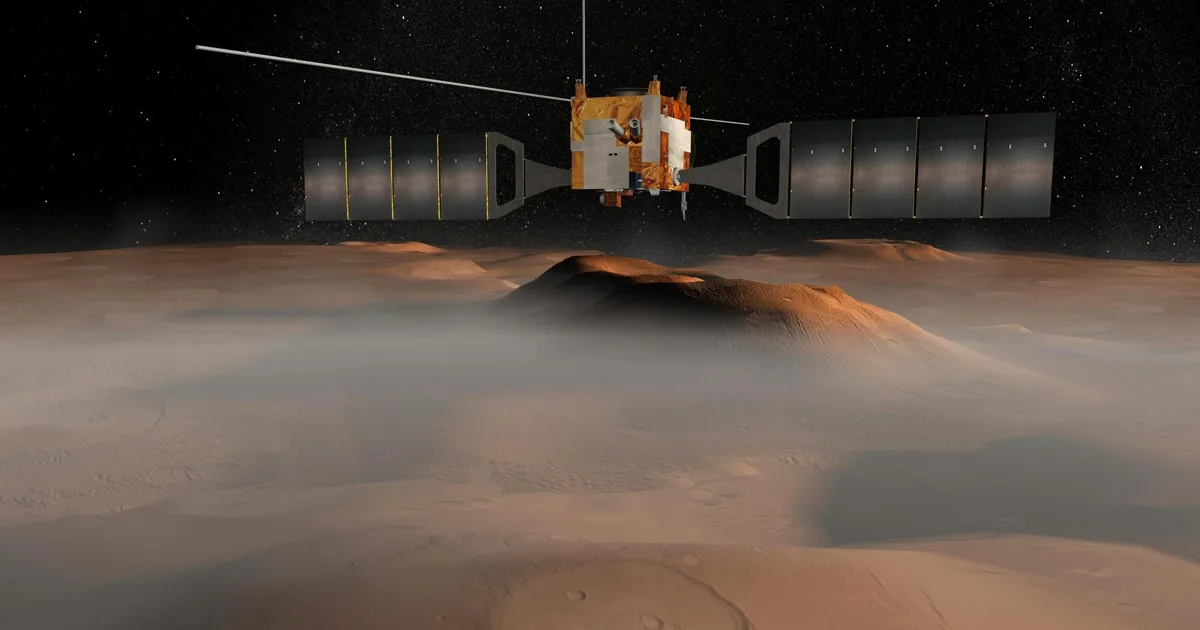
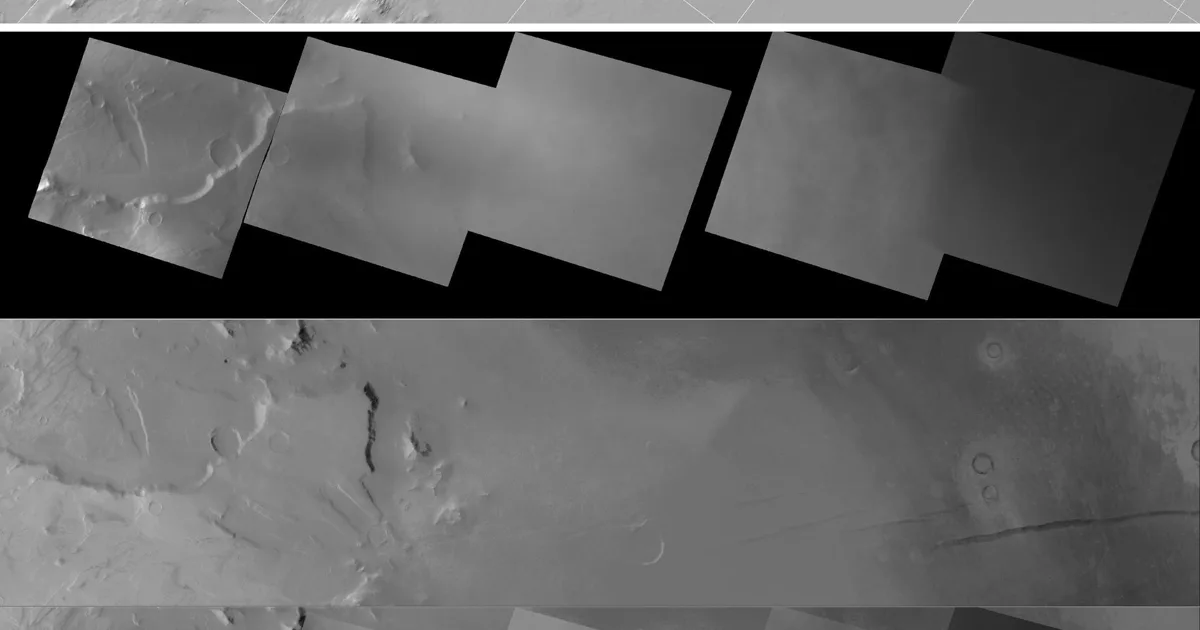
ESA’s Mars Express mission has turned raw spacecraft data into a cinematic experience. The High‑Resolution Stereo Camera (HRSC) captured thousands of images that were stitched into mosaics covering the 460 km‑wide Schiaparelli basin. Engineers at the German Aerospace Center (DLR) in Berlin‑Adlershof processed the raw frames, while a planetary‑science team at Freie Universität Berlin added topography from a digital terrain model. The final video renders 50 frames per second, with a three‑fold vertical exaggeration to highlight subtle relief, and atmospheric haze added beyond 250 km to mask model limits.
Schiaparelli Crater: Size, Shape, and What Lies Inside
Despite its impressive diameter, the crater is surprisingly shallow. Researchers think that over billions of years wind‑blown sediments, ancient water deposits, and volcanic flows have partially filled the basin. The current floor likely consists of a mix of fine dust, layered sediments, and scattered basaltic outcrops. Such infilling makes Schiaparelli a valuable natural laboratory for studying how Martian surface processes interact over geologic time.
Giovanni Schiaparelli and the “Canali” Controversy
The crater bears the name of Italian astronomer Giovanni Schiaparelli (1835‑1910), who is best remembered for his 1877 observations during a close Mars‑Earth approach called the “Great Opposition.” Using the modest telescopes of his era, Schiaparelli mapped dark streaks across the planet and described them with the Italian word canali—simply “channels.” A mistranslation turned canali into “canals,” sparking a wave of speculation that intelligent Martians had built irrigation networks. Modern imaging shows those features were optical artifacts; no present‑day water‑filled channels exist on Mars.
Evidence of Ancient Water in the Basin
Although today Schiaparelli is dry, several lines of evidence suggest water once visited the region. Geological mapping indicates that the crater floor may have once hosted a lake, fed by runoff from surrounding highlands. Sedimentary layering observed in HRSC mosaics resembles deposits formed in standing water on Earth. While the exact timeline remains under study, the presence of ancient lacustrine deposits aligns with broader findings that Mars experienced a warmer, wetter epoch billions of years ago.
From Science to Fiction: Schiaparelli in Popular Culture
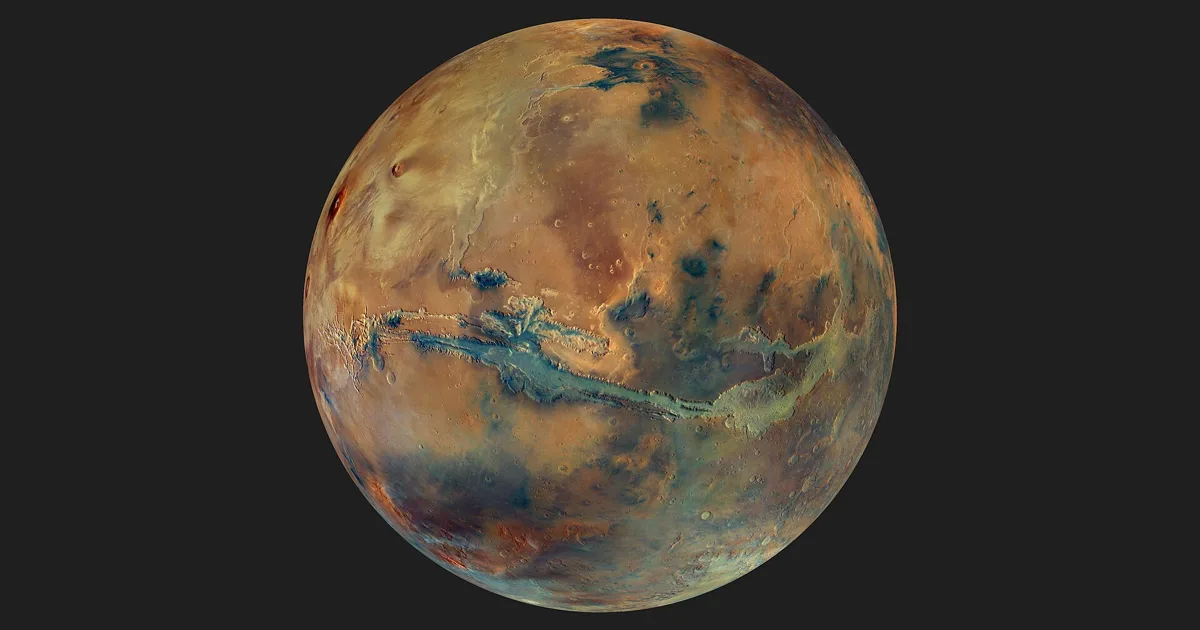
The crater’s dramatic landscape earned a cameo in Andy Weir’s bestselling novel The Martian. In the story, astronaut Mark Watney’s ultimate rescue point is the Schiaparelli basin, a nod to the crater’s iconic status among both scientists and the public. This cultural footprint underscores how planetary features can inspire imagination as well as rigorous research.
What the Fly‑by Shows Us About Future Exploration
The high‑resolution, three‑dimensional animation offers more than visual splendor; it serves as a rehearsal for future lander or rover missions. By visualizing terrain slopes, shadowed regions, and potential hazards, engineers can refine landing site selection and navigation strategies. Moreover, the added atmospheric haze in the video mimics real Martian conditions, reminding viewers that any future explorer will contend with thin air and dust.
Bringing the Experience Home
The ESA video is designed for public outreach, complete with an audio guide that explains each feature as the virtual camera sweeps over the crater. Turning up the volume lets you hear expert commentary while you watch the landscape unfold. For anyone curious about planetary science, the animation is a vivid reminder that even a “dry” crater can hold clues to a planet’s watery past—and perhaps, someday, a stepping stone for human missions to the Red Planet.
As we watch the ancient basin from orbit, we’re reminded that the same curiosity that drives us to map Martian craters also fuels projects like Mushroom 2 Mars, where Earth‑bound fungi may one day help grow food on another world.
Sources
This article was prepared with AI assistance from the sources listed above and approved by the Mushroom 2 Mars team before publication.