What Makes a True Morel Unique?
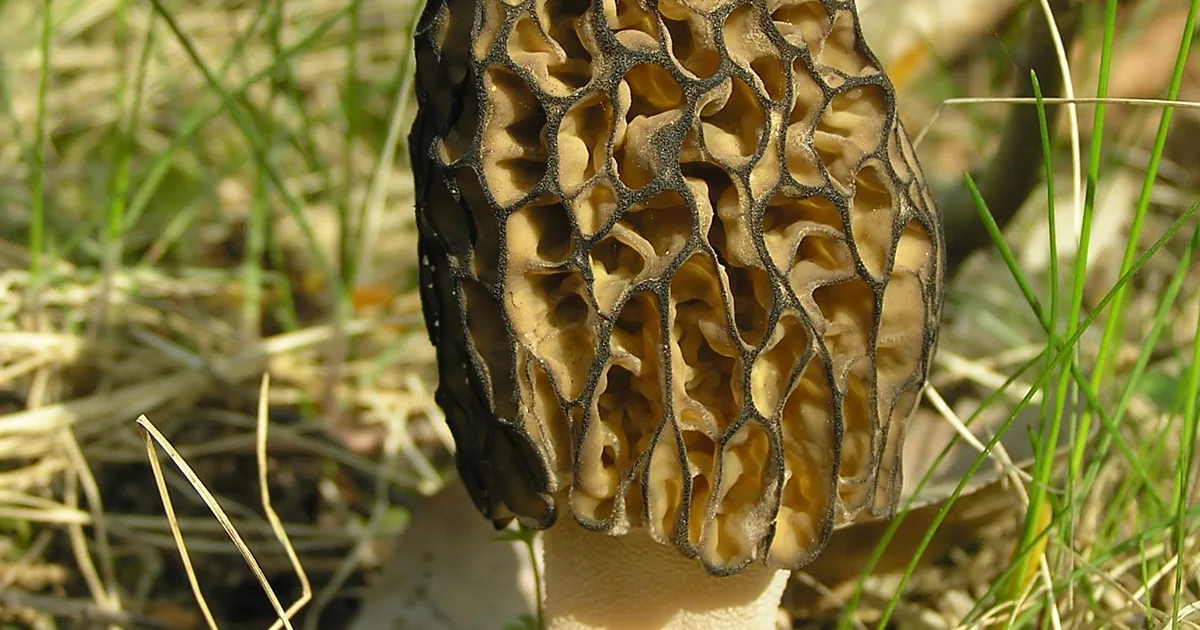
True morels belong to the genus Morchella, a group of edible sac fungi in the order Pezizales. Their caps are instantly recognizable for a honeycomb‑like network of ridges and pits, giving them a spongy appearance that sets them apart from many other mushrooms. The flesh of a true morel is completely hollow when you slice it lengthwise, a key trait that helps foragers confirm they have the right species.
Spotting the Real Deal: How to Differentiate Morels from Look‑Alikes
When hunting for morels, accurate identification is crucial because several “false morels” can cause illness if eaten. The most common impostors are members of the genus Gyromitra and the closely related Verpa.
- Cap texture: True morels display a regular lattice of ridges and pits. In contrast, Gyromitra species have a brain‑like, wrinkled surface.
- Color clues: Morels can range from white and gray to brown, yellow, or even black. Gyromitra esculenta typically shows reddish‑brown to chestnut tones.
- Internal structure: Slice a true morel lengthwise – the interior is a single, continuous cavity. Gyromitra caps are chambered, while Verpa stems contain a cottony substance.
- Cap‑stem attachment: In Verpa, the cap attaches only at the very top of the stem (apex). True morels have caps attached at the base or near the base of the stem.
Because misidentification can lead to gastrointestinal upset, always double‑check these features before collecting.
From Forest to Table: Cooking Morels Safely
Morels are celebrated in gourmet kitchens, especially in Catalan and French cuisine. However, they must never be eaten raw or undercooked, as heat destroys heat‑labile toxins that can cause illness. Here’s a simple, reliable method to prepare them:
- Clean gently: Brush off soil with a soft brush or rinse quickly under cool water. Pat dry.
- Slice: Cut the caps and stems into uniform pieces for even cooking.
- Sauté: Heat a skillet with a tablespoon of butter or oil over medium heat. Add the sliced morels and cook for 5‑7 minutes, stirring occasionally, until they turn golden and the moisture evaporates.
- Season: Finish with a pinch of salt, pepper, and a splash of fresh herbs like thyme or parsley.
- Serve: Use the sautéed morels in risottos, pasta, or as a topping for steak.
Never rely on wild‑picked mushrooms that have not been positively identified, and always cook them thoroughly.
A Taxonomic Puzzle: How Many Morel Species Are There?
The classification of Morchella has long been a source of debate. Early mycologists described anywhere from three to over thirty species, often based on subtle morphological differences. Modern molecular studies now suggest the genus may contain more than seventy distinct species worldwide, many of which are endemic to particular continents or regions.
Key milestones in the recent taxonomic saga include: - 1794: Morchella esculenta designated as the type species by Persoon. - 2012: New taxa described simultaneously in Europe (by Clowez) and North America (by Kuo et al.). - 2014: A trans‑Atlantic phylogenetic analysis by Richard and colleagues clarified many synonyms and solidified the current species framework.
Ongoing research continues to uncover new species in places like Australia, Canada, Cyprus, Israel, Spain, and Turkey, highlighting the genus’s rich diversity and the importance of DNA‑based identification.
Morels and the Dream of Martian Farming
While morels are still largely harvested from wild forests, their unique biology and the growing interest in controlled‑environment agriculture make them intriguing candidates for future off‑world cultivation—perhaps one day we’ll be sautéing Martian‑grown morels on the Red Planet.
Sources
This guide is not a foraging or identification manual. Many edible mushrooms have toxic look-alikes. Never eat a wild mushroom unless an expert has identified it in person.
This article was prepared with AI assistance from the sources listed above and approved by the Mushroom 2 Mars team before publication.