Part of the guide: Mycology: A Complete Guide to Fungi, Cultivation, and Safety
Bright Appearance and Taxonomic Roots
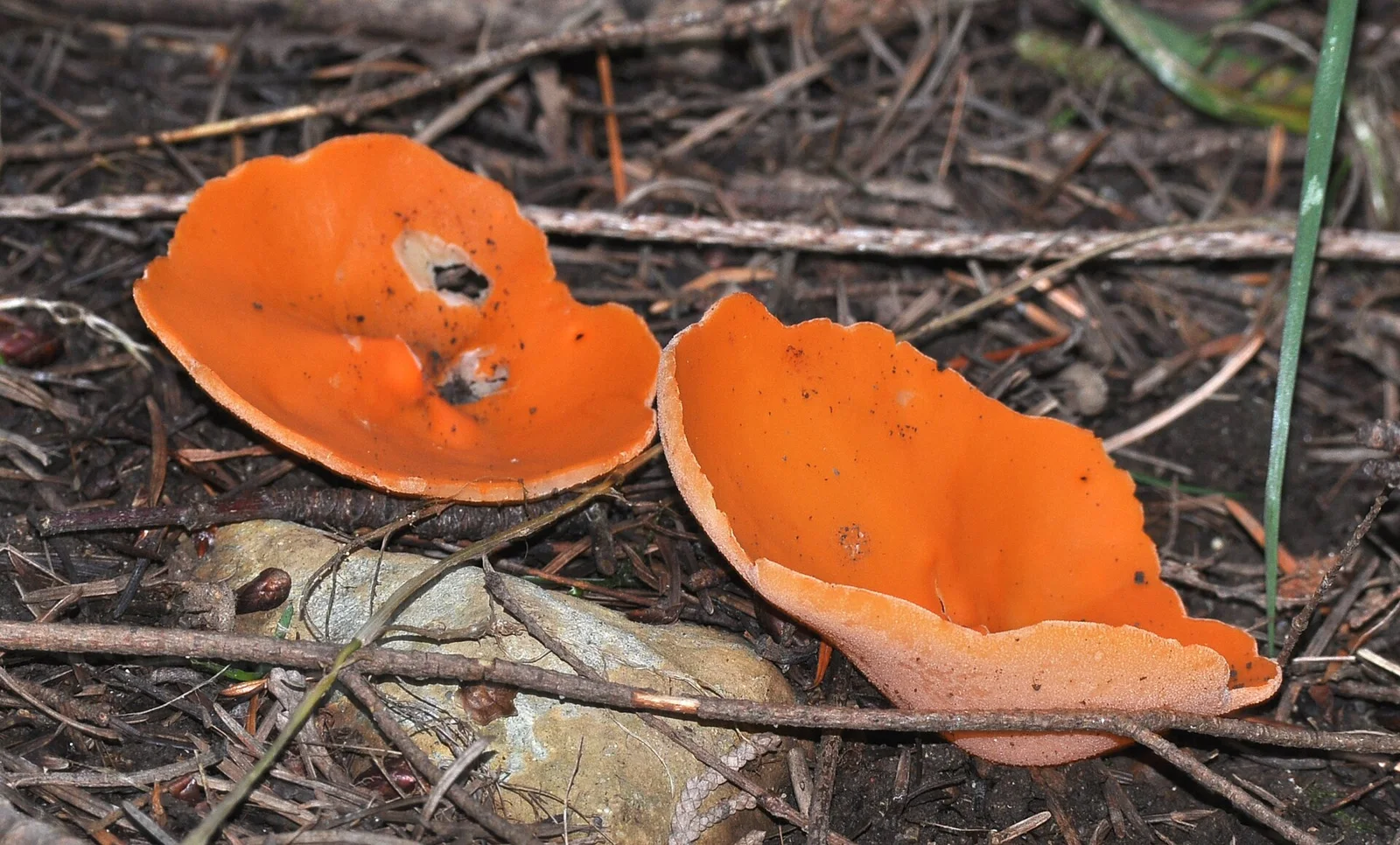
Aleuria aurantia, commonly called the orange peel fungus, belongs to the order Pezizales, a group of cup‑shaped ascomycetes. The species was first recorded by Christiaan Hendrik Persoon in 1800 as Peziza aurantia. Its specific epithet, aurantia, simply means “orange” in Latin. In 1870, mycologist Karl Wilhelm Gottlieb Leopold Fuckel transferred it to the genus Aleuria, giving it the name we use today.
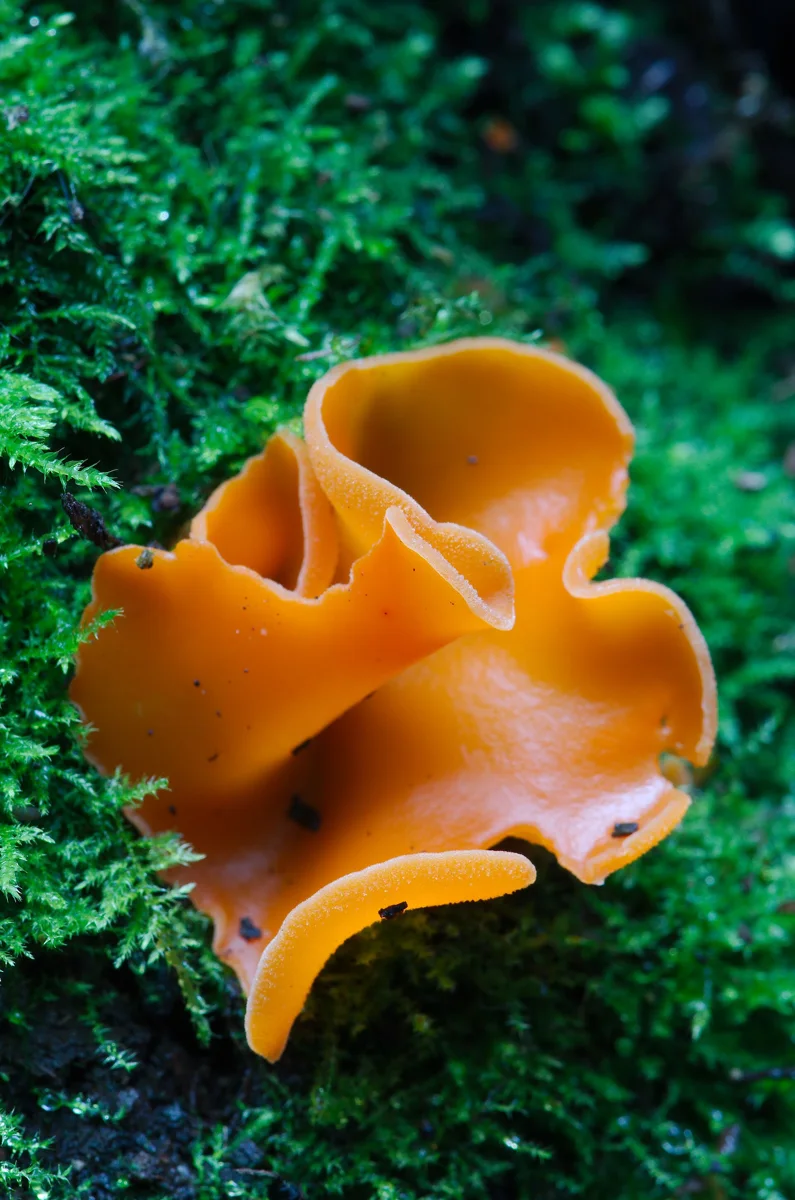
Morphology You Can Spot in the Field
The fruiting bodies are strikingly orange, ranging from 1 to 10 cm (½–4 in) across. They form shallow cups that are often fuzzy on the outer surface and may appear misshapen when many grow close together. The flesh is delicate, and when the cup is disturbed the spores—producing a white spore print—are released in a visible cloud. A Pacific Northwest variant has slightly smaller spores, but the overall shape remains recognizably “peel‑like.”
How to Tell It Apart from Look‑Alikes
While the orange cup is distinctive, several other fungi can cause confusion, especially for novice foragers. Species such as Acervus epispartius, Caloscypha fulgens, Sarcoscypha coccinea, and members of the genera Melastiza, Otidea, Peziza, Pithya, and Pulvinula share a cup shape or bright coloration. In Europe, A. aurantia may be mistaken for some Otidea or Caloscypha species, which are either poisonous or of uncertain edibility. Careful observation of the cup’s fuzzy exterior, the bright orange hue, and the white spore cloud can help differentiate it from these look‑alikes.
Where It Grows and When You’ll Find It
The orange peel fungus enjoys a broad geographic range. In North America it appears from November through March in western regions, while the eastern side sees it from May to November. It also occurs in southern Chile and across many parts of Europe. The fungus prefers bare clay or disturbed soils—places where the ground has been turned over by wind, animal activity, or human disturbance. Because it thrives on exposed soil, you may find it after a rainstorm when the ground is moist and the spores have a chance to germinate.
Edibility and Simple Kitchen Ideas
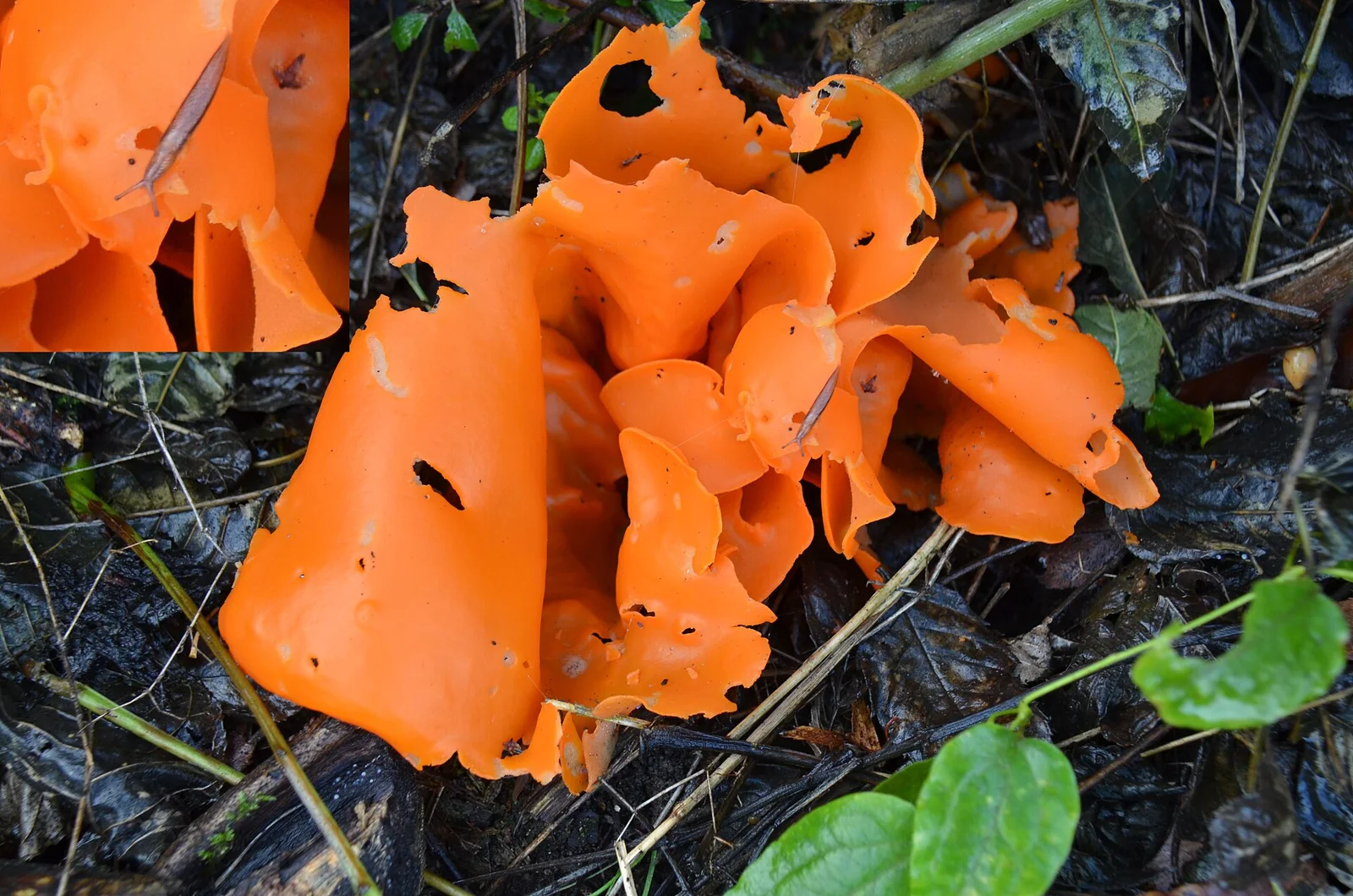
Although A. aurantia is generally regarded as edible, it is not a culinary superstar. The delicate flesh can break apart easily, making whole‑fruit collection a challenge. For those who do manage to harvest intact cups, thin slicing and quick drying are common preservation methods. Dried slices can be re‑hydrated and added to soups or stir‑fries for a mild, slightly sweet flavor. As always, only consume mushrooms you have positively identified; never eat wild specimens unless you are 100 % certain of their identity.
Cultural Footnotes and Folklore
The vivid orange cups have captured the imagination of foragers and artists alike. In some European folklore, the fungus was thought to appear where fire had recently burned, leading to the nickname “fire cup.” Its resemblance to discarded orange peels also inspired playful names in local languages. While not a staple in historic cuisine, the fungus occasionally appears in regional mushroom festivals where participants showcase unusual edible species.
From Earth to the Red Planet
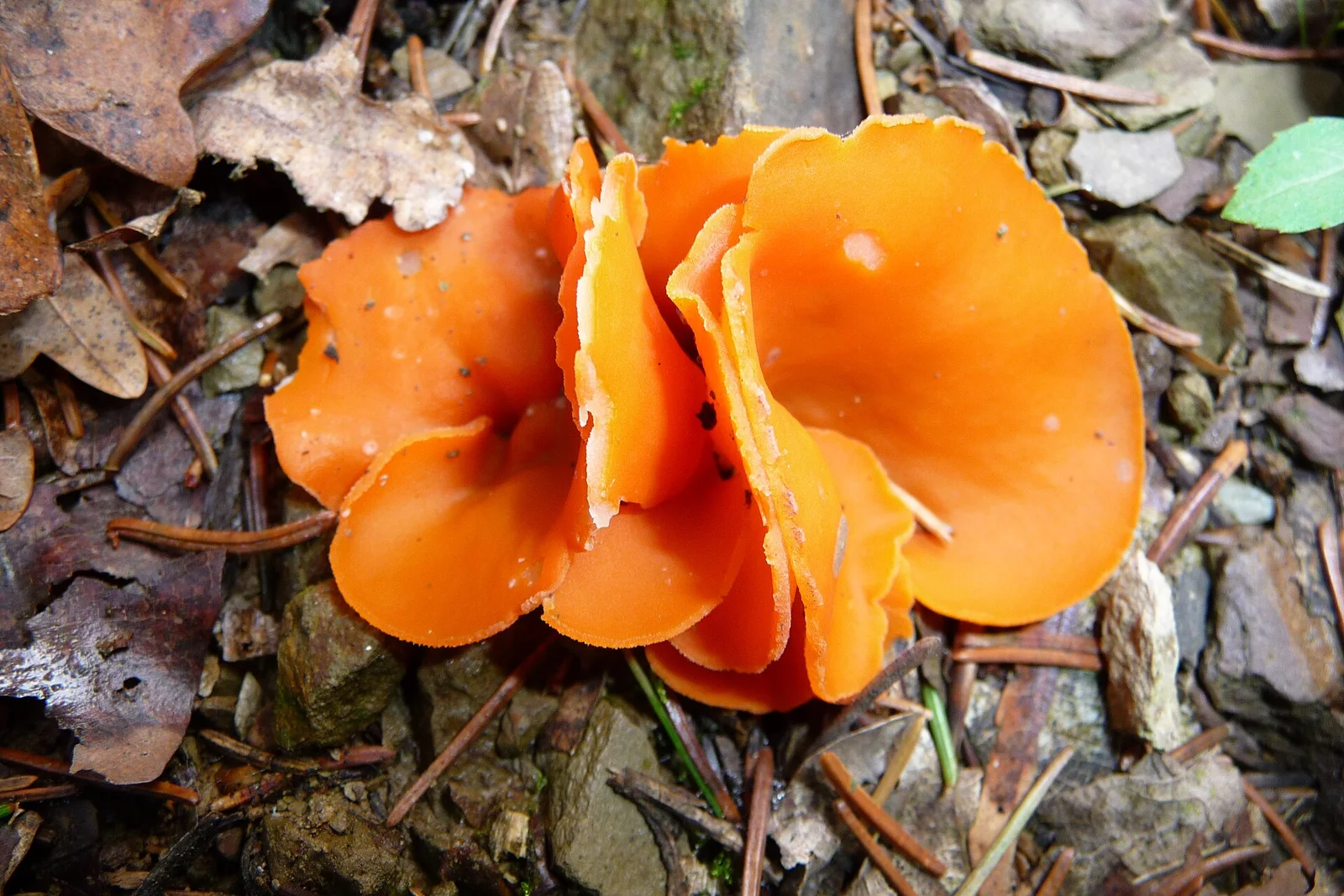
Mushroom enthusiasts on Earth are already experimenting with growing Aleuria aurantia in controlled environments. The species’ tolerance for disturbed soils makes it a candidate for future bioregenerative life‑support experiments on Mars, where soil amendment will be essential for any sustainable food system.
This guide is not a foraging or identification manual. Many edible mushrooms have toxic look-alikes. Never eat a wild mushroom unless an expert has identified it in person.
This article was prepared with AI assistance from the sources listed above and approved by the Mushroom 2 Mars team before publication.