Part of the guide: Mycology: A Complete Guide to Fungi, Cultivation, and Safety
Taxonomic Roots and History
Agaricus silvicola, commonly called the wood mushroom, belongs to the genus Agaricus and the section Arvenses, a group of species that share several visual traits. The fungus was first recorded as a variety of Agaricus campestris by Italian mycologist Carlo Vittadini in 1832. Later, American botanist Charles Horton Peck elevated it to full species status in 1873, recognizing its distinct features among the many field and pasture mushrooms.
What the Mushroom Looks Like
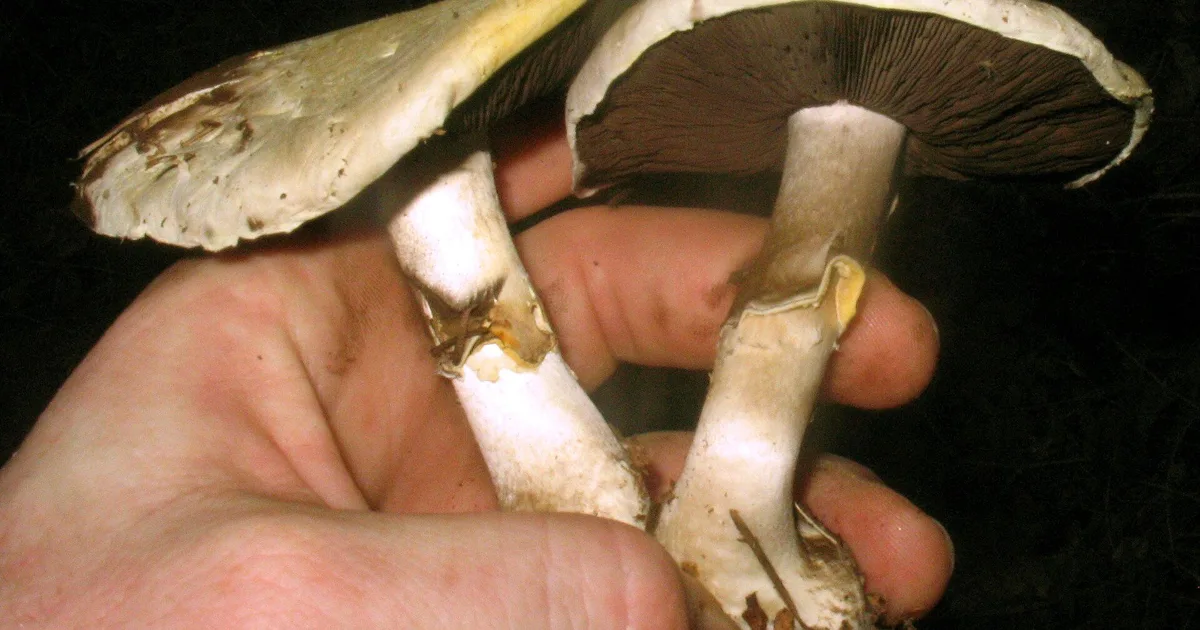
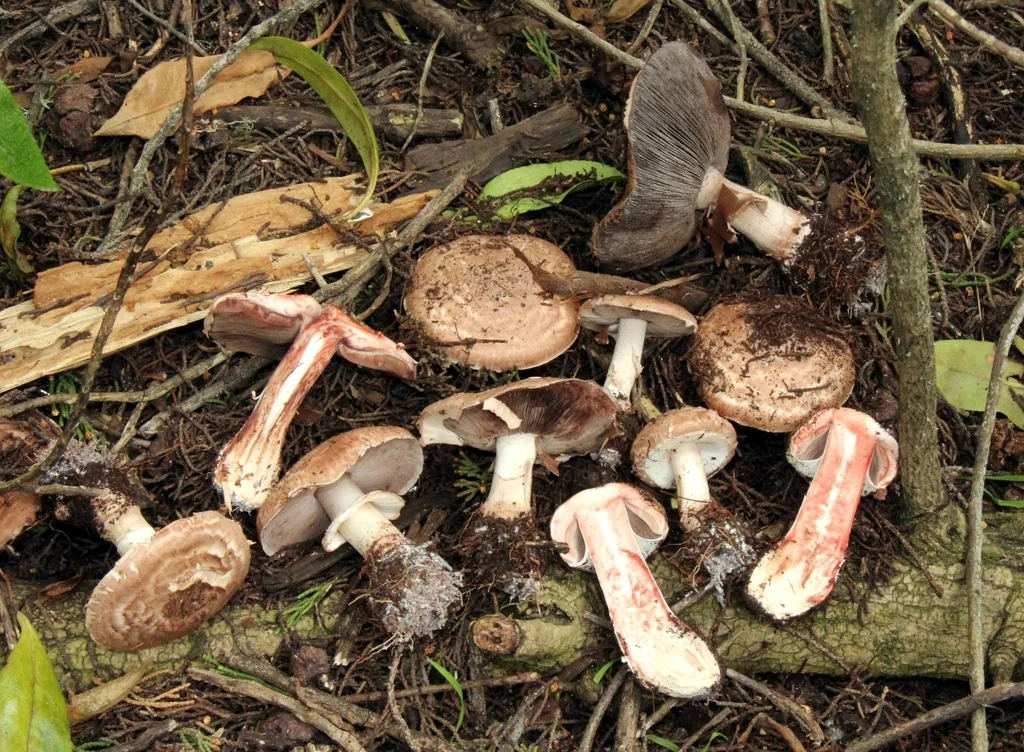
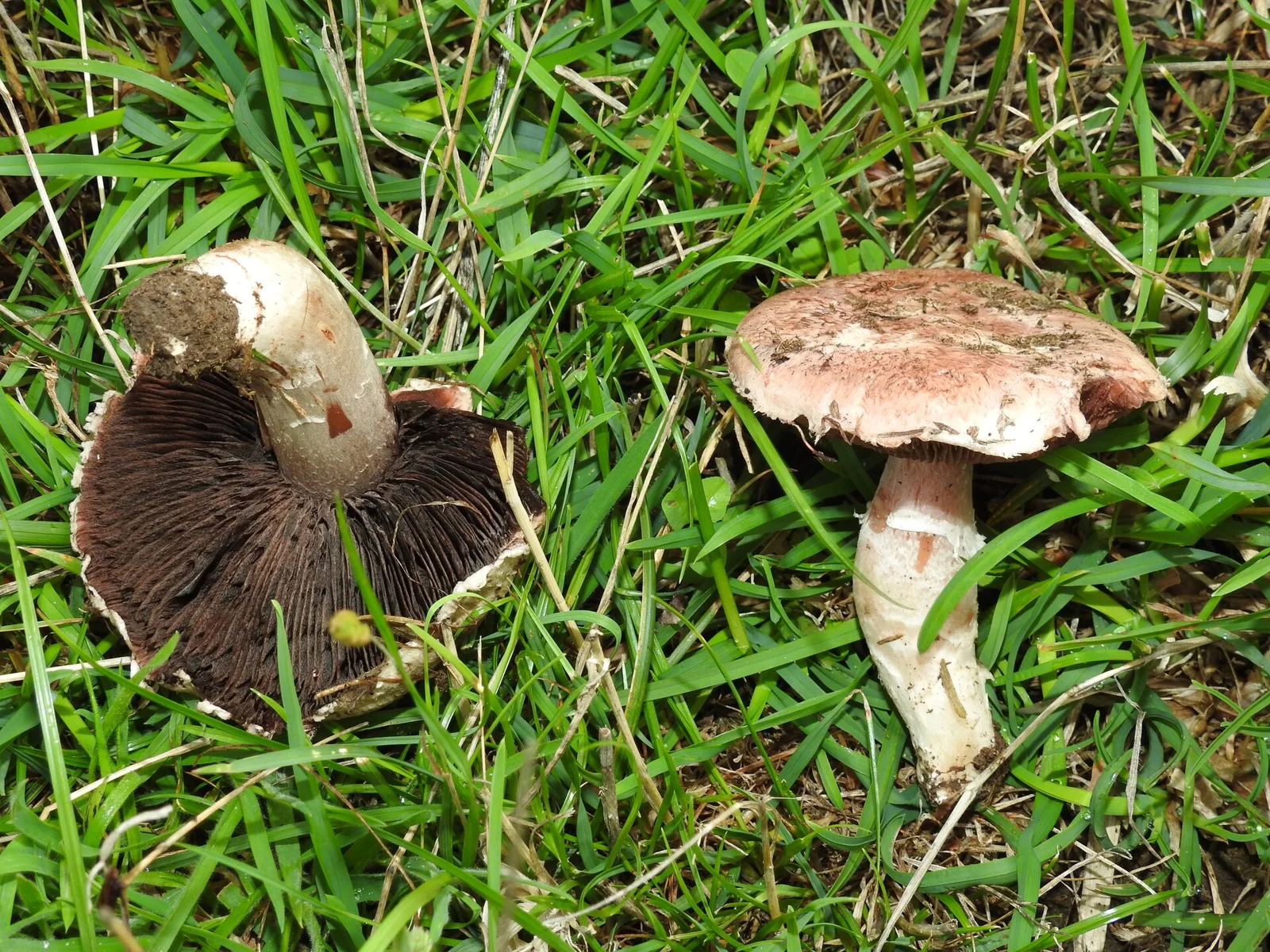
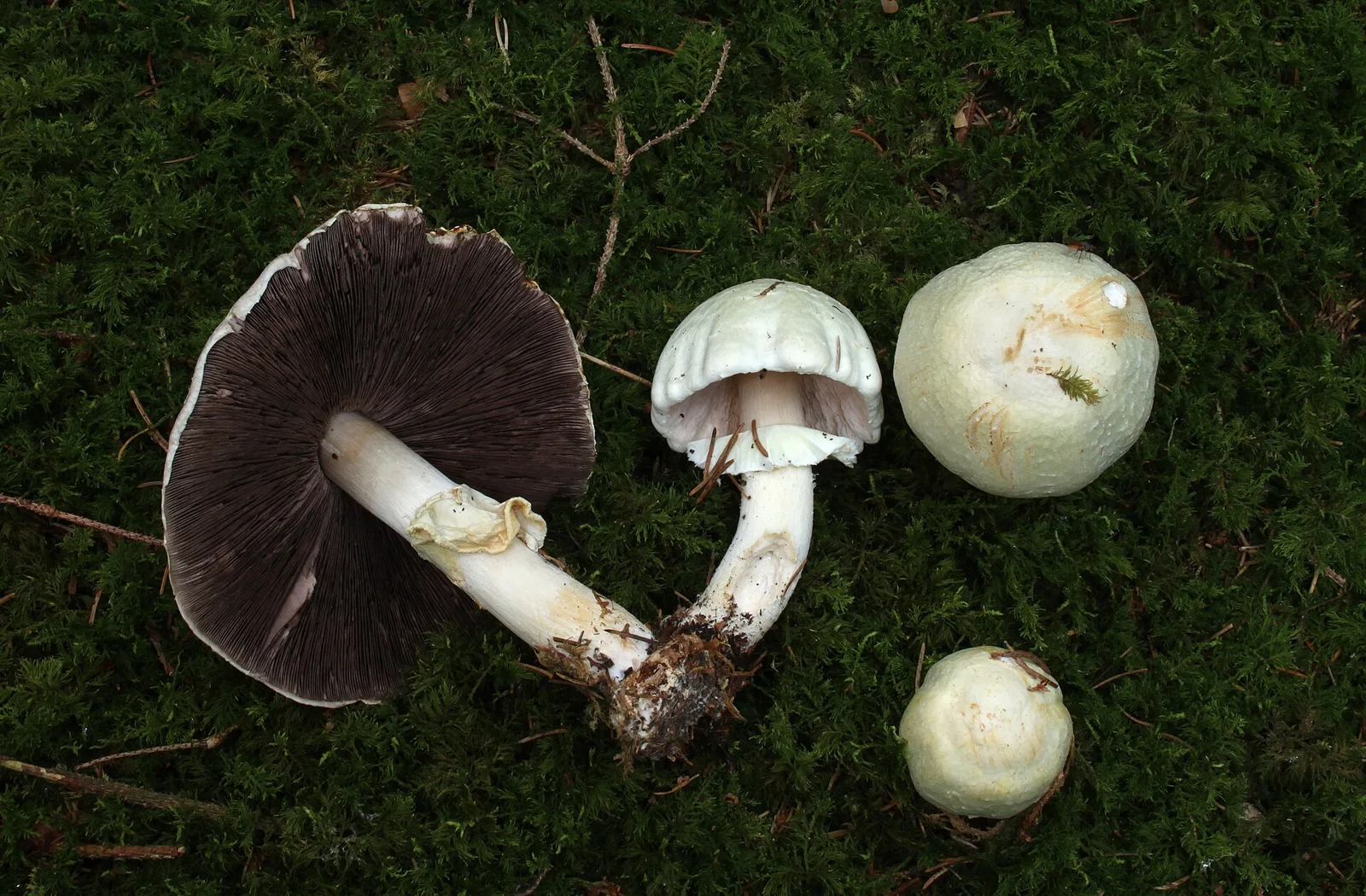
The cap of A. silvicola is a pale cream color, typically ranging from 5 to 15 cm across. When the surface is bruised, it takes on a faint yellow‑ochre hue—a useful field clue. The stem mirrors the cap’s tone, stretches 5–15 cm in length, and often swells slightly at the base, giving it a bulbous appearance. A delicate, hanging ring clings to the upper part of the stem, and the flesh inside is thin, white, and emits a faint almond or anise scent. Microscopic examination reveals brown, smooth, elliptical spores, and the mushroom reacts positively to both Schäffer’s test and potassium hydroxide (KOH), consistent with other members of Agaricus sect. Arvenses.
Look‑Alikes and Safe Identification
Because A. silvicola can resemble a young death cap (Amanita phalloides), caution is essential. The death cap typically has a white to pale yellow cap, a volva at the base, and a distinct, non‑drooping ring, whereas the wood mushroom lacks a volva and its ring is fragile. Other Agaricus species that may cause confusion include the horse mushroom (A. arvensis), field mushroom (A. campestris), and the yellow stainer (A. xanthodermus). Key differentiators are the bruising color (yellow‑ochre in A. silvicola versus often reddish or no color change in some look‑alikes) and the almond‑like odor, which is absent in many toxic relatives. Always consult an expert before consuming any wild mushroom.
Habitat, Season, and Geographic Range
The wood mushroom favors mixed deciduous‑coniferous woodlands, thriving on the forest floor where leaf litter and humus provide nutrients. It is reported across Europe—including the British Isles—as well as in parts of North America. Isolated records also exist from South Asian countries such as Bangladesh and Pakistan. Fruit bodies appear in the autumn months, usually in small groups or as solitary specimens, rather than forming large, conspicuous clusters.
Culinary Use and Precautions
In many European kitchens, A. silvicola is prized for its delicate flavor and pleasant aroma. When cooked, the mushroom retains a firm texture and a subtle nutty note that pairs well with butter, herbs, or simple sauces. However, anecdotal reports from North America suggest occasional adverse reactions, possibly due to regional variations or misidentification. As with any wild‑foraged fungus, it is safest to cook the mushroom thoroughly—bringing it to a simmer for at least 10 minutes—to break down heat‑sensitive compounds. Never eat raw specimens, and start with a modest portion to gauge personal tolerance.
From Forest Floors to Future Farms
The modest size and woodland preference of A. silvicola make it an interesting candidate for controlled cultivation. Researchers exploring closed‑loop agricultural systems for space habitats note that Agaricus species can thrive on composted plant waste, producing protein‑rich fruit bodies with minimal water. While A. silvicola is not yet a mainstream commercial crop, its adaptability to temperate forest soils suggests it could be integrated into experimental bioregenerative life‑support setups—perhaps even on a future Martian greenhouse.
Whether you’re foraging responsibly in a temperate forest or imagining mushroom farms under a dome on Mars, the wood mushroom reminds us that nature’s diversity can inspire both culinary delight and scientific innovation.
Sources
This guide is not a foraging or identification manual. Many edible mushrooms have toxic look-alikes. Never eat a wild mushroom unless an expert has identified it in person.
This article was prepared with AI assistance from the sources listed above and approved by the Mushroom 2 Mars team before publication.