A British Legacy in a Bottle
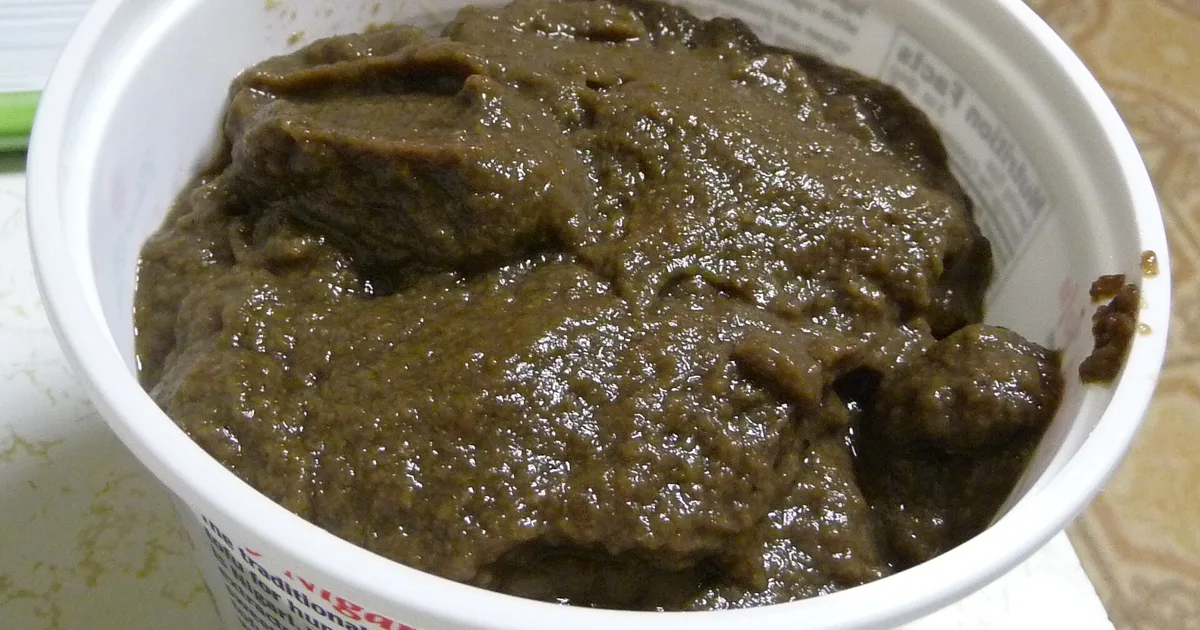
Mushroom ketchup was once the staple table condiment in the British Isles, predating the tomato‑based version that dominates shelves today. Early British cooks packed fresh mushrooms with salt, let the natural juices collect, then boiled the mixture and finished it with spices such as mace, nutmeg and black pepper. The resulting dark, savory sauce was used on its own or as a base for other sauces, and it was even exported to the United States in the 18th and 19th centuries. While modern tomato ketchup has largely eclipsed it, a few specialty producers in the UK still make mushroom ketchup for lovers of historic flavors.
From Colonial Kitchens to Cookbooks
The first documented American recipes for mushroom ketchup appear in a 1770 Charleston manuscript by Harriott Pinckney Horry, which notes the use of two egg whites to clarify the sauce. A decade later, Richard Briggs’ The English Art of Cookery (1788) offered a detailed mushroom ketchup recipe that called for “dry‑gathered” mushrooms, red wine, and a reduction to one‑third of the original volume before bottling. These early texts show that mushroom ketchup was a well‑established condiment on both sides of the Atlantic, often appearing alongside walnut ketchup and other fruit‑based sauces.
Traditional Ingredients and Techniques
Creating mushroom ketchup traditionally involved several steps:
- Mushroom selection – Edible varieties such as button, portobello, or field mushrooms were common; some authors warned against mixing certain species, as the flavors could clash or the texture could become gritty.
- Salting – Whole mushrooms were layered with salt in a jar, allowing their own liquid to seep out over several hours.
- Cooking – The salted mushrooms and their juices were then boiled in an oven until the mixture reached a gentle boil.
- Spicing – Mace, nutmeg, and black pepper were added for warmth; some recipes also included red wine, vinegar, or a splash of brandy.
- Straining – After cooking, the solids were pressed through a fine sieve, leaving a dark, glossy liquid.
- Reduction – The liquid was simmered until it thickened, often to one‑third of its original volume. A “double ketchup” version reduced the sauce further, essentially concentrating the flavor.
The dark hue of the finished ketchup came from mushroom spores that leached into the liquid during cooking. Some 19th‑century American producers labeled products as “mushroom ketchup” even when they contained no mushrooms, a fact that could be confirmed under a microscope.
Modern Home Recipe
You can recreate a historic‑inspired mushroom ketchup in a contemporary kitchen. This version balances authenticity with safety and convenience.
Ingredients - 500 g mixed edible mushrooms (button, cremini, or shiitake), cleaned and sliced - 2 tbsp kosher salt - 150 ml red wine (optional, for depth) - 100 ml apple cider vinegar - 1 tsp ground mace - ½ tsp freshly grated nutmeg - ½ tsp freshly ground black pepper - 2 tbsp brown sugar (to balance acidity)
Equipment - Large, non‑reactive pot with lid - Fine‑mesh sieve or cheesecloth - Sterilized glass bottles
Method 1. Salt the mushrooms – Toss the sliced mushrooms with the salt and let sit for 30 minutes. The salt draws out moisture and begins the flavor development. 2. Combine liquids – Add the red wine and vinegar to the pot, then stir in the sugar, mace, nutmeg, and pepper. 3. Cook – Add the salted mushrooms (including any released liquid) to the pot. Bring to a gentle boil, then lower the heat and simmer uncovered for 45 minutes, stirring occasionally. 4. Strain – Press the mixture through a fine‑mesh sieve or cheesecloth into a clean bowl, discarding the solids. 5. Reduce – Return the liquid to the pot and simmer until it reaches a syrupy consistency, about 20 minutes. It should coat the back of a spoon. 6. Bottle – While still hot, pour the ketchup into sterilized bottles, seal, and let cool to room temperature. Store in the refrigerator; it will keep for several weeks.
Tip: For a smoother texture, blend the strained liquid with an immersion blender before the final reduction.
Culinary Uses Today
Mushroom ketchup’s umami‑rich profile makes it a versatile ingredient. In the 19th century it was mixed into quin sauce, a complex accompaniment that also featured anchovies, white wine, garlic, and a bouquet of spices. Modern chefs use it as a flavor booster for stews, gravies, and even vegetarian burgers, where its depth can substitute for meat‑based sauces. It also works well in a twist on classic Scotch broth, adding a mushroom‑forward note without overwhelming the other ingredients.
Commercial Varieties and Legacy
Several British brands, such as Crosse & Blackwell’s, Morton's, Jacky’s Pantry, and Geo Watkins, have kept mushroom ketchup on the market. These products were historically exported to the United States, where they competed with early tomato ketchup makers like H. J. Heinz. Today, you can still find these niche sauces in specialty food shops or order them online, offering a taste of culinary history.
Bringing Mushroom Ketchup to Mars
As the Mushroom 2 Mars community experiments with sustainable food production beyond Earth, mushroom ketchup provides a low‑water, high‑flavor condiment that could thrive in closed‑loop habitats, reminding us that historic recipes still have a place in future kitchens.
Sources
Only eat mushrooms you bought from a trusted seller or grew yourself. Never eat a wild mushroom unless an expert has identified it. Cook mushrooms thoroughly and check ingredients for allergies.
This article was prepared with AI assistance from the sources listed above and approved by the Mushroom 2 Mars team before publication.