A Historic Lift‑Off from Tanegashima
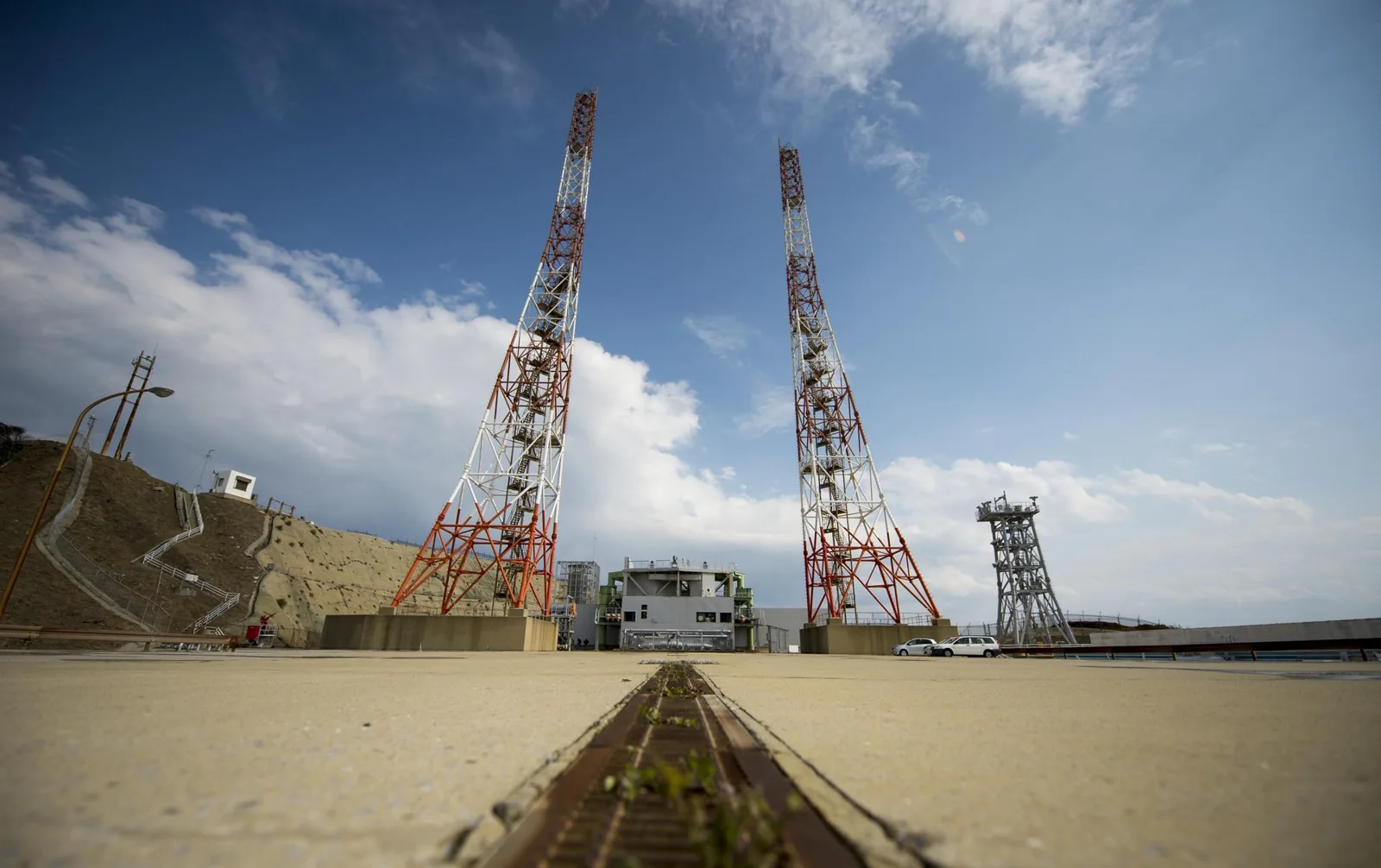
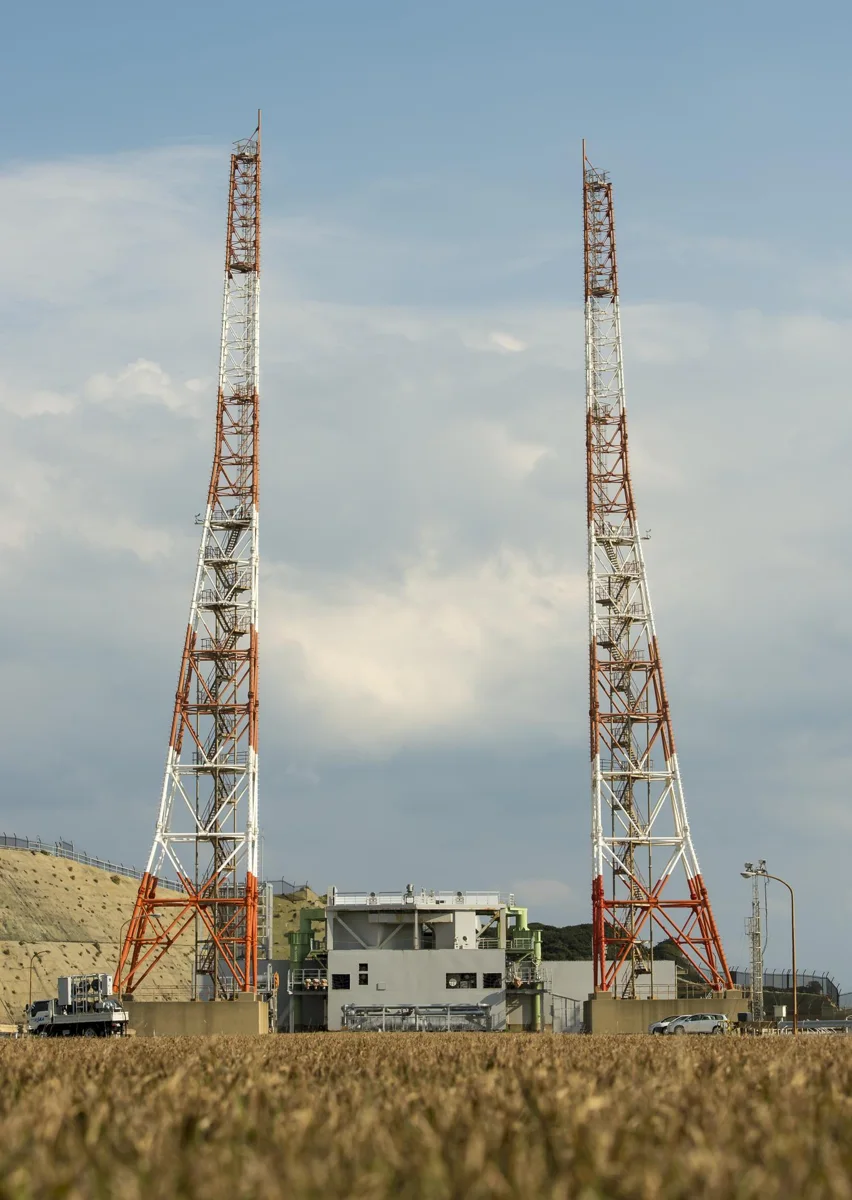
On 20 October 2026, the Japanese H3 launch vehicle roared to life at the Tanegashima Space Center, sending the Martian Moons eXploration (MMX) spacecraft toward the Martian system. The launch occurred at 04:41 JST (20:41 BST / 21:41 CEST on 19 October), and JAXA streamed the event live for a global audience. The H3’s reliable performance was praised by ESA scientists, who called the ascent “spectacular” and a key step toward the mission’s ambitious goals.
What Makes MMX Unique?
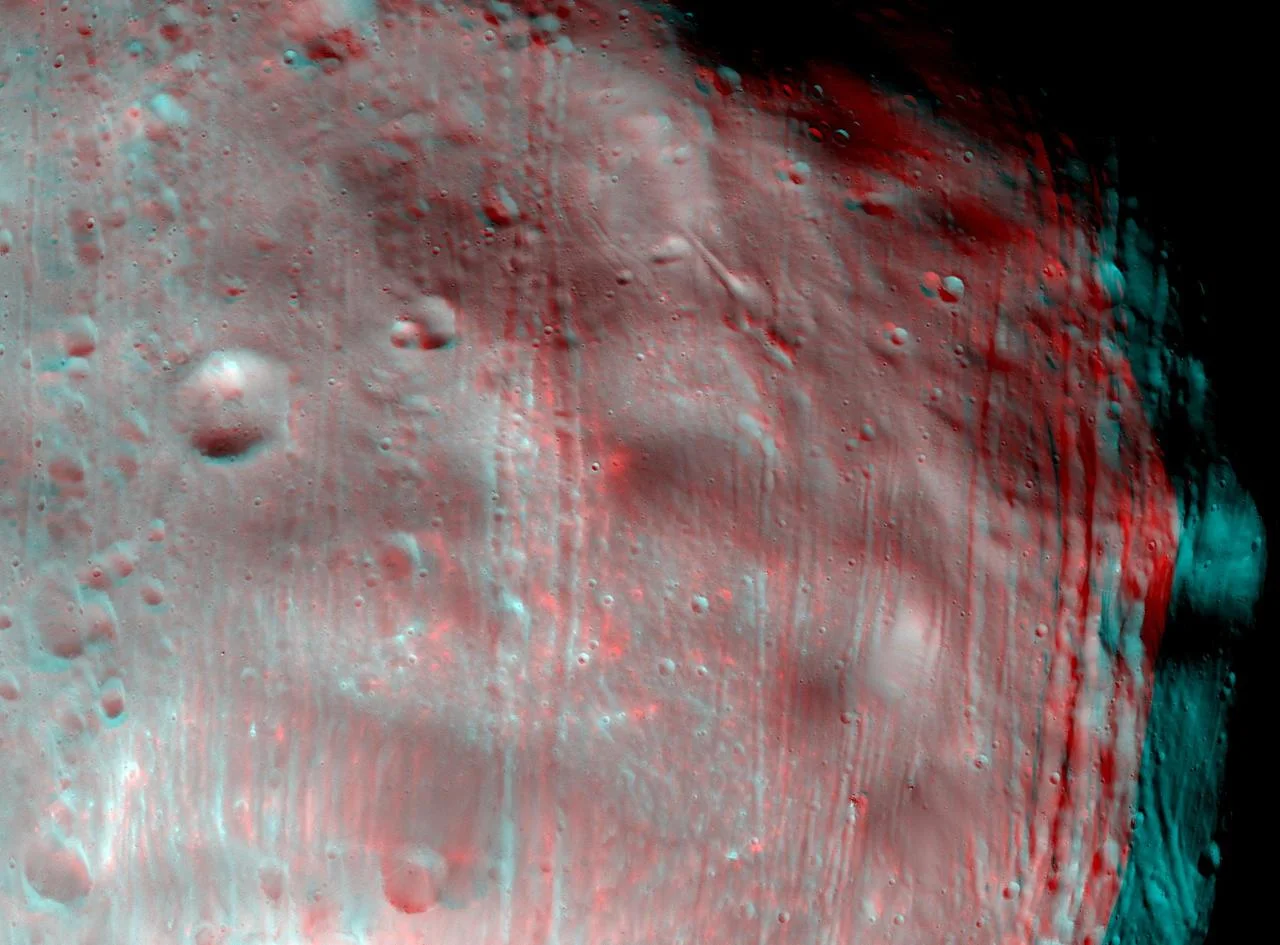
MMX will be the first spacecraft to orbit Phobos, one of Mars’s two tiny moons, and the first to collect and return material from its surface to Earth. While previous missions have visited Mars itself, none have ventured so close to its moons. The mission’s design includes a sampling arm capable of drilling into Phobos’s regolith, sealing the material in a return capsule, and later releasing it for Earth‑based analysis. This will give scientists a rare glimpse of the moon’s composition and clues about the early Solar System.
International Partnership Behind the Mission
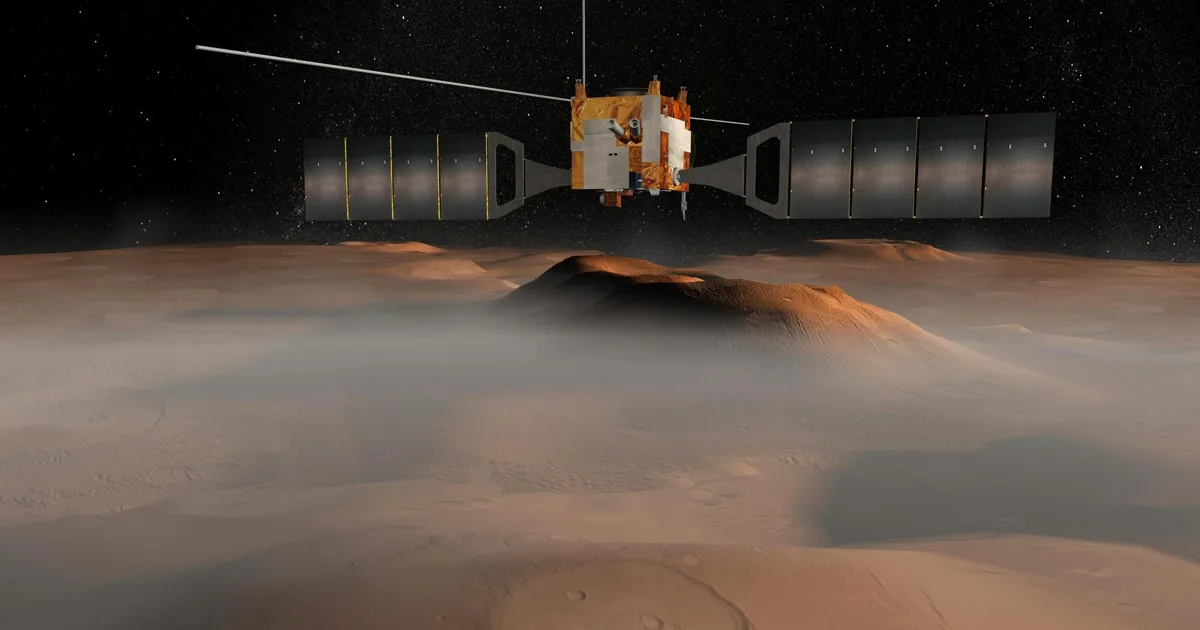
The project is led by Japan’s space agency, JAXA, but it is truly a global effort. NASA (United States), CNES (France), DLR (Germany) and ESA (Europe) all contribute expertise, hardware, and operational support. ESA’s role focuses on deep‑space communications, providing the spacecraft’s high‑gain antenna and ground‑station services via the Estrack network. European scientists are also part of the core science team, planning observations, interpreting instrument data, and eventually studying the returned samples.
Science Goals: From Moon Surface to Planetary History
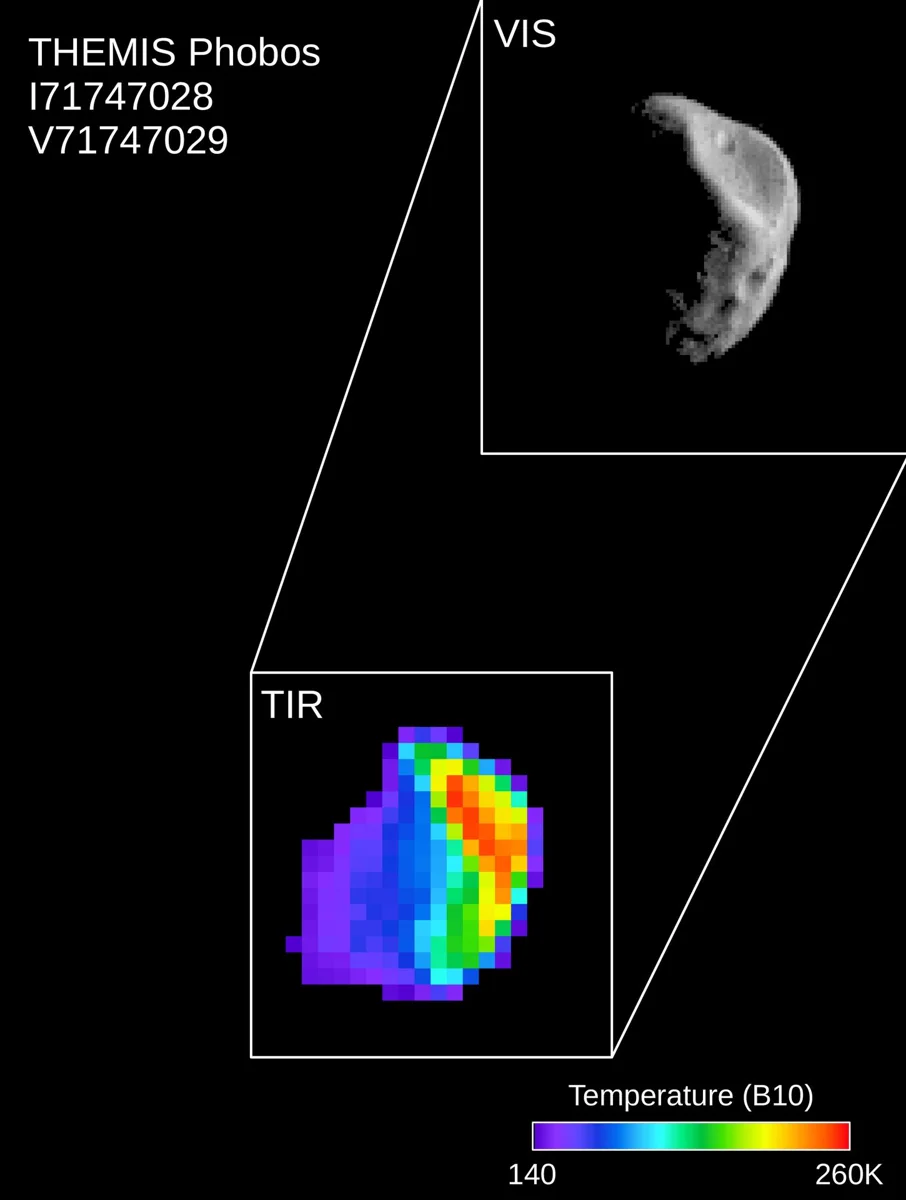
Researchers aim to answer three big questions: 1. Origin of Phobos and Deimos – Are the moons captured asteroids, or did they form from debris after a massive impact on Mars? Analyzing the mineralogy and isotopic signatures of Phobos material will help resolve this debate. 2. Mars‑Moon Interaction – How does Phobos’s low gravity and proximity to Mars affect its surface evolution? High‑resolution imaging and in‑situ measurements will map surface features and detect any dust exchange with Mars’s atmosphere. 3. Solar System Evolution – Primitive material preserved on Phobos may retain records of early Solar System processes, offering a complementary dataset to asteroid sample‑return missions.
The Journey Ahead
After launch, MMX will cruise for several months before entering Mars orbit in early 2027. The spacecraft will perform a series of fly‑bys to fine‑tune its trajectory, then settle into a stable orbit around Phobos. The sampling phase is planned for the summer of 2027, when the moon’s illumination conditions are optimal. Once the sample capsule is sealed, MMX will depart Phobos, head back toward Earth, and release the capsule for a controlled atmospheric entry and recovery.
Why This Matters for Future Exploration
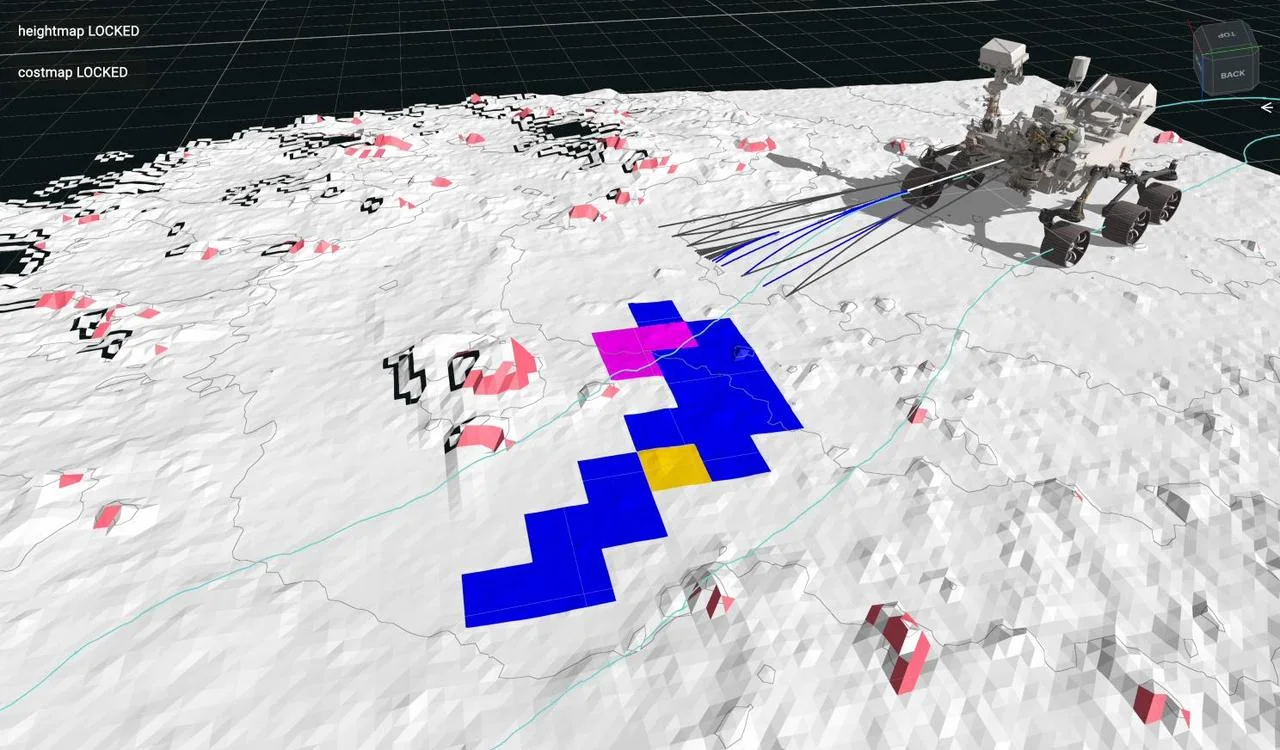
The MMX mission demonstrates how collaborative, multi‑agency projects can achieve milestones that would be daunting for a single nation. The technology developed for low‑gravity sampling and autonomous navigation will inform future missions to small bodies, including potential crewed outposts on Phobos or Deimos. Moreover, the scientific return could reshape our understanding of how planetary moons form—a topic that resonates with the broader goals of planetary protection and sustainable space exploration.
Connecting to Mushroom 2 Mars
Just as MMX aims to bring back samples from a distant moon, Mushroom 2 Mars envisions cultivating fungi in extraterrestrial environments. Both endeavors rely on careful biology, engineering, and international teamwork to turn science fiction into reality.
Sources
This article was prepared with AI assistance from the sources listed above and approved by the Mushroom 2 Mars team before publication.