Part of the guide: Mycology: A Complete Guide to Fungi, Cultivation, and Safety
Omens in the Forest: Mushrooms as Harbingers
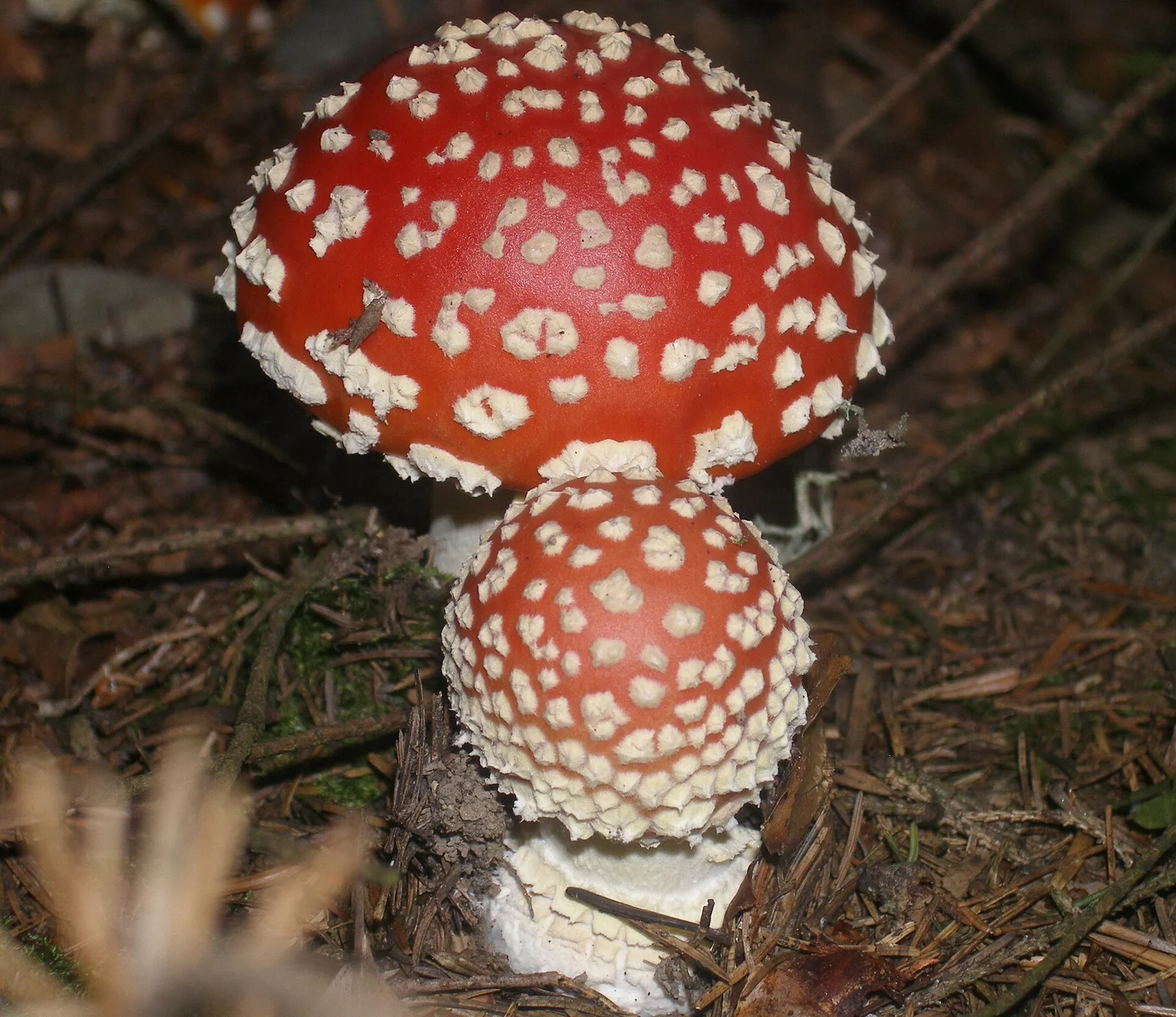
In many agrarian societies, the sudden appearance of certain fungi was read as a sign from the natural world. In parts of Eastern Europe, clusters of fly agaric (Amanita muscaria) that appeared after a heavy rain were taken to predict a good harvest, while a sudden bloom of inky caps (Coprinus atramentarius) was sometimes seen as a warning of impending storms. Anthropologists note that these interpretations often stemmed from the mushrooms’ rapid life cycles, which mirrored the ebb and flow of weather patterns (see Journal of Ethnobiology, 2022). The belief that mushrooms could forecast weather gave farmers a convenient, if informal, tool for planning planting and harvesting activities.
Curses and Bad Luck: When Fungi Turned Malevolent
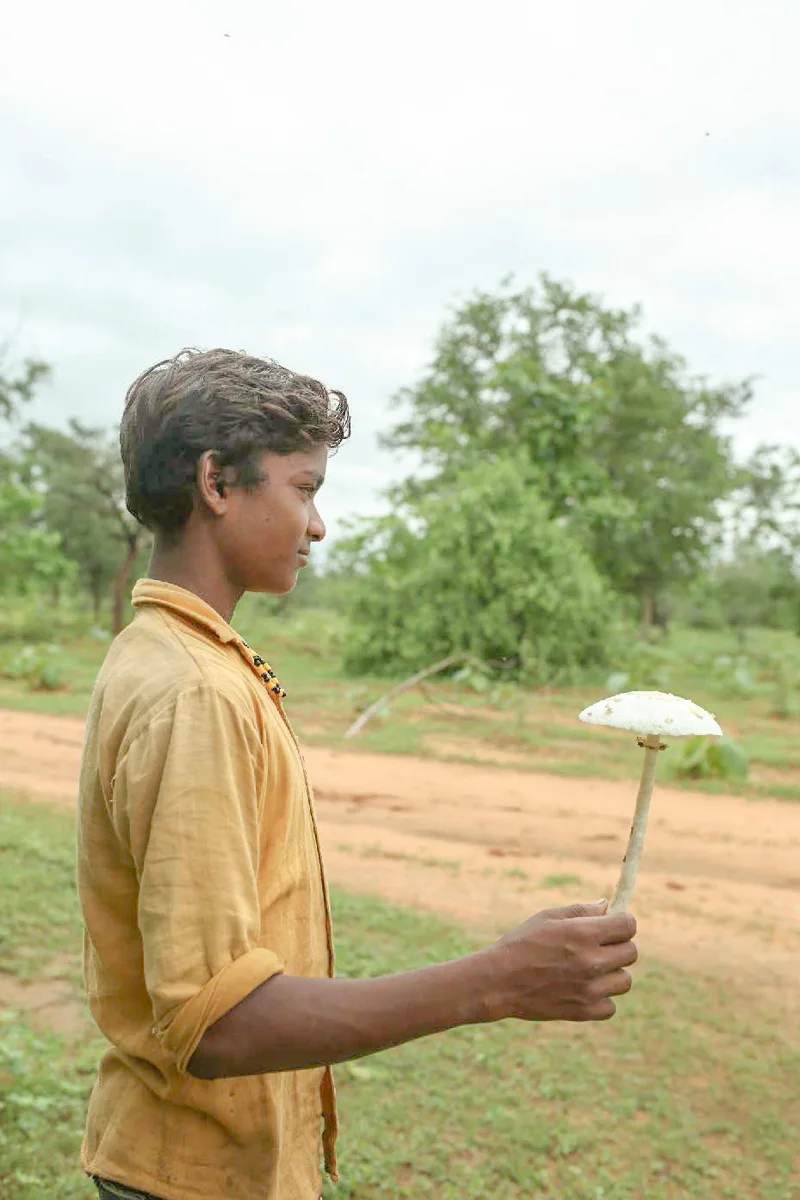
Across the British Isles, a long‑standing taboo warned against picking white‑spotted mushrooms—especially those resembling the death‑cap (Amanita phalloides). Folklore recorded that those who ignored the warning would suffer misfortune, ranging from livestock illness to personal illness, even though the actual toxicity of the mushroom was the real danger. In the Scottish Highlands, the phrase "to bring home a witch's cap" referred to the act of gathering these mushrooms, implying that the picker had invited a curse onto their household (National Museum of Scotland, folklore archive). Similar stories appear in the Appalachian mountains of the United States, where families passed down cautionary tales about “the devil’s hat”—a colloquial name for the death‑cap—emphasizing the moral lesson of respecting nature’s boundaries.
Protective Rituals: Guarding the Harvest and the Home
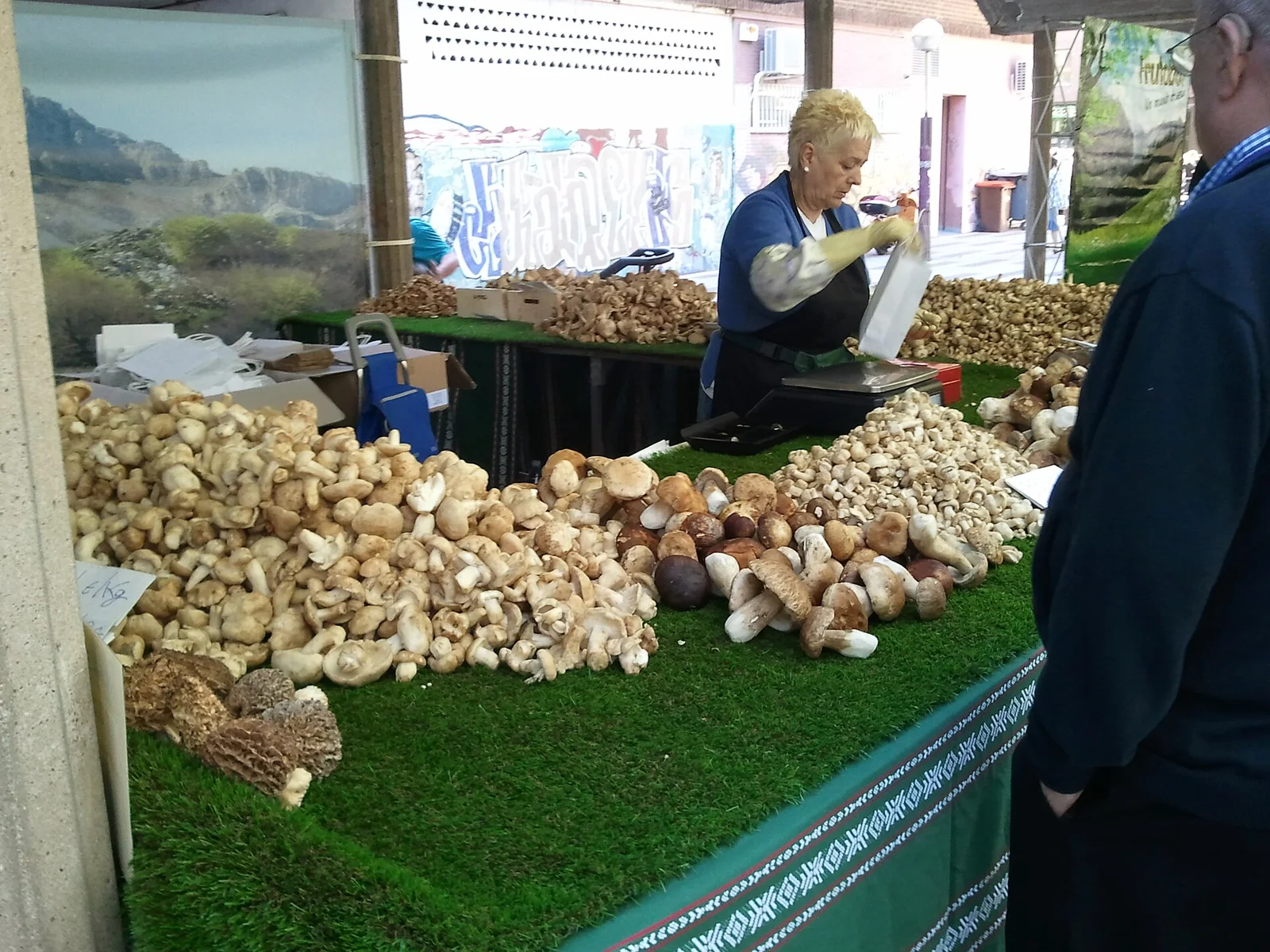
Many rural cultures developed rituals to keep mushroom‑related curses at bay. In the Italian Alps, it was customary to sprinkle salt around the base of a mushroom patch before harvesting. The salt was believed to ward off evil spirits that might otherwise cling to the fungi and follow the picker home. In parts of Japan, harvesters performed a brief bow to the forest deity (kodama) and whispered a short prayer before collecting shiitake or other cultivated mushrooms. The practice, recorded in a 2019 ethnographic study of Shinto forest rites, served both a spiritual function and a practical reminder to harvest responsibly.
Seasonal Taboos: When Not to Pick
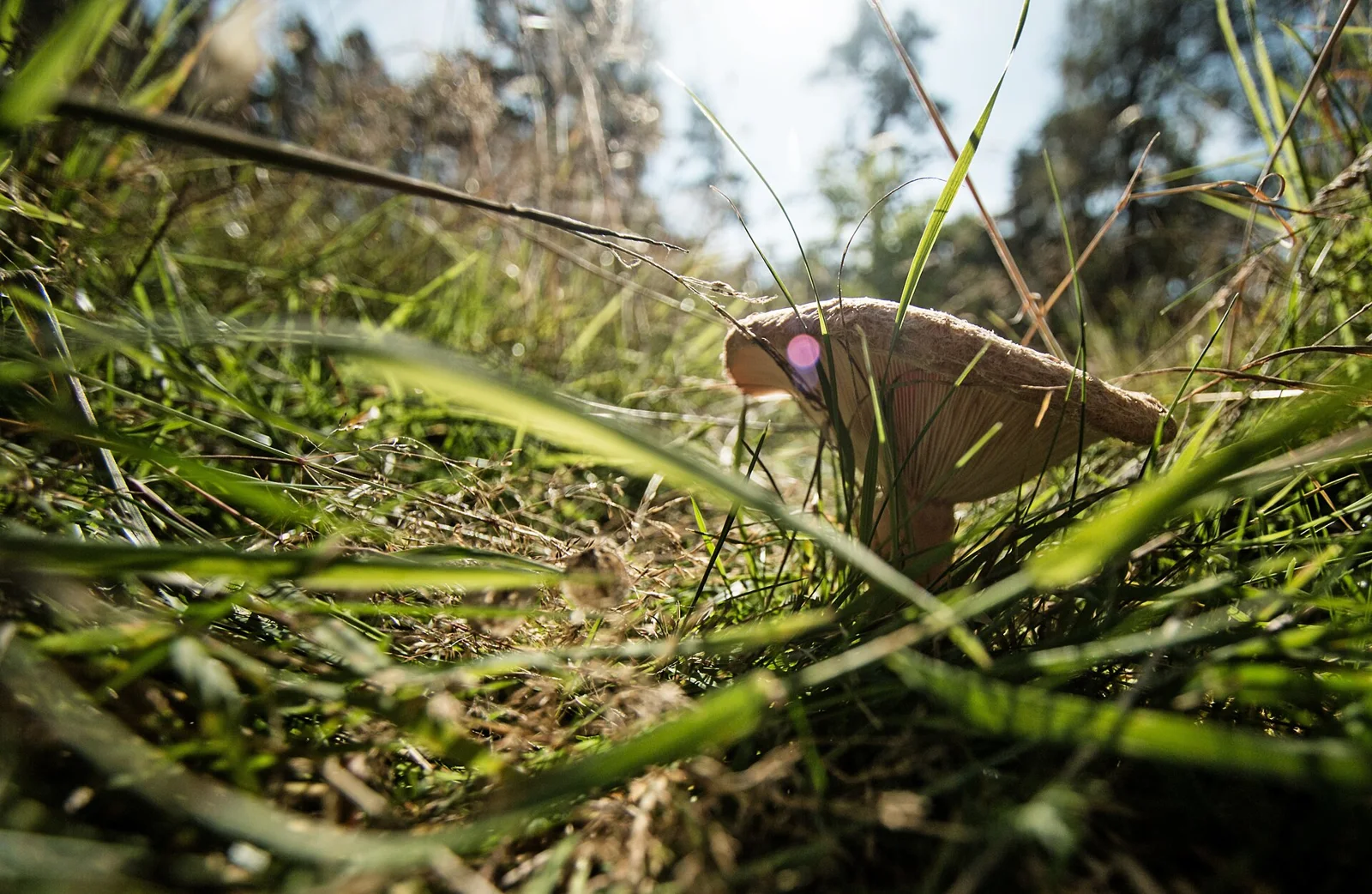
Seasonal restrictions on mushroom gathering are common. In the Baltic states, folklore advises against picking mushrooms during the full moon, claiming that the moon’s light confuses the spirit world and can cause the picker to bring home “night spirits” that cause sleeplessness. Likewise, many Slavic traditions forbid mushroom collection on St. John’s Day (June 24), a day associated with protective fire rituals. The prohibition is linked to the belief that fire spirits roam the forest that night, and disturbing the ground could anger them. While the scientific basis for these taboos is unclear, the timing often coincides with periods when certain poisonous species are most abundant, unintentionally providing a safety net for foragers.
Modern Reflections: From Folklore to Conservation
Today, mycologists and cultural historians are revisiting these superstitions to understand how they shaped sustainable harvesting practices. A 2023 review in Mycological Research suggests that many taboos—such as avoiding mushroom collection during rainy periods or on certain holy days—aligned with times when poisonous species were most likely to appear, thereby reducing accidental poisonings. Moreover, the reverence expressed in protective rituals encourages a respectful relationship with forest ecosystems, a principle echoed in contemporary conservation efforts. By acknowledging the wisdom embedded in these stories, modern mushroom growers can blend cultural heritage with scientific knowledge, fostering both safe foraging and ecological stewardship.
Even on the Red Planet, the spirit of these ancient beliefs could inspire how future colonists tend their fungal farms, reminding them that respect for nature is a universal lesson.
Sources
- Journal of Ethnobiology – Seasonal Mushroom Omens
- National Museum of Scotland – Folklore Archive: Death‑Cap Legends
- Ethnographic Study of Shinto Forest Rites (2019)
- Mycological Research – Folklore and Poisoning Prevention (2023)
This article was prepared with AI assistance from the sources listed above and approved by the Mushroom 2 Mars team before publication.