Part of the guide: Mycology: A Complete Guide to Fungi, Cultivation, and Safety
What Is a Fairy Ring?
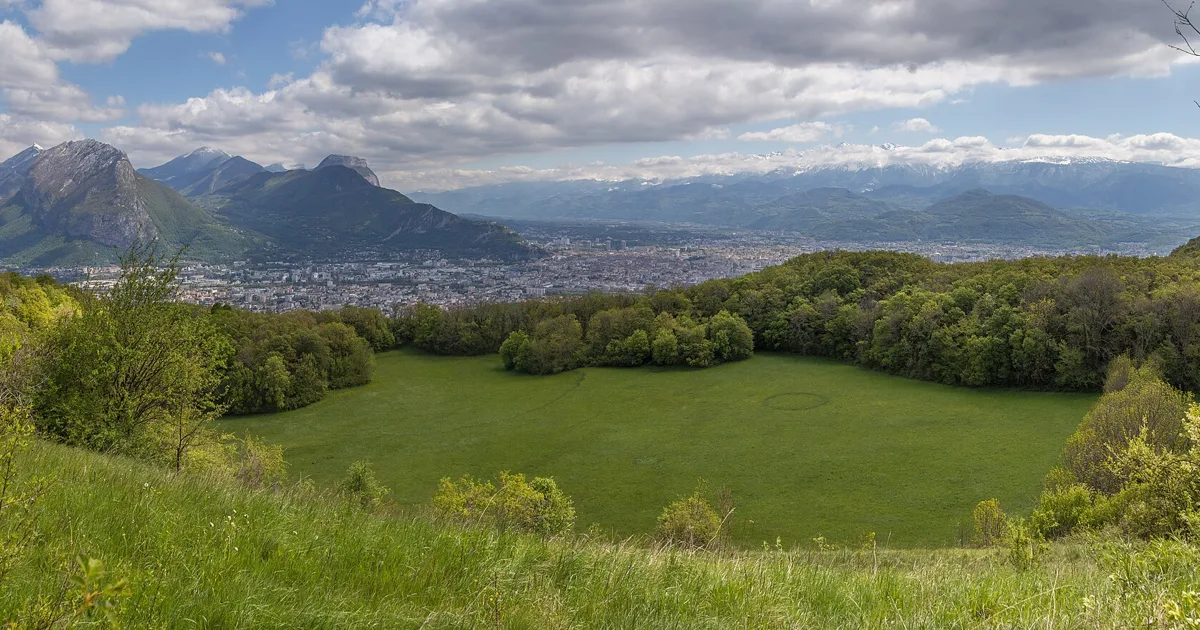
A fairy ring (also called a fairy circle, elf ring or pixie ring) is a naturally occurring ring or arc of mushroom fruiting bodies that appear on the ground. The pattern can be seen in woodlands, grasslands and even rangelands. Apart from the visible mushrooms, the ring is underlain by a network of fungal mycelium – the thread‑like filaments that make up the body of the fungus. Over time the mycelium expands outward, leaving a dead or discoloured centre and a living fringe where the mushrooms emerge. Rings can reach more than 10 metres (33 ft) in diameter and persist for decades or centuries as the fungus continues to grow and search for nutrients.
How Fairy Rings Form
The growth of a fairy ring begins with the mycelium absorbing nutrients from the soil. Enzymes secreted from the tips of the hyphae break down complex organic material into smaller molecules that can be taken up by the fungus. As the mycelium expands outward, the nutrients at the centre become depleted and the central mycelium dies, leaving a bare or differently coloured patch of grass. The living edge of the mycelium then produces the mushroom caps that we recognise as the ring.
Two scientific ideas explain the initial trigger for a ring. One suggests that a single spore lands and germinates, establishing a mycelial colony that later expands outward. A second, based on Japanese research on Tricholoma matsutake, proposes that neighbouring genets (individual fungal individuals) can fuse to form a continuous ring that grows around a common centre. In both cases, the outward movement of the mycelium creates the characteristic circular pattern.
The Soil Story: Necrotic and Lush Zones
Fairy rings often create visible changes in the vegetation around them. In dry years a necrotic zone may appear where grass has withered. This happens because the mycelium coats the roots, limiting the plants’ ability to take up water and nutrients. Conversely, some fungi release hormone‑like compounds called gibberellins that stimulate rapid, luxuriant grass growth just outside the dead zone. The balance between these effects depends on the species involved and the local soil conditions.
Long‑term observations in Dorset, England, show that rabbit activity can influence ring dynamics. Rabbits keep grass short and add nitrogen‑rich droppings, which benefits the fungi that need more nitrogen than the grass. As a ring expands to about 6 metres (20 ft) across, rabbit droppings can replenish nitrogen in the centre, allowing a second inner ring to form.
Types of Fairy Ring Fungi
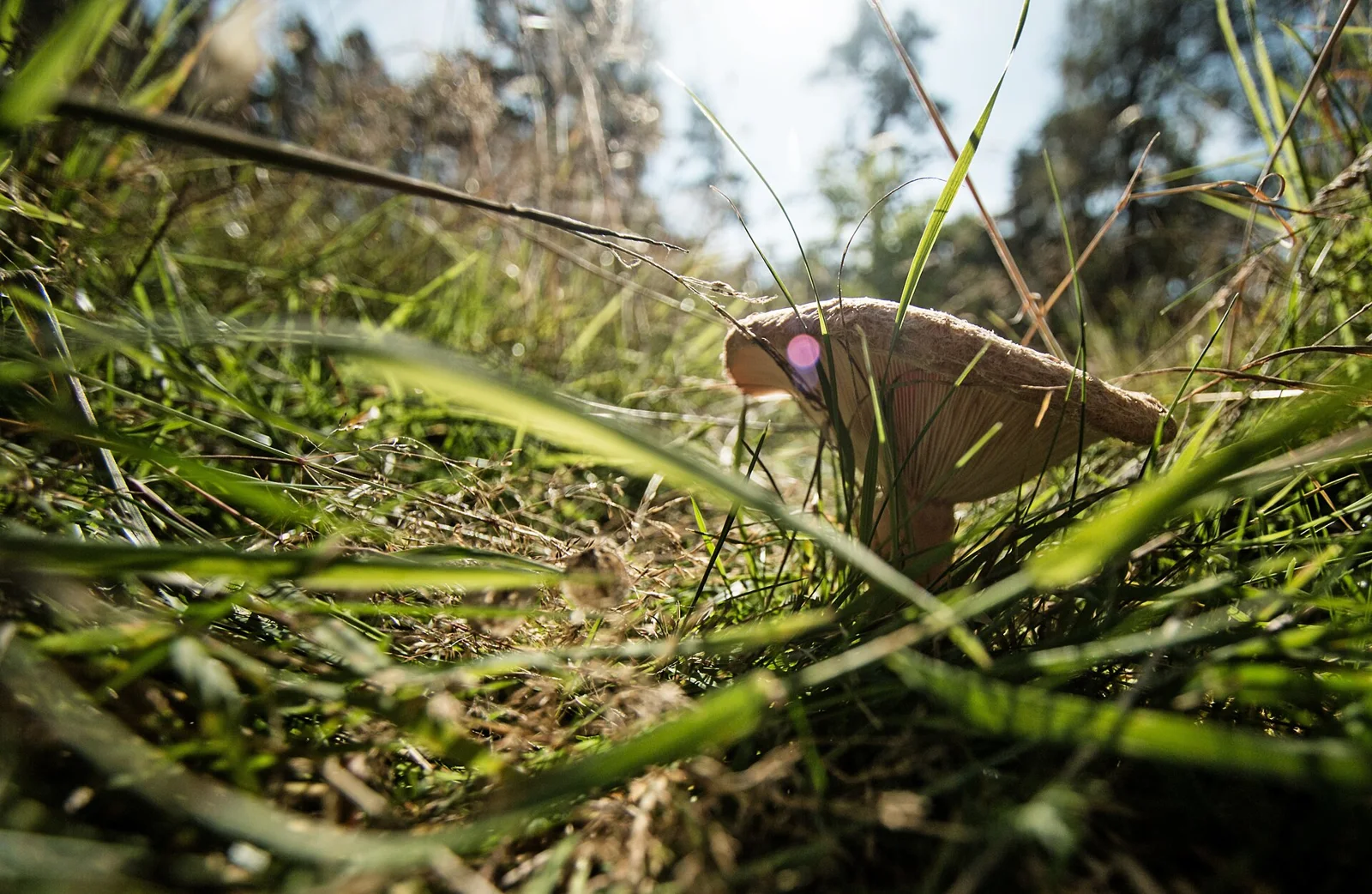
Fairy rings fall into two broad ecological categories. Tethered rings occur in woods and are formed by mycorrhizal fungi that live in a symbiotic relationship with tree roots. Free rings appear in open habitats and are produced by saprotrophic fungi that decompose dead organic matter. The effect on the surrounding grass varies: for example, Calvatia cyathiformis often encourages greener grass, whereas Leucopaxillus giganteus can cause the grass to die back.
Species That Make the Circles
Around sixty mushroom species are known to create fairy rings. The most familiar edible example is the Scotch bonnet (Marasmius oreades), often called the fairy‑ring champignon. Some of the world’s largest rings have been recorded: near Belfort in France, Infundibulicybe geotropa formed a ring with a radius of roughly 300 metres (980 ft) that is estimated to be over 700 years old. In the South Downs of England, Calocybe gambosa has produced similarly massive, centuries‑old rings.
Folklore and Cultural Significance
Fairy rings have long captured human imagination. In many European languages the names translate to “witches’ circles” or “elf rings.” French folklore calls them ronds de sorcières, while German tradition refers to them as Hexenringe, linking the circles to witches dancing on Walpurgis Night. Dutch superstition once claimed the rings marked where the Devil set his milk churn, and in Tyrol the circles were said to be the fiery tails of dragons. Whether viewed as ominous omens or lucky signs, these myths reflect the striking and mysterious nature of the phenomenon.
Observing Fairy Rings Safely
If you stumble upon a fairy ring during a walk, it can be a wonderful photo opportunity, but it is important to remember that not all ring‑forming mushrooms are safe to eat. Even well‑known edible species can have toxic look‑alikes. Always consult a qualified mycologist or reliable field guide before handling or consuming any wild mushrooms. The rings themselves are a reminder of the hidden fungal networks that sustain ecosystems, and they deserve respect as living parts of the landscape.
From Earth to Mars
Understanding how fungal mycelium spreads and modifies soil in fairy rings helps scientists imagine how mushrooms might be cultivated on Martian regolith, turning barren ground into a living substrate for future space farms.
Sources
This article was prepared with AI assistance from the sources listed above and approved by the Mushroom 2 Mars team before publication.