Part of the guide: Mycology: A Complete Guide to Fungi, Cultivation, and Safety
What Is the Death Cap?
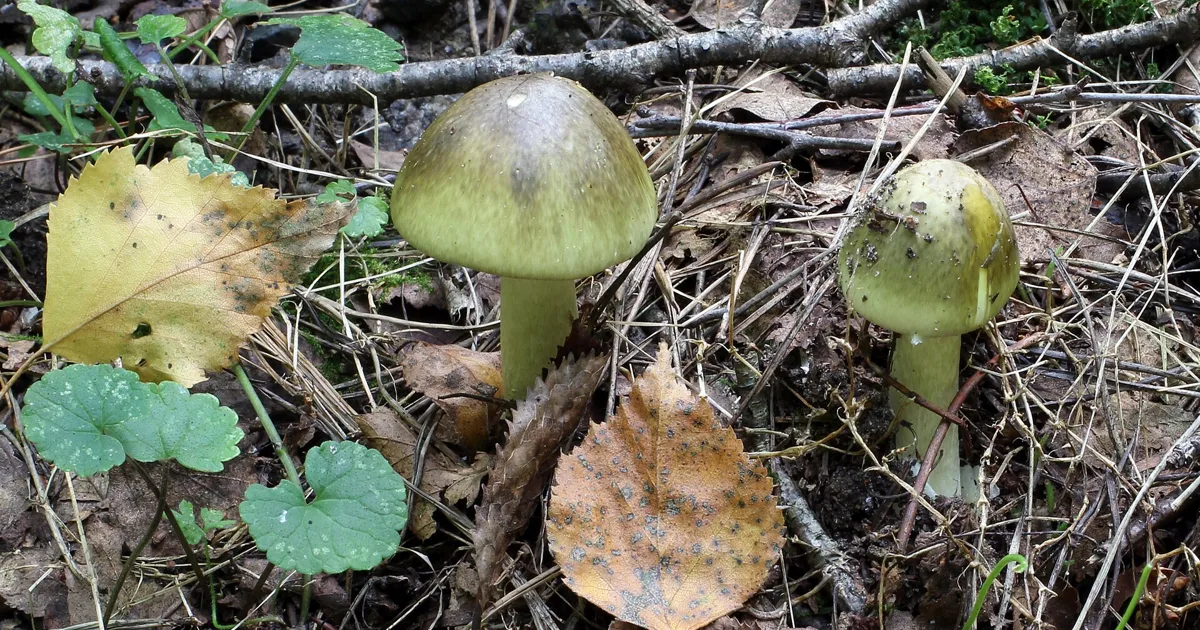
Amanita phalloides, commonly called the death cap, is a basidiomycete fungus notorious for its lethal toxicity. Native to Europe, it has spread to other continents through the movement of oak, chestnut, and pine trees. The mushroom produces large fruiting bodies in summer and autumn, with caps that range from pale‑green to olive‑green, bronze, or even white in rare forms. Because cap colour varies, it cannot be relied upon for safe identification.
Key Features for Accurate Identification
When examining a mushroom in the field, look for these diagnostic traits of A. phalloides: - Cap: 5–15 cm across, initially rounded, becoming flatter with age; often sticky when wet and easy to peel. - Gills: Crowded, white, and free from the stem. - Stem (stipe): White, 8–15 cm long, with a faint ring (annulus) about 1–1.5 cm below the cap. - Volva: A sac‑like, white structure at the base, sometimes hidden under leaf litter. Digging around the base to expose it can be decisive. - Spore print: Pure white, a common feature among many Amanita species. - Odor: Young specimens may emit a faint, honey‑sweet scent that later turns sickly‑sweet and unpleasant. Photographs that clearly show the volva and annulus are especially helpful for confirming identity.
Why the Death Cap Is So Dangerous
The mushroom contains two major toxin families: amatoxins (including α‑amanitin) and phallotoxins. These cyclic peptides are thermostable, meaning cooking, freezing, or drying does not diminish their potency. Even a half‑cap can deliver a lethal dose of α‑amanitin, which impairs RNA polymerase II, leading to severe liver and kidney failure. Because the toxins are not destroyed by heat, traditional cooking methods offer no protection.
Common Look‑Alikes and How to Differentiate Them
The death cap’s appearance overlaps with several edible species, raising the risk of accidental ingestion: - Caesar’s mushroom (Amanita caesarea): Bright orange‑red cap, yellow gills, and a distinctive, non‑sticky surface. - Straw mushroom (Volvariella volvacea): Usually found in cultivated settings, has a smooth, white cap and a volva that is more sack‑like and less ragged. - Paddy straw mushroom (Volvariella bombycina): Similar to V. volvacea but with a more delicate texture. Key differences include cap colour, surface texture, and the nature of the volva. When in doubt, treat the specimen as poisonous and leave it untouched.
First‑Aid Basics for Suspected Poisoning
If someone may have consumed a death cap, seek emergency medical care immediately. Early intervention can improve outcomes, but the toxins act quickly and are not neutralized by vomiting or activated charcoal. Professional treatment often involves aggressive hydration, liver‑protective agents, and, in severe cases, liver transplantation. Remember, lay‑person measures cannot replace hospital care.
Safe Foraging Guidelines
- Never rely on a single characteristic – confirm multiple features (cap, gills, volva, smell).
- Carry a field guide or use a reputable identification app that includes high‑quality photos of the volva.
- Avoid foraging near non‑native oak or chestnut plantings where death caps are more likely to have been introduced.
- Leave any mushroom that you cannot positively identify in its habitat; it’s better to miss an edible find than to risk a fatal mistake.
- Educate fellow foragers about the dangers of amatoxin‑containing species and the importance of thorough identification.
A Note on the Broader Context
While the death cap remains a sobering reminder of nature’s power, the knowledge gained from studying its toxins informs medical research and safety protocols worldwide. For mushroom enthusiasts, mastering safe identification practices ensures that foraging stays a joyful and responsible activity. And who knows? One day the careful study of fungal biology might even help us grow safe, nutritious mushrooms on Mars.
Sources
This article is not a foraging or identification guide. Many edible mushrooms have deadly look-alikes. Never eat a wild mushroom unless an expert has identified it in person.
This article was prepared with AI assistance from the sources listed above and approved by the Mushroom 2 Mars team before publication.