Part of the guide: Mycology: A Complete Guide to Fungi, Cultivation, and Safety
What the Destroying Angel Looks Like
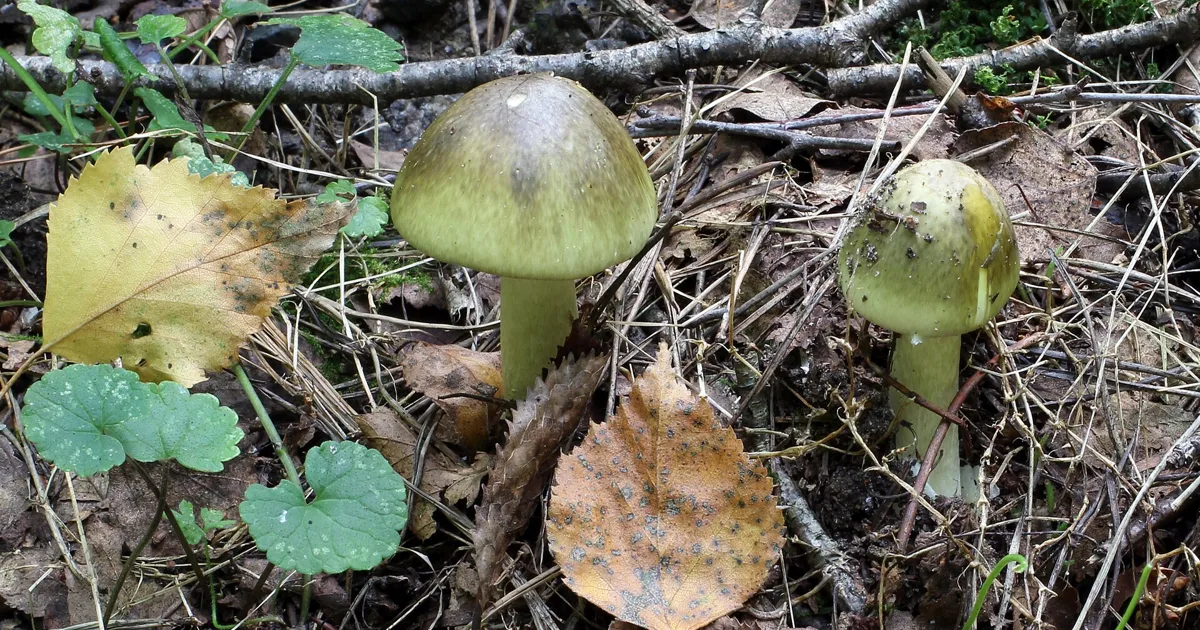
The destroying angel group includes several all‑white Amanita species—A. virosa in Europe, A. bisporigera in eastern North America, and A. ocreata in the west. Their caps range from 5 – 12 cm across and can be uniformly white or show a slightly darker center. Key field marks are: * Free gills that do not touch the stalk * A white stalk (stipe) 7.5 – 20 cm long, often with a thin ring (annulus) where the partial veil broke * A volva at the base—a cup‑ or sack‑shaped remnant of the universal veil that surrounded the young mushroom * White, smooth cap surface that may have removable patches of veil material These four traits together are a reliable “death‑cap‑and‑destroying‑angel” signature. If any one is missing, the mushroom is likely not a member of this deadly group.
Where They Grow
All Amanita species form ectomycorrhizal bonds with tree roots, so you’ll find destroying angels at the edges of woodlands, in grassy clearings, or on lawns near suitable host trees. In North America, A. bisporigera often associates with oaks and conifers, while European A. virosa appears under a broader mix of hardwoods. They usually appear singly or in small clusters, emerging in late summer to early autumn.
Why They Are So Dangerous
The lethal power of destroying angels comes from amatoxins, a family of cyclic peptides that block RNA polymerase II and III. This halts protein synthesis in liver and kidney cells, leading to irreversible organ damage. Symptoms such as vomiting, abdominal cramps, delirium, and diarrhea typically emerge 5 – 24 hours after ingestion—by then the toxins have already been absorbed. Even half a cap can be fatal without prompt medical care. Clinical reports note that intensive treatments—including fluid replacement, activated charcoal, IV penicillin, hemodialysis, and specific antidotes like silibinin—can improve outcomes, but prevention remains the safest strategy.
Common Misidentifications
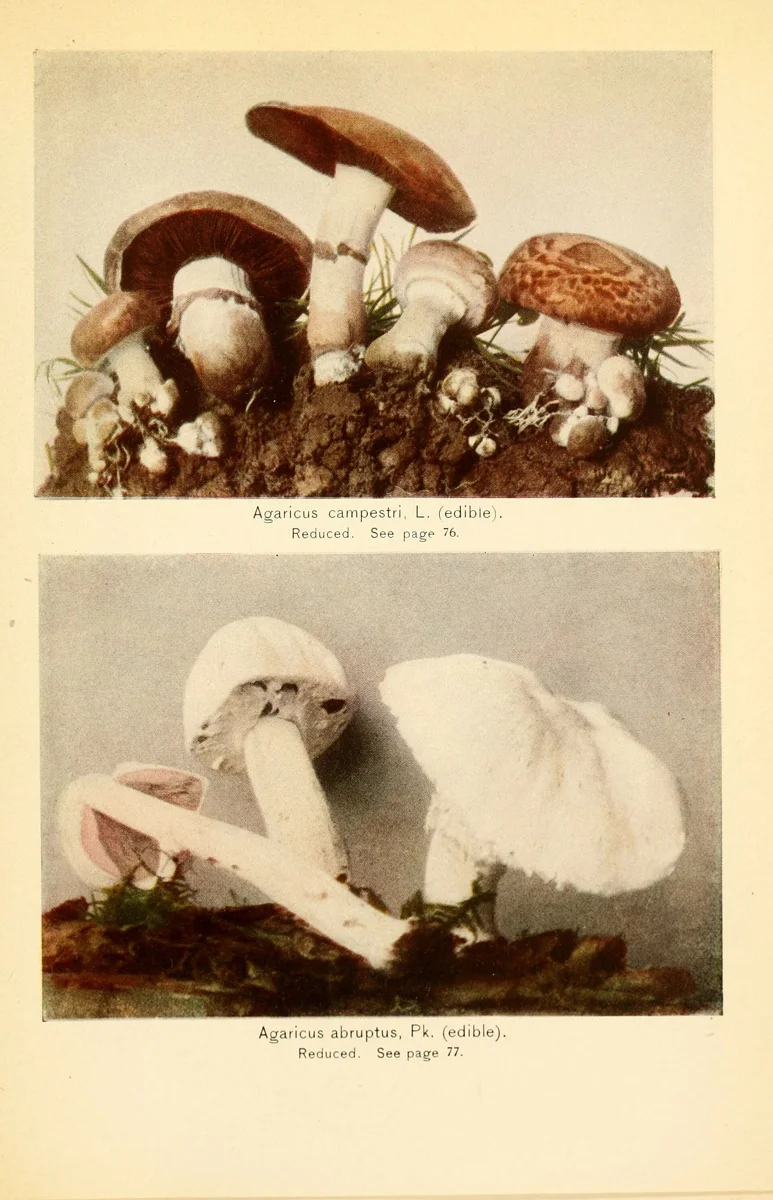
Because destroying angels are pure white, they are easily confused with edible species: * Button mushroom (Agaricus bisporus) – has pink‑brown gills that turn chocolate brown with age and lacks a volva. * Meadow mushroom (Agaricus campestris) – also has brownish gills and a distinct, fleshy ring. * Horse mushroom (Agaricus arvensis) – larger, with a scaly cap and brown gills. * Puffballs – immature destroying angels are still enclosed in their universal veil and may look puffball‑like. A simple test is to slice any puffball‑shaped find in half; a true puffball will be solid white inside, while an Amanita will reveal the developing cap and gills. Mushroom hunters stress the importance of learning these differences before picking any white‑gilled mushroom.
Safe Foraging Practices
- Carry a field guide that includes clear photos of the volva, ring, and gill attachment.
- Never rely on taste; even a tiny bite of a destroying angel can deliver a lethal dose.
- Slice puffball‑looking specimens longitudinally to confirm internal structure.
- Leave any white mushroom that matches the four key traits in the ground. When in doubt, consult an expert mycologist or a local foraging club.
- Document your finds with photos of the cap, gills, stalk, ring, and base. This record can help you and others verify identification later.
From Earth to Mars
Understanding the deadly traits of wild fungi like the destroying angel helps us design safer, controlled mushroom cultivation systems—an essential step for future food production on Mars.
Sources
This article is not a foraging or identification guide. Many edible mushrooms have deadly look-alikes. Never eat a wild mushroom unless an expert has identified it in person.
This article was prepared with AI assistance from the sources listed above and approved by the Mushroom 2 Mars team before publication.