The Challenge of Eating in Space
Astronauts need meals that are nutritious, easy to digest, and tasty, while also fitting the constraints of a spacecraft. In microgravity, crumbs can float and interfere with equipment, so foods must stay contained. Weight is at a premium, so every gram counts, and meals must stay safe for months without refrigeration. These demands shape the way space food is designed, processed, and packaged.
Main Categories of Space Food
Space agencies sort meals into several groups based on how they are prepared and stored:
- Rehydratable (R) foods – Most common on the International Space Station (ISS). Items such as soups, stews, and pasta are freeze‑dried and then rehydrated with hot water before eating.
- Thermostabilized (T) foods – Also called retort foods; they are heat‑processed in sealed pouches or cans to destroy microbes. Examples include beef stew and chicken curry.
- Intermediate Moisture (IM) foods – Contain enough water to stay edible but not enough to spoil quickly. Beef jerky and sausage fall into this class.
- Natural Form (NF) foods – Shelf‑stable snacks like nuts, granola bars, and cookies that can be eaten straight from the package.
- Fresh Foods (FF) – Delivered on resupply flights, these include fruits, vegetables, and tortillas that must be consumed within a few days to avoid spoilage. They serve as a morale boost for crews on long missions.
- Beverages (B) – Vacuum‑sealed pouches hold coffee, tea, fruit drinks, and water. Powdered creamer and sugar can be added to suit personal taste.
Each type meets the overarching goals of nutrition, safety, and convenience while minimizing waste and preparation time.
Processing Techniques That Make Meals Space‑Ready
To meet the strict requirements of space travel, food undergoes several specialized processes:
- Freeze‑drying removes water by sublimation, dramatically cutting weight and extending shelf life. The resulting crumbs are sealed in airtight pouches, and astronauts add hot water to restore texture.
- Irradiation uses ionizing radiation to sterilize items such as beef steak, allowing them to stay safe without refrigeration. NASA has a special exemption from the U.S. FDA for this method.
- Retort heating (thermostabilization) cooks food at high temperatures inside sealed containers, killing microbes and enzymes that could cause spoilage.
- Osmotic drying and heat drying are other dehydration methods that reduce water content while preserving flavor.
These processes also help keep the food lightweight and reduce the need for extensive cleaning—critical in a confined, zero‑gravity environment.
Packaging: Light, Secure, and Multi‑Purpose
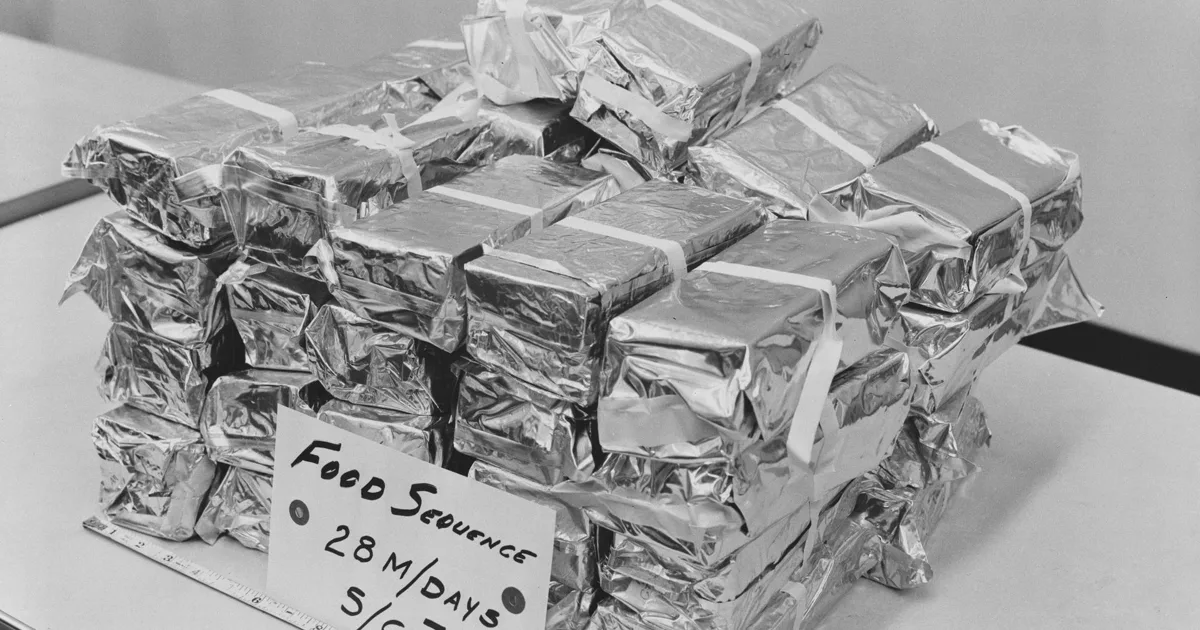
Packaging in space serves three core functions: preservation, containment, and usability. Materials are chosen for low mass and durability. Common formats include:
- Retort pouches – Flexible, heat‑stable bags used for thermostabilized meals.
- Freeze‑dry pouches – Vacuum‑sealed to protect against moisture and oxygen.
- Cans and tins – Frequently used by the Russian program; they can be heated electrically and opened with a simple tool.
- Tortilla packs – Tortillas replace traditional bread because they produce no crumbs, making them ideal for microgravity.
Labels feature bar codes and bilingual instructions (English and Russian) to track each astronaut’s intake and ensure correct preparation.
Drinks in Microgravity: From Coffee to Carbonated Beverages
Beverages are delivered in sealed pouches that astronauts can squeeze into a straw. Coffee and tea are popular, often with powdered creamer and sugar. Early attempts at carbonated drinks revealed a problem: without gravity, gas does not separate from liquid in the stomach, leading to “wet burping,” a form of nausea. Consequently, fizzy drinks are rarely used, though special dispensers have flown Coca‑Cola and Pepsi on shuttle missions.
Research into low‑carbonation beers showed that adjusting carbonation levels can reduce wet burps, and experiments with barley grown on the ISS demonstrated that space‑grown crops can be processed into familiar products back on Earth.
Looking Ahead: Mushrooms as a Future Space Ingredient
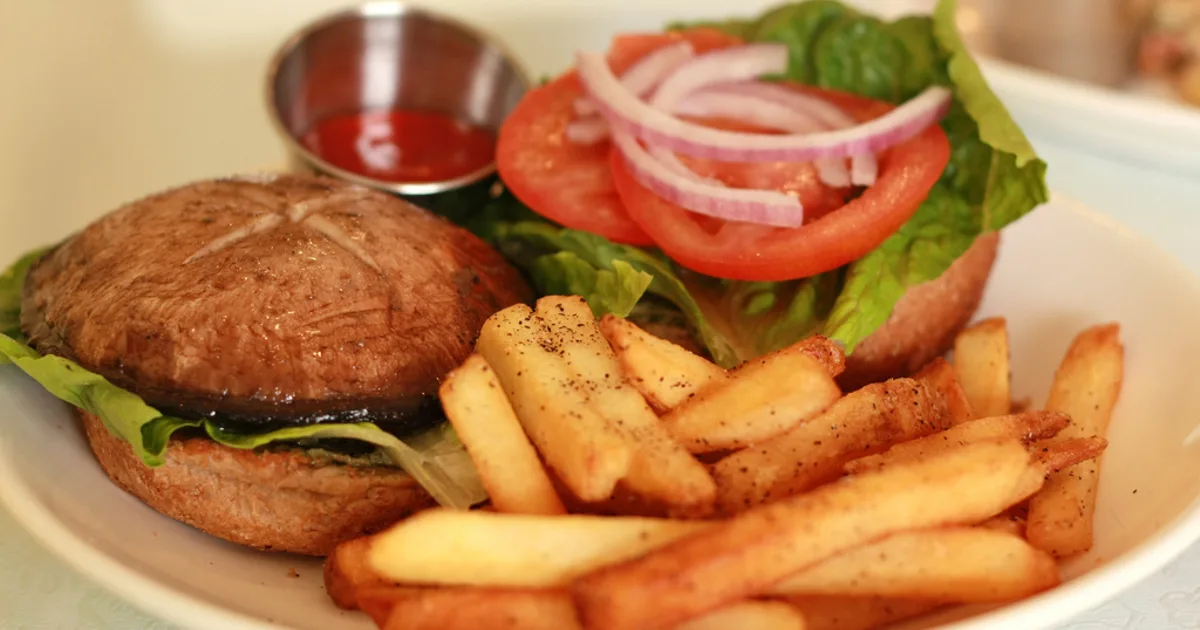
Mushrooms are already being cultivated on the ISS as a fresh, protein‑rich food source. Their low water requirement and ability to grow in compact trays make them a promising addition to space menus. In the coming years, we may see freeze‑dried mushroom soups or rehydratable mushroom risotto alongside traditional staples, bringing a taste of Earth’s forests to the stars and supporting the goal of sustainable food production for missions to Mars.
Space food continues to evolve, balancing nutrition, safety, and the unique challenges of weightlessness. As we push farther into the solar system, innovative ingredients like mushrooms could become a staple for the next generation of explorers.
Sources
This article was prepared with AI assistance from the sources listed above and approved by the Mushroom 2 Mars team before publication.