What Martian Soil Really Is
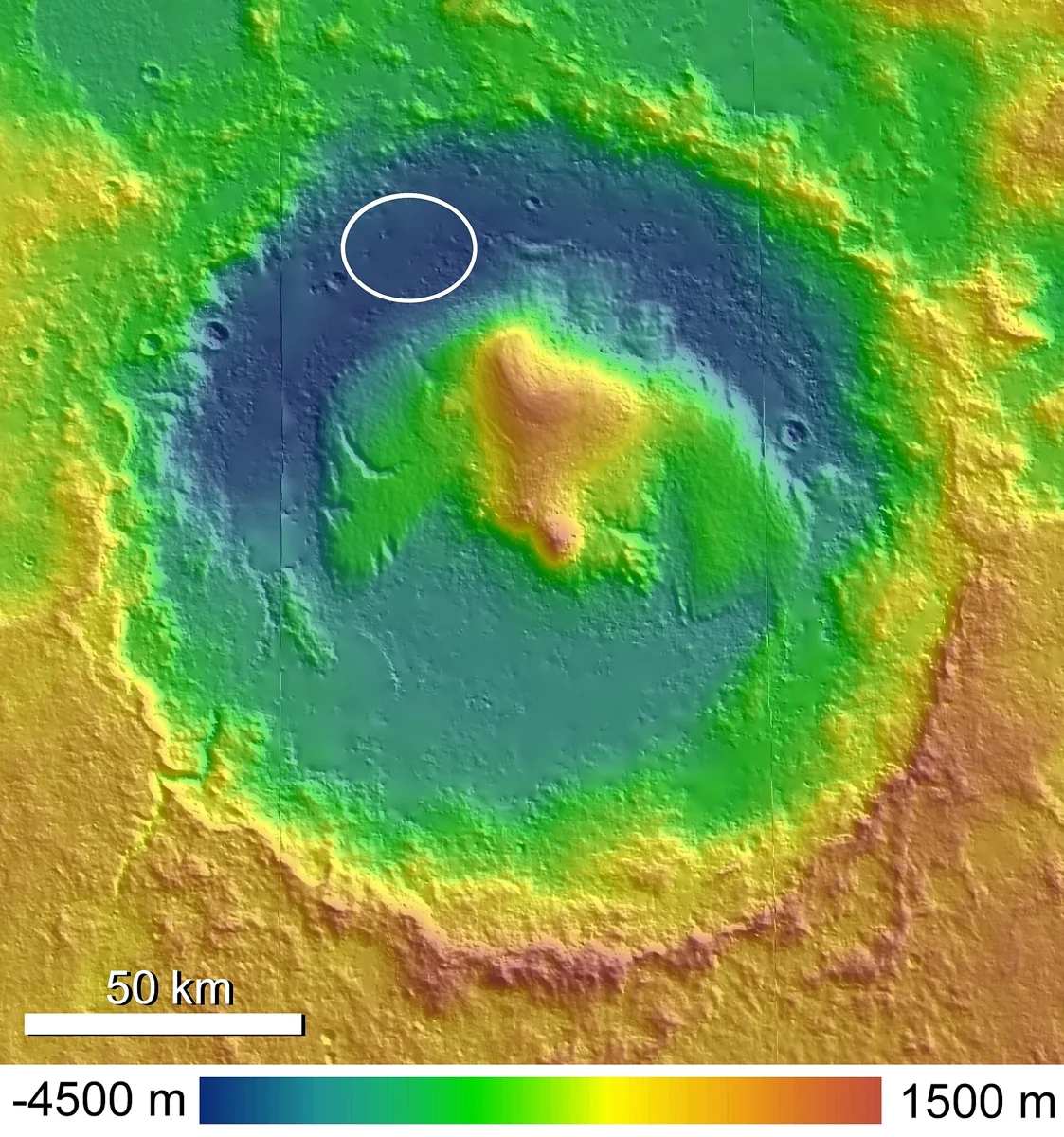
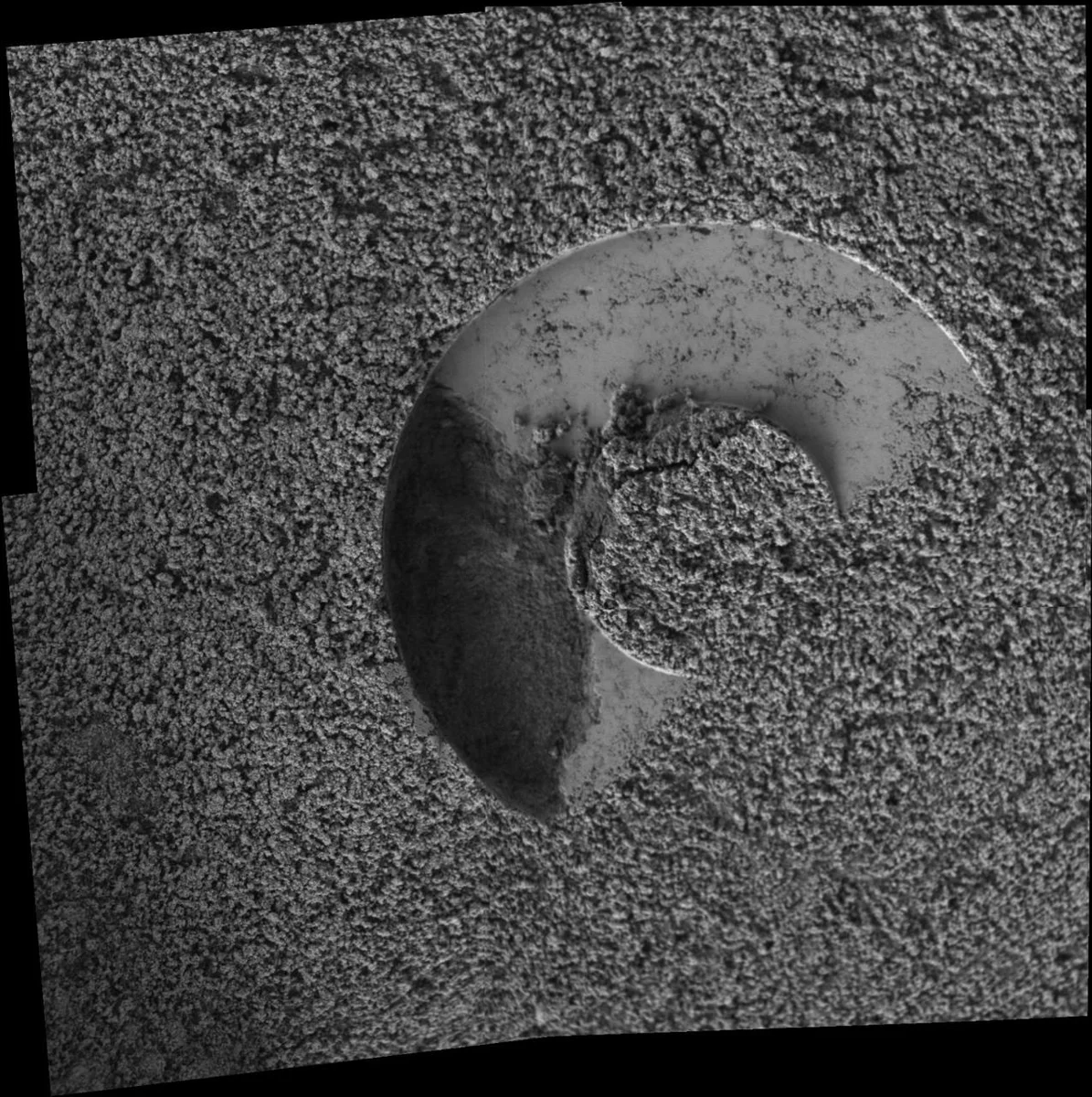
Mars is covered by a layer of loose material that scientists call regolith. When we speak of "soil" on the Red Planet we usually mean the finer portion of that regolith – the sand‑sized grains, dust, and tiny rock fragments that can be blown by the wind. Unlike Earth’s soils, there is no organic matter mixed in, because no life has been confirmed on the surface. The definition used by planetary researchers focuses on the material’s ability to be moved by wind and its chemical weathering, rather than on any biological content.
How Martian Soil Differs From Earth’s
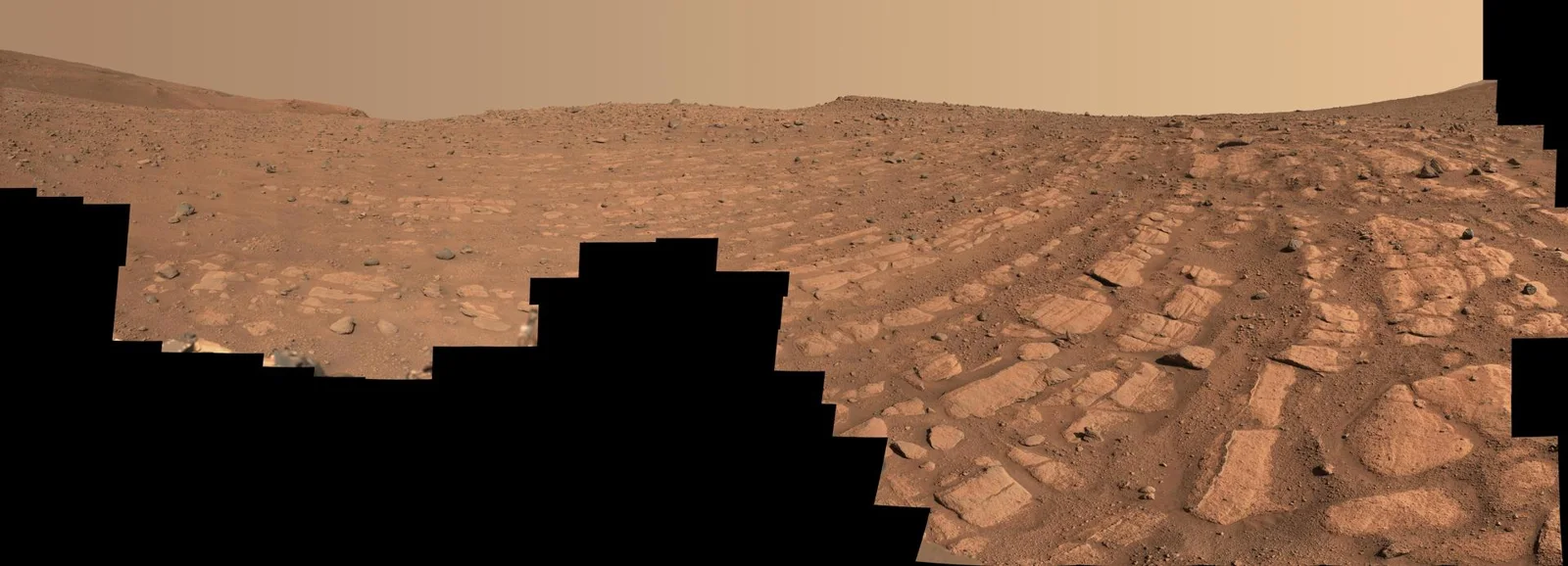
On our planet, soil is a living ecosystem that contains microbes, plant roots, and decaying matter. Martian soil lacks these components and is instead a chemically altered blanket of minerals. It includes features such as dunes, ripples, and small concretions that form when wind reshapes the fine particles. The grain size distribution ranges from dust (under 30 µm) to sand‑sized particles, but the bulk of the material is far more inert than terrestrial soils.
The Perchlorate Problem
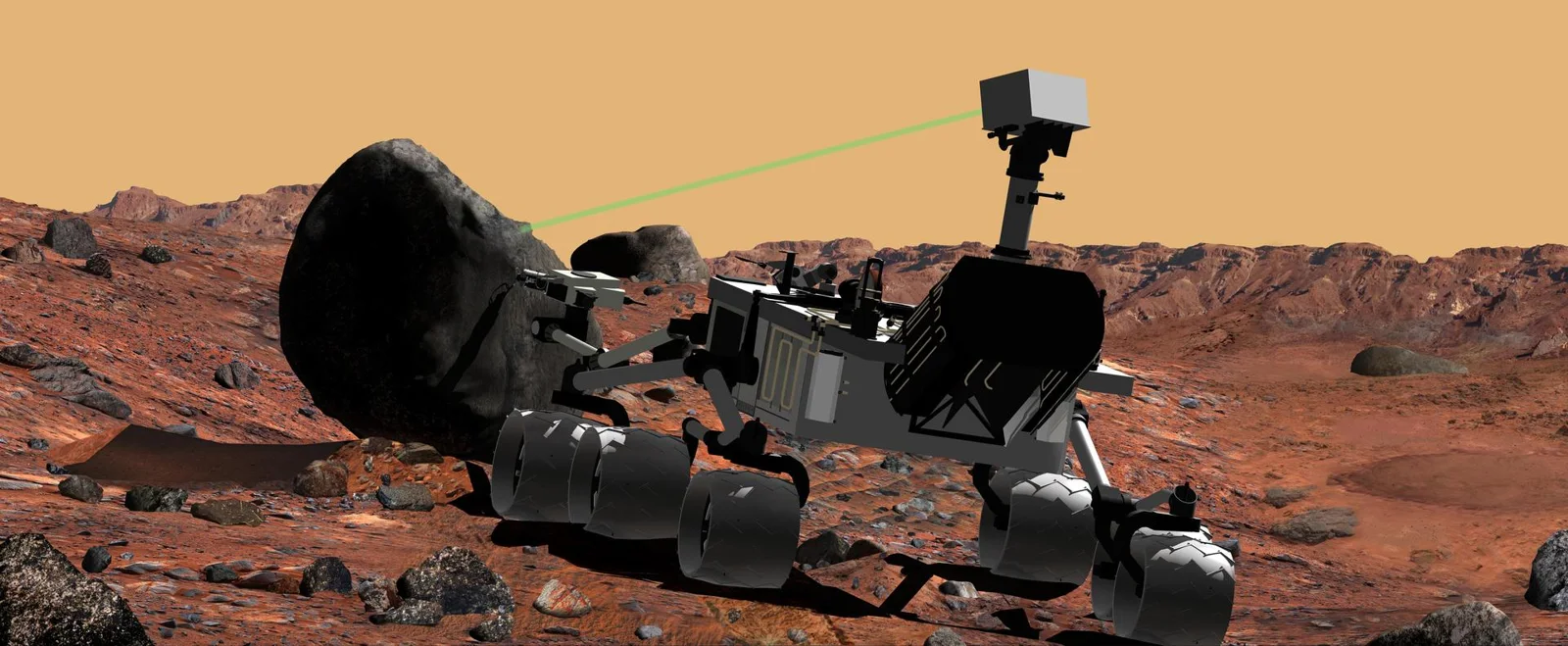
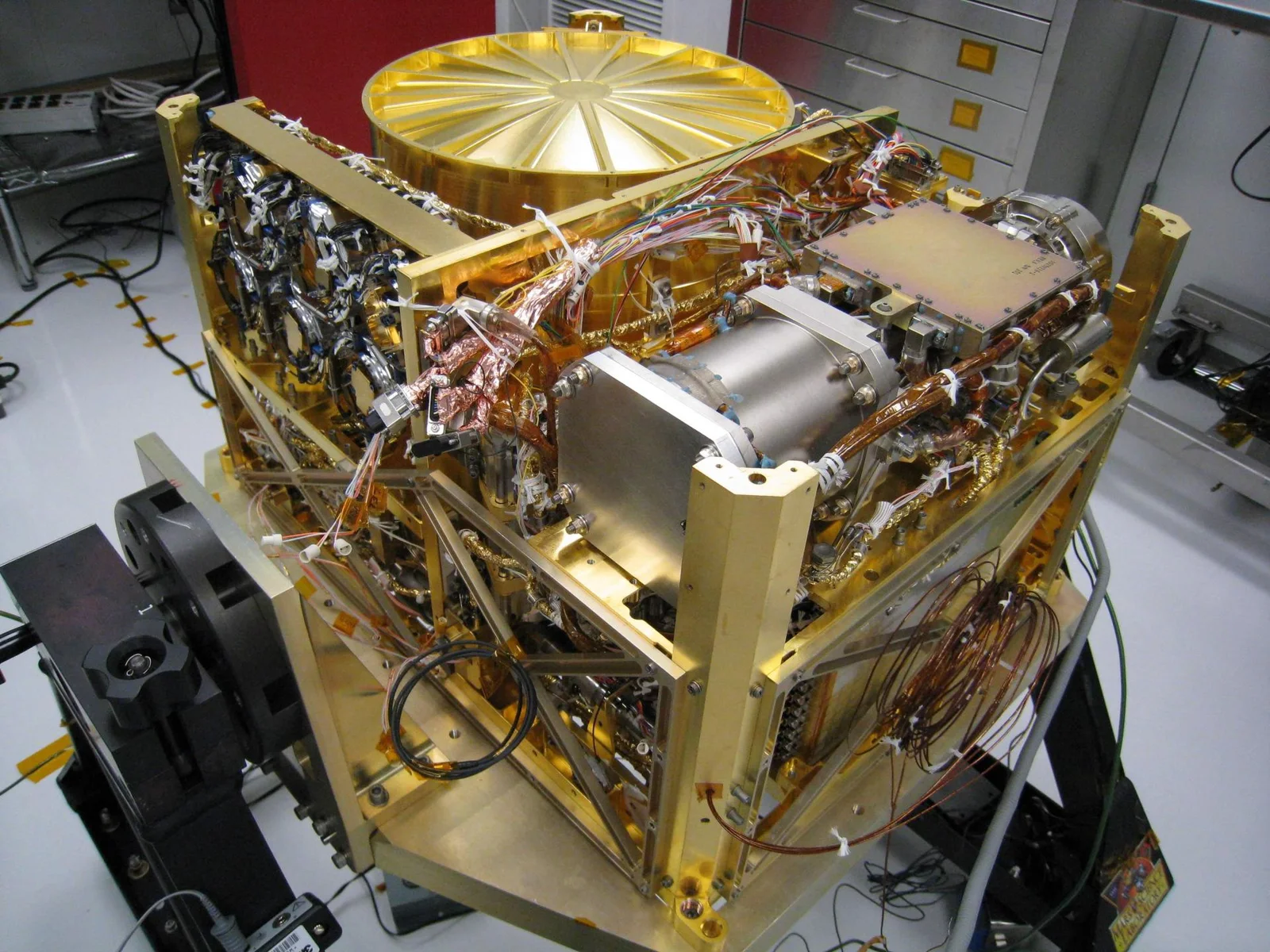
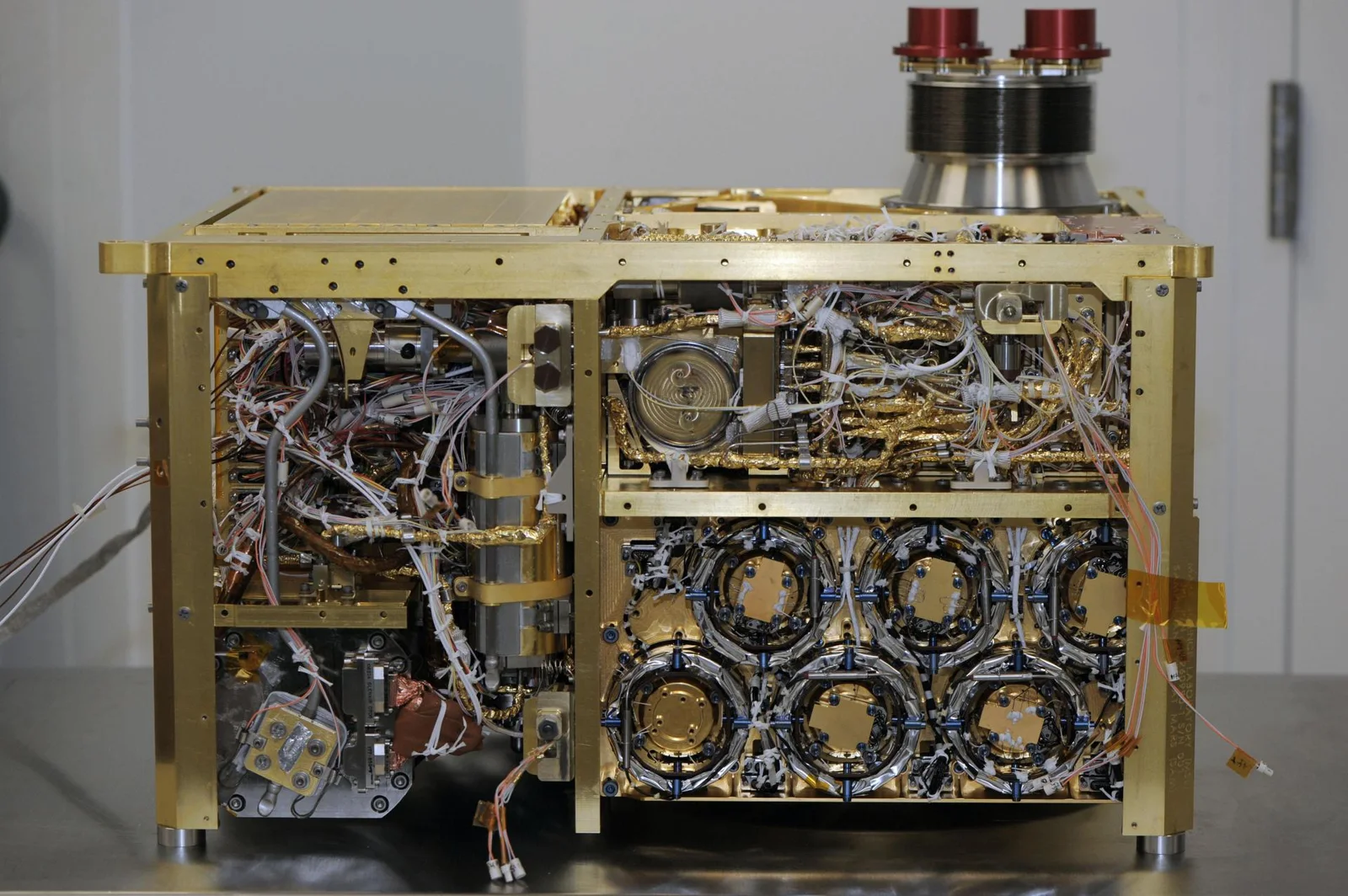
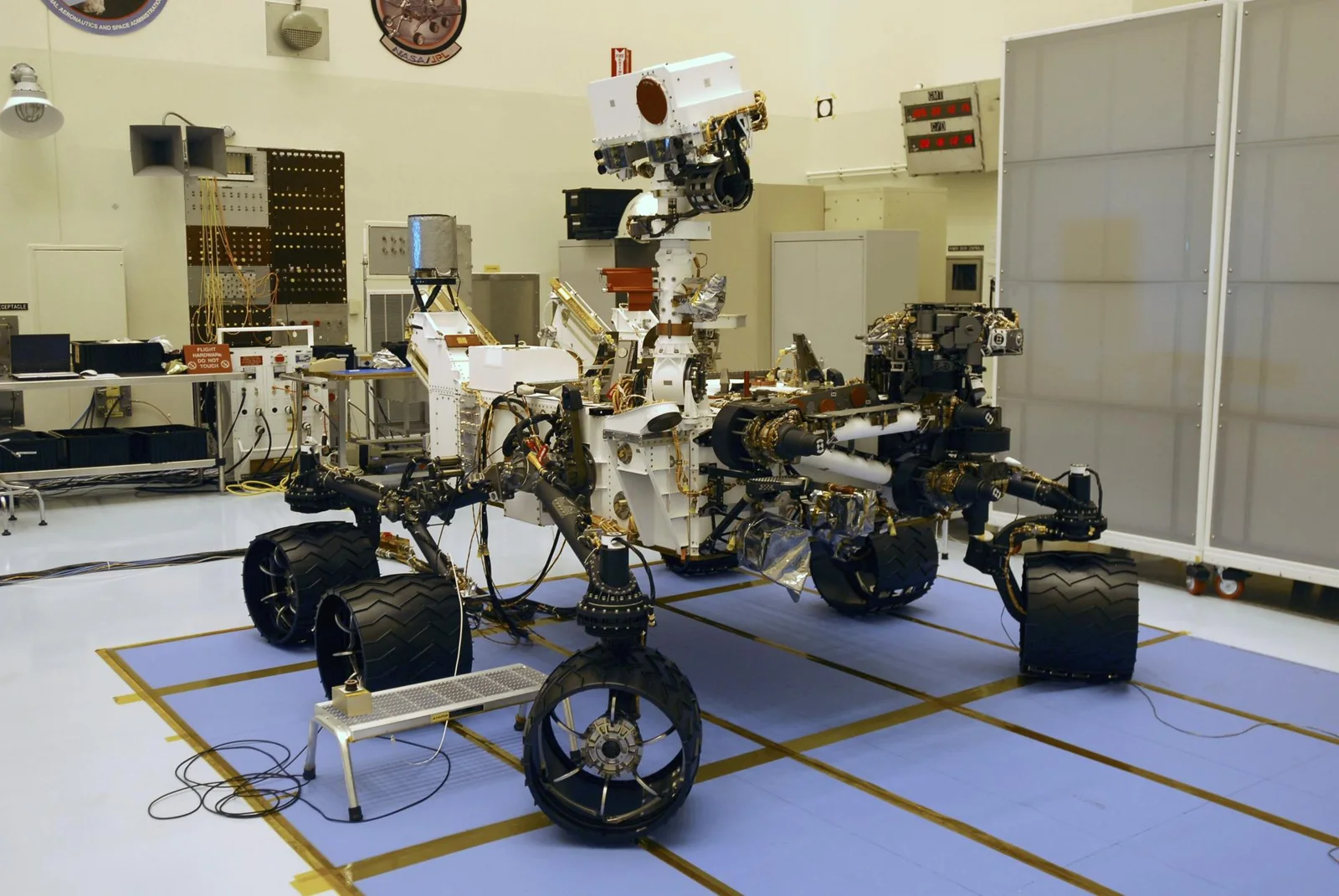
One of the most concerning aspects of Martian regolith is its perchlorate content. Instruments on rovers such as Sojourner, Spirit, Opportunity, and Curiosity have repeatedly detected chlorine‑bearing compounds, and the Phoenix lander identified calcium perchlorate in 2008. Measurements suggest perchlorates make up roughly half a percent of the soil – a concentration that is toxic to humans and many plants. Laboratory work on Earth shows that even low levels of perchlorates can suppress chlorophyll production, stunt growth, and accumulate in plant tissues. Some aquatic plants, like water hyacinth, show a surprising tolerance and have been proposed for bioremediation, but the harvested biomass would contain high perchlorate levels and thus would not be safe for food.
Dust: A Tiny Yet Mighty Hazard
Beyond chemicals, the ultra‑fine dust on Mars poses a physical health risk. The dust is composed mainly of silicate minerals such as olivine, pyroxene, and feldspar. When these particles encounter even trace amounts of moisture, they can generate reactive oxygen species—similar to the hazardous dust encountered by miners on Earth. Studies from the early 2000s warned that inhaling such dust could lead to lung inflammation and potentially increase cancer risk. The combination of perchlorates, reactive dust, intense ultraviolet radiation, and extreme cold means any human habitat will need robust air‑filtration and dust‑mitigation systems.
Turning Toxic Soil Into a Growth Medium
Despite the challenges, researchers are actively exploring ways to repurpose Martian regolith for agriculture. One promising approach is to treat the soil with bacteria that can reduce perchlorates to harmless chloride and oxygen. A multi‑year project funded by NASA and the National Science Foundation is testing the bacterium Dehalococcoides mccartyi for this purpose. Successful bioremediation could lower perchlorate levels enough to support plant growth.
For mushroom cultivation, the situation is a bit different. Fungi do not require sunlight and can thrive on a substrate that is largely mineral, provided they receive the right organic feedstock and moisture. Experiments on the International Space Station have shown that certain edible mushrooms, such as Pleurotus (oyster) and Agaricus bisporus (button), can fruit in low‑gravity environments when supplied with a sterilized, nutrient‑rich medium. On Mars, a hybrid substrate could combine locally sourced regolith (after perchlorate removal) with composted organic waste from a habitat, creating a safe and sustainable growing bed for mycelium.
Preparing the Soil for Human Use
Before any food‑producing system can be deployed, the regolith must be processed to remove both chemical and physical hazards. Typical steps under investigation include: 1. Mechanical sieving to eliminate larger rock fragments. 2. Thermal treatment to volatilize some perchlorates and break down reactive dust particles. 3. Chemical washing with water or mild acids to leach out soluble salts. 4. Biological remediation using perchlorate‑reducing microbes. 5. Enrichment with organic matter, such as compost or biochar, to improve water retention and provide nutrients for plants and fungi.
Each of these stages requires energy and equipment, so future habitats will likely integrate them into a closed‑loop life‑support system that recycles water, waste, and carbon dioxide.
Looking Ahead: From Regolith to a Martian Farm
Understanding the makeup and hazards of Martian soil is the first step toward turning a barren landscape into a productive environment. By detoxifying perchlorates, filtering dust, and blending the cleaned regolith with organic substrates, we can create a medium that supports both plant roots and fungal mycelium. Such a system would not only provide food but also help recycle waste and generate oxygen—key ingredients for a long‑term human presence on Mars. In the end, the very soil that once seemed hostile could become the foundation for a thriving Martian garden, perhaps even a mushroom farm that helps feed the next generation of explorers.
Sources
This article was prepared with AI assistance from the sources listed above and approved by the Mushroom 2 Mars team before publication.