Part of the guide: Mycology: A Complete Guide to Fungi, Cultivation, and Safety
Recognizing the Horse Mushroom
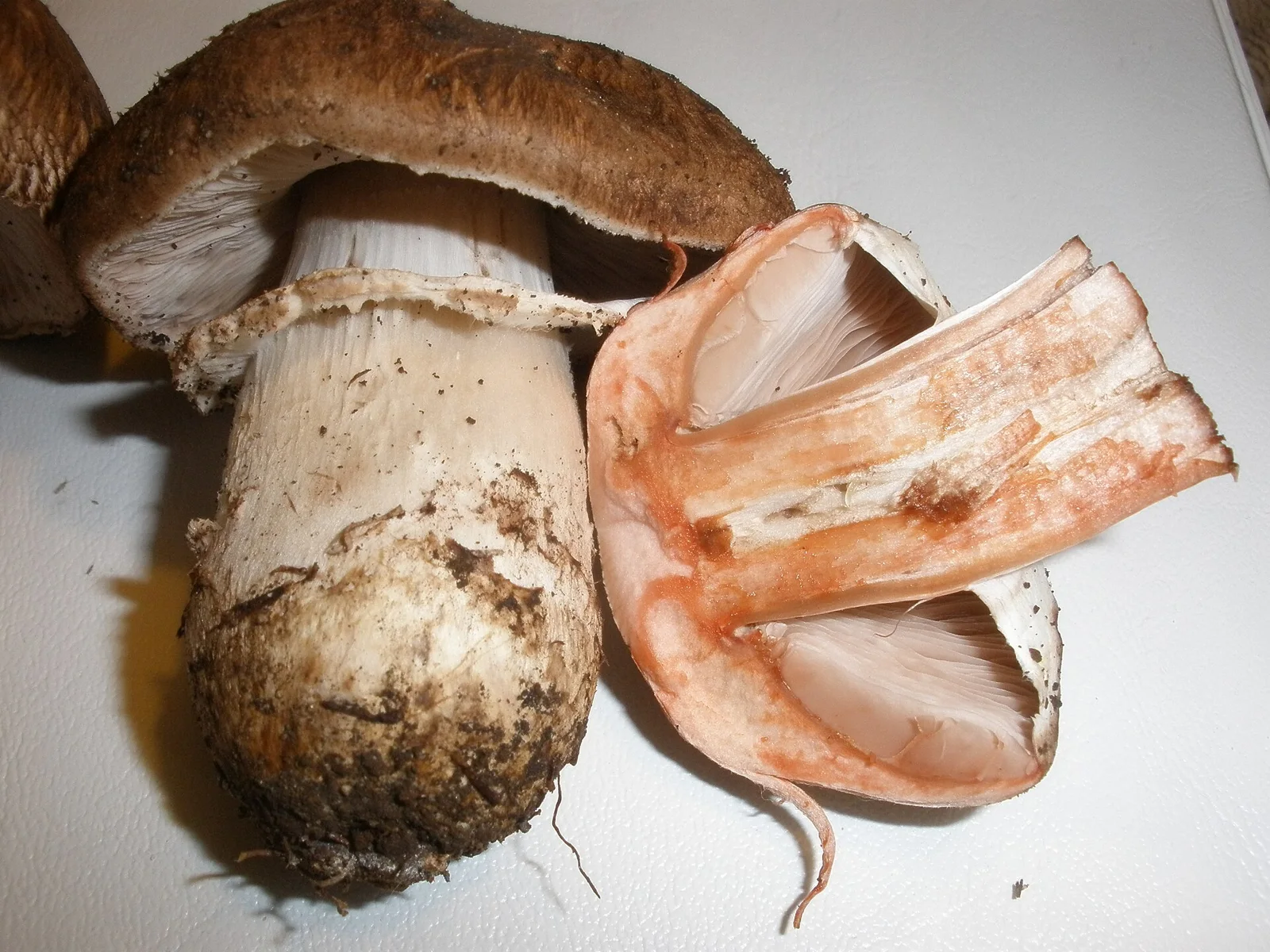
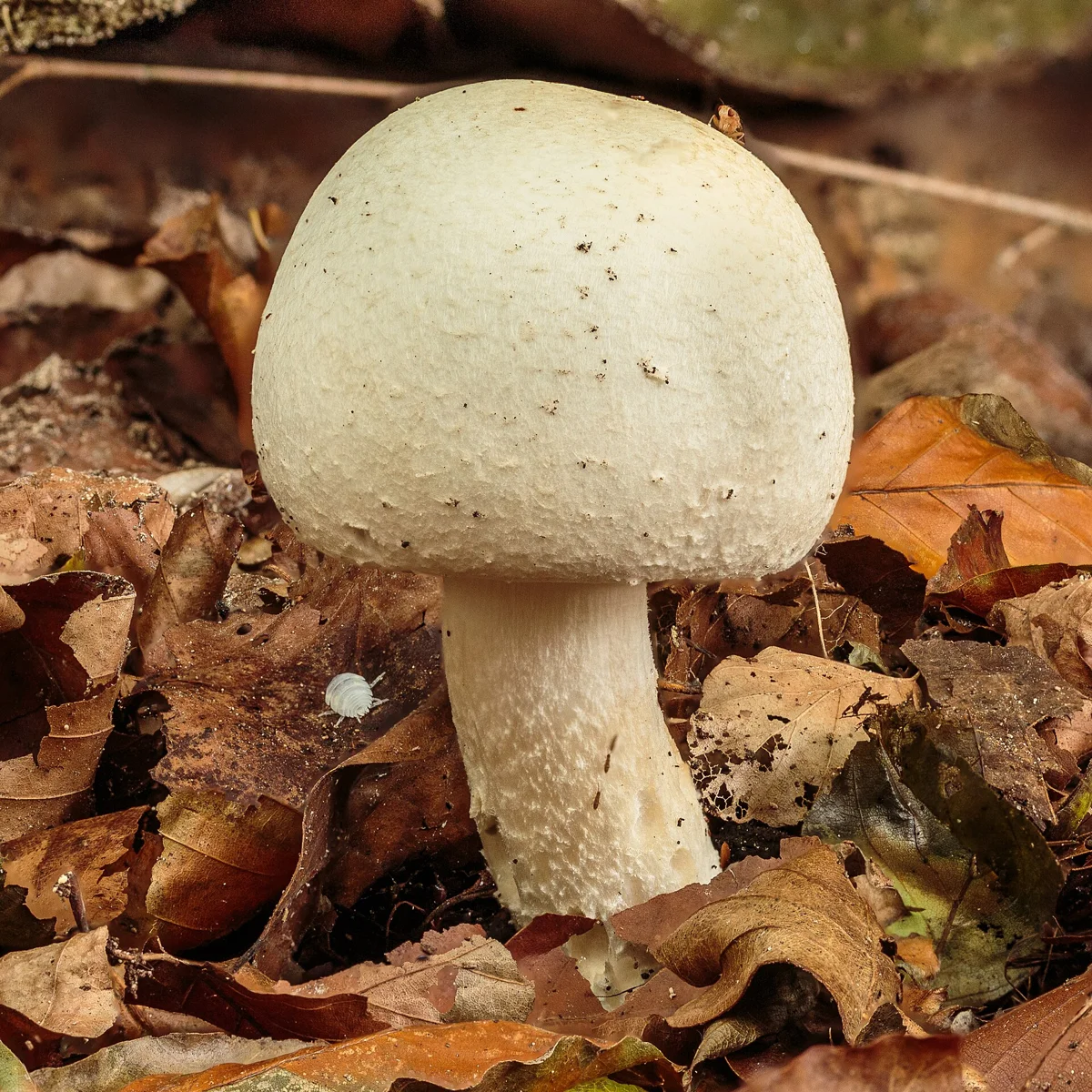
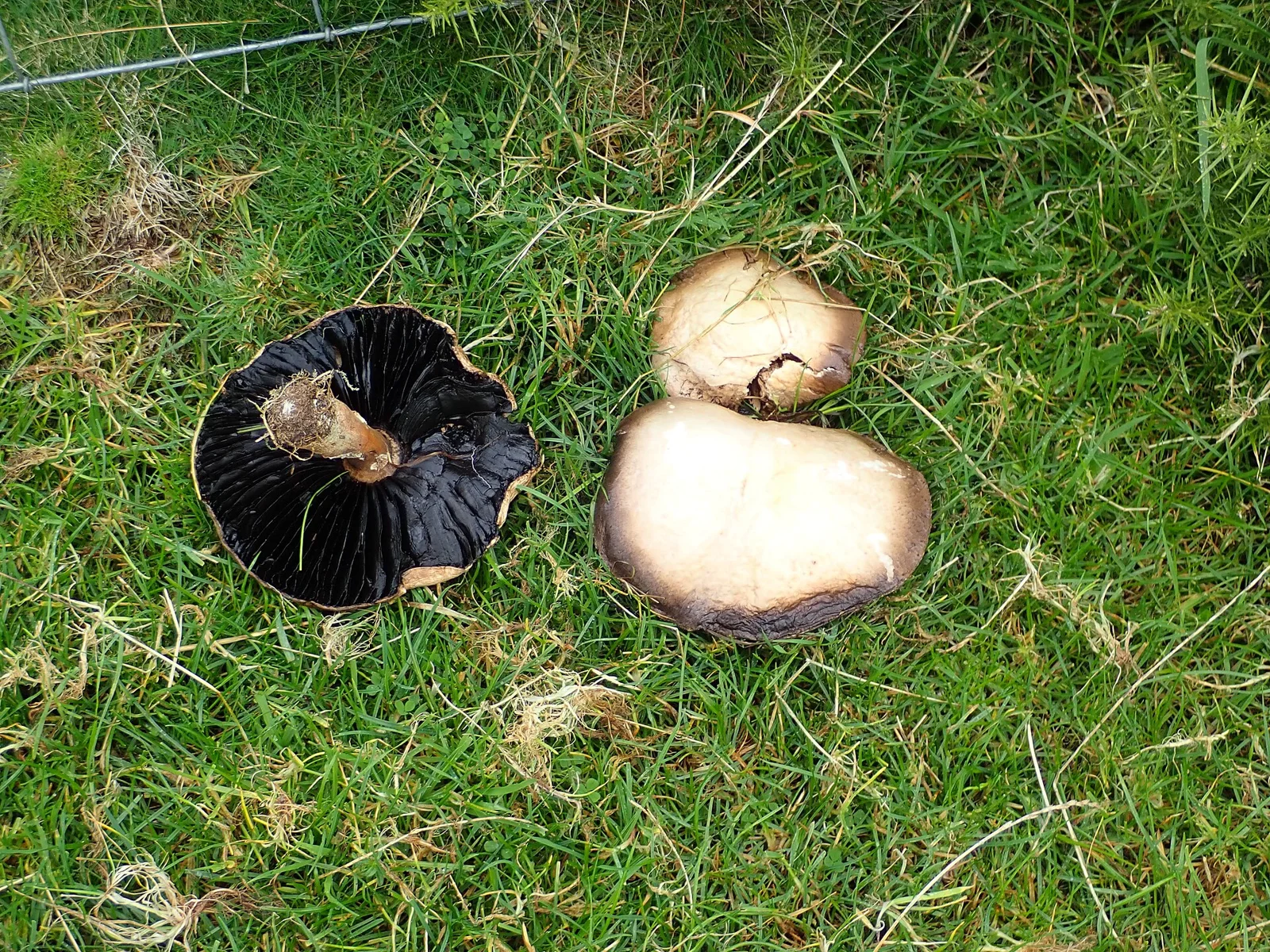
Agaricus arvensis, often called the horse mushroom, belongs to the Agaricus genus. Its cap can reach up to 20 cm in diameter, displaying a smooth, dry surface that is whitish overall but tends to turn yellow when bruised, especially in younger specimens. The gills start pale pink‑white, then shift through grey to a dull chocolate hue as the mushroom matures. A distinctive feature is the double‑layered ring on the stalk; the lower portion forms a cog‑wheel pattern that can be seen when the cap is closed. The stalk itself ranges from 5 to 12 cm long and 1 to 3 cm thick. When cut or crushed, the flesh releases an almond‑like aroma due to benzaldehyde, a scent that helps separate it from look‑alikes.
How It Can Be Mistaken for Other Species
While the horse mushroom is prized by many foragers, it shares several visual cues with both edible and poisonous relatives. The field mushroom (Agaricus campestris) looks similar but lacks the cog‑wheel ring and is generally smaller. The yellow stainer (Agaricus xanthodermus) may cause gastrointestinal upset and does not emit the almond scent. More dangerously, some Amanita species—such as the death‑cap relatives—can appear superficially alike, especially to inexperienced eyes. Because of these overlaps, confirming the presence of the characteristic ring pattern and almond aroma is essential before any consumption.
Where You’ll Find It
The horse mushroom favors nutrient‑rich soils often found near livestock areas, meadows, and lawns. It frequently appears in fairy rings and is commonly associated with nettles, which thrive in the same enriched conditions. In North America, it partners with cypress on the West Coast and spruce in eastern forests. Its range is broad, spanning Britain, West Asia, South Africa, Japan, Russia, New Zealand, Australia, the United States, Canada, and much of Europe. In Britain, it typically fruits from May through October.
Safety and Environmental Considerations
Although regarded as a choice edible, Agaricus arvensis can accumulate heavy metals if it grows in polluted ground. Foragers should avoid collecting mushrooms from roadsides, industrial sites, or any area with known contamination. Even when harvested from clean locations, the similarity to deadly Amanitas means that expert identification is crucial. When in doubt, consult a local mycological society or use multiple field guides before handling.
Culinary Uses and Simple Preparation
The horse mushroom’s mild, slightly nutty flavor makes it a versatile ingredient in many dishes. Because it can be fairly large, slicing it into bite‑size pieces works well for sautéing. A basic recipe:
- Clean the caps and stalks with a damp cloth; avoid soaking to prevent waterlogging.
- Slice uniformly (about ½ cm thick).
- Heat olive oil in a skillet over medium‑high heat.
- Add the slices, seasoning with salt, pepper, and a pinch of fresh thyme.
- Cook until the edges turn golden and the mushrooms release their juices, about 5‑7 minutes.
- Finish with a splash of white wine or vegetable broth for extra depth, and serve over pasta, rice, or as a topping for toast.
Cooking at a temperature that allows the mushrooms to brown (around 180 °C/350 °F) ensures a pleasant texture and brings out the almond‑like aroma. Remember, only cultivated or reliably identified specimens should be used; never consume wild‑picked mushrooms unless you are absolutely certain of their identity.
From Fields to the Red Planet
Understanding the biology and safe handling of Agaricus arvensis helps us appreciate Earth’s fungal diversity—a knowledge base that could inform future mushroom cultivation experiments in Martian habitats.
Sources
This guide is not a foraging or identification manual. Many edible mushrooms have toxic look-alikes. Never eat a wild mushroom unless an expert has identified it in person.
This article was prepared with AI assistance from the sources listed above and approved by the Mushroom 2 Mars team before publication.