A Glowing Band Across the Night Sky
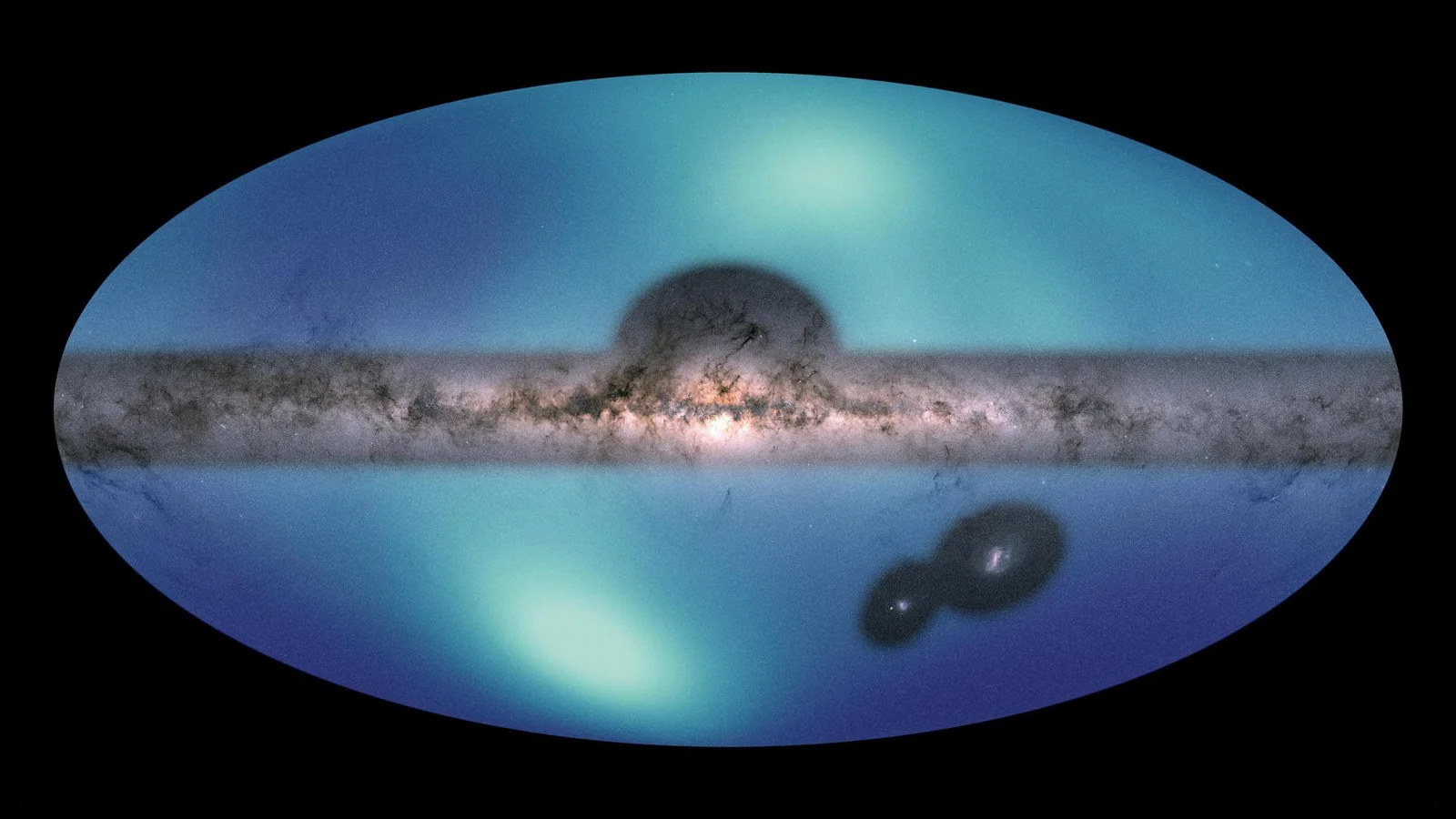
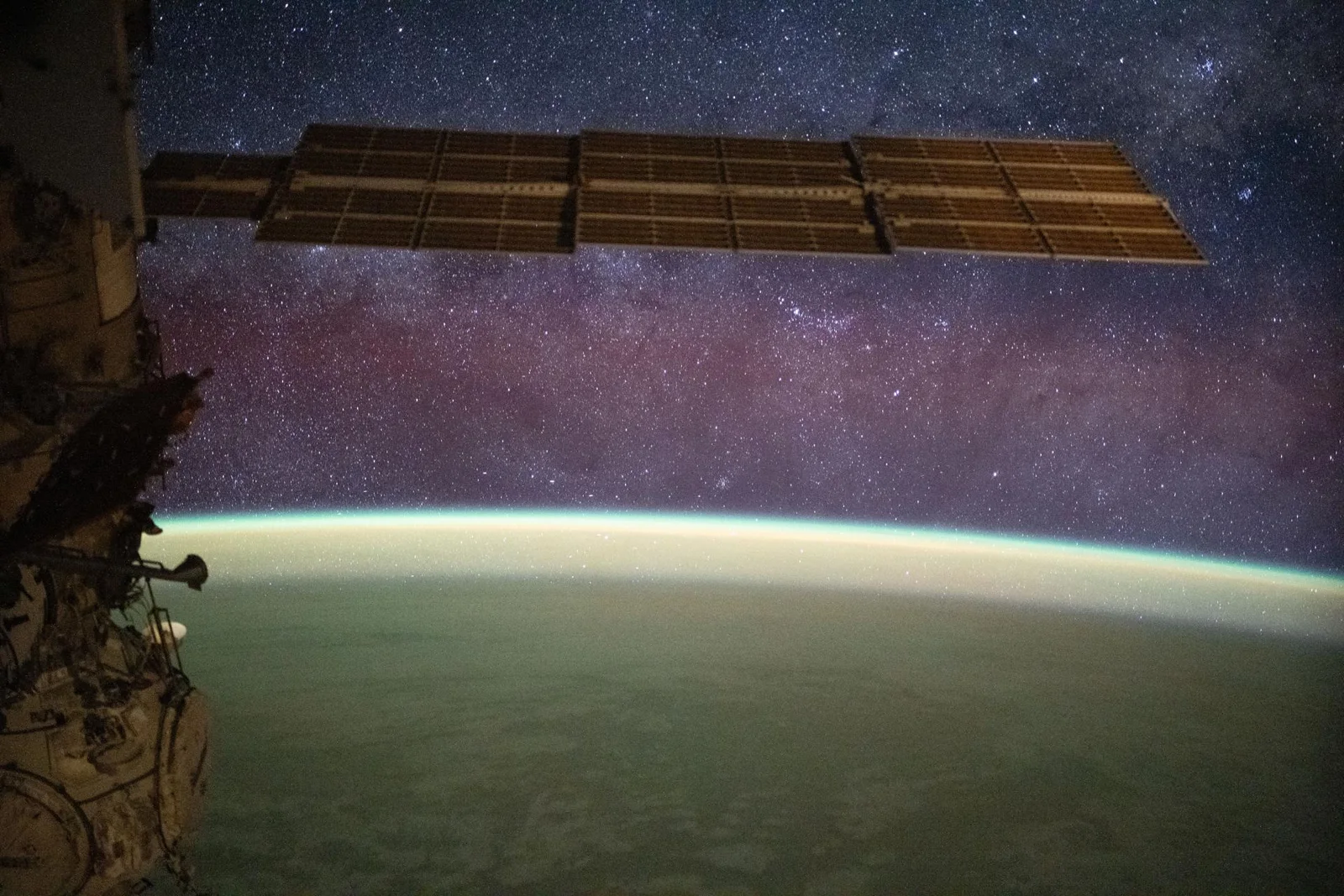
The Milky Way appears as a faint, milky band stretching overhead on clear evenings. From Earth it looks like a soft glow because the light of billions of distant stars blends together, making individual points indistinguishable to the naked eye. This visual impression gave the galaxy its everyday name – a “milky” circle of light.
How We Learned the Milky Way Is a Galaxy
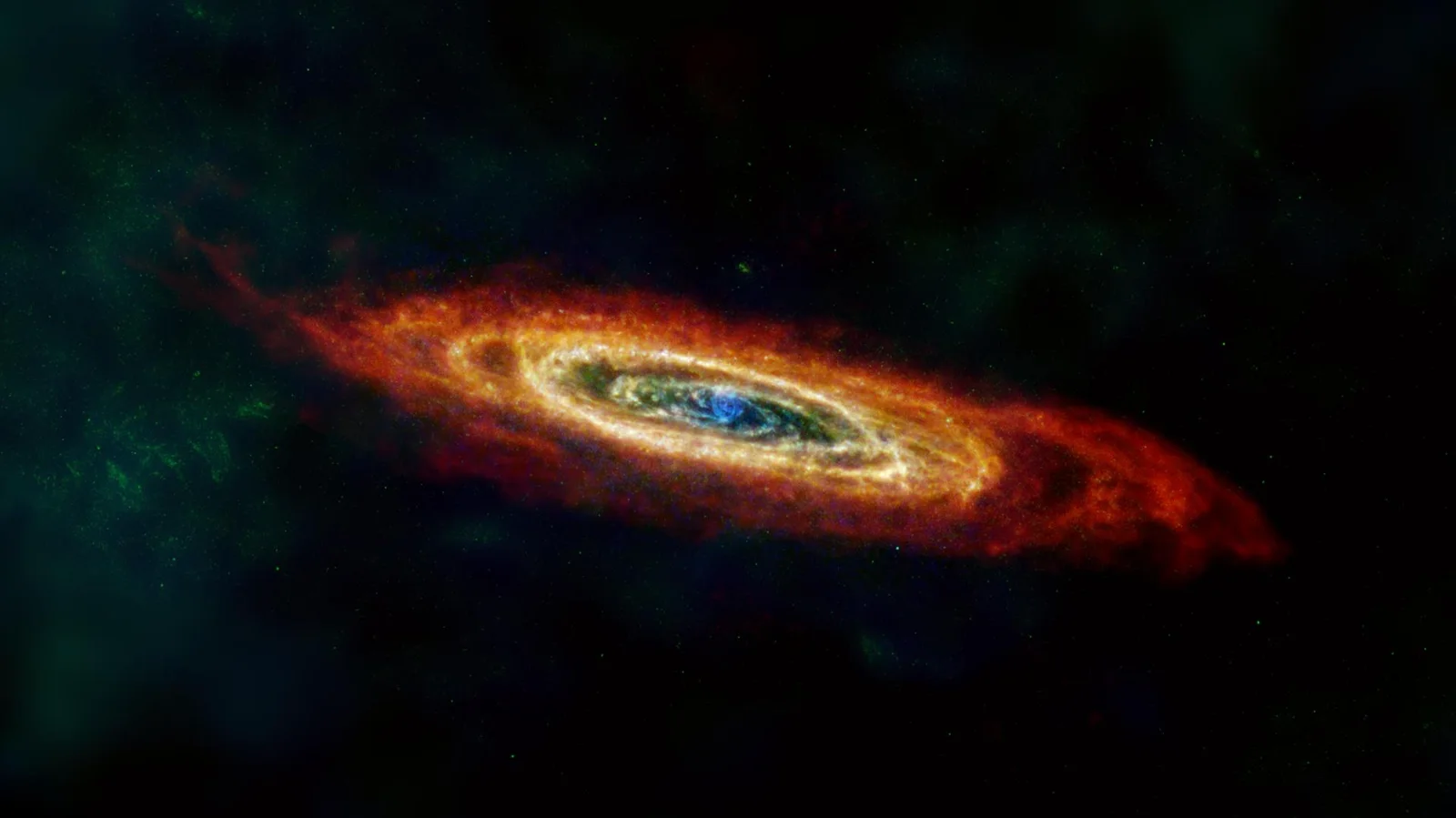
Italian astronomer Galileo Galilei was the first to split the band into countless stars with his telescope in 1610. For centuries most scientists believed the Milky Way contained every star in the universe. The debate changed in the early 1920s when Harlow Shapley and Heber Curtis argued over whether nebulae were part of the Milky Way or separate “island universes.” Observations by Edwin Hubble in 1923 showed distant galaxies existed beyond our own, confirming the Milky Way is just one of many spirals in the cosmos.
The Shape and Size of Our Home Galaxy
Astronomers classify the Milky Way as a barred spiral galaxy. Its visible stellar disk spans roughly 87,000 light‑years across, while a vast halo of dark matter may extend to about 2 million light‑years. The central bulge, about 10,000 light‑years in radius, houses a dense concentration of older stars. From this bulge extends a bar‑shaped region that feeds the spiral arms. At the very heart lies Sagittarius A*, a supermassive black hole weighing about 4.1 million times the mass of the Sun.
Where We Live Inside the Spiral
Our Solar System sits on the inner edge of the Orion Arm, a minor spur between two major arms. We orbit roughly 27,000 light‑years from the Galactic Center, completing a circuit every ~225–250 million years. The Milky Way is home to an estimated 100–400 billion stars and at least as many planets, many of which remain undiscovered.
Myths, Names, and Cultural Paths
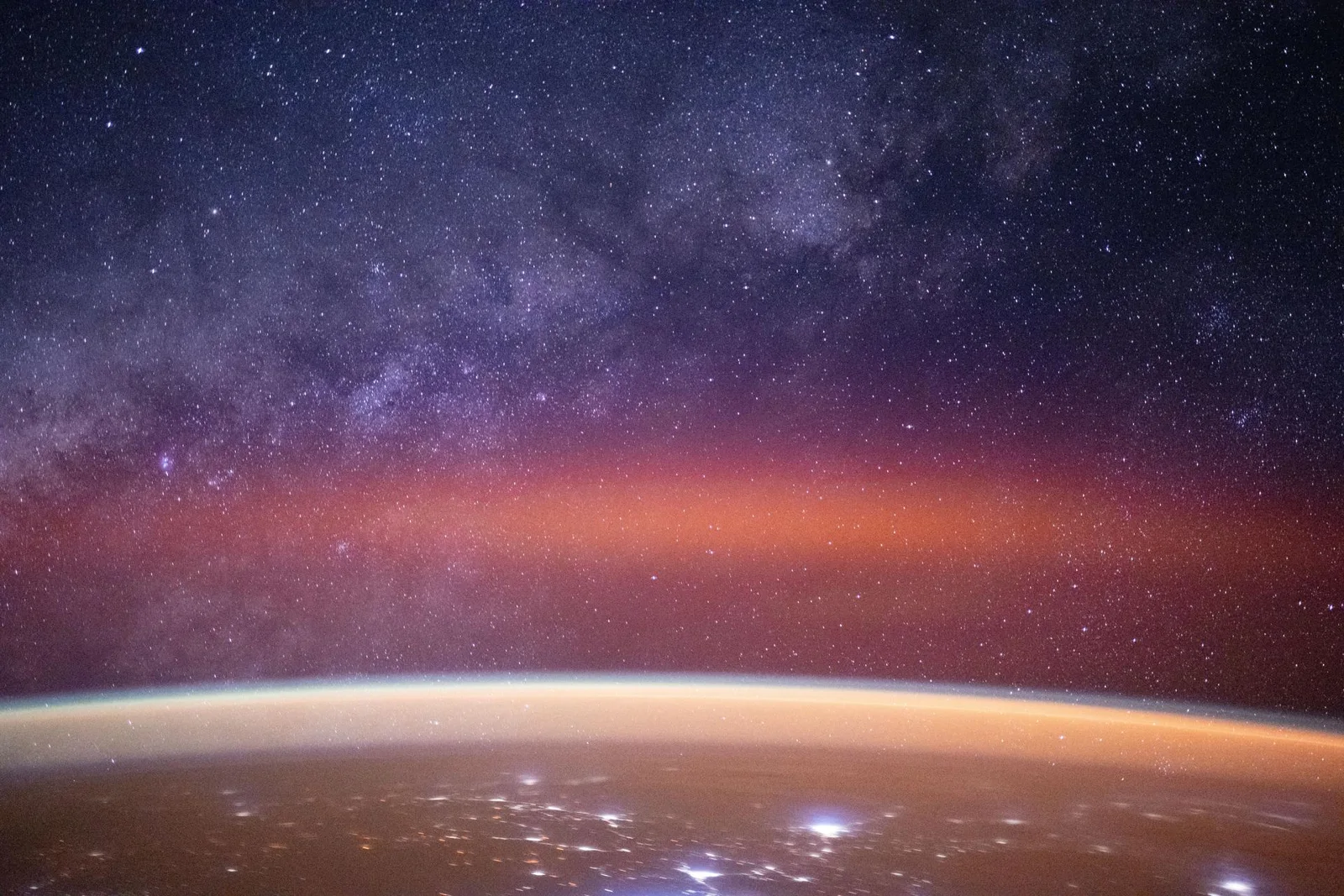
Human cultures have woven the Milky Way into stories for millennia. In Babylonian myth, the band was fashioned from the slain dragon Tiamat’s tail, placed in the sky by the god Marduk. Greek legends tell of Hera’s spilled milk while nursing infant Heracles, creating the luminous “milk circle.” Across the world, the galaxy carries names that echo local observations: - Birds’ Path – used by several Uralic and Turkic peoples, referencing migratory birds that seem to follow its arc. - River of Heaven (Japanese Ama no gawa, Chinese Tiānhé) – a poetic river flowing across the night sky. - Silver River – the East Asian translation, emphasizing its shimmering appearance. - Wodliparri – the Kaurna word meaning “house river.” - Dhinawan – the Gomeroi term describing the “Emu in the Sky.” Pilgrims on the historic Camino de Santiago once used the Milky Way as a celestial guide, calling it “The Road to Santiago.”
From Stars to Future Habitats
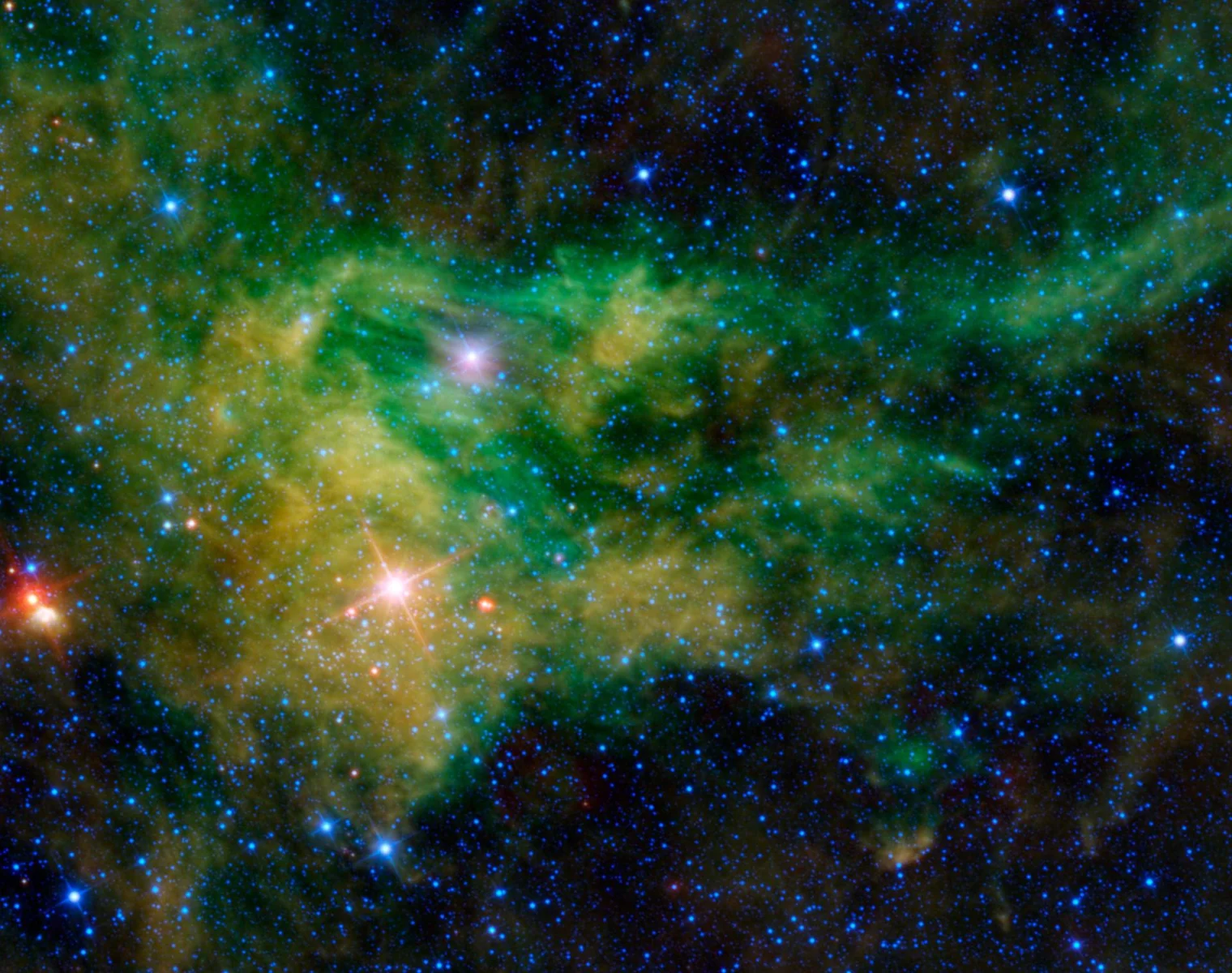
The Milky Way’s vast reservoir of elements, including carbon and nitrogen, underpins the chemistry of life. Scientists study the galaxy’s composition to understand how planetary systems like ours form and evolve. While we still gaze at its milky glow from Earth, future missions may eventually harvest resources from asteroids or moons that orbit within our galaxy – a stepping stone toward ambitious projects such as growing mushrooms on Martian soil, a dream shared by the Mushroom 2 Mars community.
Sources
This article was prepared with AI assistance from the sources listed above and approved by the Mushroom 2 Mars team before publication.