A Moon Bigger Than Mercury
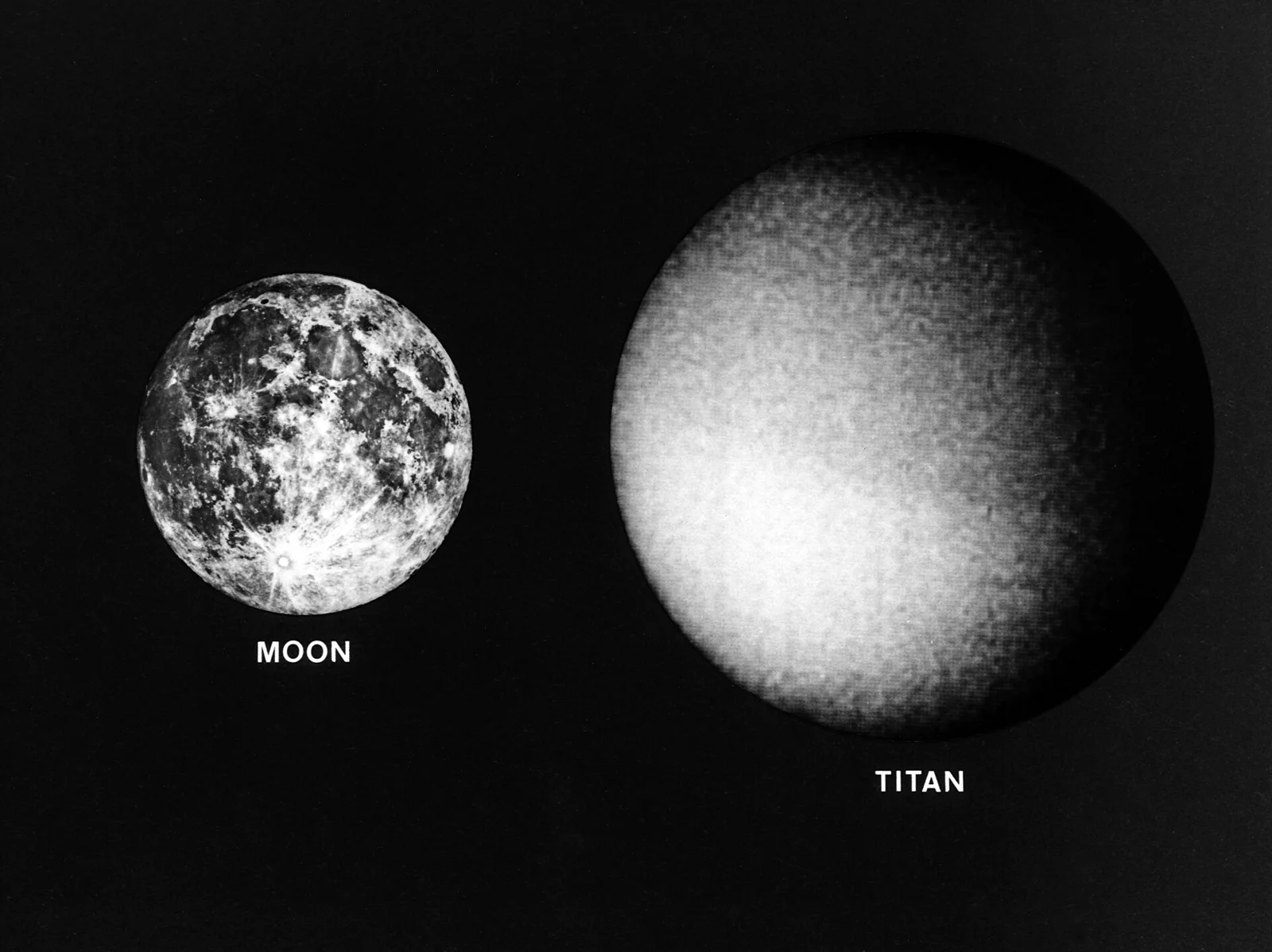
Titan is the second‑largest moon in the Solar System, trailing only Jupiter’s Ganymede. Its diameter is about 48% larger than Earth’s Moon and it holds roughly 80% more mass. Although it is larger than the planet Mercury, Titan is only about 40% as massive because it is made mostly of low‑density ice rather than iron‑rich rock.
Discovery and Naming
The Dutch astronomer Christiaan Huygens first saw Titan on March 25 1655 using a telescope he built with his brother. He called it Saturni Luna (“Saturn’s moon”). Later, John Herschel gave the moon its mythological name, borrowing from the Titans of Greek legend. The International Astronomical Union now catalogs it as Saturn VI.
A Thick, Nitrogen‑Rich Atmosphere
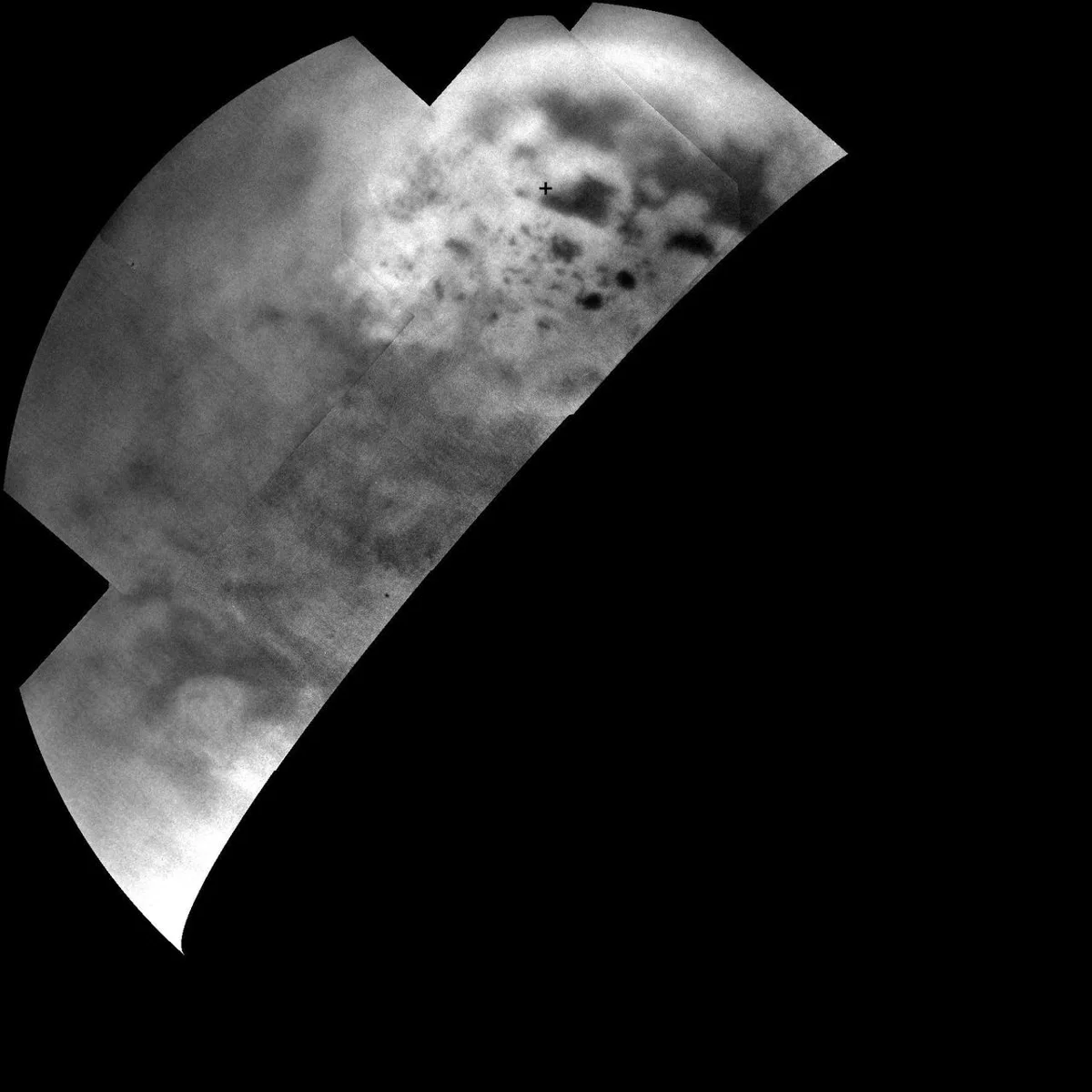
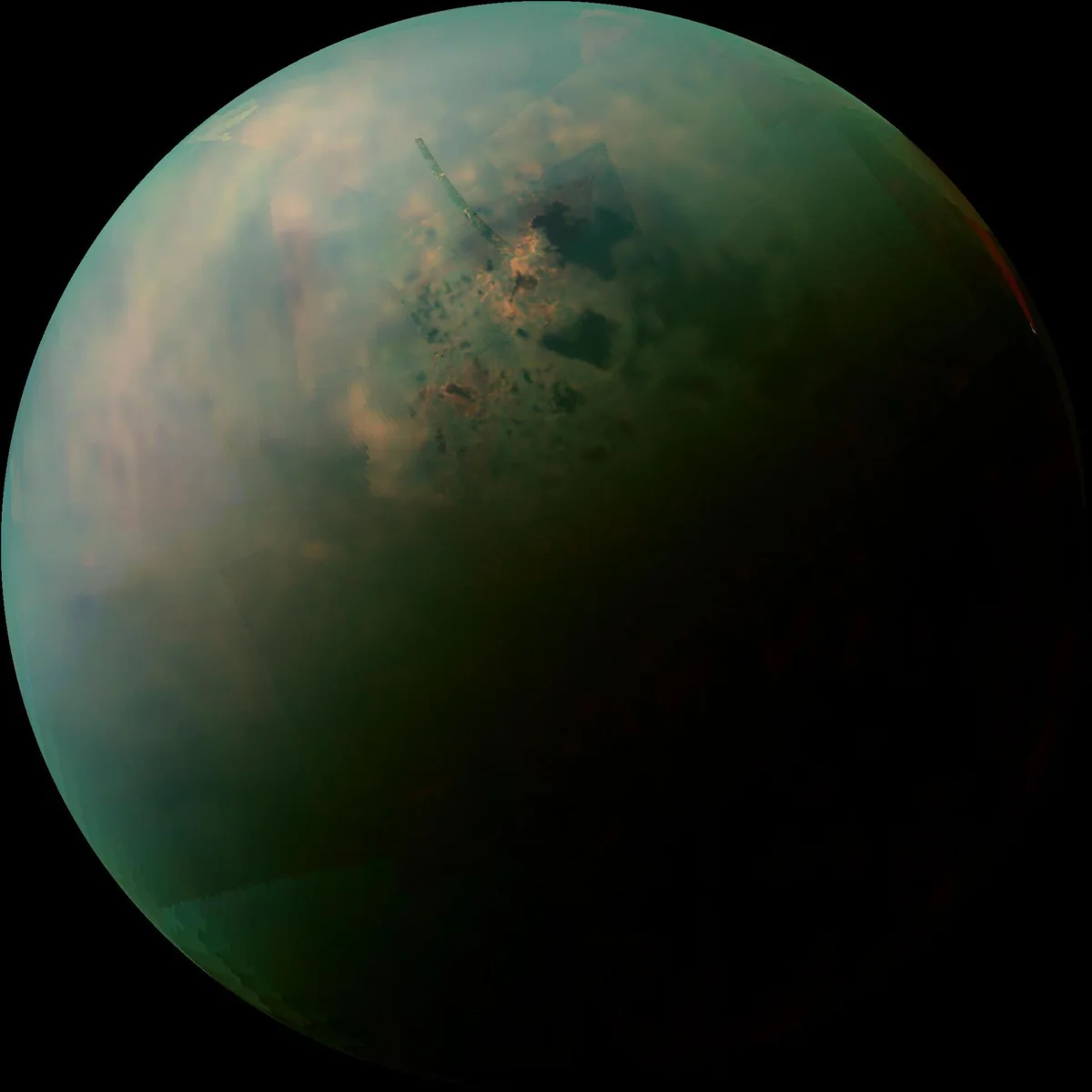
Titan is the only moon known to possess a dense atmosphere, and it is thicker than Earth’s. The air is primarily nitrogen with a substantial amount of methane, plus trace organics that create a persistent orange haze. This haze, together with the opaque clouds, kept the surface hidden from early telescopes until the Cassini–Huygens mission arrived in 2004.
Surface Liquids: Lakes of Methane and Ethane
One of Titan’s most striking features is the presence of stable liquid bodies on its surface. Radar and infrared imaging revealed vast lakes and seas composed of liquid methane and ethane, especially near the poles. The methane cycle—evaporation, cloud formation, rain, and runoff—mirrors Earth’s water cycle, but it operates at a frigid ~94 K (‑179 °C). Dunes, river channels, and deltas sculpted by this hydrocarbon rain give Titan a surprisingly Earth‑like landscape.
Geology Under an Ice Shell
Beneath a crust of water ice (ice Ih) lies a subsurface layer of ammonia‑rich liquid water, surrounding a rocky core. The surface appears relatively young, with few impact craters, indicating ongoing resurfacing. Features such as cryovolcanoes—volcanoes that erupt water‑ammonia mixtures instead of molten rock—have been identified, suggesting internal activity that may replenish the atmosphere.
Orbit, Rotation, and the View of Saturn
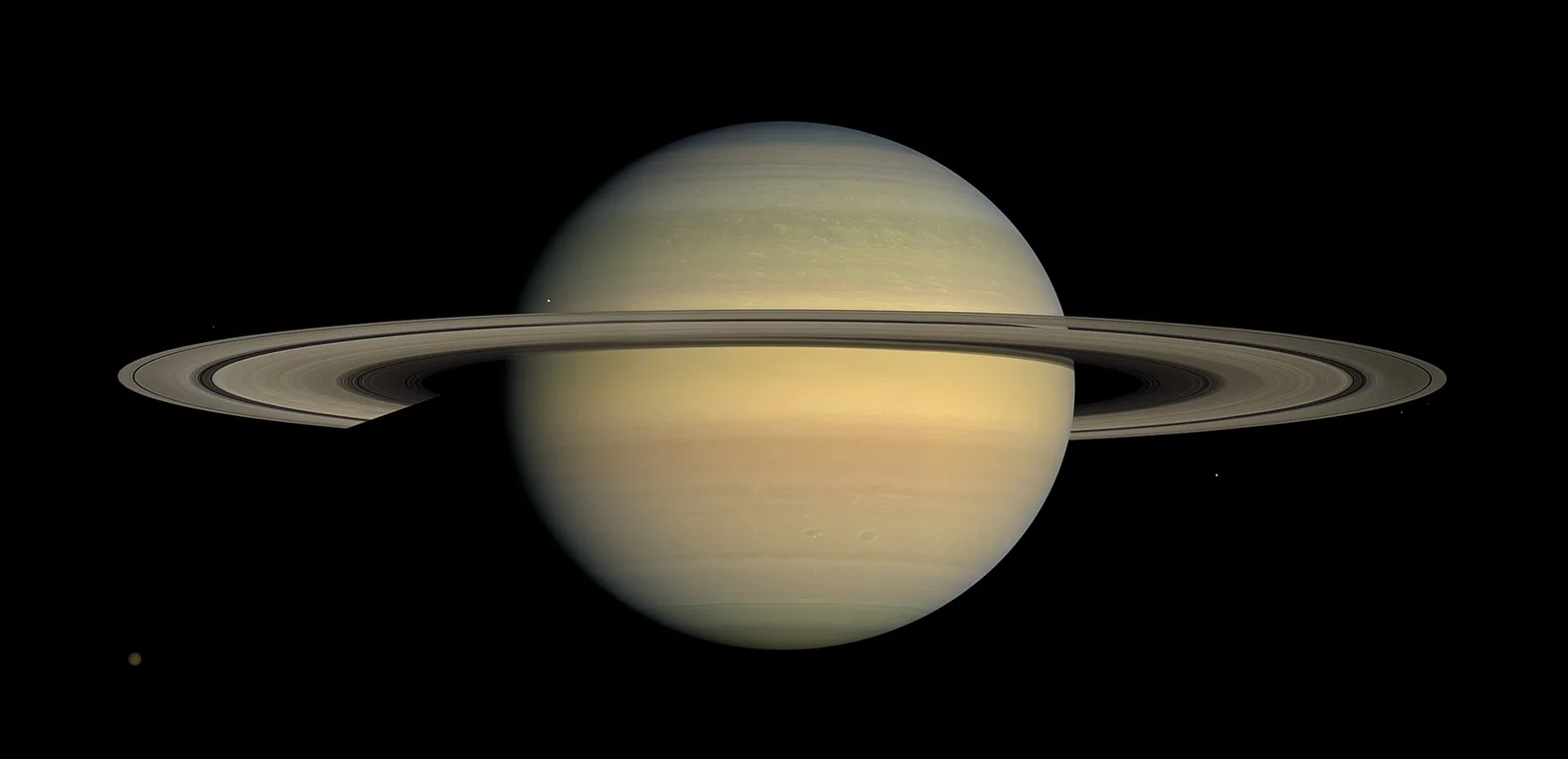
Titan circles Saturn at a distance of about 1.2 million km, completing an orbit every 15 days 22 hours. Like Earth’s Moon, it is tidally locked, always showing the same face to Saturn. From Titan’s surface, Saturn dominates the sky, spanning over 5 degrees—more than ten times the apparent size of our Moon as seen from Earth.
Why Titan Matters for Future Exploration
Titan’s combination of a thick atmosphere, stable liquids, and organic chemistry makes it a prime target for astrobiology and future missions. Understanding how its methane cycle functions could inform studies of early Earth and the potential for life in extreme environments. Moreover, the moon’s Earth‑like weather patterns provide a natural laboratory for testing technologies that might one day support human habitats on other worlds—perhaps even the mushroom farms of tomorrow on Mars.
Sources
This article was prepared with AI assistance from the sources listed above and approved by the Mushroom 2 Mars team before publication.