A First Glimpse Through a Early Telescope
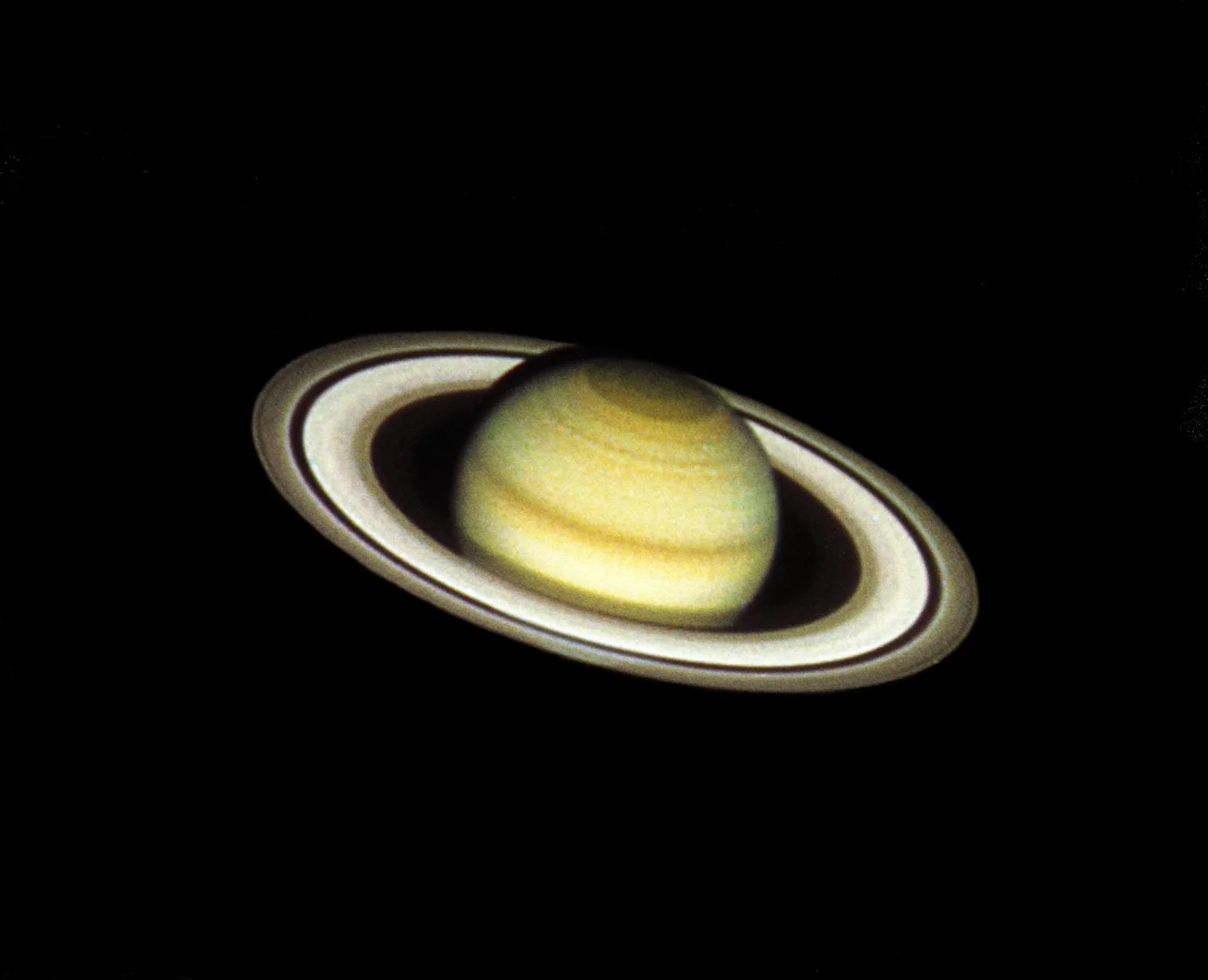
In 1610 Galileo Galilei pointed his modest telescope at Saturn and recorded three bright objects that seemed to cling together. He described them as “ears” and even wondered if the planet had swallowed its children. Though he could not resolve a true ring, his notes marked the earliest documented observation of the phenomenon that would later be recognized as Saturn’s rings.
Huygens’ Bold Ring Hypothesis
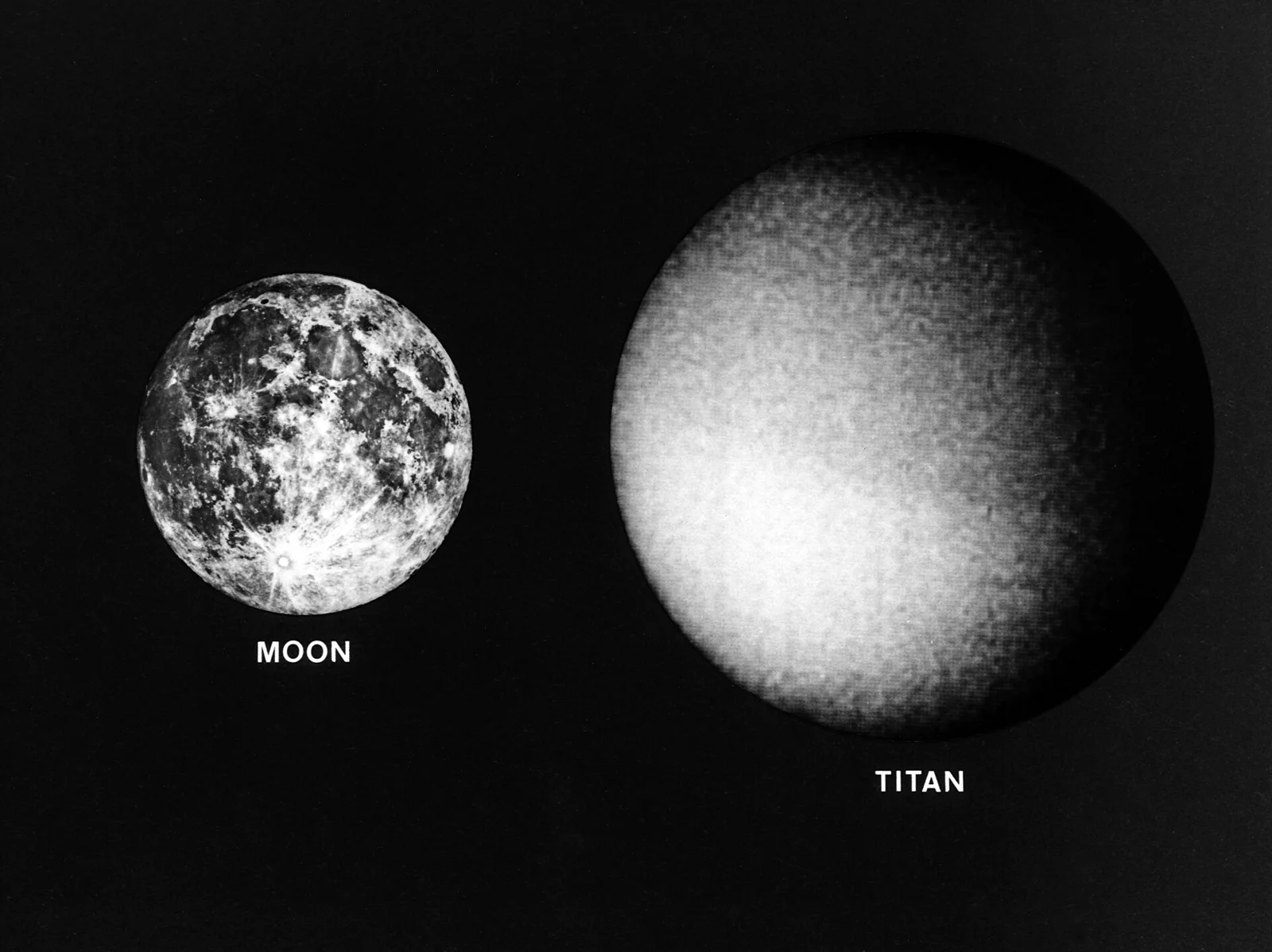
Christiaan Huygens, working with a 43× refractor he helped craft, was the first to argue that Saturn was encircled by a thin, flat disk that did not touch the planet. In 1659 he published Systema Saturnium, explaining the ring’s inclination to the ecliptic and announcing the discovery of Titan, Saturn’s largest moon. Huygens’ description—"Annulo cingitur, tenui, plano, nusquam coherente"—laid the foundation for modern ring theory.
Cassini’s Division and the Multi‑Ring Model
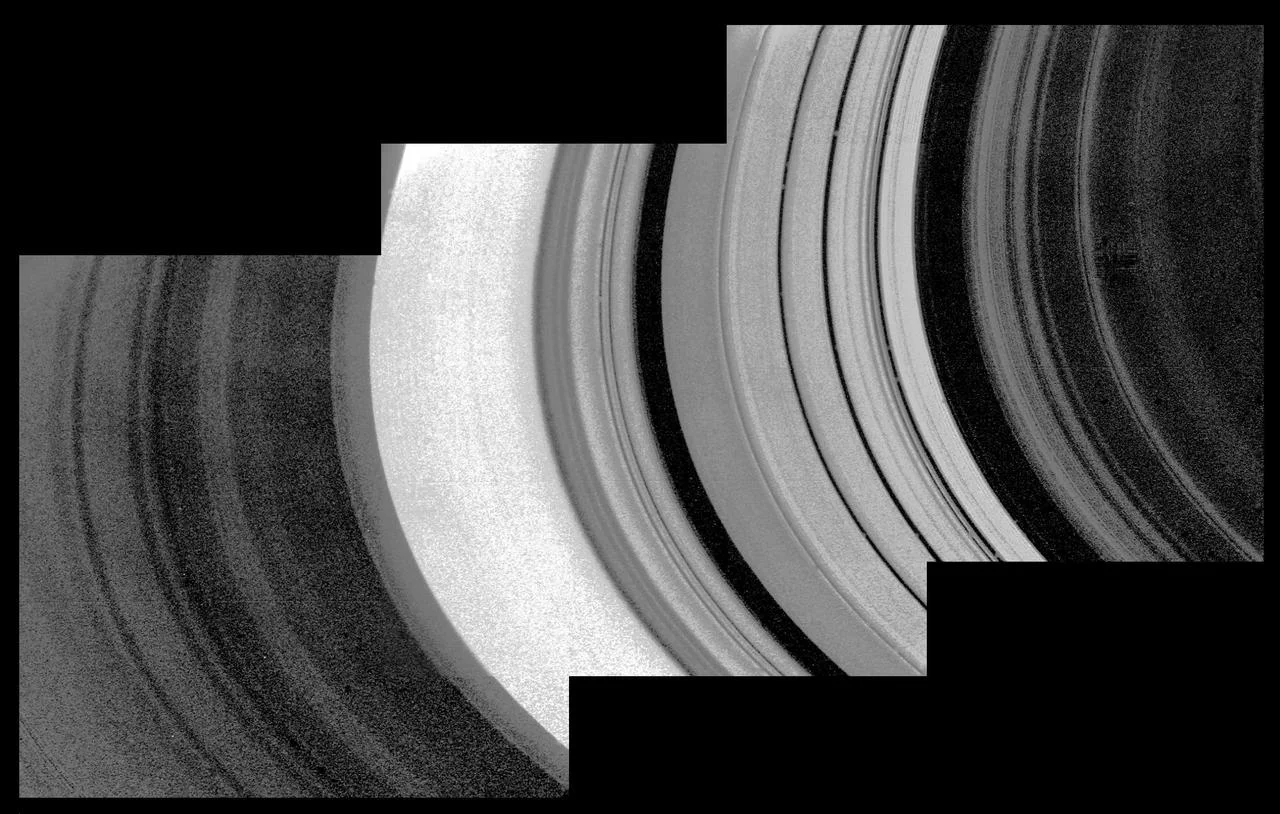
Italian astronomer Giovanni Domenico Cassini, using improved optics, noticed that the bright band around Saturn was not continuous. In 1675 he identified a dark gap now known as the Cassini Division, a roughly 4,800‑kilometre‑wide trough separating the A and B rings. This observation proved that the rings consist of many narrower ringlets rather than a single solid band.
The Physics Behind a Stable Ring System
The 19th‑century work of James Clerk Maxwell showed that a solid or fluid ring would be unstable under Saturn’s gravity. Instead, the rings must be composed of countless small particles, each orbiting independently. Later spectroscopic studies in 1895 confirmed that the rings are made almost entirely of water ice, with only trace rocky material, matching Maxwell’s prediction of a particulate structure.
Gaps, Moonlets, and Resonances
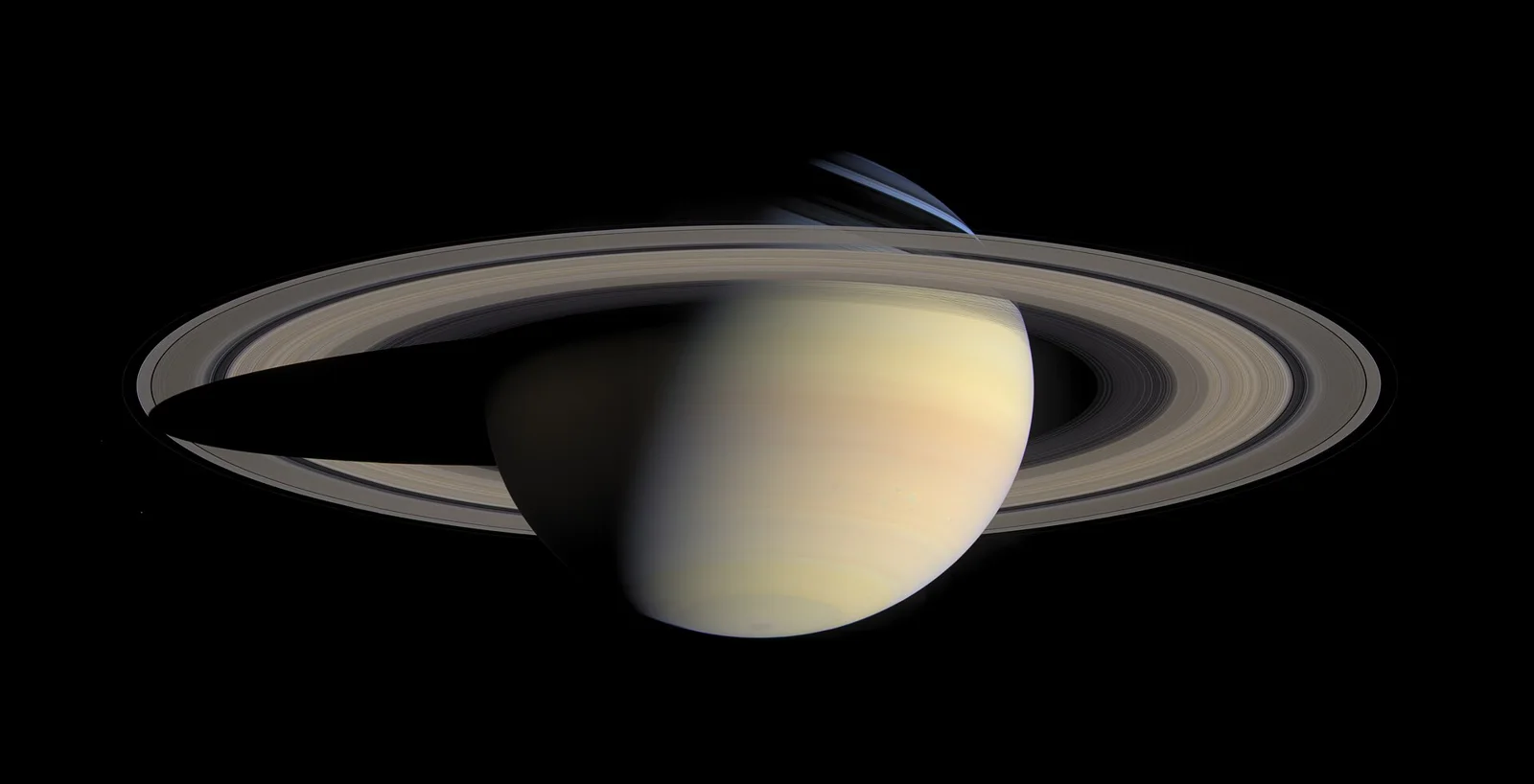
Saturn’s rings are riddled with gaps where particle density drops sharply. Some gaps, like the Encke and Keeler gaps, are maintained by tiny moons that shepherd the surrounding ice. Others correspond to orbital resonances—locations where the gravitational pull of larger moons repeatedly nudges ring particles, either clearing material or stabilizing certain ringlets such as the Titan Ringlet and the faint G Ring. A distant, massive gap lies far beyond the main rings: the retrograde Phoebe ring, thought to be sourced from the moon Phoebe and tilted 27° to match Saturn’s axial tilt.
When Did the Rings Form?
Scientists have not reached a consensus on the rings’ age. Early theoretical models suggested they could be as old as the Solar System, forming from a primordial disk. However, data from the Cassini spacecraft, which orbited Saturn from 2004 to 2017, indicate that the rings may be much younger—perhaps only a few hundred million years old—implying they could be the remnants of a shattered moon or comet.
Looking Ahead: Rings as a Laboratory
Saturn’s rings continue to serve as a natural laboratory for studying planetary formation, orbital dynamics, and the behavior of icy particles in microgravity. Future missions may probe the composition of the faint outer rings or even test how ring material reacts to artificial disturbances, offering insights that could one day inform the design of habitats for growing mushrooms on Mars.
Sources
This article was prepared with AI assistance from the sources listed above and approved by the Mushroom 2 Mars team before publication.