Part of the guide: Mycology: A Complete Guide to Fungi, Cultivation, and Safety
What Makes a Mushroom Edible?
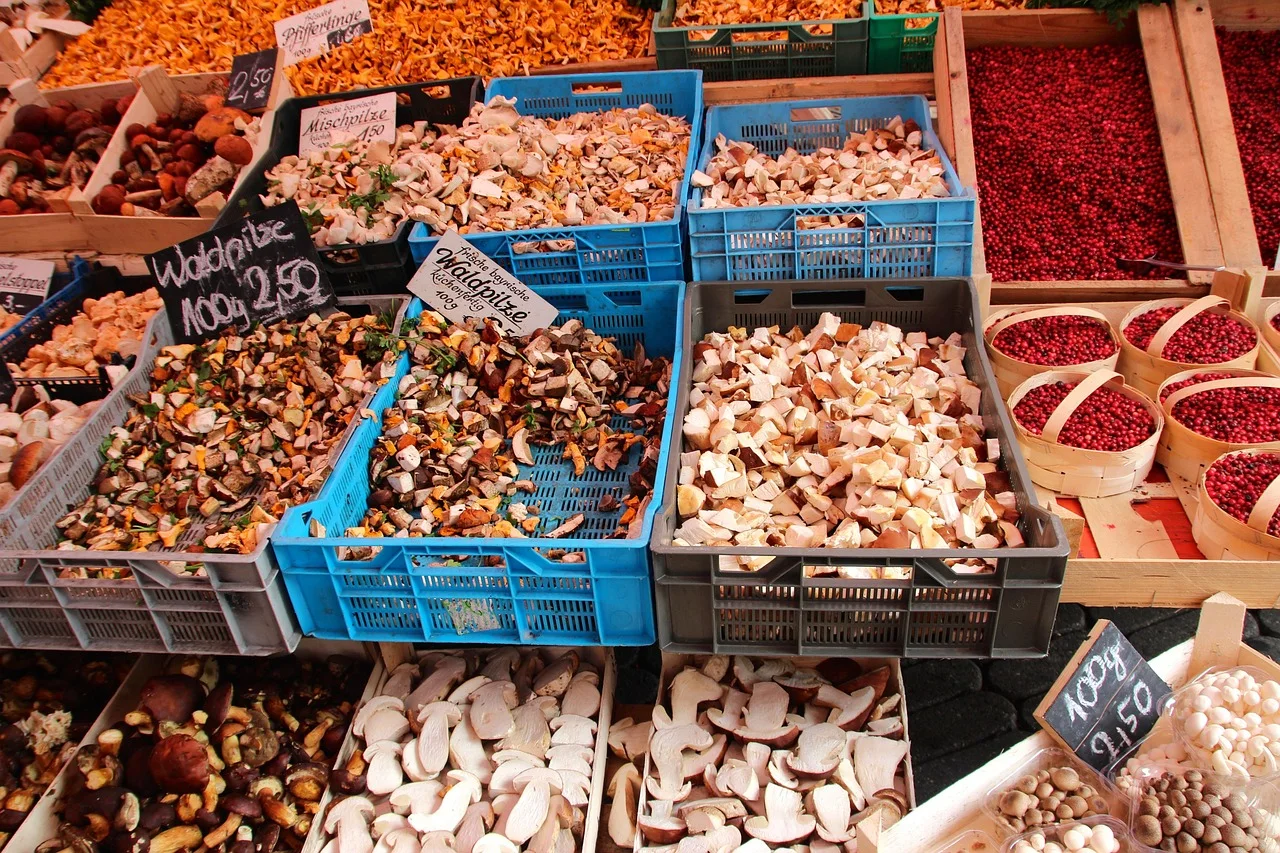
Edible mushrooms are the fleshy fruit bodies of fungi that have been correctly identified and prepared. Their edibility is judged by taste, aroma, and the absence of harmful mycotoxins. While many species are grown commercially, others are harvested from the wild, but safety always depends on accurate identification and proper cooking (Wikipedia).
Nutritional Highlights
A typical 100‑gram serving of boiled white mushrooms is about 91 % water, 5 % carbohydrates, 2 % protein, and only 0.3 % fat, providing roughly 28 kcal. They are a good source of several B‑vitamins—riboflavin, niacin, and pantothenic acid—each contributing at least 20 % of the Daily Value. Minerals such as copper, selenium, and potassium are also present in meaningful amounts (Wikipedia). Because they are low in calories and rich in micronutrients, mushrooms are a popular addition to balanced meals.
Popular Cultivated Varieties
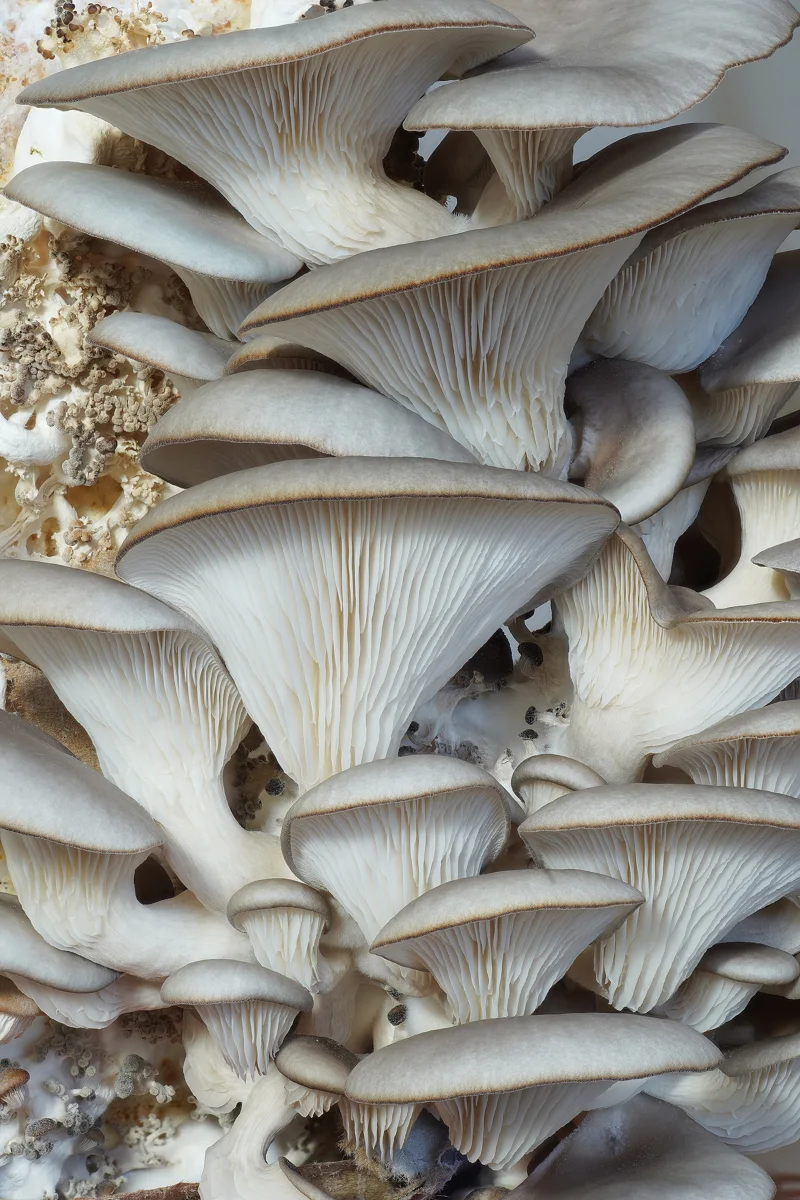
The mushroom market is dominated by a handful of easily grown species. White button (Agaricus bisporus), cremini, and portobello are simply different growth stages of the same species and are widely available in supermarkets. Other common cultivated mushrooms include oyster (Pleurotus ostreatus), shiitake (Lentinula edodes), and king oyster (Pleurotus eryngii). These varieties thrive in controlled environments and account for the bulk of the 50 million tonnes of commercial production reported by the FAO in 2023, with China supplying about 94 % of the total (Wikipedia). More exotic fungi such as truffles, matsutake, and morels are harder to grow and are often harvested from the wild in smaller quantities.
Safe Foraging and Identification
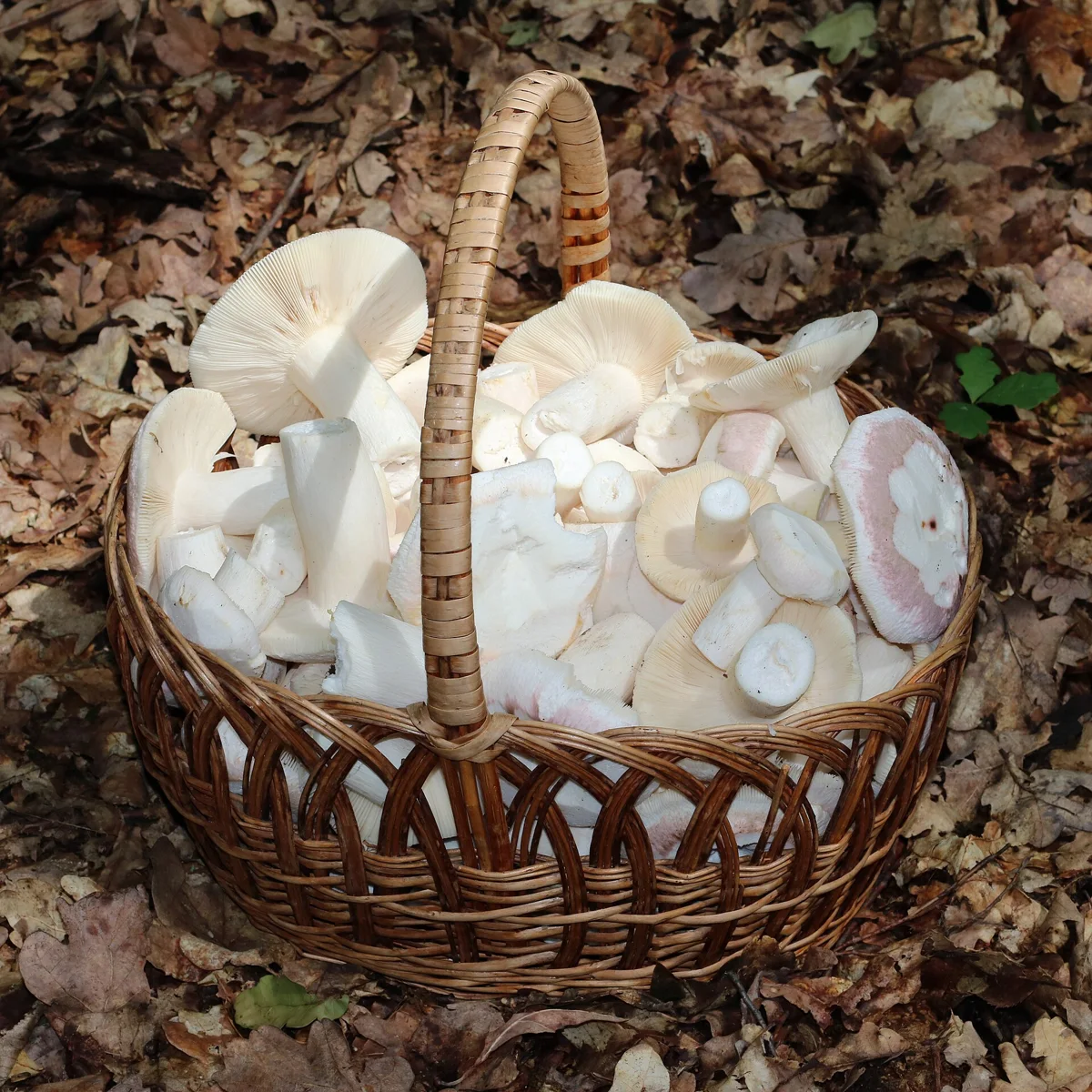
When gathering wild mushrooms, correct identification is essential. Many edible species resemble deadly members of the Amanita genus, especially the death cap (A. phalloides). Mistaking a poisonous mushroom for an edible one can be fatal. Experts recommend using multiple identification cues—cap shape, gill attachment, spore print, and habitat—and, when in doubt, consulting a knowledgeable mycologist. Mobile apps that rely on artificial‑intelligence image recognition can be helpful as a first check but should never replace human expertise (Wikipedia). Additionally, mushrooms that grow in polluted soils may accumulate heavy metals such as cadmium or arsenic, so avoid foraging near industrial sites.
Cooking and Preparation Tips
Most edible mushrooms are best enjoyed cooked, which can neutralize mild toxins present in some species. Simple methods include: - Sautéing: Heat a pan with a splash of oil, add sliced mushrooms, and cook over medium‑high heat until they release their moisture and turn golden. This brings out their natural umami flavor, especially in dried shiitake. - Parboiling: Some varieties, like morels, benefit from a brief boil (2–3 minutes) before further cooking to reduce bitterness. - Roasting: Toss whole mushrooms with olive oil, salt, and herbs, then roast at 200 °C (400 °F) for 15‑20 minutes. Only a few species, such as certain oyster mushrooms, can be eaten raw, but most benefit from heat. After cooking, mushrooms can be canned, dried, pickled, or salted for longer storage.
Growing Mushrooms for the Future
Cultivation is not only a culinary practice but also an ecological one. Commercial production relieves pressure on wild populations, especially prized species like chanterelles that have shown signs of depletion in Europe. Researchers are also exploring mushroom farming in unconventional settings—such as hydroponic farms and even space habitats—to provide a sustainable protein and nutrient source for long‑duration missions. As we look toward sending food to Mars, the compact, low‑resource nature of mushroom cultivation makes it a promising candidate for future off‑world agriculture.
All information is drawn from the Wikipedia article on edible mushrooms and related FAO data.
Sources
This guide is not a foraging or identification manual. Many edible mushrooms have toxic look-alikes. Never eat a wild mushroom unless an expert has identified it in person.
This article was prepared with AI assistance from the sources listed above and approved by the Mushroom 2 Mars team before publication.