A Brief Look Back at Martian Observations
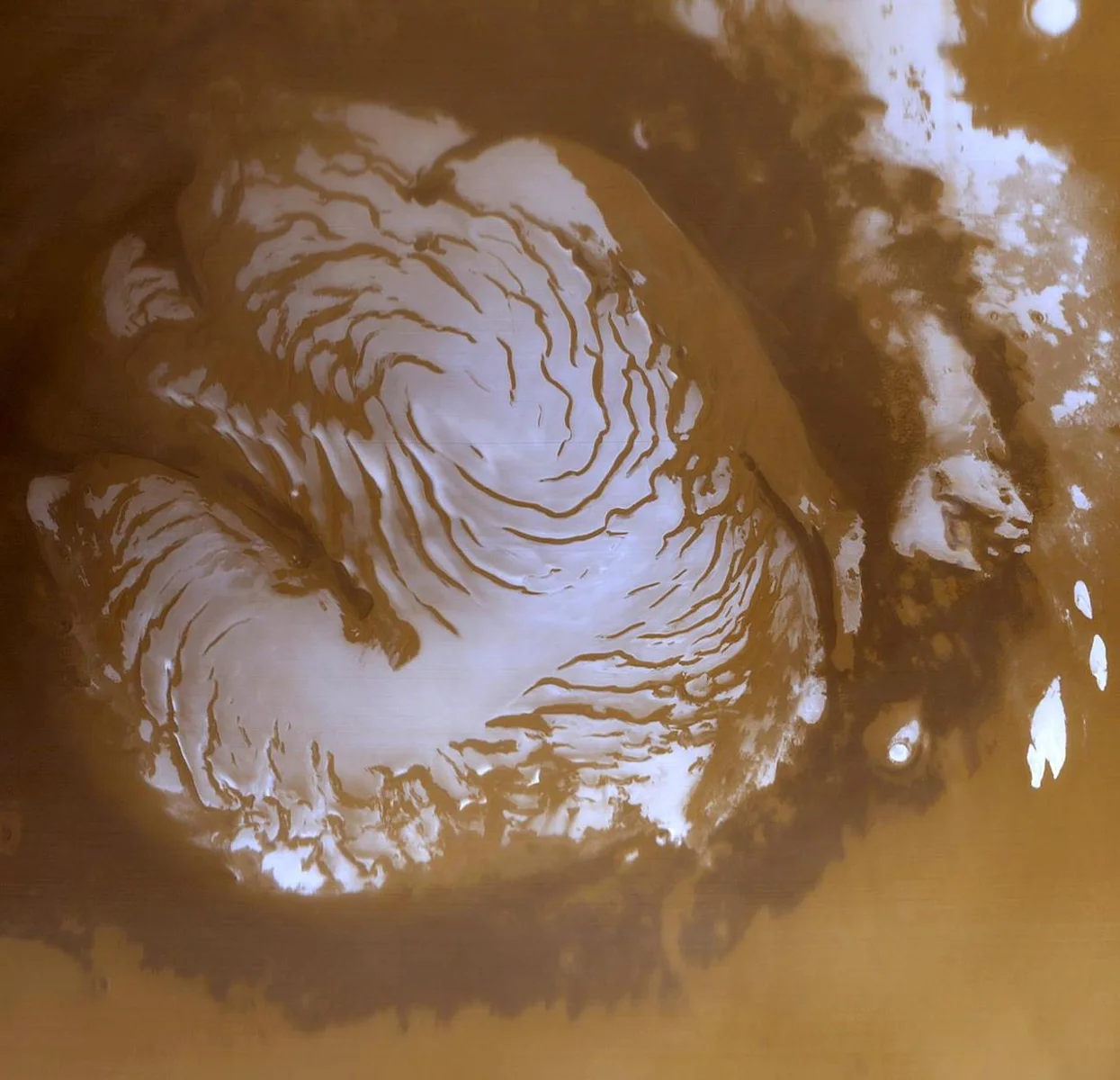
The fascination with Mars’ climate stretches back centuries. In 1704, Giacomo Maraldi noted that the southern polar cap was offset from the planet’s rotational pole, hinting at seasonal shifts. By the early 1800s, William Herschel inferred the thinness of the Martian atmosphere when the planet passed close to two faint stars without dimming their light. The first recorded sighting of a dust storm came in 1809, when Honore Flaugergues described "yellow clouds" drifting across the surface. These early visual clues laid the groundwork for the systematic study that would begin with modern spacecraft.
From Telescopes to Touchdowns: Modern Data Collection
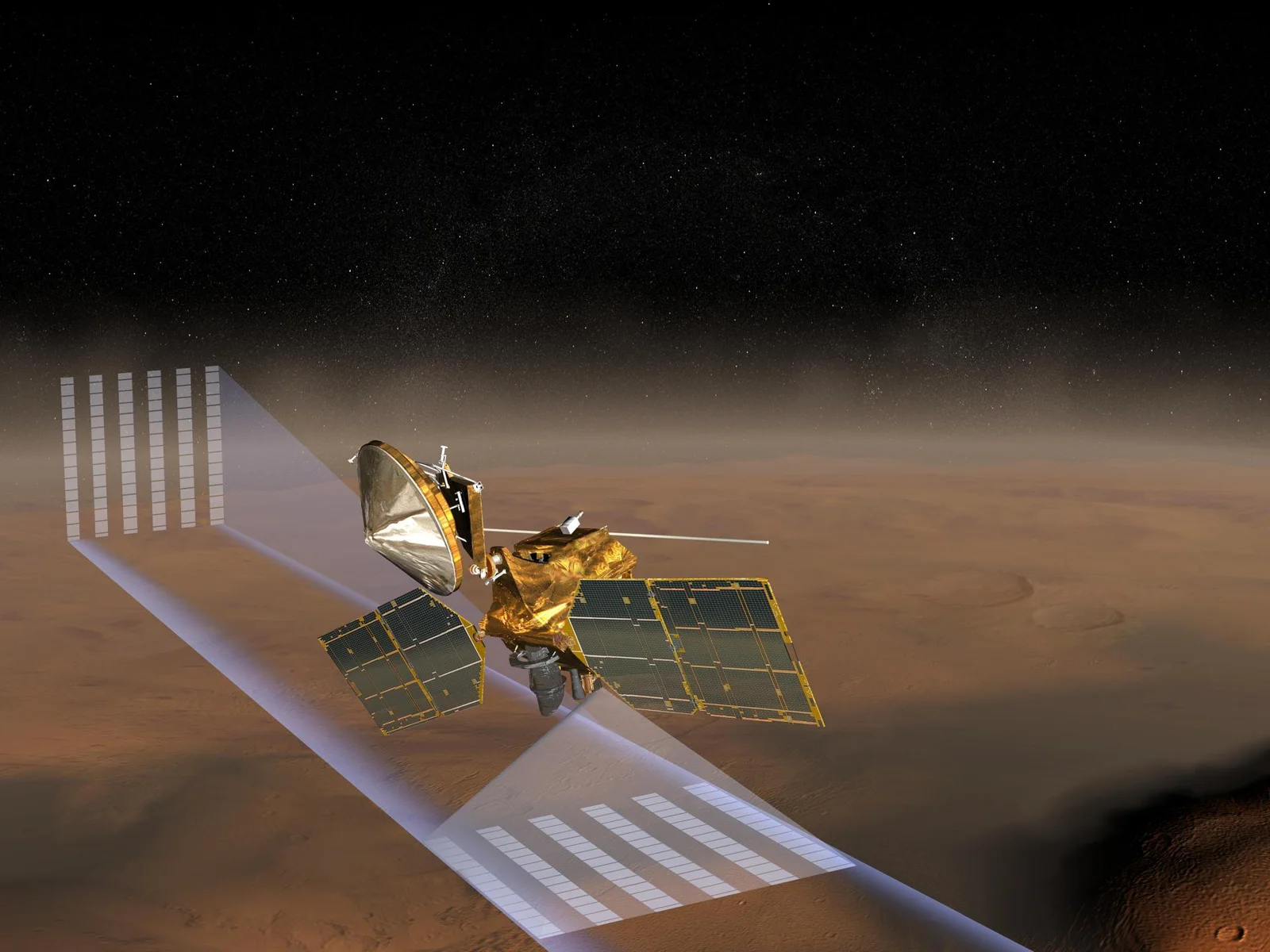
While Earth‑based telescopes have monitored Mars since the 17th century, the mid‑1960s marked a turning point. The Mariner 4 flyby in 1965 provided the first close‑up measurements, albeit limited. Subsequent missions—Mariner 6 and 7, the Viking landers (1975), and later orbiters such as the Mars Reconnaissance Orbiter—have supplied a rich suite of atmospheric data. Landers and rovers now record temperature, pressure, and wind speed directly on the ground, while orbital instruments map large‑scale weather patterns from above. Together, these observations feed sophisticated computer simulations known as Mars General Circulation Models (MGCMs), which help scientists test hypotheses about the planet’s climate dynamics.
The Layers of Martian Time: Paleoclimatology
Geologists divide Mars’ history into three major eras based on crater density: the Noachian, Hesperian, and Amazonian. A parallel mineralogical timeline (Phyllocian, Theikian, Siderikian) offers another lens. During the Noachian (over 4 billion years ago), evidence suggests a thicker, carbon‑dioxide‑rich atmosphere. Spectral analysis of ancient clay deposits shows little carbonate, implying that any CO₂‑driven weathering produced only modest amounts of carbonate that may have later dissolved.
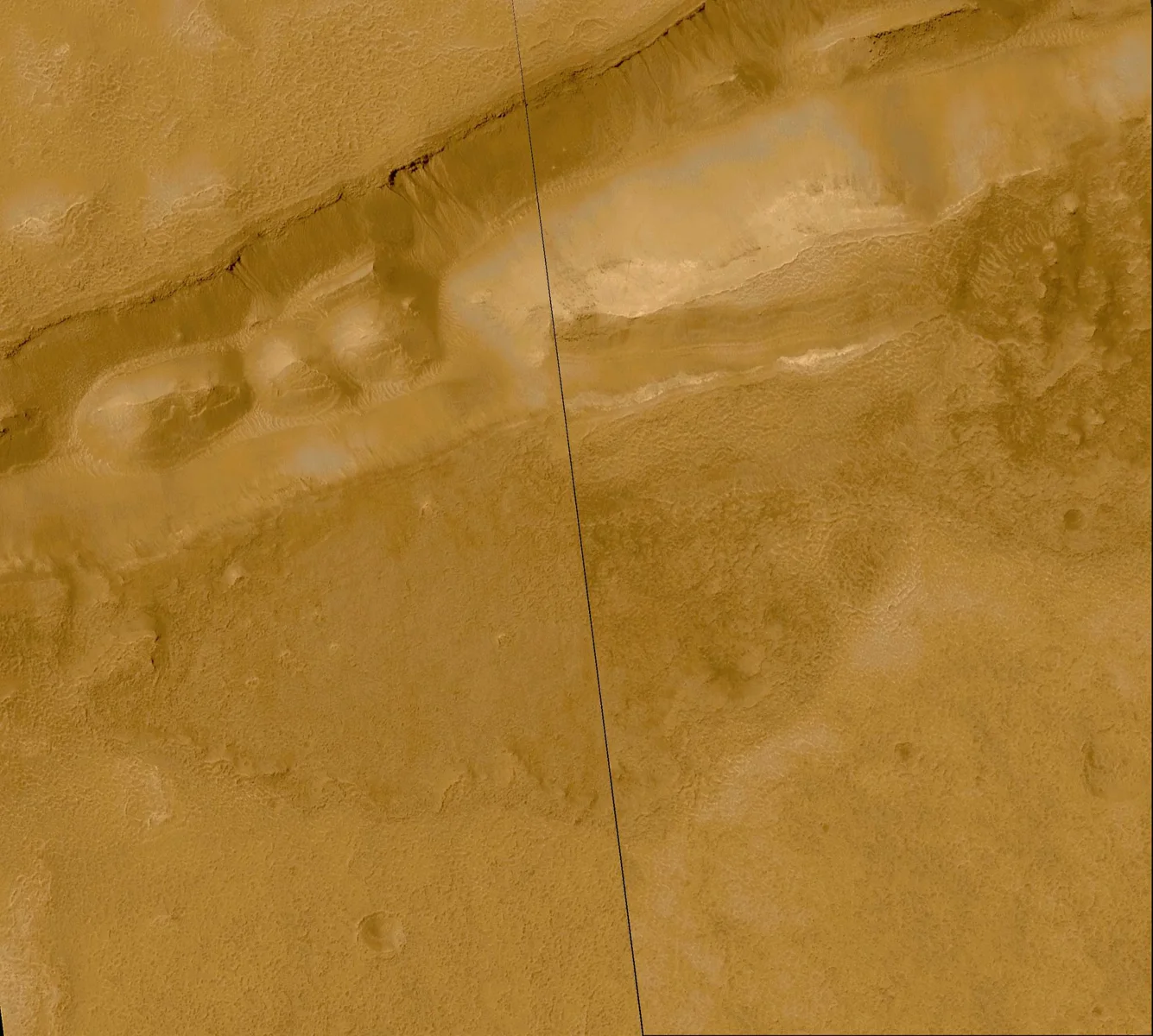
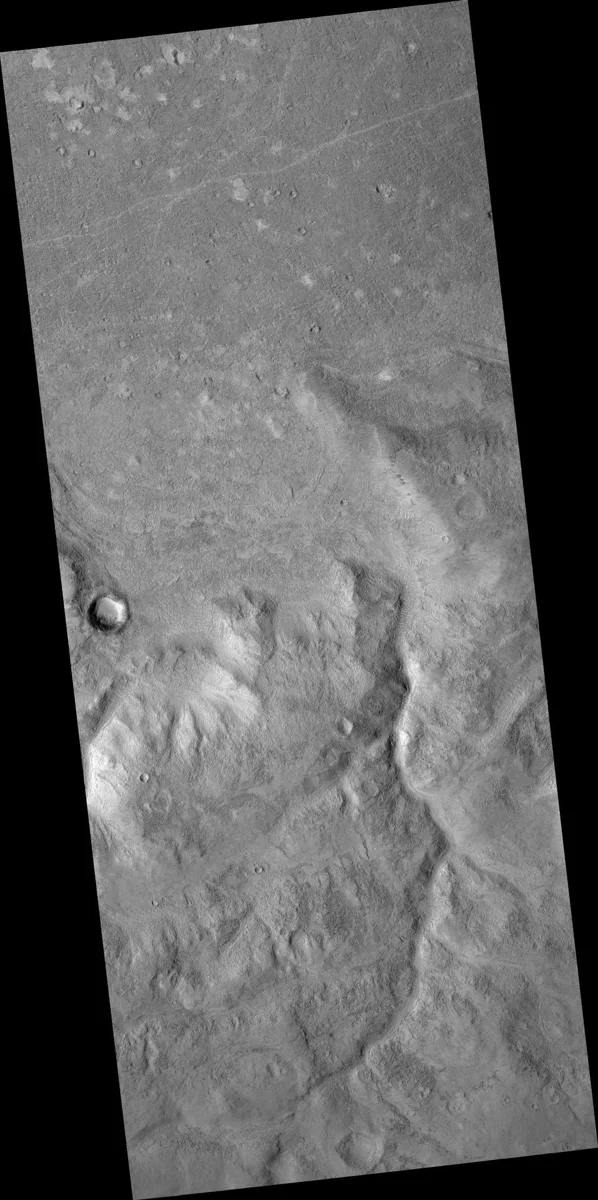
Key discoveries by the Opportunity and Spirit rovers—hematite, jarosite, and goethite—indicate that liquid water once flowed on the surface. Crater morphologies and valley networks further support a warmer, wetter climate in that epoch. Yet, analyses of Martian meteorites suggest near‑surface temperatures have remained below freezing for the past four billion years, highlighting a complex climate transition.
Volcanic activity, especially from the massive Tharsis region, likely played a pivotal role. Massive eruptions would have released water vapor and CO₂, potentially thickening the atmosphere enough to raise surface temperatures. Some models propose that enough CO₂ could have created a greenhouse effect comparable to Earth’s, allowing oceans or lakes to exist. However, reproducing sustained above‑freezing temperatures in global climate models remains challenging, underscoring uncertainties in the planet’s early climate.
Today’s Weather: Seasons, Ice Caps, and Dust
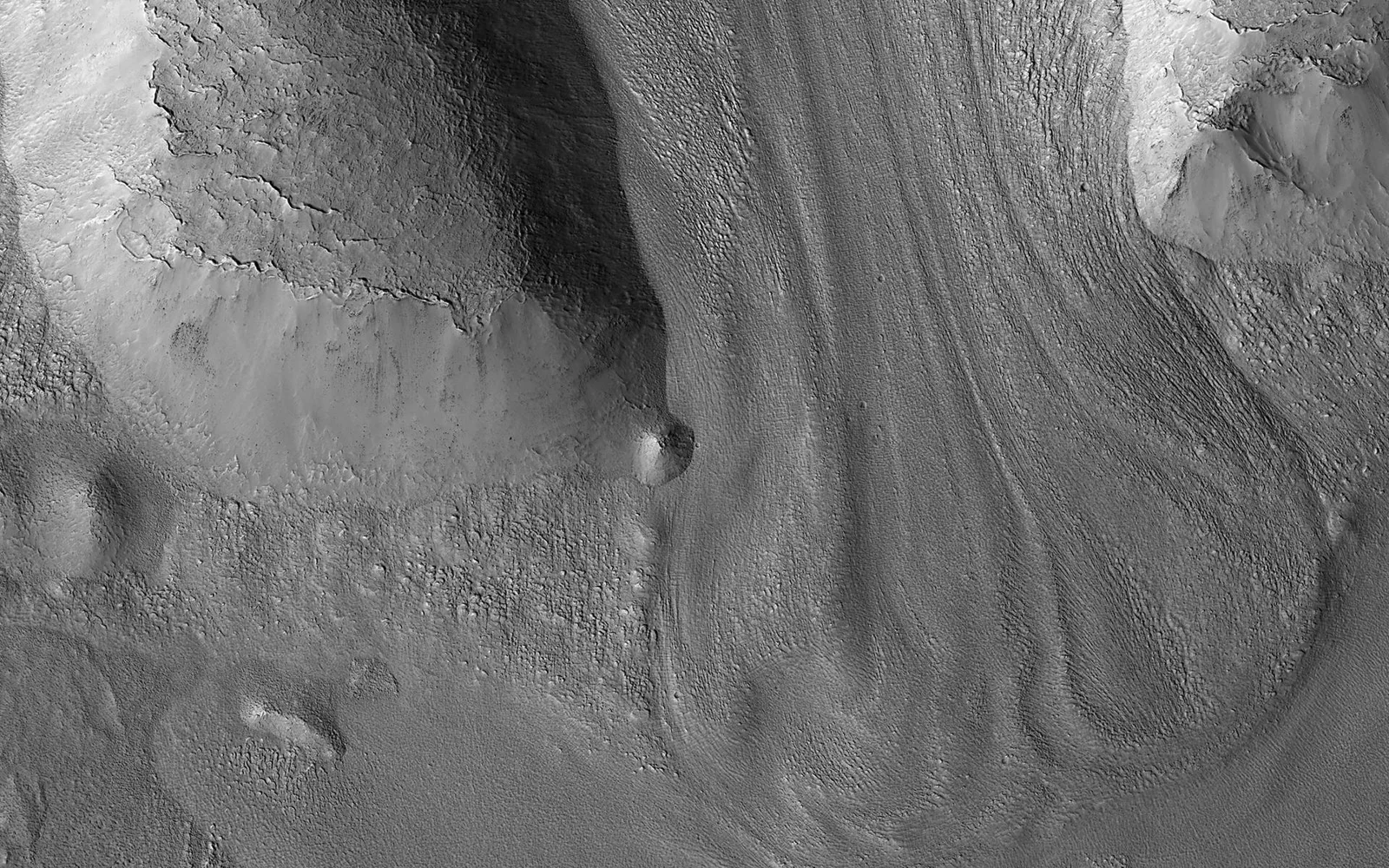
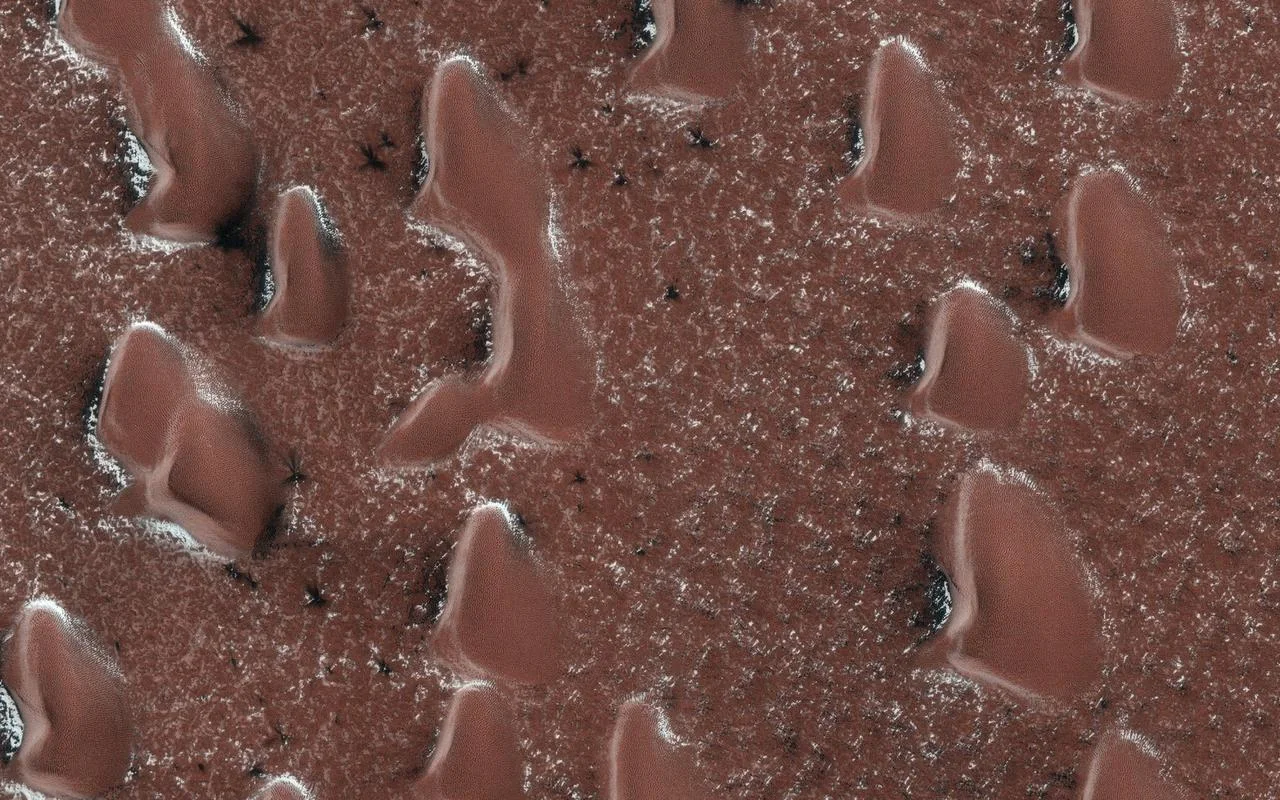
Modern Mars exhibits a surprisingly Earth‑like seasonal cycle despite its thin air. The planet’s axial tilt (≈25°) produces comparable seasonal variations, driving the growth and retreat of polar ice caps each year. The caps are composed of water ice and seasonal carbon‑dioxide frost, expanding in winter and sublimating in summer.
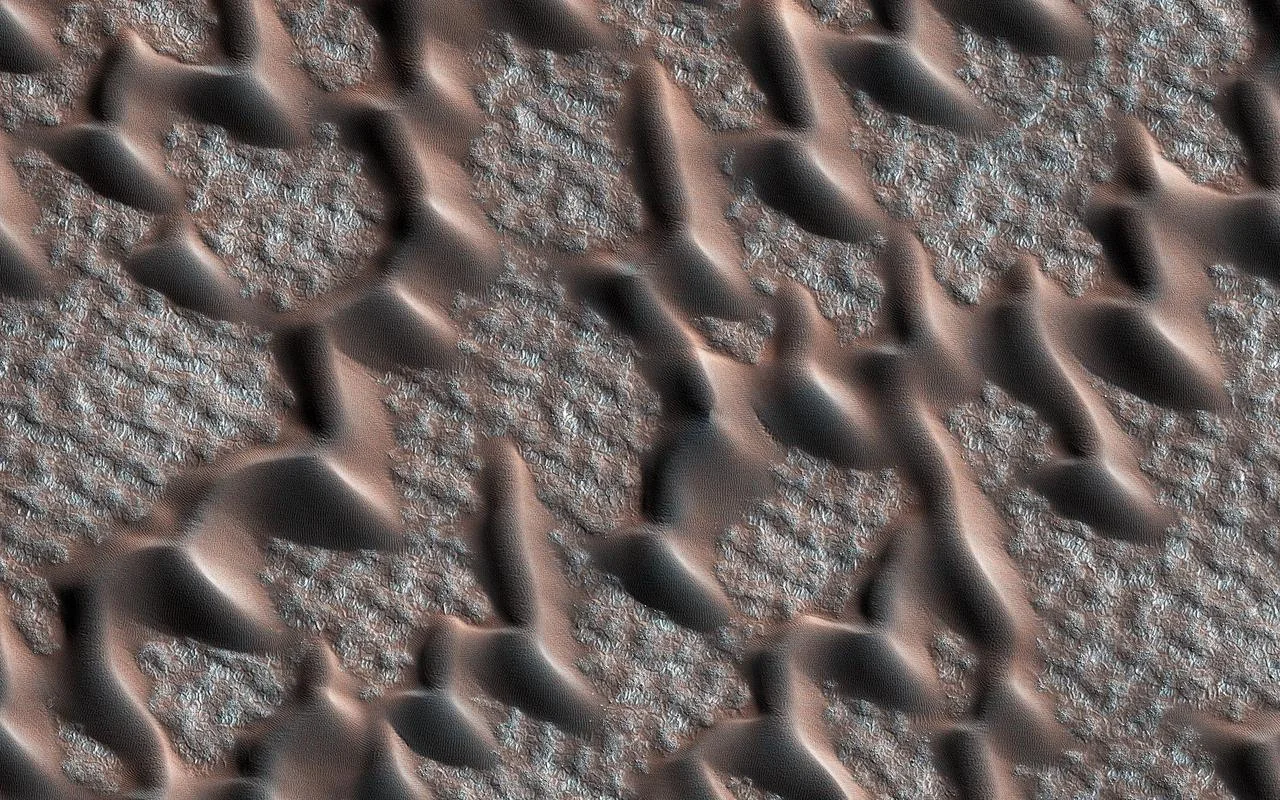
Mars’ atmosphere has a scale height of about 11 km—roughly 60 % greater than Earth’s—reflecting its lower gravity and thin air. Surface pressures hover around 600 Pa (less than 1 % of Earth’s sea‑level pressure), leading to low thermal inertia: the ground heats up quickly during daylight and cools rapidly at night.
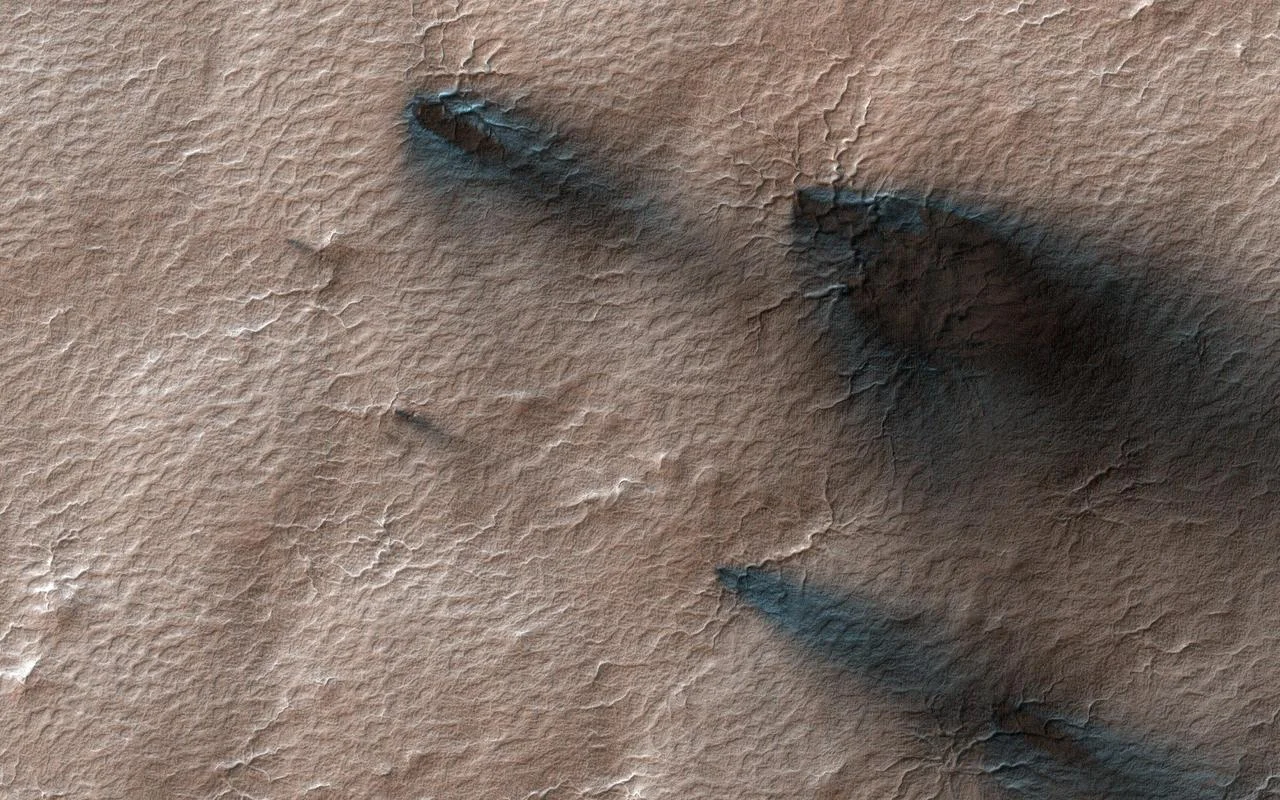
Dust storms are a hallmark of Martian weather. Small, local dust devils pepper the landscape daily, while planet‑wide storms can envelop the entire globe, reducing sunlight for weeks. These storms lift fine particles into the thin atmosphere, influencing temperature gradients and even affecting solar‑powered rover operations.
Why Climate Matters for Life and Future Cultivation
Understanding Mars’ climate is essential for assessing its habitability. The presence of seasonal ice, occasional liquid brines, and past warm periods fuels ongoing debates about whether microbial life could have existed—or might still persist—in protected niches.
For projects like Mushroom 2 Mars, climate insights guide the design of controlled habitats. Knowing the range of temperature swings, atmospheric pressure, and dust activity helps engineers create sealed growth chambers that mimic optimal mushroom conditions while shielding crops from harsh external factors.
Looking Ahead: Climate Research and Exploration
Future missions will continue to refine our picture of Martian weather. The Perseverance rover’s instruments, combined with orbiters like MAVEN, are monitoring atmospheric escape and seasonal CO₂ cycles. Planned sample‑return missions aim to bring ancient rocks back to Earth, offering direct clues about past climates.
As we piece together Mars’ climatic story—from ancient ice ages to modern dust storms—we not only deepen our scientific knowledge but also pave the way for sustainable human activities on the Red Planet, including the ambitious goal of growing mushrooms under Martian skies.
One day, the same climate data that informs rover routes may help us decide where to place the first mushroom farms on Mars.
Sources
This article was prepared with AI assistance from the sources listed above and approved by the Mushroom 2 Mars team before publication.