Glaciers on the Red Planet
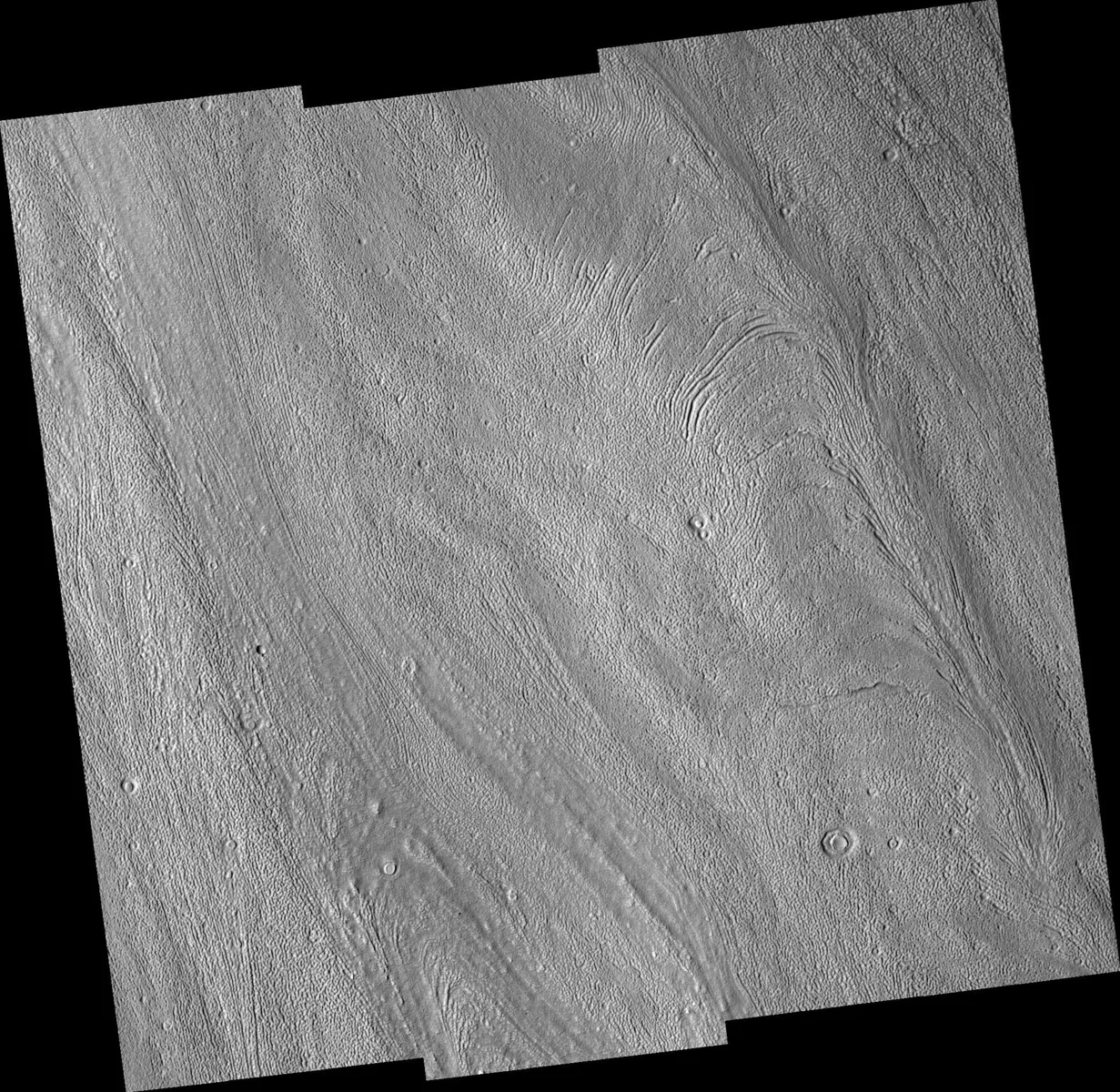
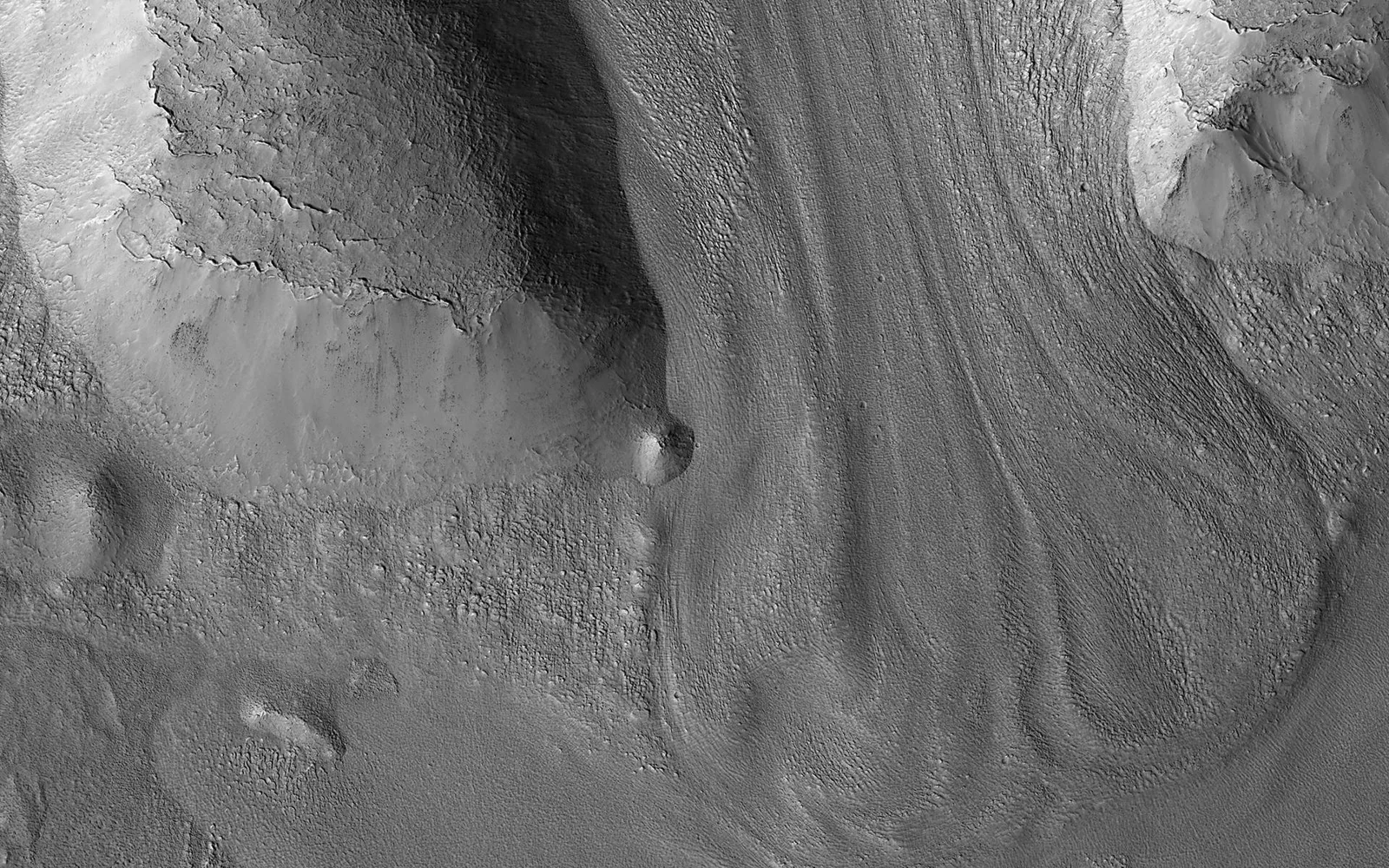
Mars hosts a variety of ice‑rich landforms that scientists call glaciers. In planetary terms a glacier is any patch of ice that is currently or recently flowing, even if it is buried under a thin veil of dust. The most convincing examples are the lobate convex features known as viscous flow features and the associated lobate debris aprons (LDAs), which behave like non‑Newtonian fluids and are now widely accepted as true glaciers.
Surface Expressions of Ice Flow
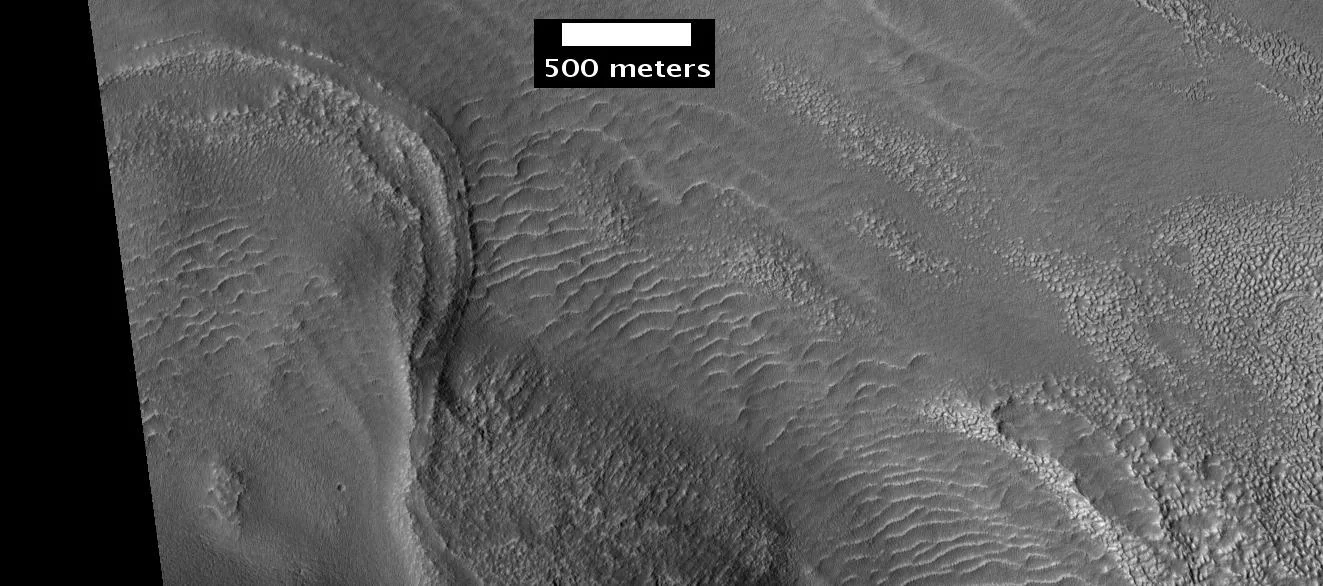
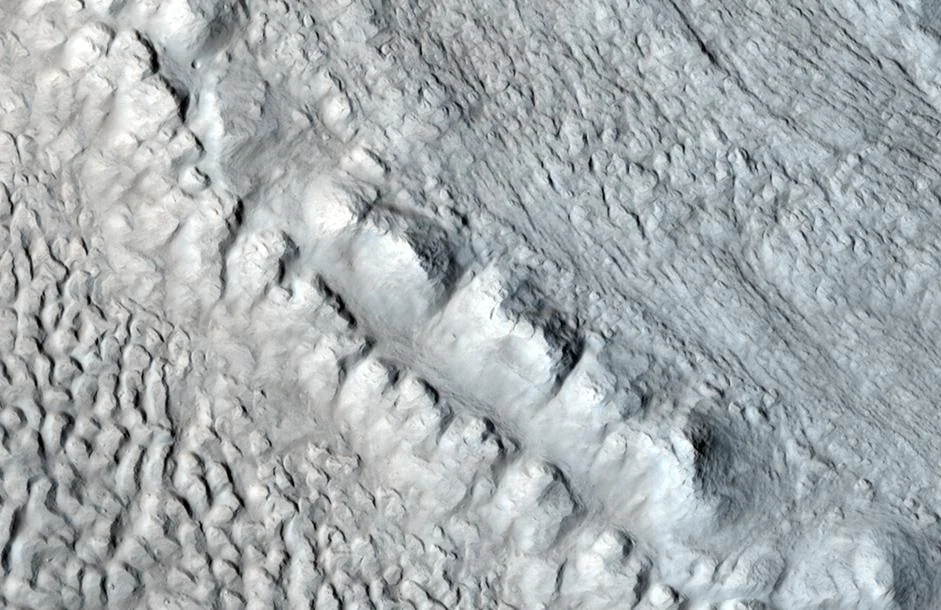
Beyond LDAs, several other landforms point to past or present ice movement. Lineated valley fill (LVF) appears where ice is confined within valleys, while LDAs are the same ice‑debris mixture spilling out onto open slopes. Other textures—concentric crater fill, arcuate ridges, and fretted terrain—are interpreted as the surface response to sublimating ice. In many cases the glaciers leave behind moraines, the piles of rock and dust that once rode atop the ice, creating a landscape that mirrors Earth’s alpine valleys.
Where the Glaciers Live
Today, ice‑bearing features are largely found poleward of about 30° latitude, with notable clusters in the Ismenius Lacus quadrangle. At these latitudes the thin Martian atmosphere cannot keep exposed water ice stable; instead the ice is insulated by a protective blanket of dust or rock. This dust layer slows sublimation, allowing glaciers to persist for millions of years despite the harsh climate.
Radar Reveals Pure Ice
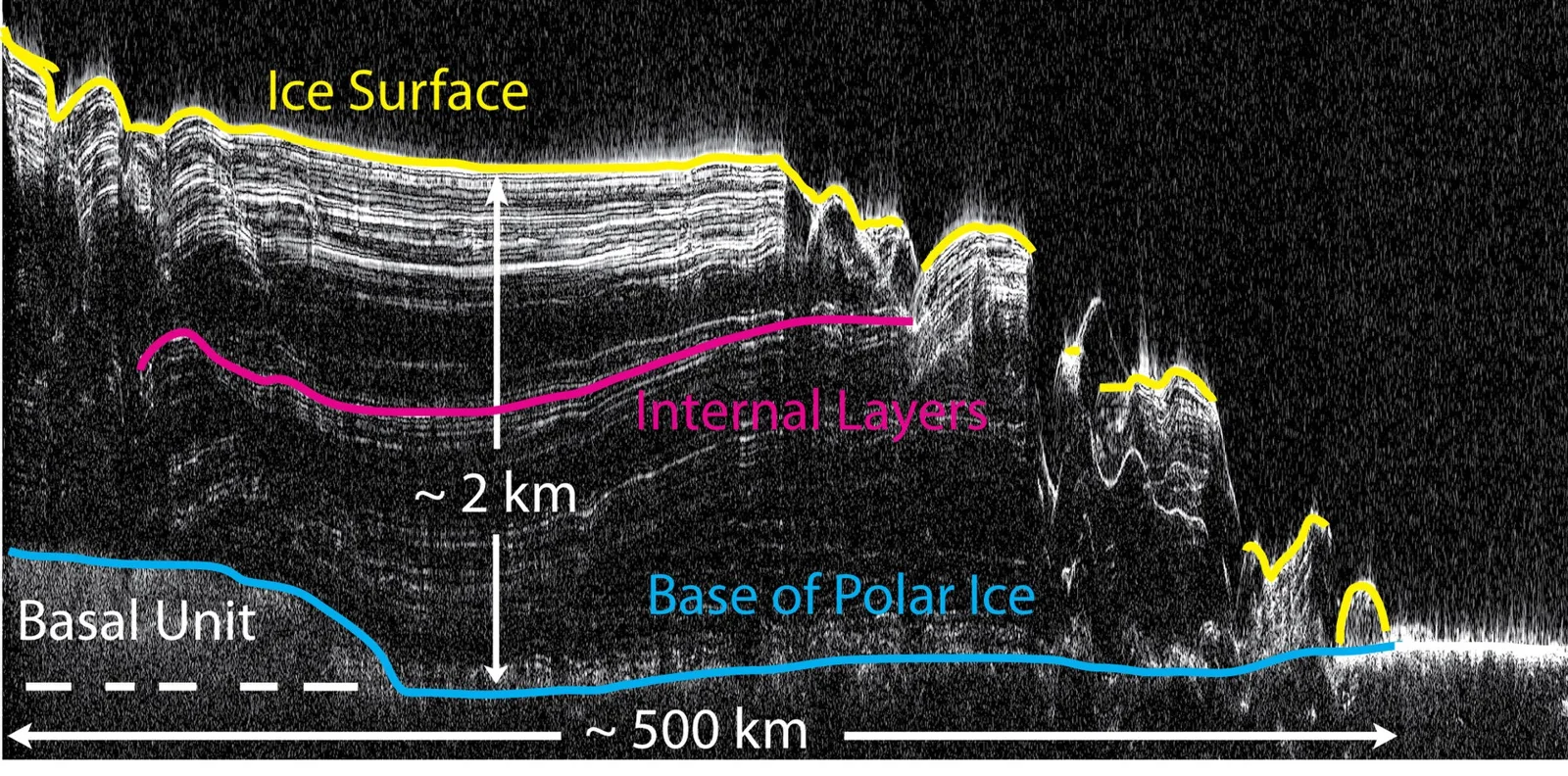
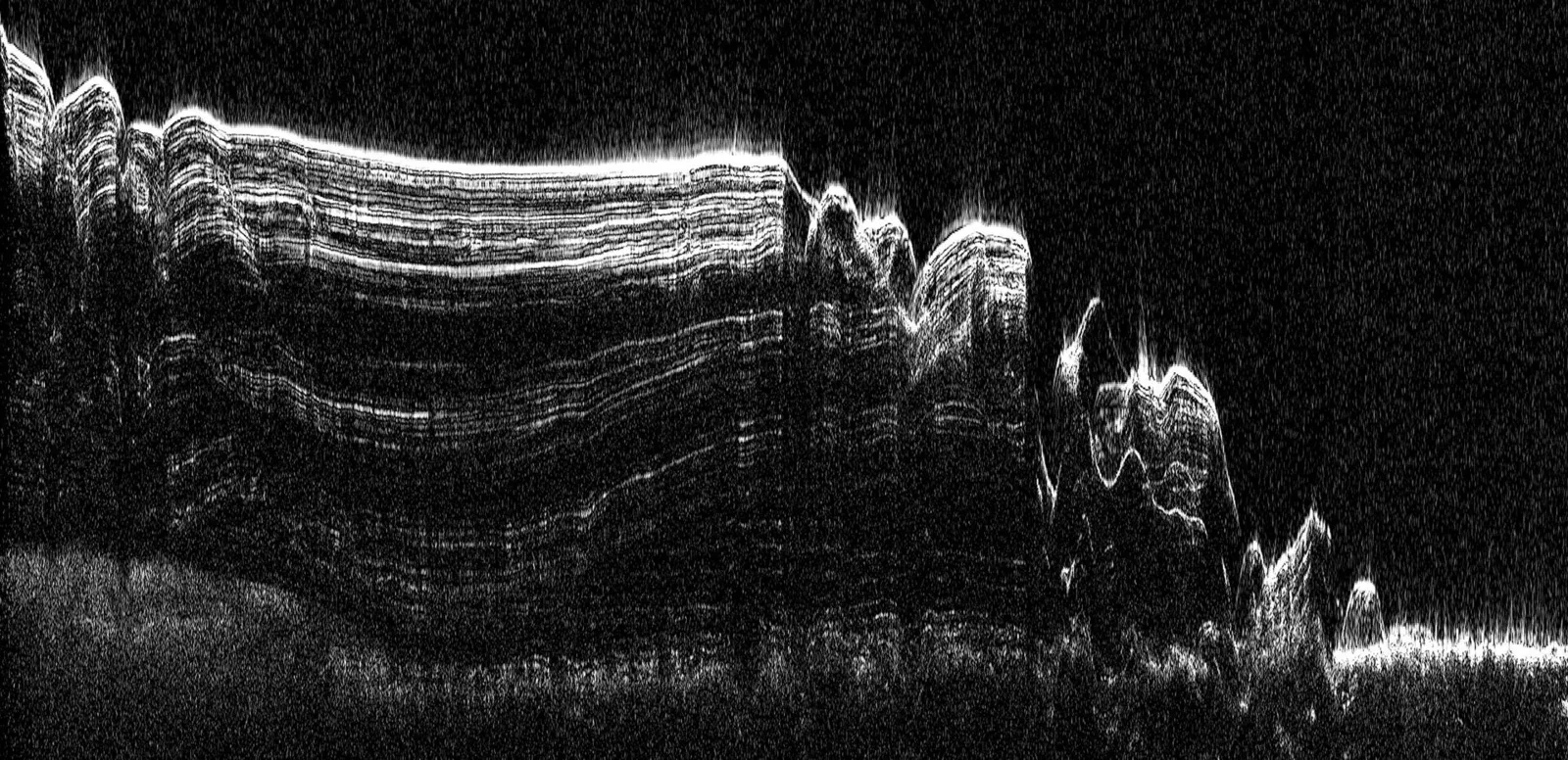
The SHARAD radar instrument aboard the Mars Reconnaissance Orbiter has been pivotal in confirming the nature of these features. Radar echoes show that many LDAs and LVFs consist of nearly pure water ice covered by a thin debris skin. Analyses suggest that the ice within all known Martian glaciers could blanket the planet with roughly 1.1 m of ice if spread evenly. In some cases the ice purity reaches about 80 %, confirming that these are not merely rock glaciers but genuine ice bodies.
Climate Cycles and Obliquity
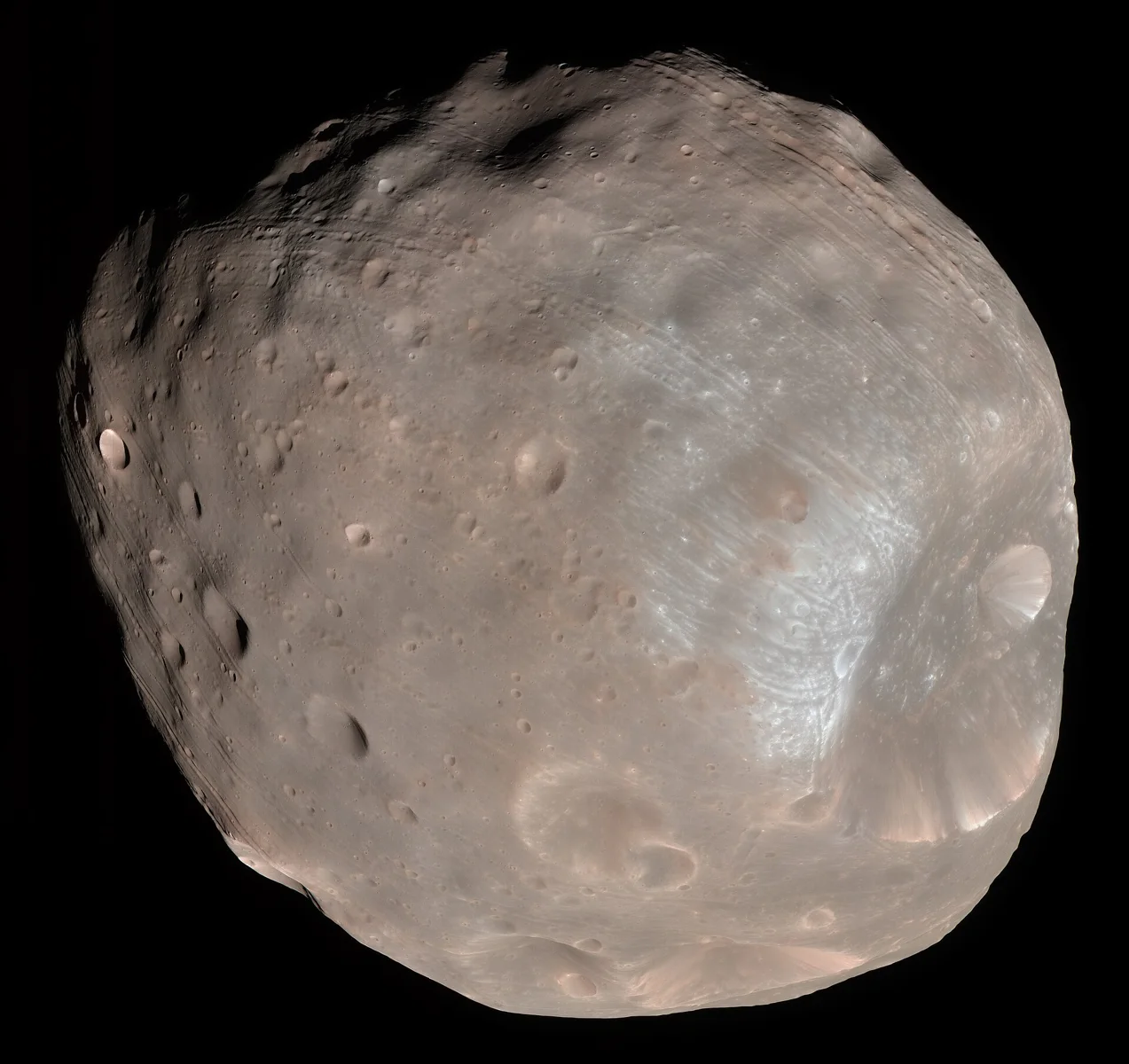
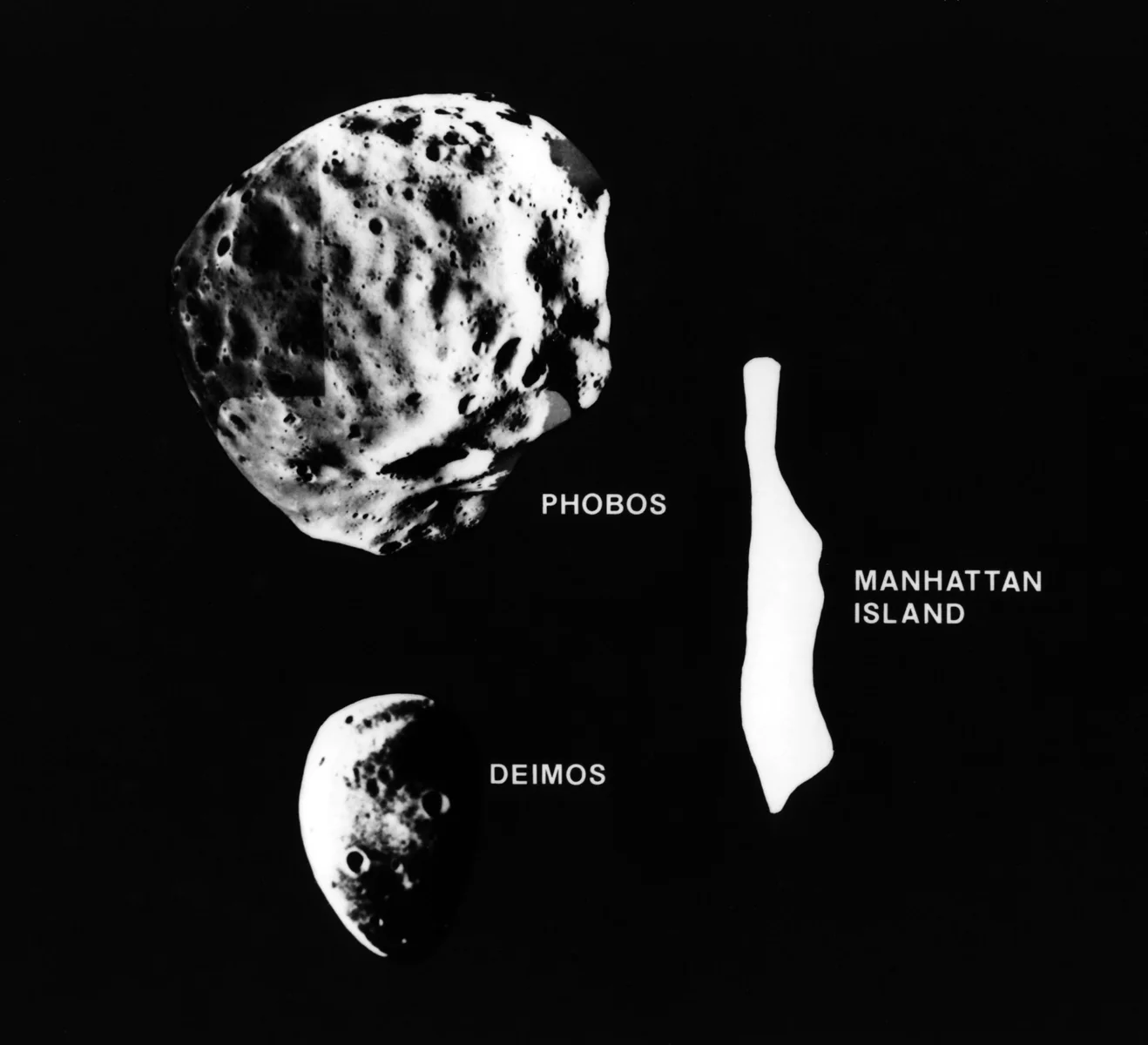
Mars’ axial tilt—or obliquity—varies dramatically over millions of years because its two small moons cannot stabilize the planet like Earth’s Moon does. When the tilt spikes to 45° (compared with today’s 25°) the poles become less cold, and solid carbon dioxide (dry ice) sublimates, raising atmospheric pressure. The denser atmosphere can loft more dust, and moisture condenses onto dust grains, falling as snow or ice‑laden dust in the mid‑latitudes. These deposits become the source material for the LDAs and LVFs we see today. As the tilt returns to lower values, the ice sublimates, leaving a lag deposit of dust that protects any remaining ice for the next high‑tilt episode.
The Possibility of CO₂ Glaciers
While water ice dominates the known glacial features, some researchers have proposed that under rare conditions solid carbon dioxide could also form glacier‑like flows. These would be transient, forming when atmospheric pressure briefly exceeds the sublimation point of CO₂ during extreme obliquity peaks. Direct evidence remains limited, but the idea underscores how dynamic Mars’ climate can be.
Looking Ahead: Glaciers and the Dream of Martian Agriculture
Understanding Martian glaciers is more than an academic pursuit. The hidden reservoirs of water ice could one day supply the resources needed for mushroom cultivation and other life‑support systems in a Mars colony. By studying how dust shields ice on the planet today, engineers can design better habitats that protect stored water and even grow fungi under Martian conditions.
Sources
This article was prepared with AI assistance from the sources listed above and approved by the Mushroom 2 Mars team before publication.