Unraveling Mars’ Past with Stratigraphy
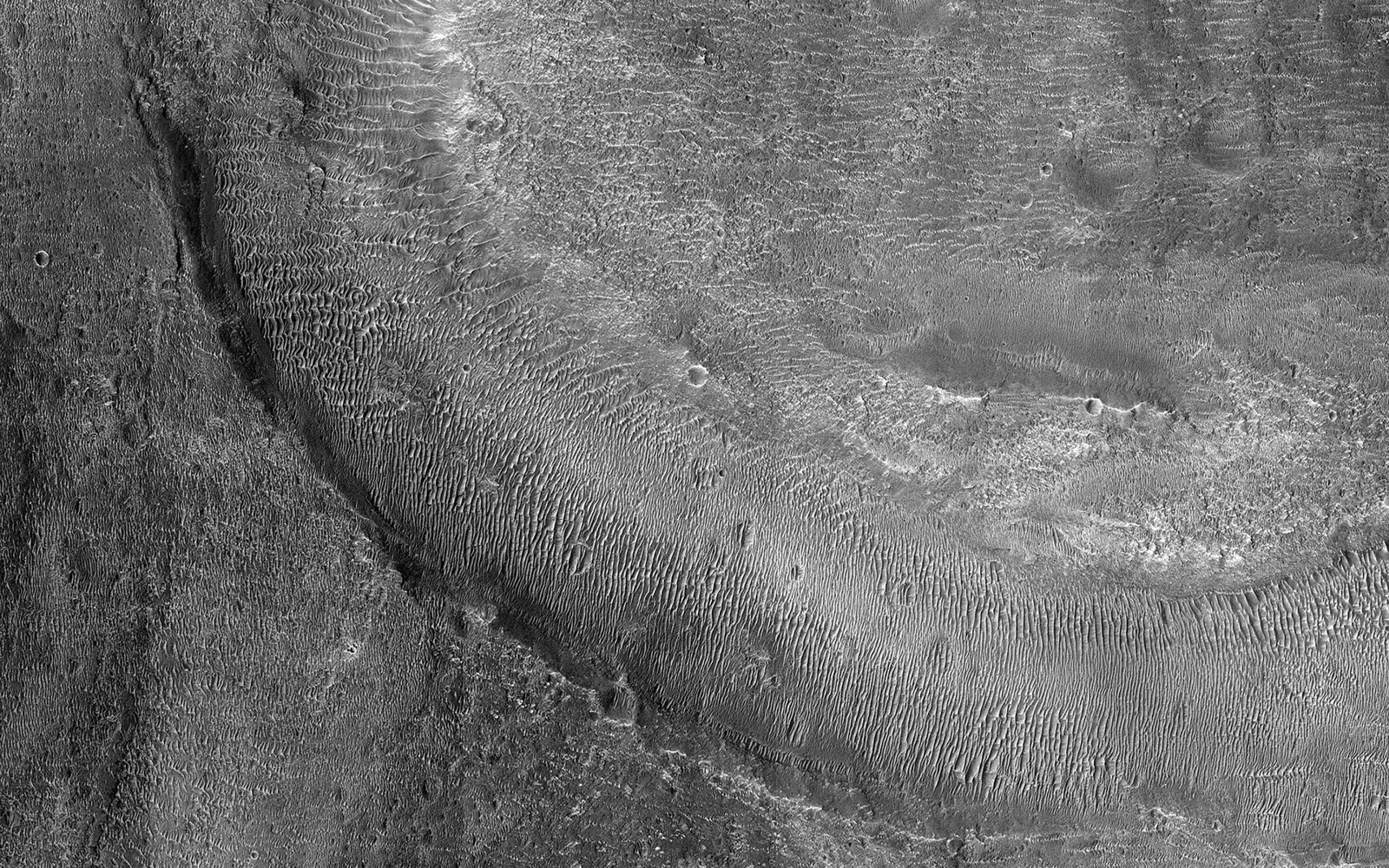
The story of Mars is written in its rocks, lava flows, and impact craters. Scientists apply the same principles that helped decode Earth’s layers—law of superposition, crater counting, and stratigraphic relationships—to the Red Planet. By observing which features overlay others, researchers can infer a relative sequence: a lava plain that fills a crater must be younger than the crater, while a smaller crater that sits on that plain is younger still. This logical ordering, first formalized by 17th‑century geologist Nicholas Steno, provides the backbone for Mars’ geologic timescale.
Counting Craters: A Cosmic Clock
Unlike Earth, where erosion constantly reshapes the surface, many Martian terrains preserve impact scars for billions of years. The density of craters larger than a given size per million square kilometres offers a relative age indicator: heavily cratered regions are ancient, sparsely cratered ones are young. By mapping crater numbers across the planet, researchers have identified four broad periods that correspond to distinct surface‑forming events. While absolute dates remain uncertain, this method supplies a useful framework for comparing different Martian landscapes.
The Pre‑Noachian: Building the Planet (≈4.5–3.8 Gya)
The earliest chapter begins shortly after Mars finished accreting material and differentiating into core, mantle, and crust. During this interval, the planet’s crustal dichotomy— the stark contrast between the low‑lying northern plains and the highland southern terrain—likely formed. Massive impact basins such as Hellas, Argyre, and Isidis also originated, carving deep depressions that would later host volcanic and fluvial activity. Most of the geological record from this time has been erased by later erosion and an intense bombardment of meteoroids, leaving only the broad outlines of these ancient structures.
The Noachian Era: A Wet, Crater‑Strewn World (≈4.1–3.7 Gya)
Named after the Noachis Terra region, the Noachian period preserves the oldest surfaces we can still see today. These terrains are riddled with large impact craters, testifying to a time of frequent collisions. At the same time, the massive Tharsis volcanic bulge began to rise, reshaping the planet’s topography. Crucially, geological evidence points to abundant liquid water: extensive valley networks, possible lake basins, and sedimentary deposits suggest that rivers once carved the landscape and that standing bodies of water—perhaps even an ocean—covered parts of the planet’s surface. This combination of volcanism and water makes the Noachian a focal point for studies of past habitability.
The Hesperian: Volcanic Floods and Catastrophic Water (≈3.7–3.0 Gya)
During the Hesperian, volcanic activity dominated. Vast lava plains spread across the planet, and the foundations of Olympus Mons—the Solar System’s tallest volcano—likely began to form. At the same time, massive outflow channels were carved when subterranean water reservoirs were suddenly released, scouring the terrain around regions like Chryse Planitia. These cataclysmic floods may have filled temporary lakes or seas in the northern lowlands, hinting at episodic wet conditions even as the overall climate grew dryer.
The Amazonian: A Cold, Quiet Present (≈3.0 Gya–Present)
The Amazonian period, named after the Amazonis Planitia plain, marks the most recent chapter of Martian geology. Surface activity slowed dramatically; fewer large impacts and reduced volcanic output characterize this era. Isolated volcanic eruptions still occur, and localized water‑related processes—such as briny seeps and seasonal frost—persist, but the planet’s climate is now cold and arid. Modern observations from orbiters and rovers reveal scattered dust storms, basaltic sand dunes, and occasional perchlorate‑rich deposits, all pointing to a planet that is largely geologically dormant.
From Craters to Cultivation: Why Mars’ History Matters for Mushroom Farming
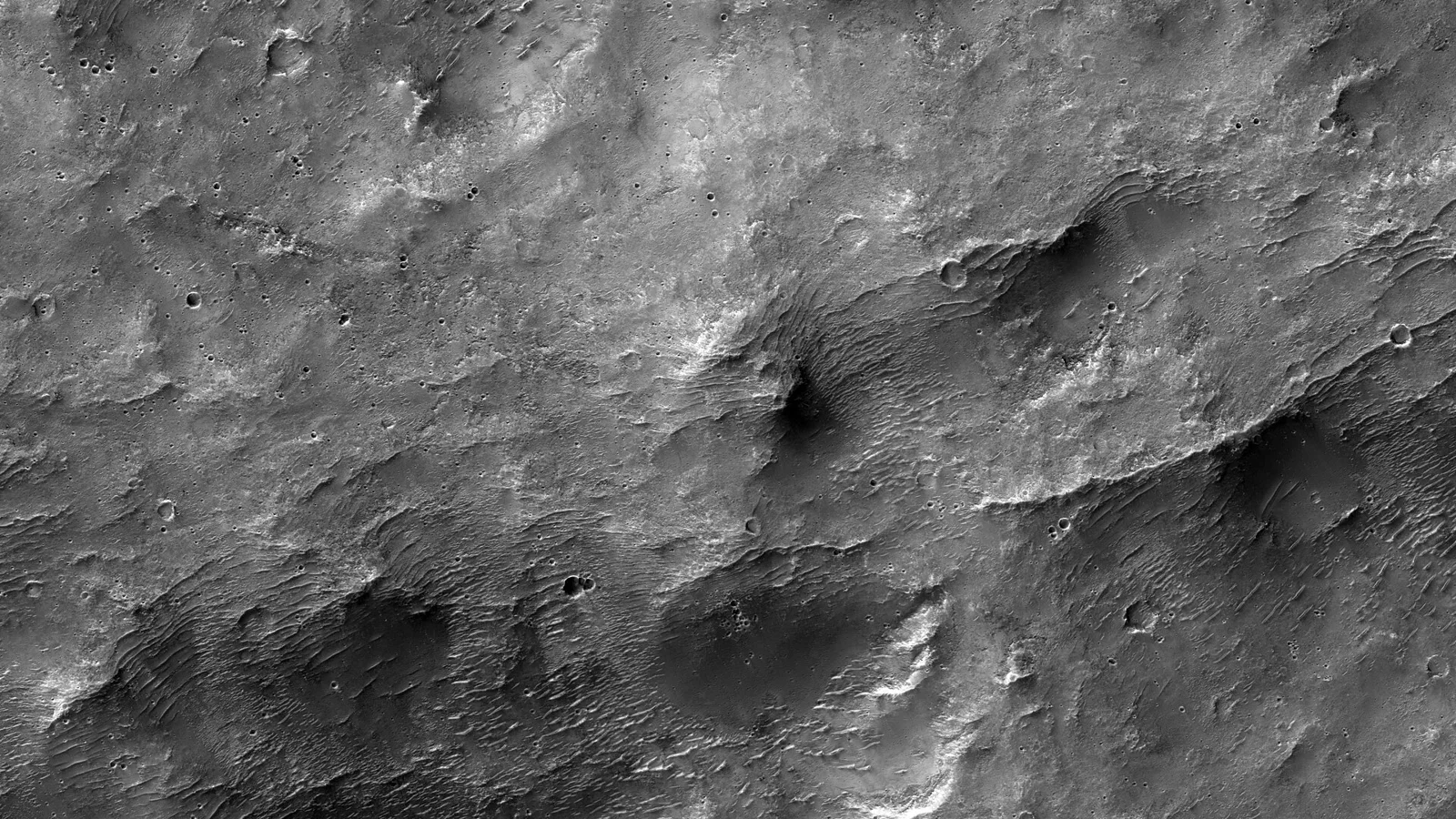
Understanding the timing and nature of Martian surface processes helps future settlers decide where to grow mushrooms. Ancient basaltic plains from the Amazonian era provide stable, mineral‑rich substrates, while older Noachian valleys may retain subsurface ice that could be harvested for irrigation. By matching the planet’s geological past with present‑day resources, Mushroom 2 Mars can design habitats that make the most of Mars’ layered history—turning ancient volcanic rock into fertile mushroom beds on the way to the stars.
Sources
This article was prepared with AI assistance from the sources listed above and approved by the Mushroom 2 Mars team before publication.