Launch and Mission Architecture
On 28 May 1971, the Soviet Union launched the Mars 3 probe aboard a Proton‑K rocket with a Blok D upper stage. The spacecraft weighed a total of 4,650 kg and consisted of two main parts: a 3,440 kg orbital module and a 1,210 kg lander. At 4.1 m tall and 2 m across (nearly 6 ft wide with its solar panels deployed), the craft resembled a compact, self‑contained laboratory ready for a long journey to the fourth planet.
The Orbiter’s Scientific Toolkit
The 4M‑V orbiter was designed to map Mars’ topography, analyze soil chemistry, and monitor atmospheric conditions. Its payload included instruments for measuring solar radiation, the solar wind, and magnetic fields both around Mars and in interplanetary space. Acting as a communications relay, the orbiter also carried the lander’s data back to Earth.
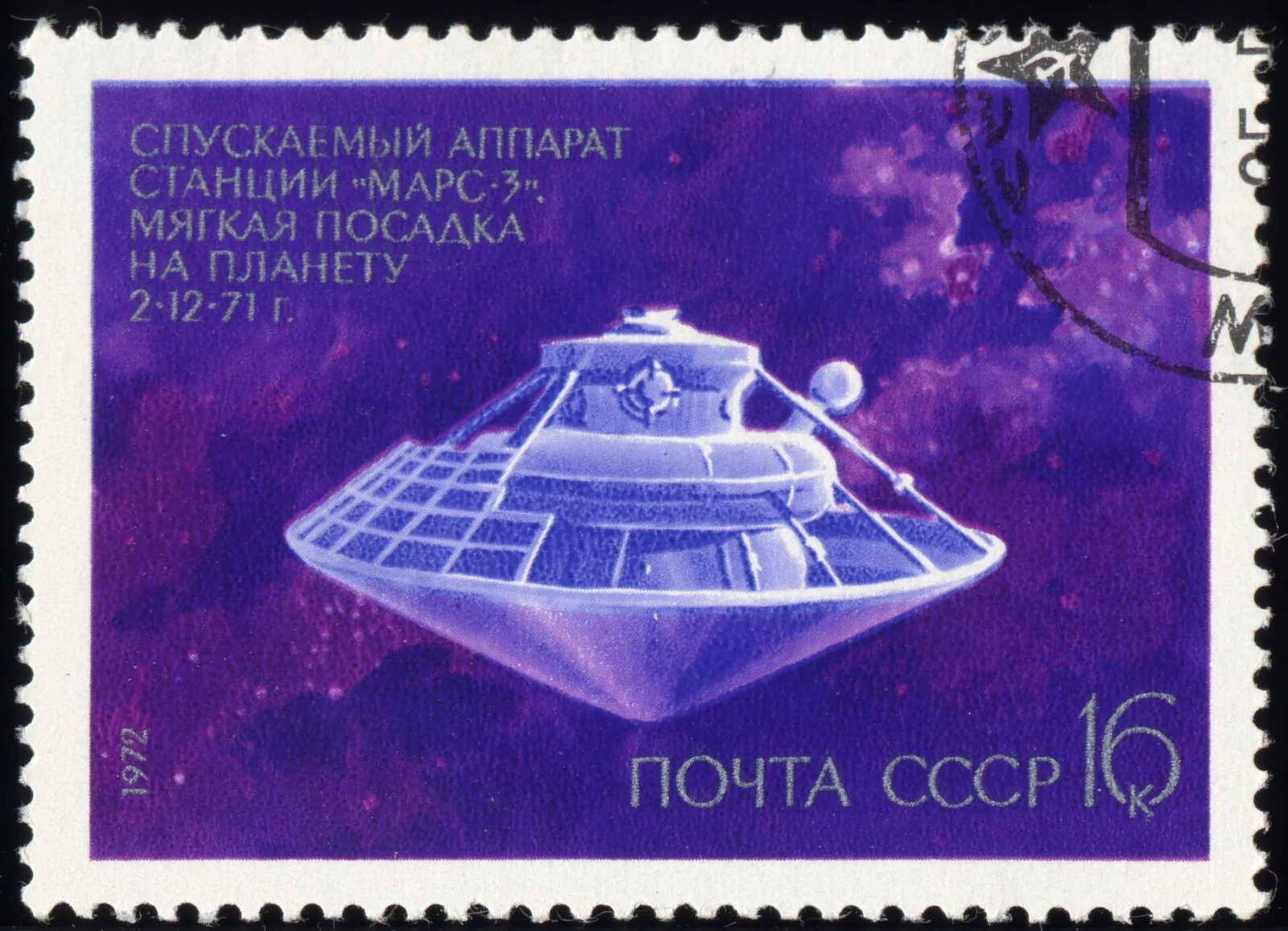
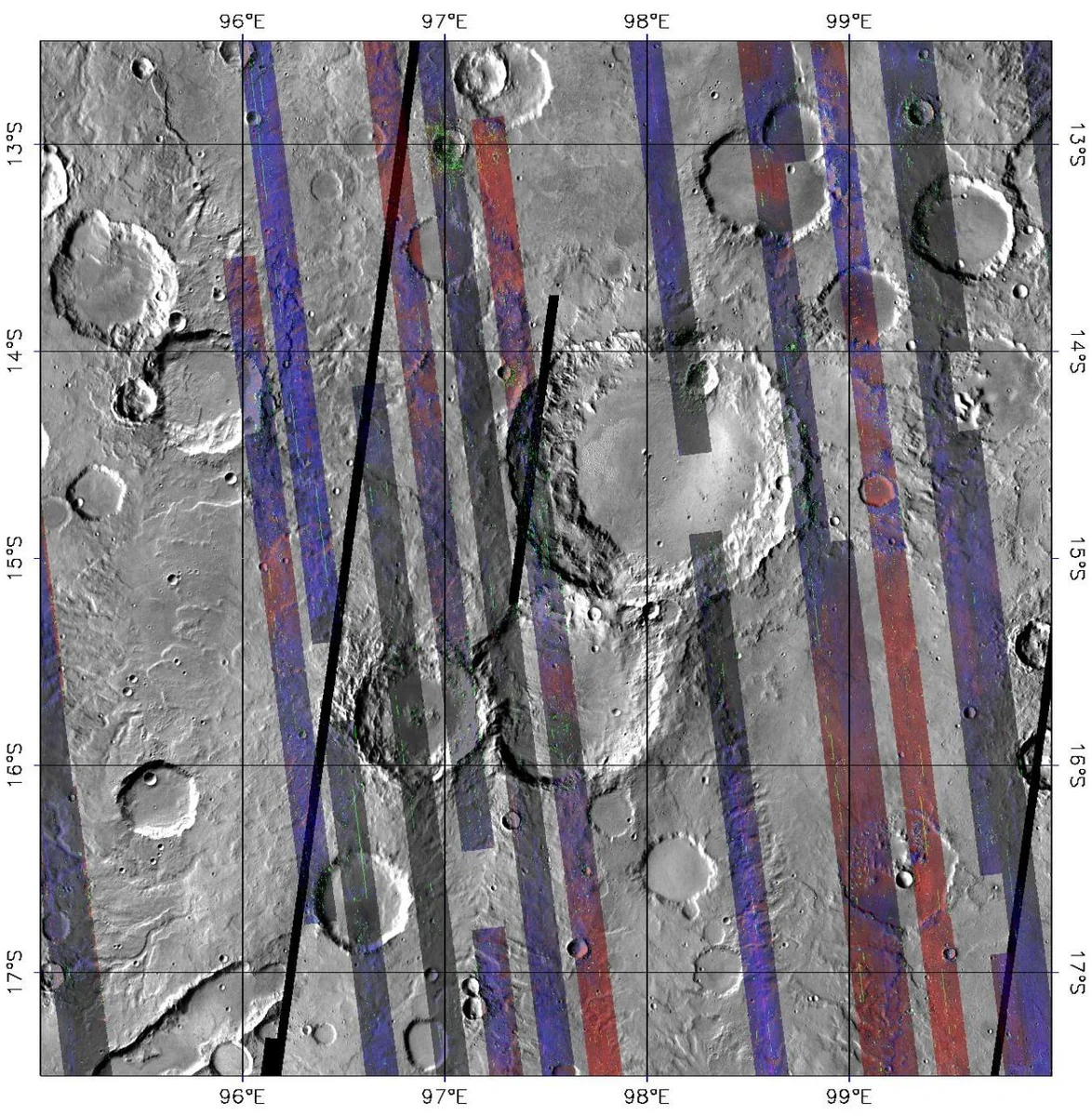
Shortly after arrival, a planet‑wide dust storm—one of the largest ever recorded—blanketed the surface. The storm forced the spacecraft into a highly‑elliptical 12‑day orbit, limiting the amount of surface imaging it could perform. Nevertheless, between December 1971 and March 1972 the orbiter returned data that revealed towering mountains up to 22 km high, surface temperatures ranging from –110 °C to +13 °C, and a thin atmosphere with pressures of 5.5–6 mbar. These observations helped scientists construct the first detailed relief maps of Mars and provided early measurements of the ionosphere, hydrogen and oxygen in the upper atmosphere, and dust‑storm altitudes reaching 7 km.
The Lander’s Brief Touchdown
Mars 3’s descent module separated from the orbiter on 2 December 1971, 09:14 UT, and entered the Martian atmosphere under a conical aerodynamic shield, parachutes, and retro‑rockets. The spherical landing capsule, 1.2 m in diameter, touched down softly—a historic first for any spacecraft. Unfortunately, the lander ceased transmitting after just 110 seconds. The only data received was a single, low‑resolution gray image that offered no surface detail.
Inside the capsule were two 360° television cameras, a mass spectrometer, temperature, pressure, and wind sensors, and a mechanical scoop intended to search for organic compounds. Power came from batteries charged by the orbiter before separation, and the capsule had been sterilized to avoid contaminating Mars.
The Tiny PrOP‑M Rover
Among the lander’s payload was a miniature 4.5 kg rover named PrOP‑M. The rover was built to glide across the soil on two skis, tethered to the lander by a 15‑meter umbilical. Autonomous obstacle‑avoidance rods allowed it to move without real‑time commands from Earth, which would have been delayed by up to 20 minutes each way. Equipped with a dynamic penetrometer and a radiation densitometer, the rover was meant to pause every 1.5 m to record soil mechanical properties and radiation levels.
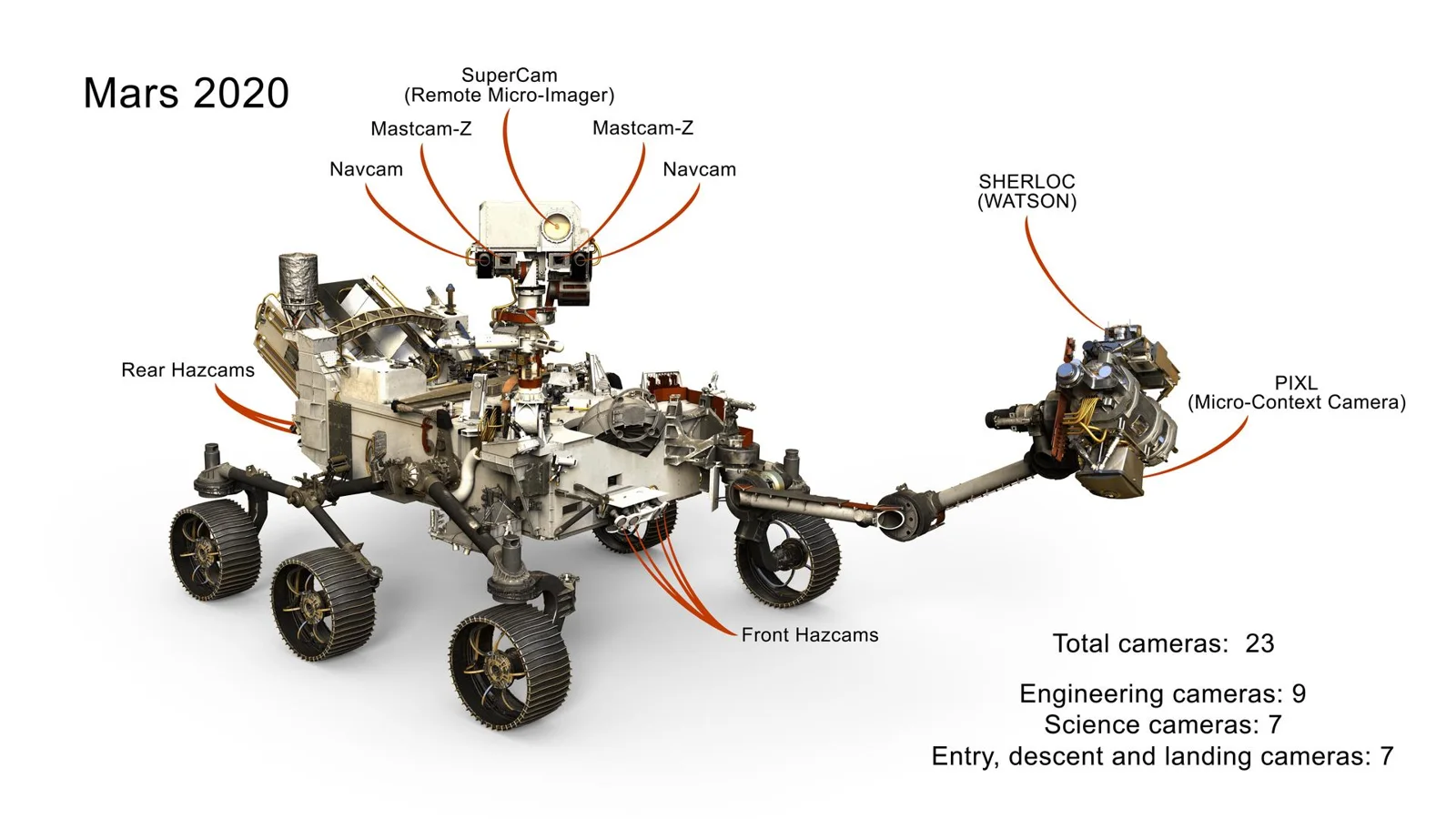
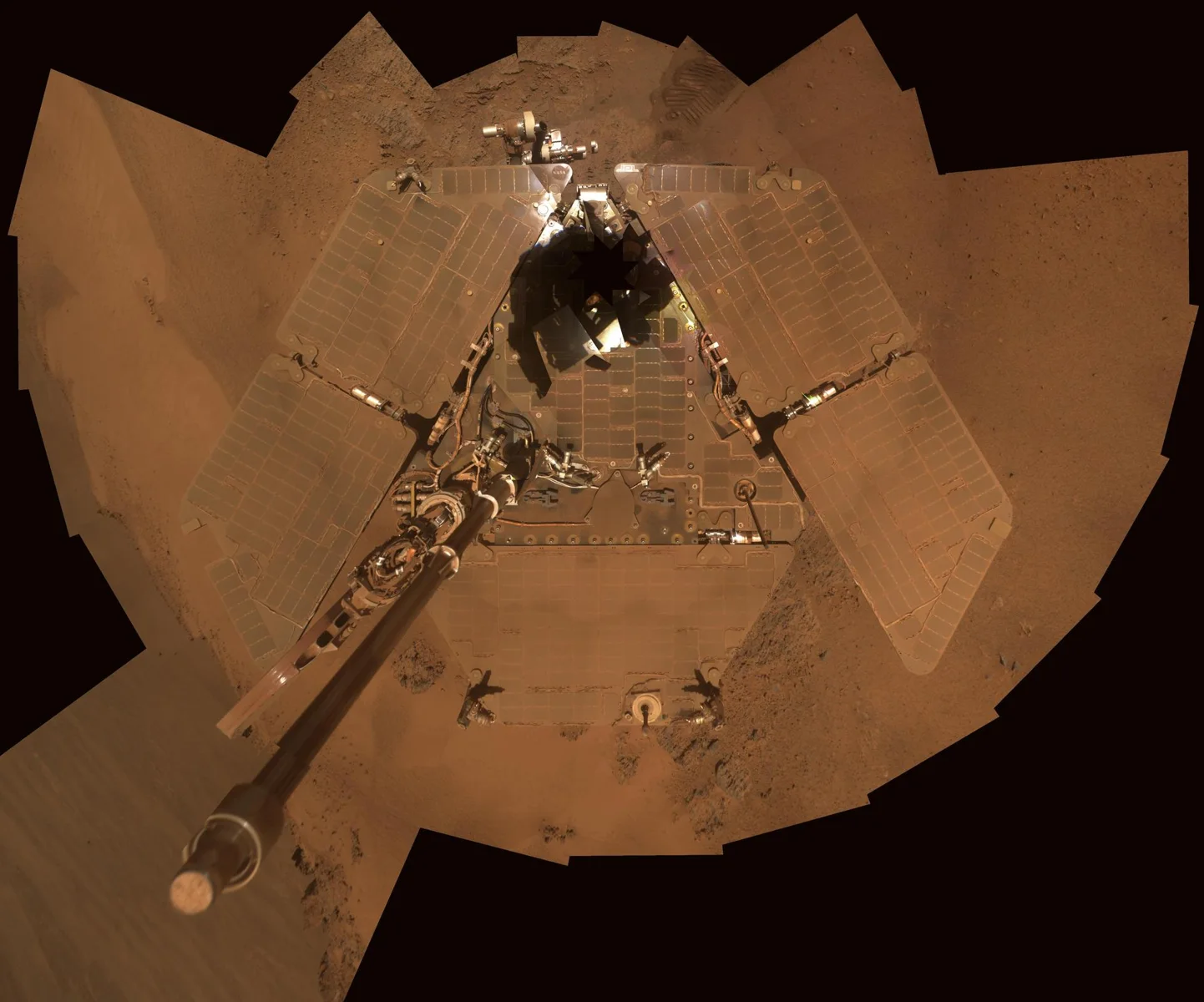
Because the lander lost contact shortly after touchdown, it is unknown whether PrOP‑M ever left its cradle. Nonetheless, the concept of a self‑propelled, instrument‑carrying rover foreshadowed later successful rovers such as NASA’s Sojourner, Spirit, and Curiosity.
Mission Outcomes and Legacy
Both the Mars 2 and Mars 3 orbiters continued circling the planet for several months after the lander failure, together returning about 60 images and a wealth of atmospheric data. The mission officially concluded on 22 August 1972 after 20 orbits. While the lander’s brief operation limited its scientific return, the mission demonstrated that a soft landing on Mars was technically possible—a milestone that paved the way for later successful landers.
The data gathered on atmospheric composition, temperature extremes, and dust‑storm dynamics remain valuable reference points for modern missions. In particular, the measurements of surface pressure and temperature help calibrate current climate models used to plan future crewed expeditions.
Connecting Past to Future
Today, projects like Mushroom 2 Mars imagine cultivating fungi in Martian habitats, building on the legacy of early probes such as Mars 3 that first proved we could touch down on the Red Planet. Each step, from a tiny 4.5 kg rover to a future mushroom farm, brings humanity closer to thriving beyond Earth.
Sources
This article was prepared with AI assistance from the sources listed above and approved by the Mushroom 2 Mars team before publication.