Radiation‑Hardening and Resource Limits
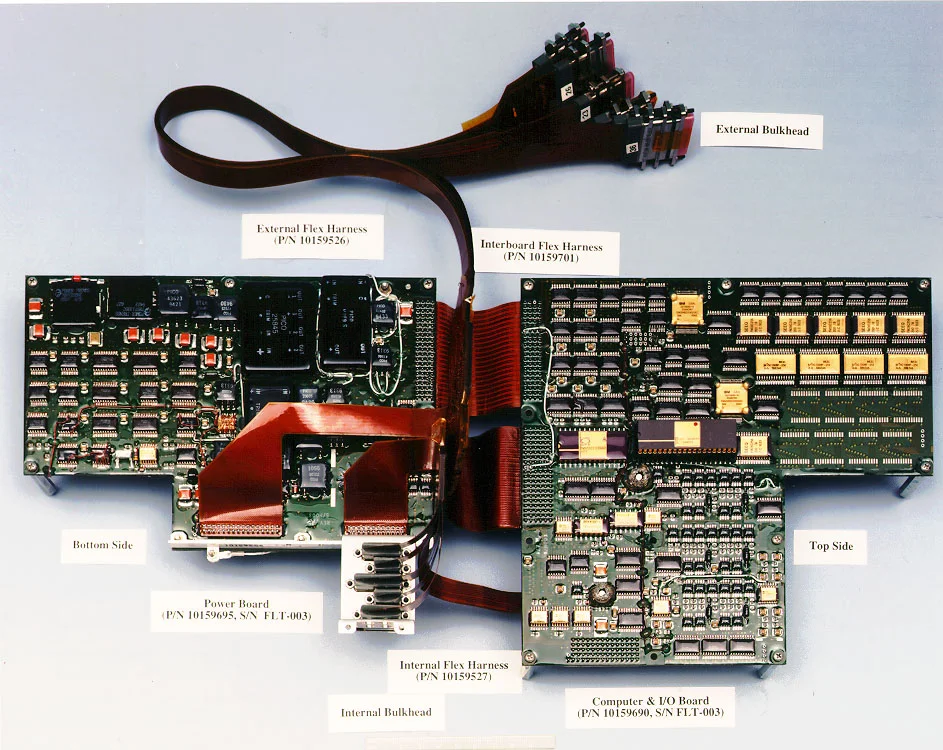
The computer hardware that powers every Mars rover is engineered to survive the harsh space environment. Unlike Earth‑based machines, these systems must tolerate intense ionizing radiation and swings of more than 100 °C between day and night. To achieve that durability, engineers use radiation‑hardened chips and conservative power budgets, which inevitably limit the amount of processing power and memory compared to typical consumer devices.
Early Simplicity: Sojourner’s Single‑Board Design
NASA’s first successful rover, Sojourner, carried a single, modest‑capacity computer that handled all navigation and science tasks. Despite its simplicity, the rover could extract three‑dimensional points from each pair of stereo images, generating about 20 navigation points per image pair. This modest output was sufficient for the rover’s limited range and short mission duration.
Scaling Up: Spirit, Opportunity, and the Mars Exploration Rovers
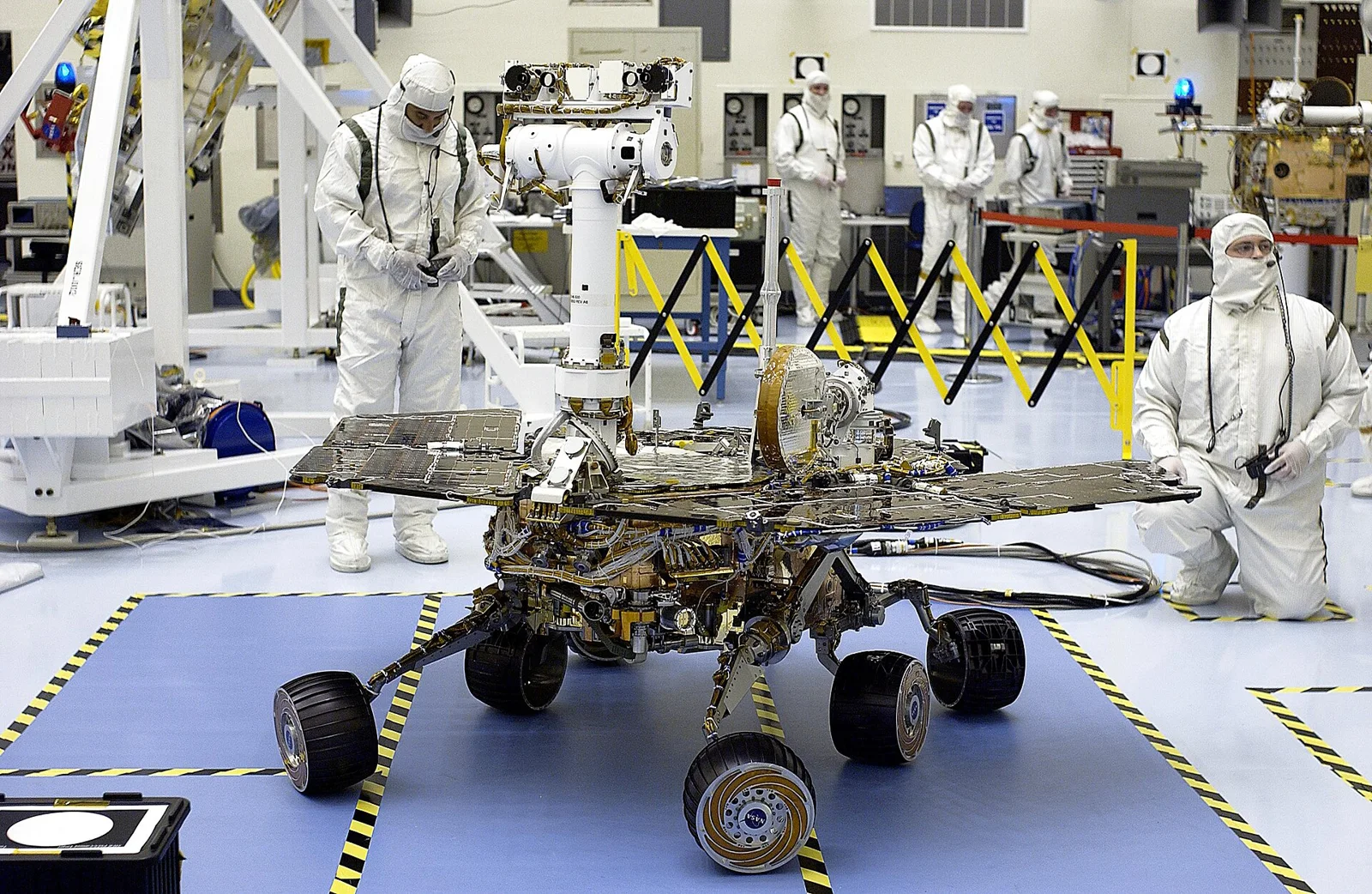
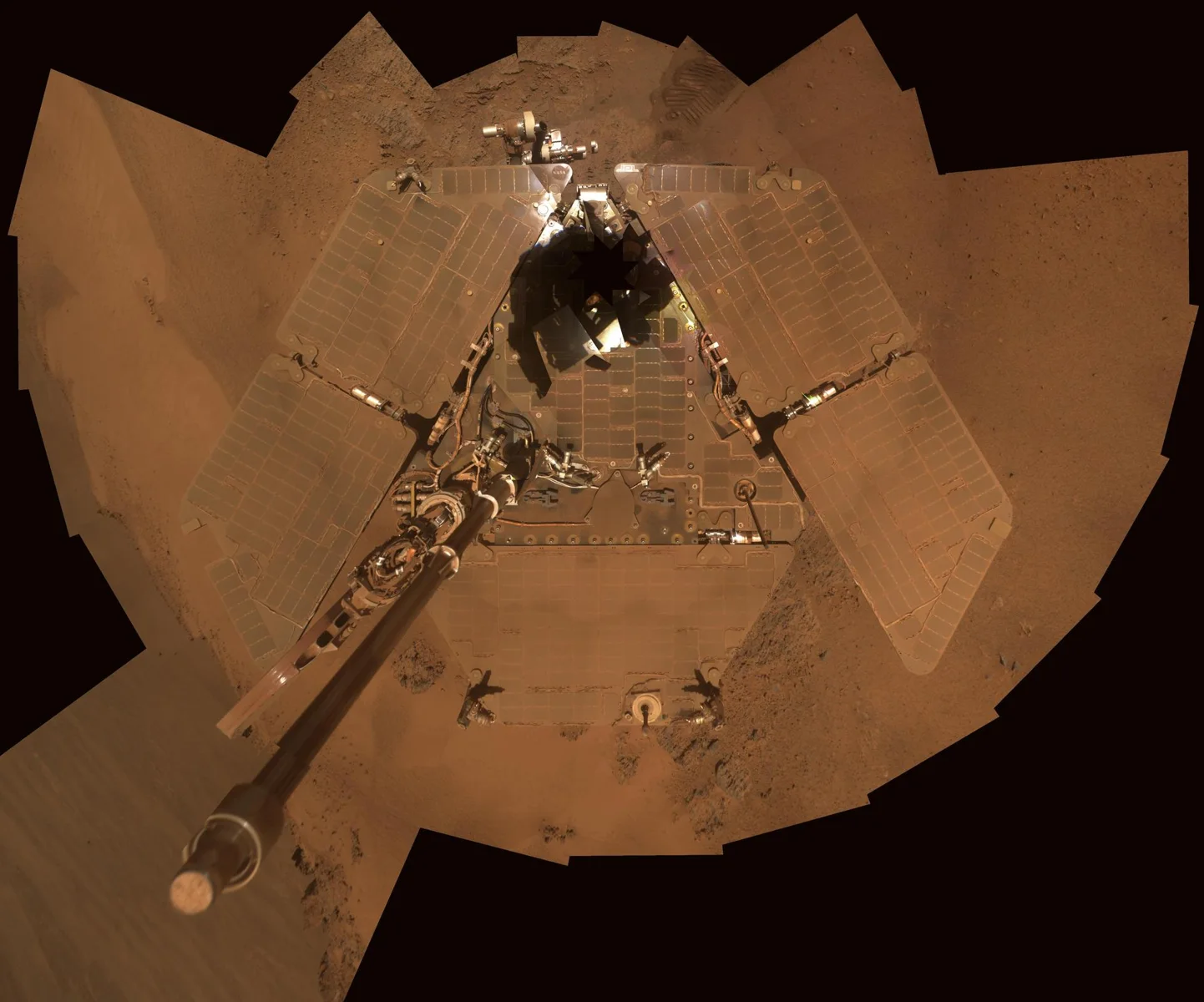
The twin Mars Exploration Rovers (MER), Spirit and Opportunity, each used a single on‑board computer, but the hardware was more capable than Sojourner’s. Their autonomy software could process large numbers of 3‑D points—nominally 15,000 and up to 40,000 in a survey‑mode pass—enabling the rovers to plot safe paths across rocky terrain without constant human oversight. The increase in computational capacity reflected both advances in radiation‑hardening techniques and the need for longer, more complex traverses.
Redundancy Takes Center Stage: Curiosity and Perseverance
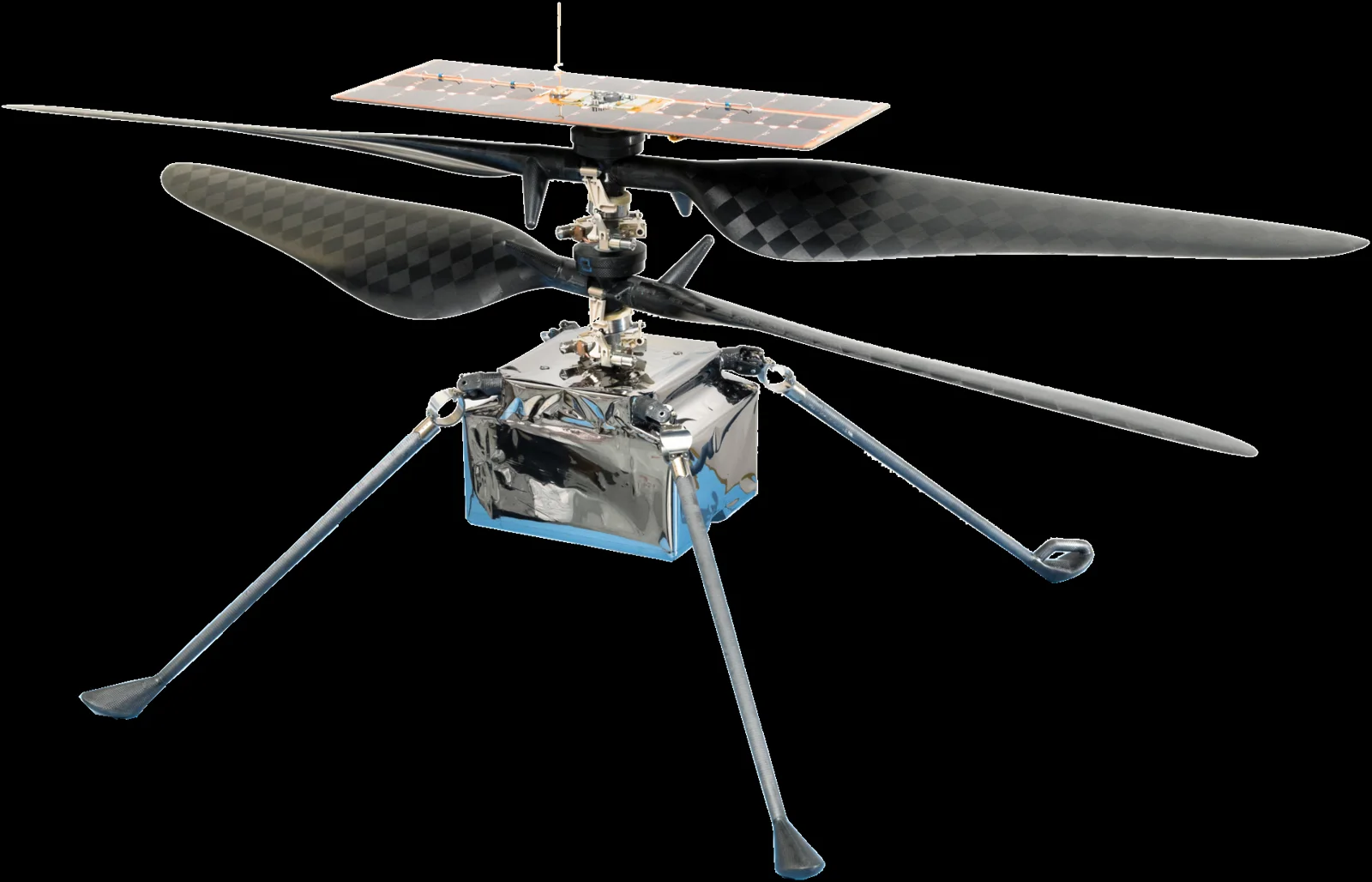
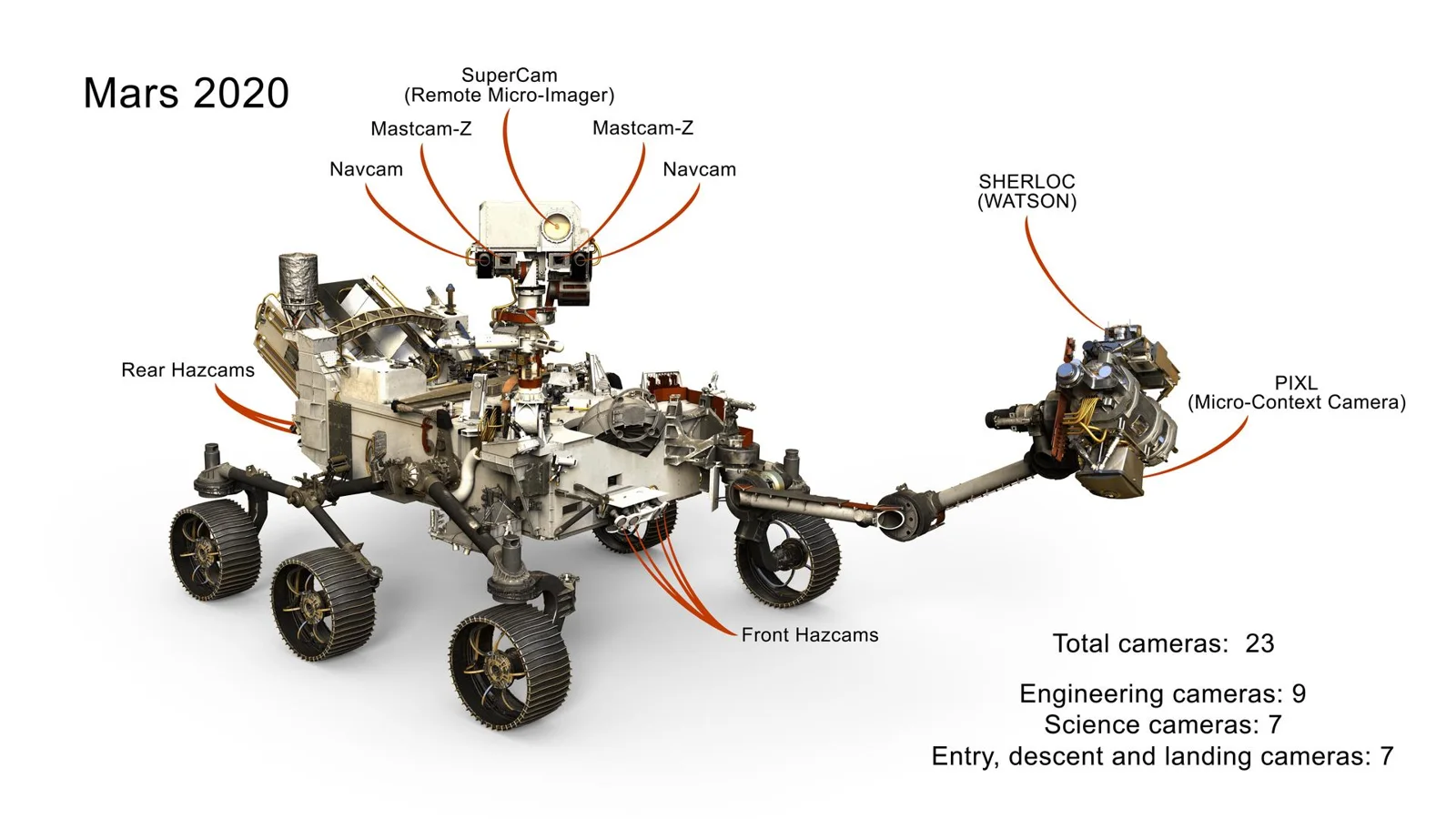
A major design shift occurred with the Mars Science Laboratory (Curiosity) and the Mars 2020 (Perseverance) missions. Both rovers carry two identical computers that operate in parallel, providing fault‑tolerance in case one unit degrades. This redundancy is essential for missions expected to last many years on the Martian surface. As of February 2013, Curiosity was already running on its backup processor while engineers investigated the primary unit for possible failure modes. Perseverance follows the same architecture, ensuring that a single‑point hardware fault won’t end the mission.
Autonomy Software: Turning Sensors into Decisions
All modern rovers rely on autonomy software that interprets sensor data and makes real‑time navigation choices. The software runs on the embedded computers and must balance computational load with power constraints. For example, the MERs could generate up to 40,000 3‑D points in a single survey pass, a task that demands efficient image processing algorithms tuned to the limited CPU performance. Curiosity and Perseverance, with their more powerful and redundant processors, can run more sophisticated terrain‑assessment routines, allowing them to travel farther each sol while maintaining safety.
Communication Delays Shape On‑Board Computing Needs
Because radio signals between Earth and Mars take 8 to 42 minutes round‑trip, rovers cannot be piloted in real time. Instead, mission teams upload a full day’s worth of commands, and the rover’s on‑board software must execute those plans while handling unexpected obstacles. The embedded computers therefore need enough intelligence to react autonomously, but they must also be simple enough to stay reliable under radiation exposure. This trade‑off has driven the evolution from a single, low‑power processor on Sojourner to the dual‑redundant systems on the latest rovers.
Looking Forward: Lessons for Future Martian Habitats
The progression of rover computer architectures offers valuable insights for longer‑term Martian endeavors, such as habitats or even mushroom‑cultivation experiments like the Mushroom 2 Mars project. Robust, redundant, and radiation‑tolerant computing will be essential not only for rovers but also for any autonomous life‑support or agricultural systems that will eventually operate on the Red Planet.
The story of Mars rover computers reminds us that even the most advanced technology must be hardened for the extreme conditions of another world—just as any future Martian mushroom farm will need resilient hardware to thrive.
Sources
This article was prepared with AI assistance from the sources listed above and approved by the Mushroom 2 Mars team before publication.