Part of the guide: Mycology: A Complete Guide to Fungi, Cultivation, and Safety
What Makes a Cremini a Cremini?
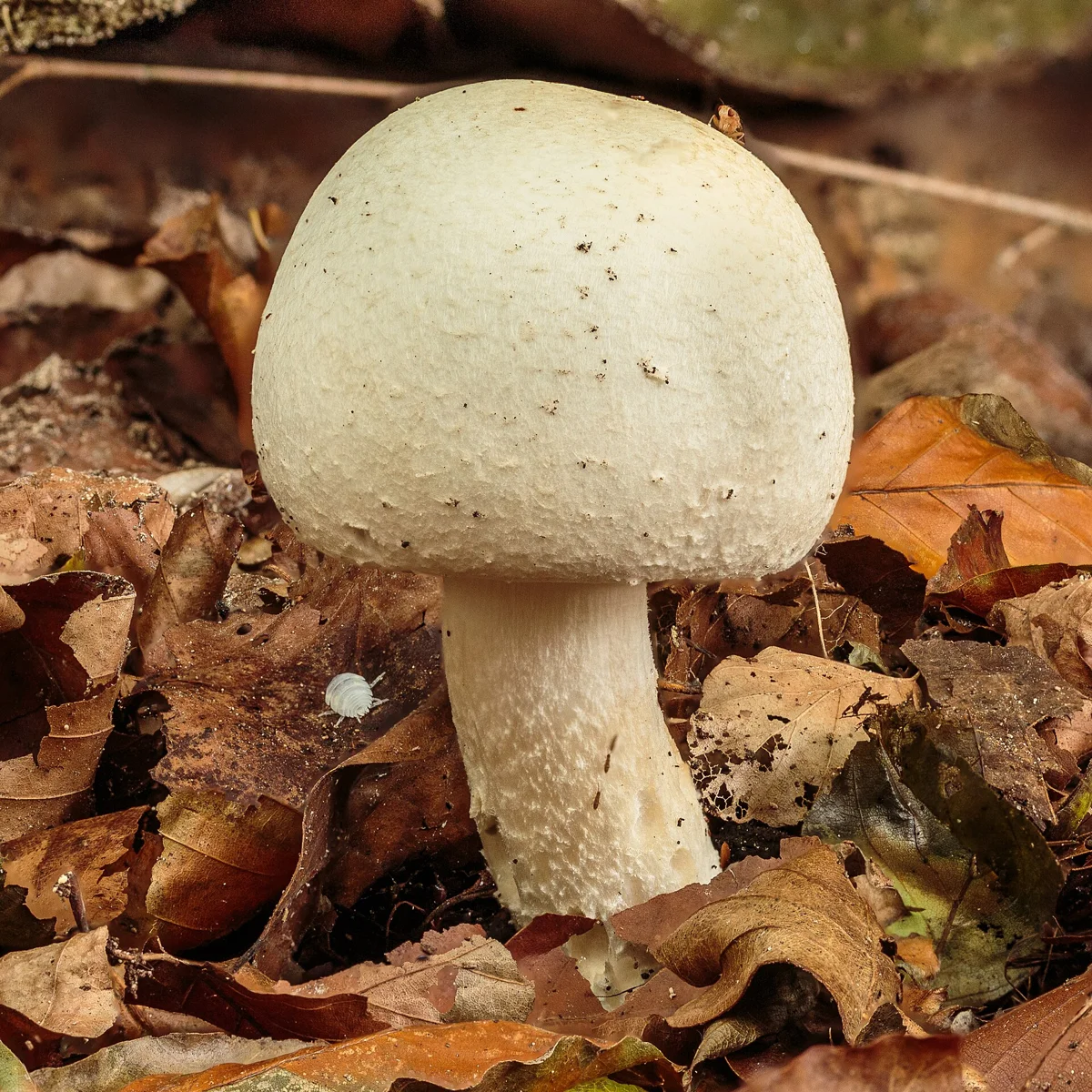
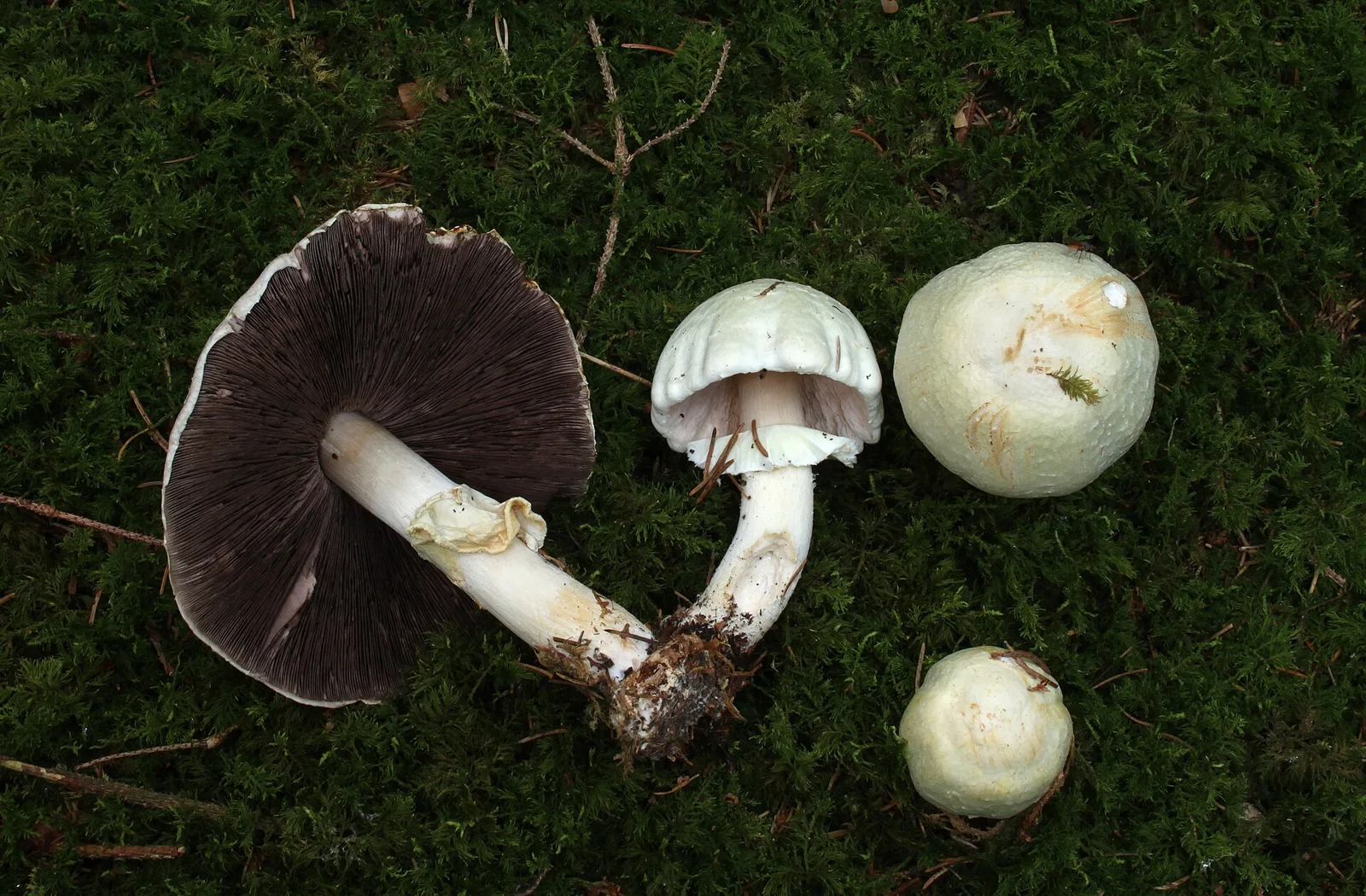
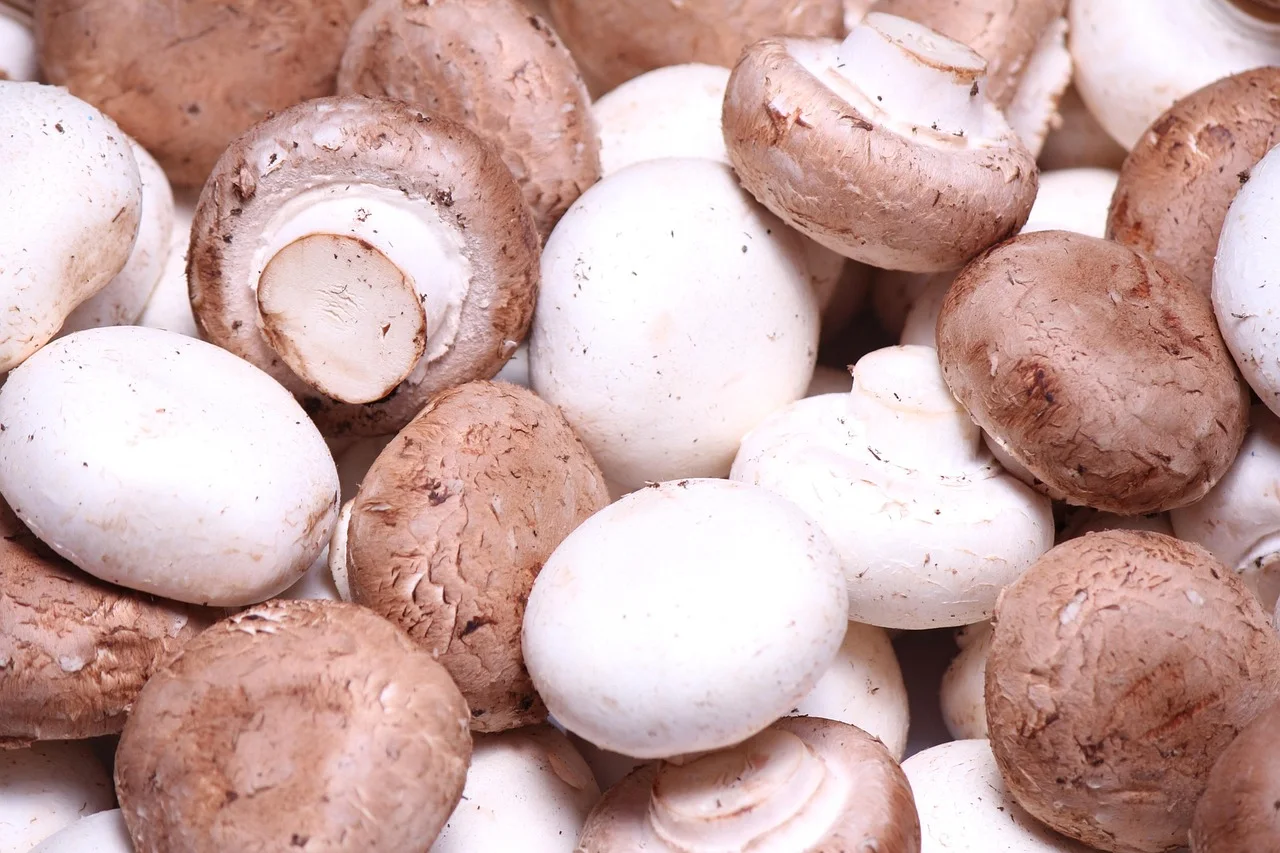
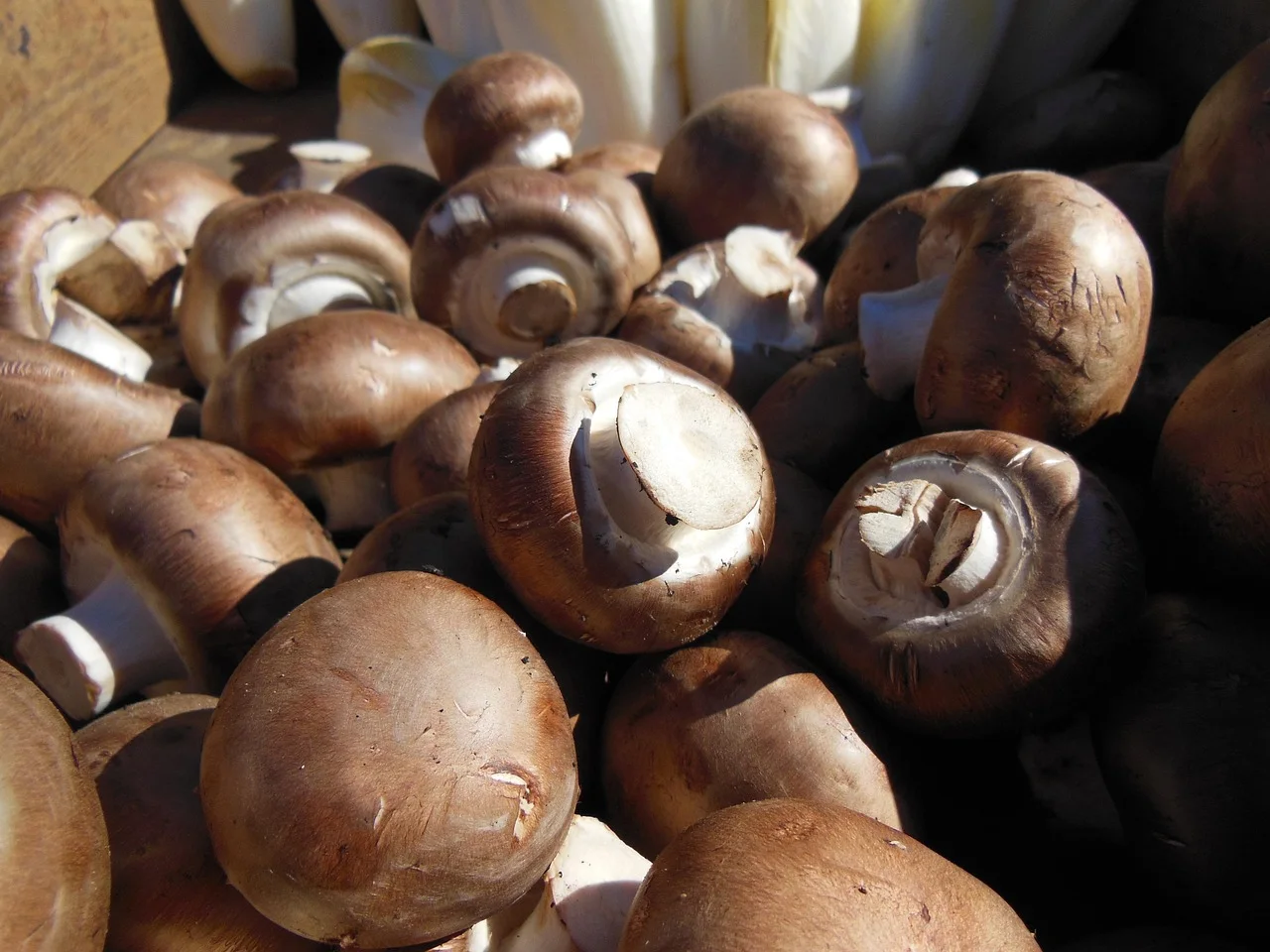
Cremini mushrooms are the brown‑capped, immature form of Agaricus bisporus, the same species that yields white button and fully mature portobello mushrooms. When the cap is still 5–10 cm (2–4 in) wide, the flesh stays firm and the gills transition from pink to a deep brown. The stipe is short, typically up to 6 cm tall, and bears a thin, sometimes streaked, ring. On bruising, the flesh may develop a pale pink‑red hue, a useful field clue distinguishing it from look‑alikes.
Where Cremini Grow in Nature
In the wild, A. bisporus favors rich, loamy soils enriched with compost or manure, often near cypress trees. It fruits in the cooler months of autumn and winter, appearing in grassy fields across Eurasia and North America. While the cultivated version thrives in controlled beds, the same ecological preferences guide its natural distribution.
From Spore to Shelf: Modern Cultivation
Commercial growers inoculate sterilized compost with pure‑culture spawn – a practice refined after the Pasteur Institute’s breakthrough in 1893. Today, cremini are produced in at least seventy countries, with China supplying the bulk of the world’s 48 million tonnes of mushrooms (including truffles) reported in 2022. The process begins with a nutrient‑rich substrate of horse manure, straw, and gypsum, which is pasteurized, inoculated, and kept at 24‑27 °C for mycelial colonization. After a full colonization, the beds are cooled and exposed to fresh air, prompting the mushrooms to fruit in dense clusters.
Culinary Spotlight: Simple Cremini Recipes
Cremini’s nutty, earthy flavor holds up well to heat, making them a favorite in sautés, soups, and risottos. Below is a quick, vegan‑friendly recipe that showcases their texture:
Sautéed Cremini with Garlic and Thyme - 300 g fresh cremini, sliced - 2 Tbsp olive oil - 2 cloves garlic, minced - 1 tsp fresh thyme leaves (or ½ tsp dried) - Salt and black pepper to taste
- Heat the oil in a skillet over medium‑high heat.
- Add the garlic and thyme, cooking until fragrant (about 30 seconds).
- Toss in the sliced cremini, spreading them in a single layer.
- Cook without stirring for 3‑4 minutes to develop a golden crust, then stir and continue for another 2‑3 minutes until tender.
- Season with salt and pepper, serve immediately.
Cooking at a minimum of 74 °C ensures any surface microbes are neutralized, aligning with food‑safety guidelines for cultivated mushrooms.
Safety First: Spotting Dangerous Look‑Alikes
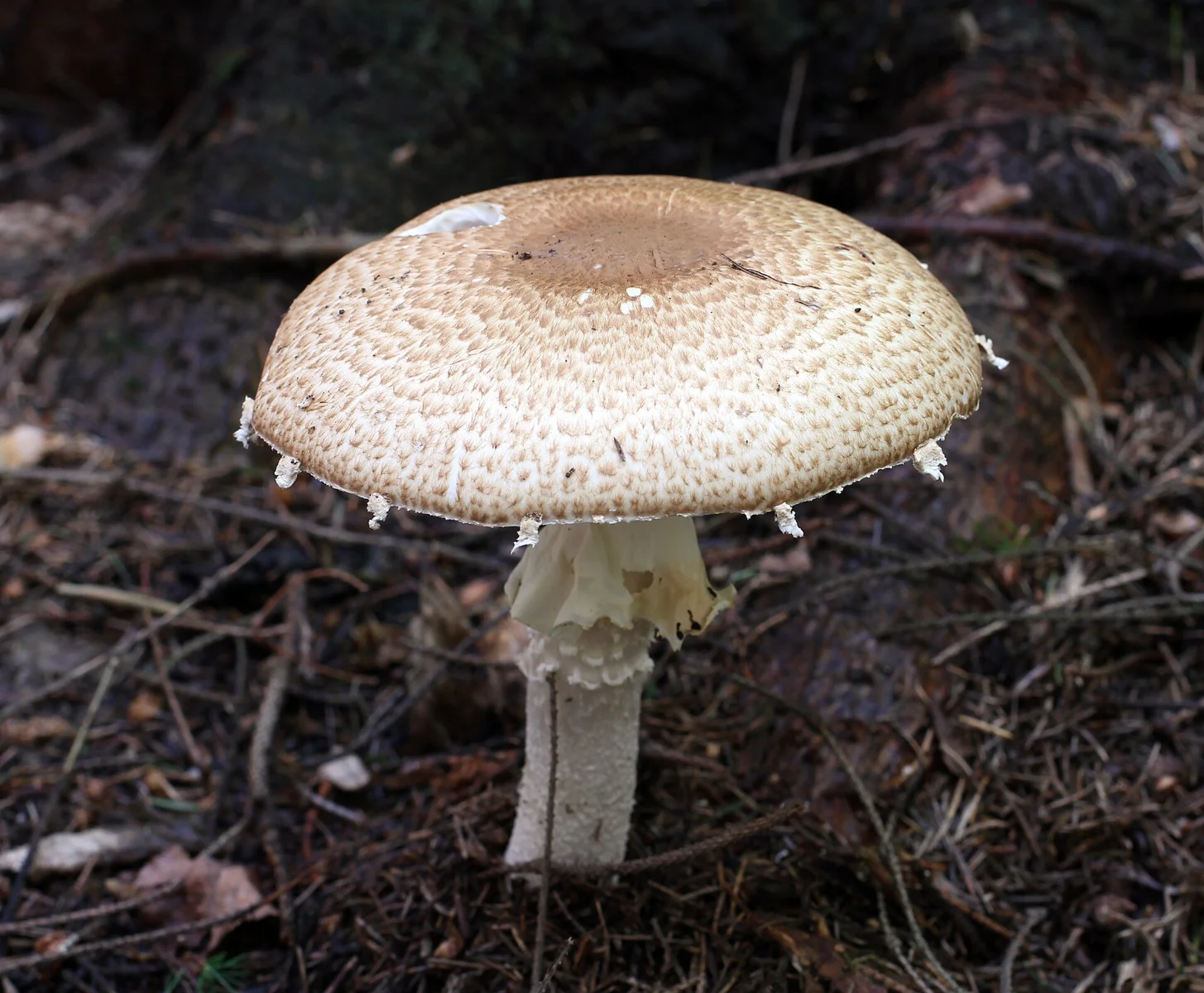
While cultivated cremini are reliably safe, wild foragers must be cautious. Some poisonous species—such as Entoloma sinuatum (the “livid agaric”)—share a brown cap but have yellow‑tinged gills and lack the characteristic ring. More hazardous are the “destroying angels” (Amanita spp.), which possess a volva (cup‑like base) and pure white gills. If you’re ever uncertain, consult a local mycological society; never rely on taste tests for identification.
Nutritional Snapshot
Raw cremini are about 92 % water, with modest amounts of carbohydrates (3 %), protein (3 %), and virtually no fat. A 100‑g serving supplies roughly 22 kcal and provides a good source of B‑vitamins, selenium, and potassium—making them a low‑calorie addition to balanced meals.
From Earth to the Red Planet
Mushroom cultivation is a cornerstone of sustainable life‑support systems for space habitats. Cremini’s compact growth cycle and modest nutrient needs make them a candidate for experimental farms aboard Martian habitats, where closed‑loop compost could feed both humans and fungi.
Sources
This guide is not a foraging or identification manual. Many edible mushrooms have toxic look-alikes. Never eat a wild mushroom unless an expert has identified it in person.
This article was prepared with AI assistance from the sources listed above and approved by the Mushroom 2 Mars team before publication.