Part of the guide: Mycology: A Complete Guide to Fungi, Cultivation, and Safety
A Brief Biological Portrait
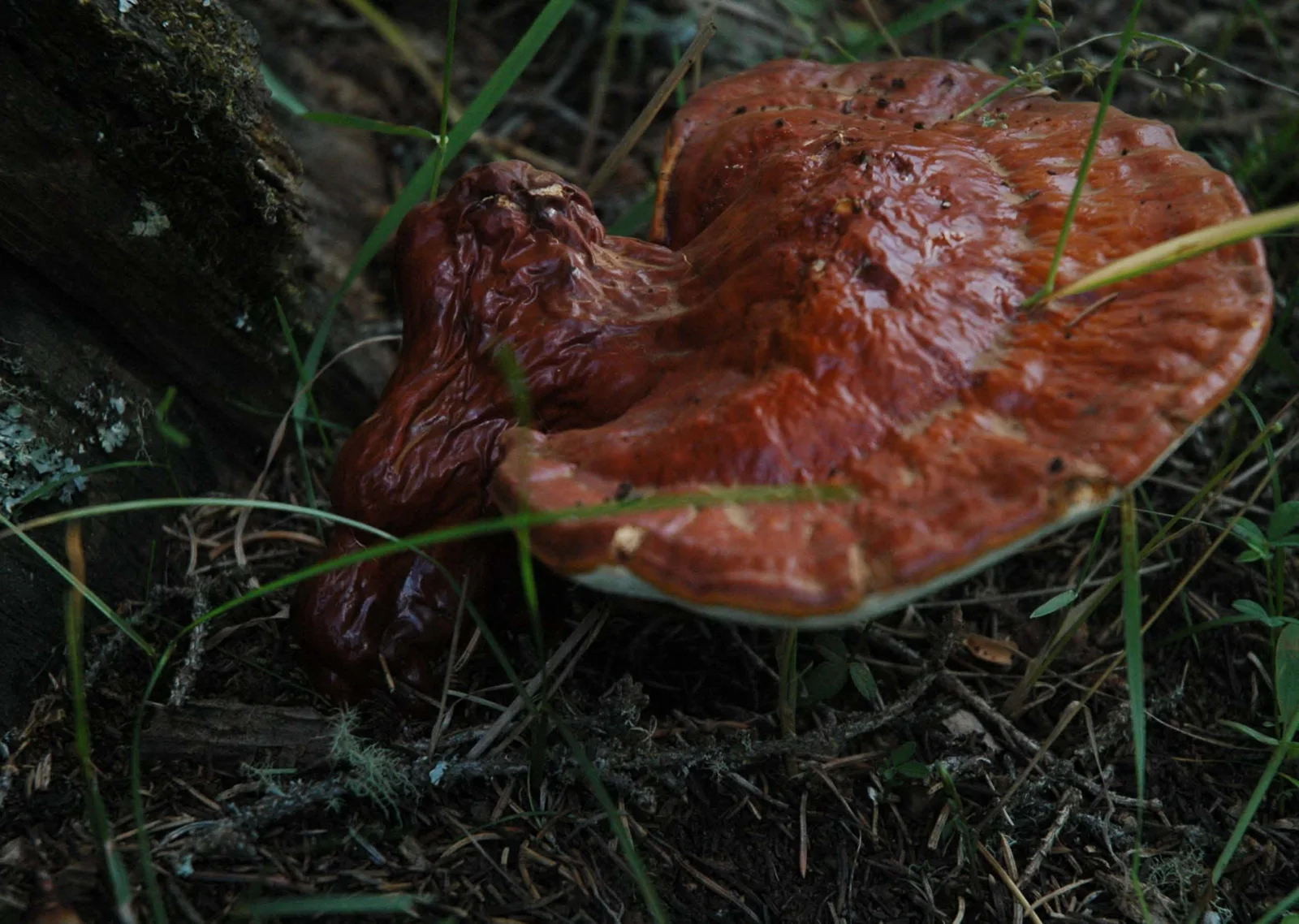
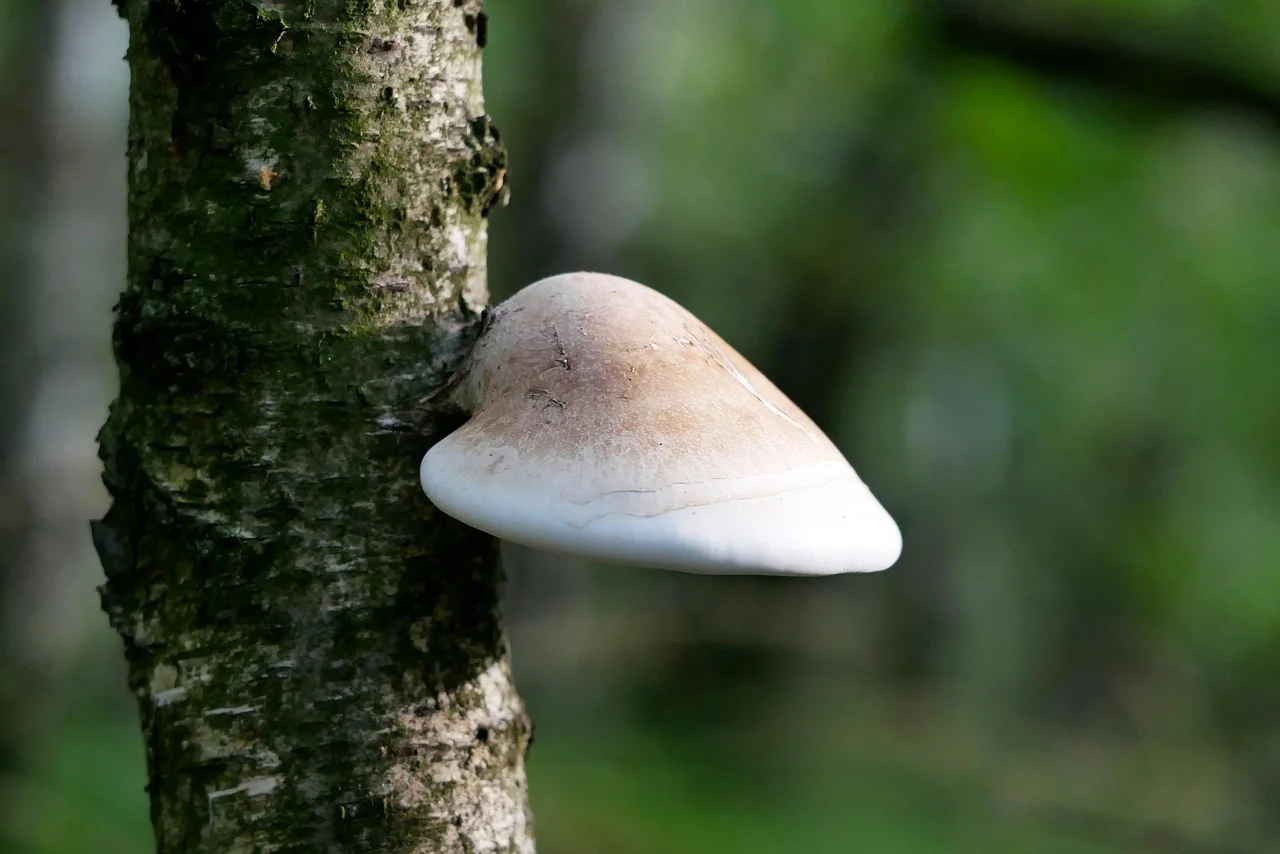
Lingzhi, commonly called reishi, belongs to the polypore group of fungi. Its fruiting body sports a reddish‑brown, varnished cap that is kidney‑shaped and often bears concentric bands. Unlike typical gilled mushrooms, the underside is covered with tiny pores (about 80–120 µm) that release spores. When freshly harvested the mushroom feels soft and cork‑like, flattening out under its weight. In the wild it colonizes the bases and stumps of deciduous trees—maples are a favorite host—but it can also grow as a saprotroph on dead wood.
Taxonomic Twists and Naming History
The scientific name most widely accepted today is Ganoderma sichuanense, a designation published in 1983 by Zhao and Zhang. Earlier literature frequently used Ganoderma lucidum for Asian specimens, a name that actually refers to a European species described in the 18th century. Recent DNA work shows that the Asian “reishi” group is distinct from its European counterpart, prompting a shift toward G. sichuanense while older names persist in herbal markets. A 2023 study even synonymized Ganoderma lingzhi—once proposed as a separate species—with G. sichuanense, underscoring how fluid fungal taxonomy can be.
From Neolithic Altars to Modern Apothecary Shelves
Historical records trace reverence for lingzhi back over 2,000 years, with some archaeological evidence hinting at use as far back as 6,800 years in Neolithic China. The Chinese name “lingzhi” translates to “divine mushroom,” reflecting its status as a symbol of longevity. The 16th‑century herbal compendium Bencao Gangmu listed several lingzhi‑like fungi distinguished by color; modern molecular analyses suggest that the red‑hued specimens described there most closely match today’s G. sichuanense.
Growing Lingzhi in the Lab and on the Farm
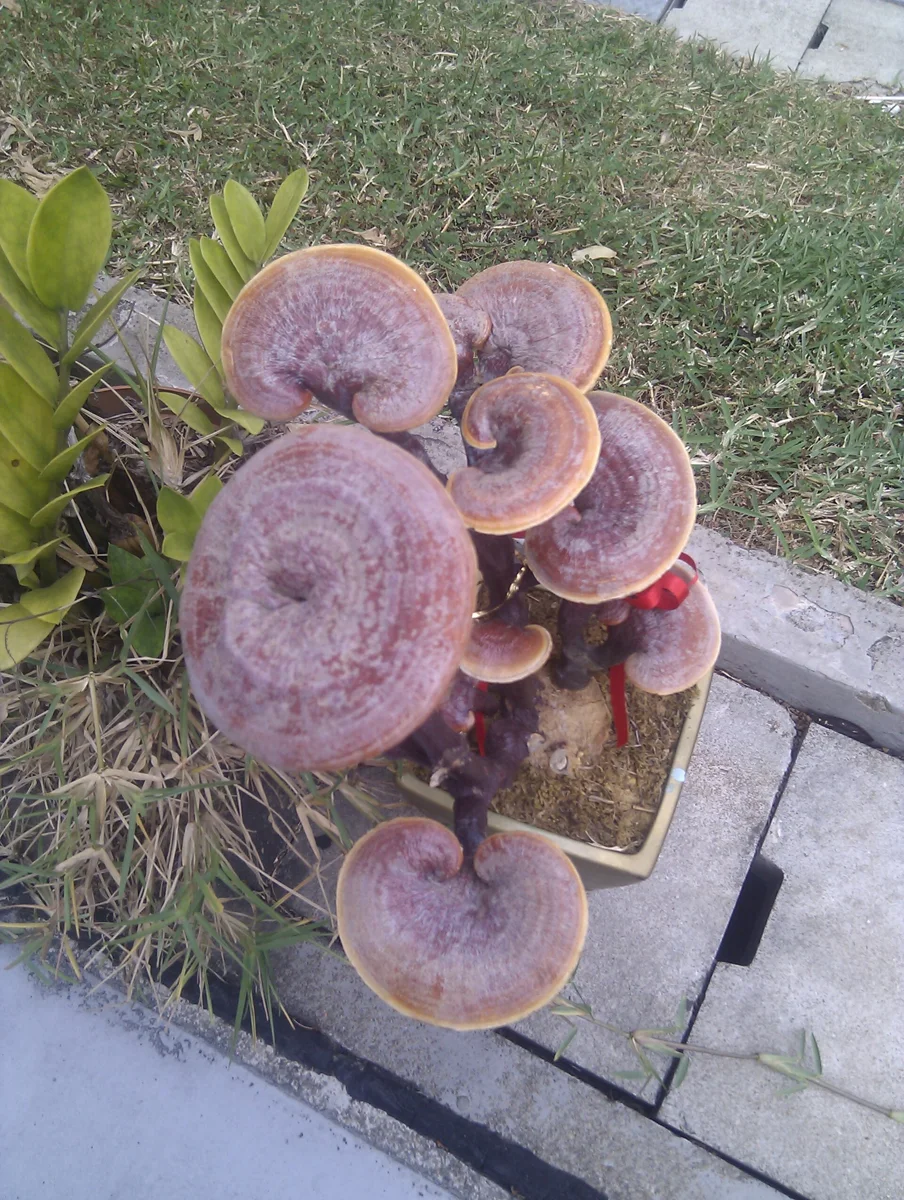
Because wild harvests are limited, commercial growers rely on cultivated substrates. Hardwood logs, sawdust, and woodchips provide the nutrients needed for the mycelium to colonize and eventually fruit. Controlled environments allow producers to manipulate three key factors—light, temperature, and humidity—to shape the mushroom’s morphology. For instance, elevated carbon‑dioxide levels can elongate the stem, sometimes producing antler‑like structures without a cap. These insights help growers produce consistent, high‑quality fruiting bodies for the global market.
Chemical Palette Behind the Bitter Brew
Lingzhi contains a complex mix of bioactive compounds. The most studied are triterpenes known as ganoderic acids, which share a structural backbone with certain steroid hormones. Polysaccharides such as beta‑glucan, along with coumarin, mannitol, and various alkaloids, also appear in the fruiting body. Sterols like ganoderol and ganoderenic acid have been isolated, but their exact physiological effects in humans remain under investigation. Research to date highlights the diversity of these molecules rather than definitive health outcomes.
Traditional Preparation and Safe Culinary Use
In folk practice, the bitter taste of lingzhi leads to a water‑based extraction. Thin slices of fresh or dried mushroom are simmered for about two hours, then strained to yield a dark, astringent tea. This method concentrates water‑soluble compounds while reducing the strong, woody flavor. For home cooks interested in experimenting, a simple recipe involves:
- Ingredients – 20 g dried lingzhi slices, 1 L filtered water, a pinch of honey (optional).
- Steps – Bring water to a boil, add the slices, reduce to a gentle simmer, cover, and cook for 120 minutes.
- Finishing – Strain the liquid, sweeten to taste, and serve warm.
Because the mushroom is tough and bitter, it is rarely eaten whole. The extract can be incorporated into soups, broths, or even vegan sauces, always ensuring the liquid reaches a simmer to extract the desired compounds. Never consume wild‑picked lingzhi without expert verification; cultivated material guarantees species identity and safety.
Lingzhi on the Road to Space
Mushrooms are already part of life‑support research for long‑duration missions, and lingzhi’s ability to grow on low‑maintenance substrates makes it a candidate for future bioregenerative systems. While we are still far from brewing reishi tea on the Red Planet, the same principles that let us cultivate it on sawdust here on Earth could one day support sustainable food and medicinal production on Mars.
All facts are drawn from the Wikipedia entry on Lingzhi (Ganoderma sichuanense) and peer‑reviewed mycological literature cited therein.
Sources
This article is for general information only and is not medical advice. Do not use it to diagnose or treat any condition; talk to a doctor about health questions.
This article was prepared with AI assistance from the sources listed above and approved by the Mushroom 2 Mars team before publication.