A historic liftoff from Florida
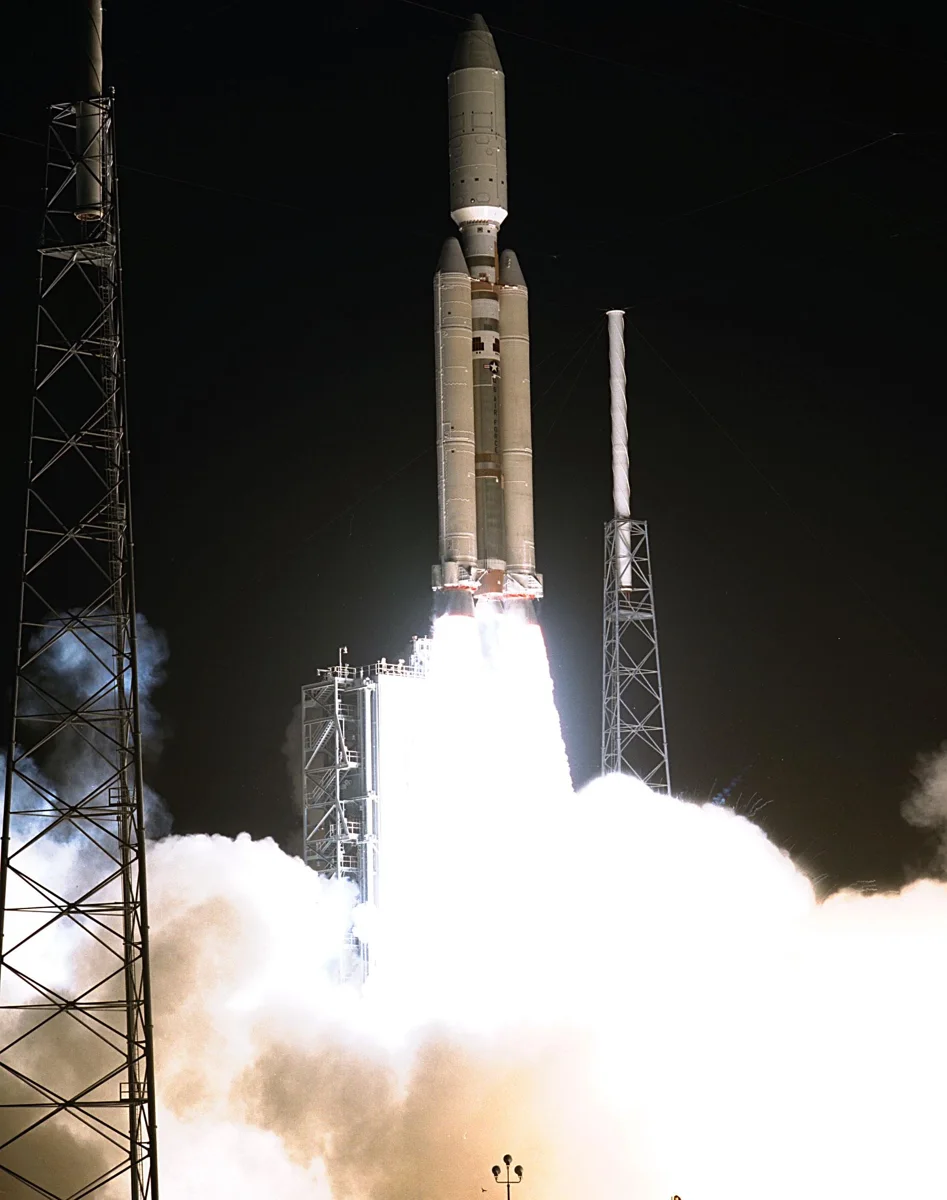
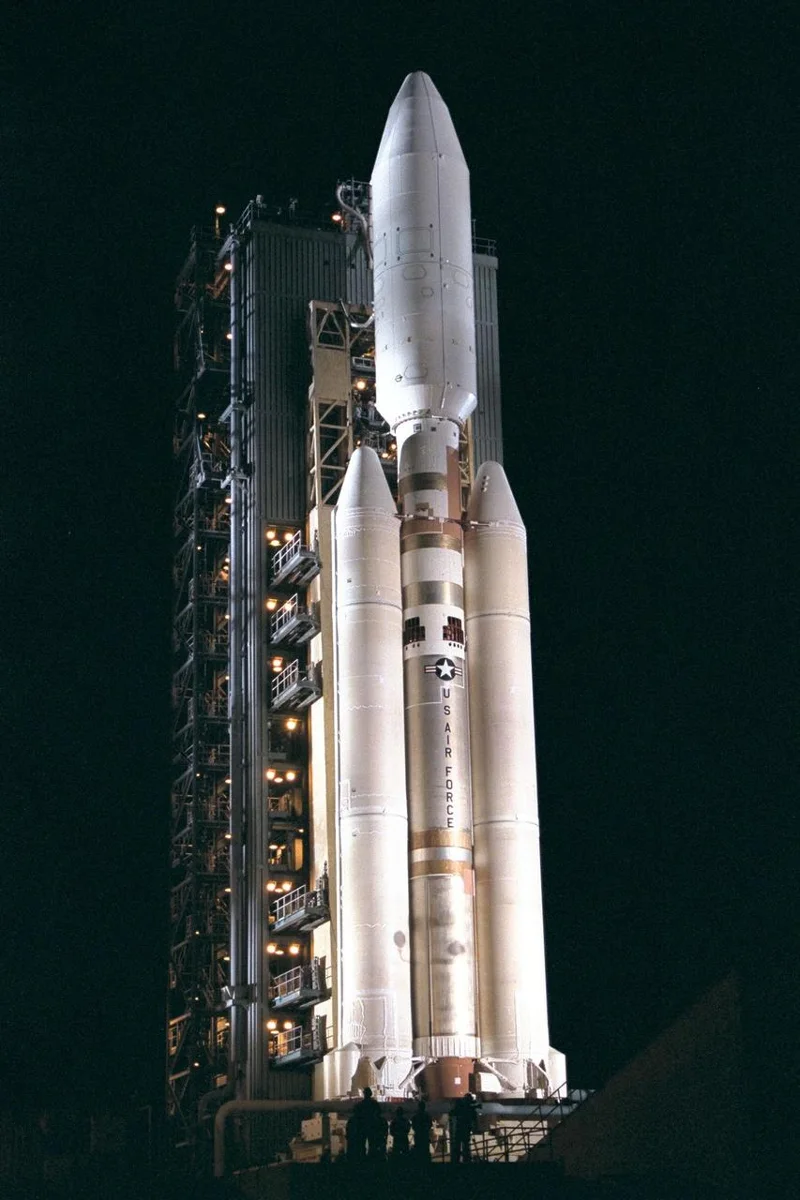
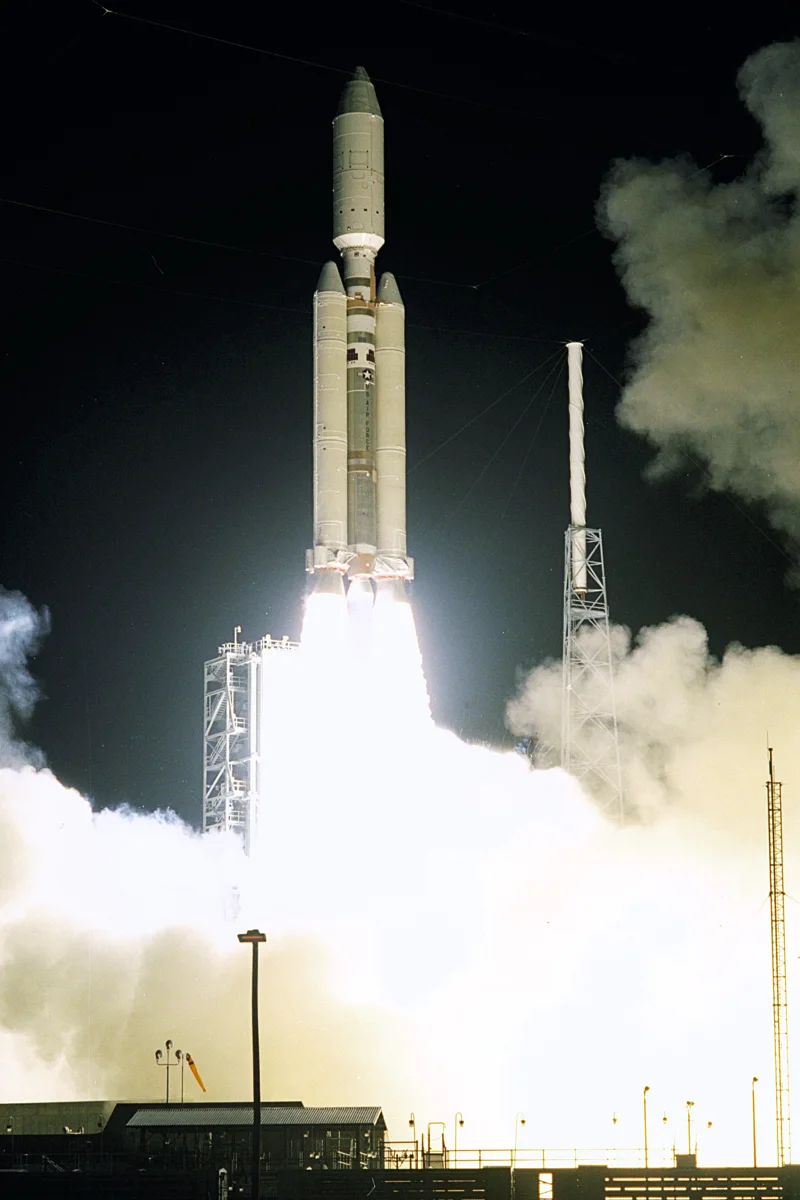
On October 15, 1997, a Titan IVB rocket roared off the launch pad at Cape Canaveral Air Force Station, carrying NASA’s Cassini spacecraft and the European Space Agency’s Huygens probe. The mission was billed as a flagship planetary venture, with a price tag of about $3.26 billion and a goal to spend years studying Saturn, its rings, and its many moons.
The long trek to the ringed giant
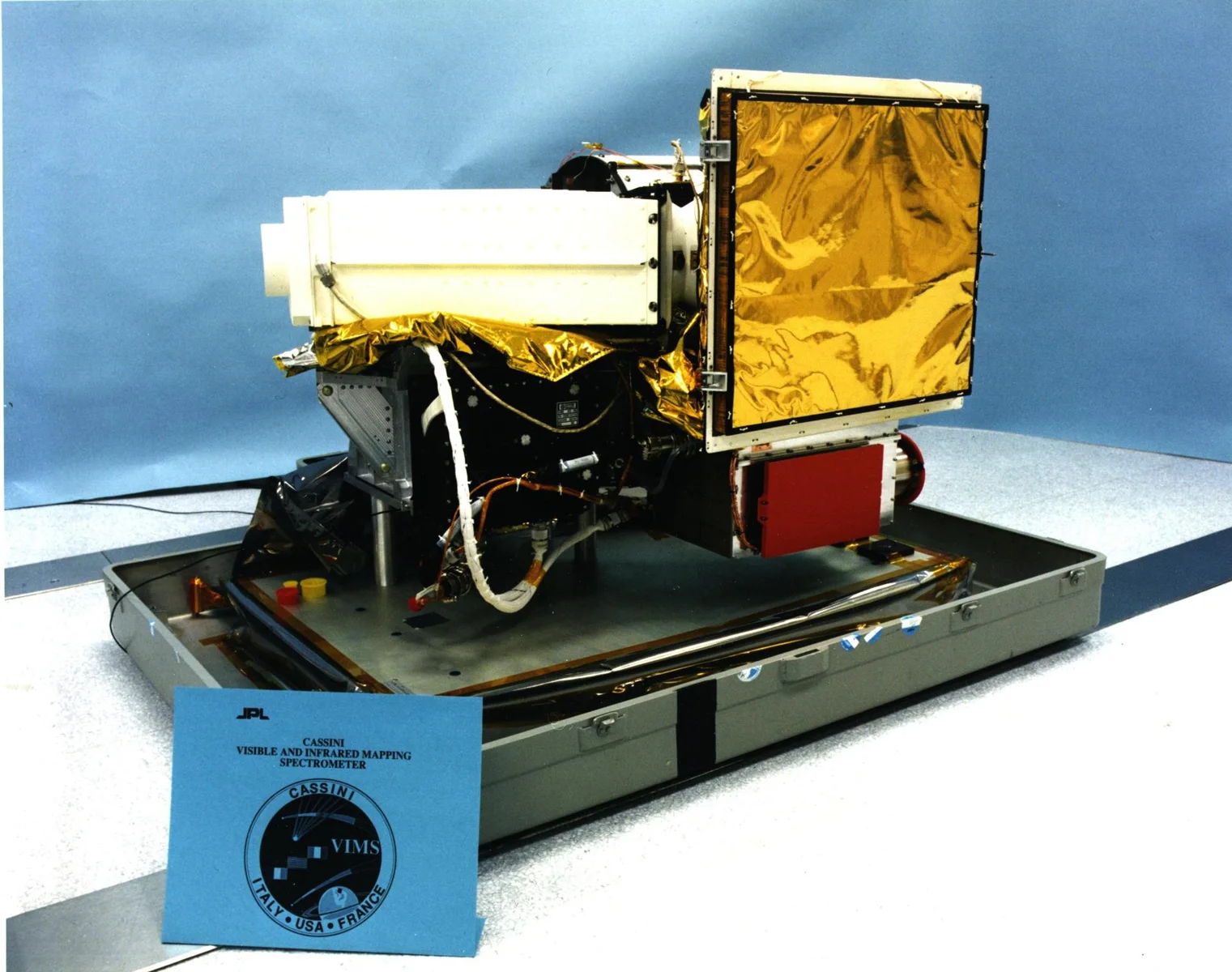
Cassini’s cruise to Saturn lasted nearly seven years. After a series of gravity‑assist flybys of Earth, Venus and Jupiter, the probe finally entered Saturn’s orbit in July 2004, becoming the first spacecraft ever to orbit the planet. The arrival marked a turning point: scientists could now watch the rings up close, monitor atmospheric storms, and explore the system’s complex moons.
Huygens lands on Titan
Huygens, the smaller companion carried aboard Cassini, detached in December 2004 and descended through Titan’s thick, orange haze. In January 2005 it touched down on the moon’s surface, sending back the first direct images of Titan’s hydrocarbon lakes, river‑like channels and rain‑like drizzle. Those observations showed that Titan hosts a methane cycle strikingly similar to Earth’s water cycle, expanding our ideas of where liquid bodies can exist.
Surprising discoveries around Saturn
Cassini’s instruments revealed a host of unexpected phenomena:
- A massive, hexagon‑shaped jet stream encircling Saturn’s north pole, first spotted in 2006, demonstrated that planetary atmospheres can host stable, geometric weather patterns.
- Hurricane‑like vortices at both poles and a planet‑wide storm that erupted in 2010 and wrapped around the entire globe by 2011 highlighted the dynamism of Saturn’s weather.
- Perhaps the most exciting find was the discovery of icy water plumes venting from Enceladus, one of Saturn’s small moons. The plumes suggested a subsurface ocean with hydrothermal activity—conditions that on Earth can support life.
These results reshaped scientific thinking about where life‑friendly environments might exist beyond Earth.
The graceful end of a mission
After 13 years of close‑up study, Cassini’s fuel reserves dwindled. To protect the pristine moons—especially Enceladus and Titan—from possible contamination, NASA deliberately guided the spacecraft into Saturn’s atmosphere on September 15, 2017. The probe burned up in a spectacular “grand finale,” ensuring no debris would later crash onto any moon.
Legacy and influence on future exploration
Cassini’s success inspired a new generation of missions. NASA’s upcoming Dragonfly rotorcraft, slated for Titan in the 2030s, builds directly on the data collected by Huygens. Likewise, the Europa Clipper and proposed Enceladus missions aim to probe subsurface oceans hinted at by Cassini’s plume observations.
The mission also demonstrated the value of international collaboration—NASA and ESA worked hand‑in‑hand, sharing data, engineering expertise, and scientific insights. That partnership model continues to shape planetary science today.
A cosmic connection to our mushroom‑farming dreams
For those of us at Mushroom 2 Mars, Cassini’s story is a reminder that bold, long‑term projects can reveal hidden worlds. Just as Cassini uncovered hidden oceans on Enceladus, we hope our own experiments will uncover new ways to grow mushrooms in the harsh environment of space, perhaps one day on Mars.
Sources
This article was prepared with AI assistance from the sources listed above and approved by the Mushroom 2 Mars team before publication.