A Milestone After Eight Years of Journey
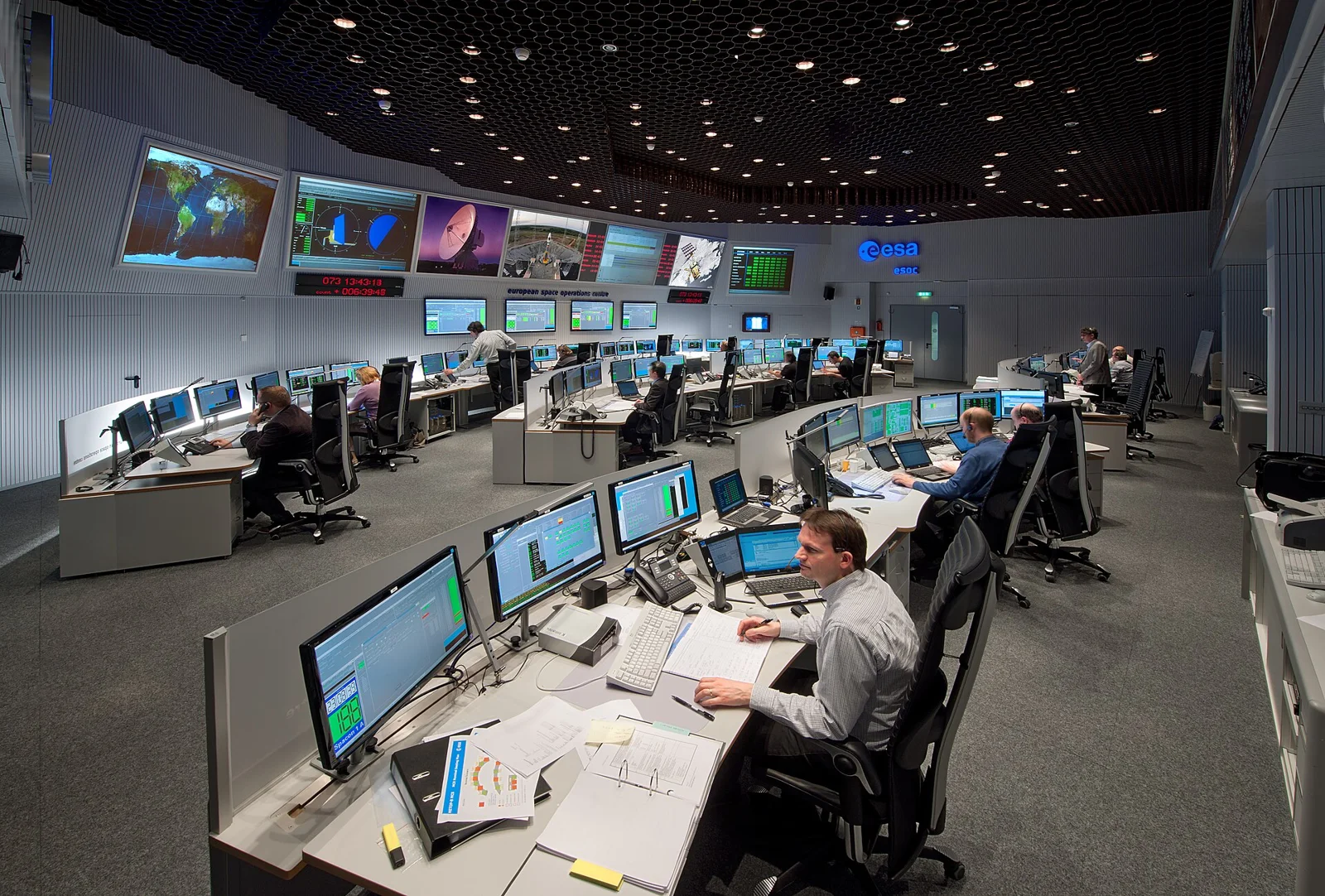
On 3 September 2026 ESA and JAXA celebrated a pivotal moment in interplanetary travel: the Mercury Transfer Module (MTM) of the BepiColombo mission detached from the rest of the spacecraft. After eight years cruising through the inner Solar System, the separation signaled the start of the most intricate planetary‑arrival phase ever attempted by the agency. The event was streamed live from ESA’s European Space Operations Centre (ESOC) in Darmstadt, Germany, letting the public watch history unfold in real time.
The Separation Sequence in Detail
The MTM separation was scheduled for 14:00 CEST. Engineers triggered a series of small pyrotechnic devices that gently pushed the MTM away from the larger cruise module. This maneuver placed the MTM on a trajectory that will bring it within a few hundred kilometres of Mercury’s surface. The precision required is comparable to threading a needle from a distance of 77 million kilometres – a testament to the mission’s navigation team.
First Signal: A Cosmic Handshake
After a short pause in the broadcast, the live feed resumed at 15:30 CEST. At 15:53 CEST the mission control team reported the earliest possible acquisition of a signal from the MTM. This “handshake” confirmed that the spacecraft’s communication system was functioning after the high‑velocity separation. Engineers quickly performed a status check, verifying power levels, thermal conditions, and the health of scientific instruments.
Why Mercury Is So Challenging
Mercury sits just 0.39 AU from the Sun, exposing any spacecraft to extreme heat and intense solar radiation. BepiColombo’s design includes a sunshield and a sophisticated thermal‑control system to keep its instruments within operational limits. The arrival sequence must also contend with Mercury’s rapid orbital speed—about 47 km s⁻¹—requiring the MTM to execute a series of braking burns to match the planet’s motion.
The Science Awaiting on Mercury
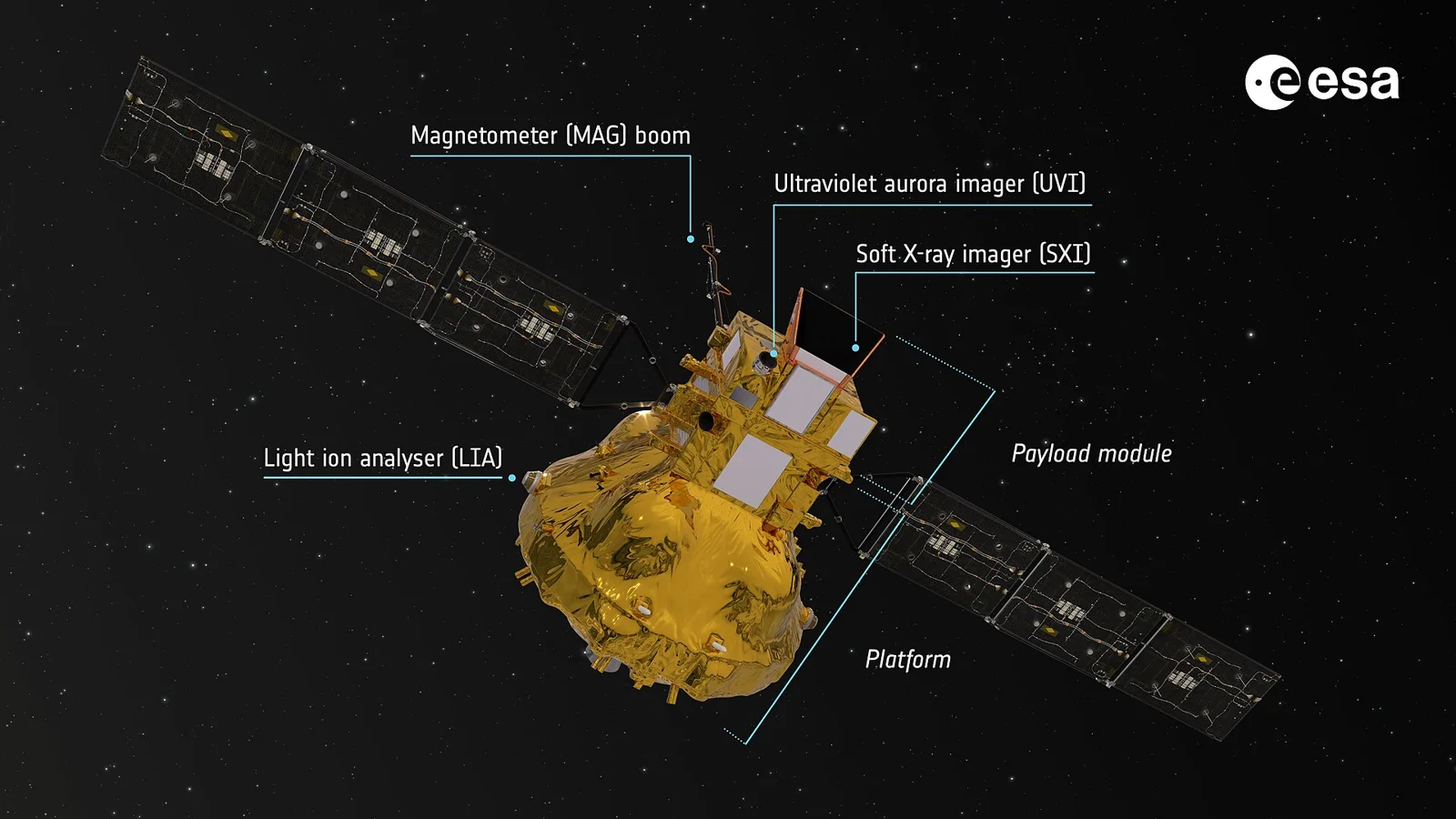
Once the MTM settles into orbit, BepiColombo will begin its primary science campaign. The mission carries two orbiters: the Mercury Planetary Orbiter (MPO) and the Mercury Magnetospheric Orbiter (MMO). Together they will map Mercury’s surface composition, study its exosphere, and probe the planet’s magnetic field. These data will help answer long‑standing questions about Mercury’s formation, its unusually large iron core, and the dynamics of its thin atmosphere.
Looking Ahead: From Arrival to Exploration
The MTM separation is just the opening act. Over the next several months the spacecraft will perform a series of orbital adjustments, culminating in a final insertion into a low‑altitude orbit around Mercury. Each maneuver will be broadcast live whenever possible, keeping the public engaged with one of humanity’s most ambitious planetary missions. For those following the journey, the next milestones include the first close‑up imaging of Mercury’s scarred surface and the delivery of high‑resolution magnetic field maps.
Connecting the Dots to Mushroom‑2‑Mars
While BepiColombo’s focus is on Mercury, the mission’s engineering feats echo the challenges we face in growing mushrooms on Mars. Both endeavors demand precise control of temperature, radiation, and limited resources—key lessons that will guide future off‑world agriculture.
Sources
This article was prepared with AI assistance from the sources listed above and approved by the Mushroom 2 Mars team before publication.