Launch and Journey to Orbit
On 19 May 2026, the Solar wind Magnetosphere Ionosphere Link Explorer (SMILE) lifted off from Europe’s Spaceport in French Guiana. After a series of burns and a cruise phase, the probe settled into its operational orbit on 20 June, positioning it to view Earth’s magnetosphere from a unique perspective. The first two months were devoted to in‑space commissioning – a period where engineers deployed antennas, activated heaters, and verified that every subsystem behaved as expected in the vacuum of space.
The Four‑Instrument Toolbox
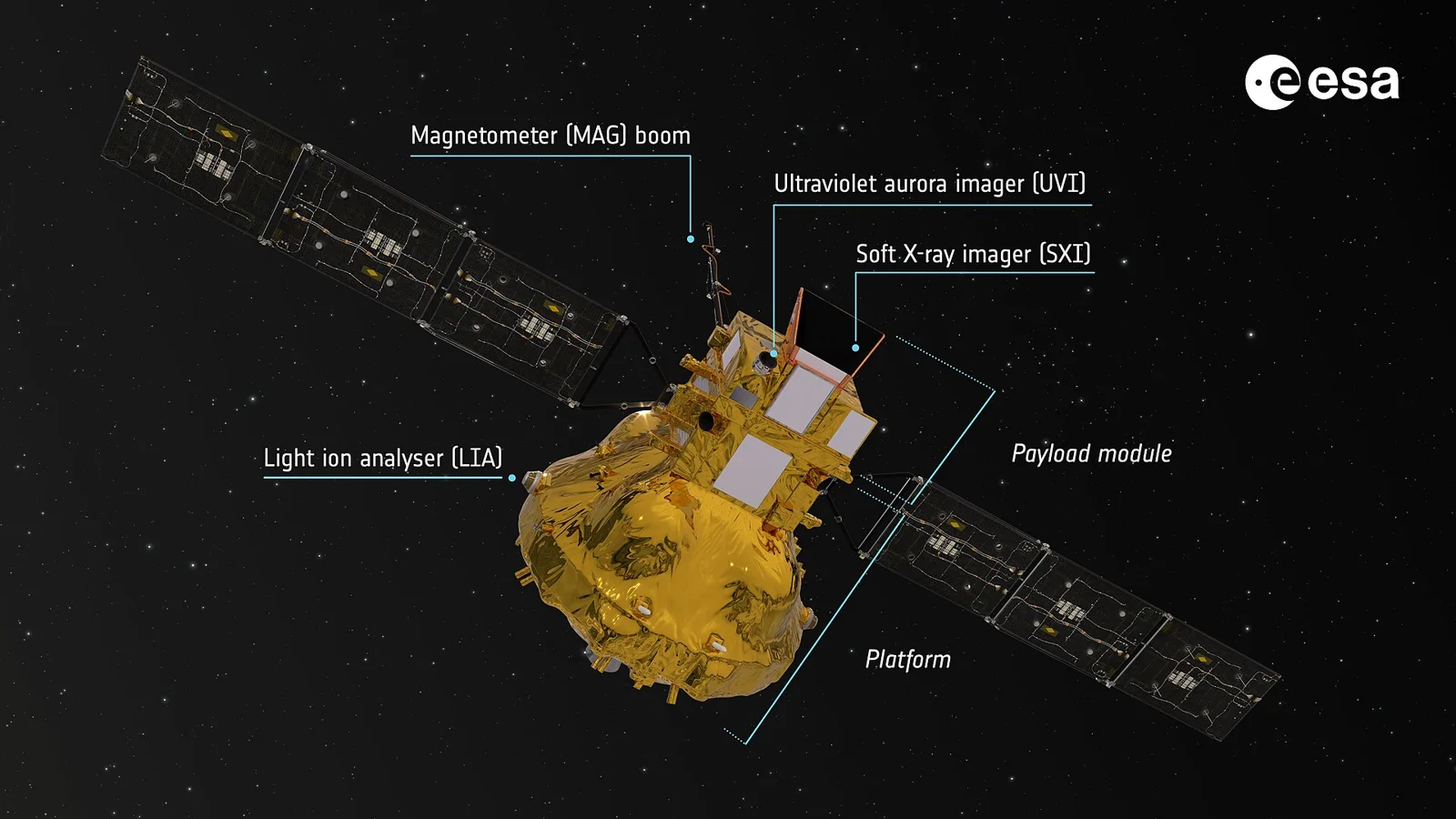
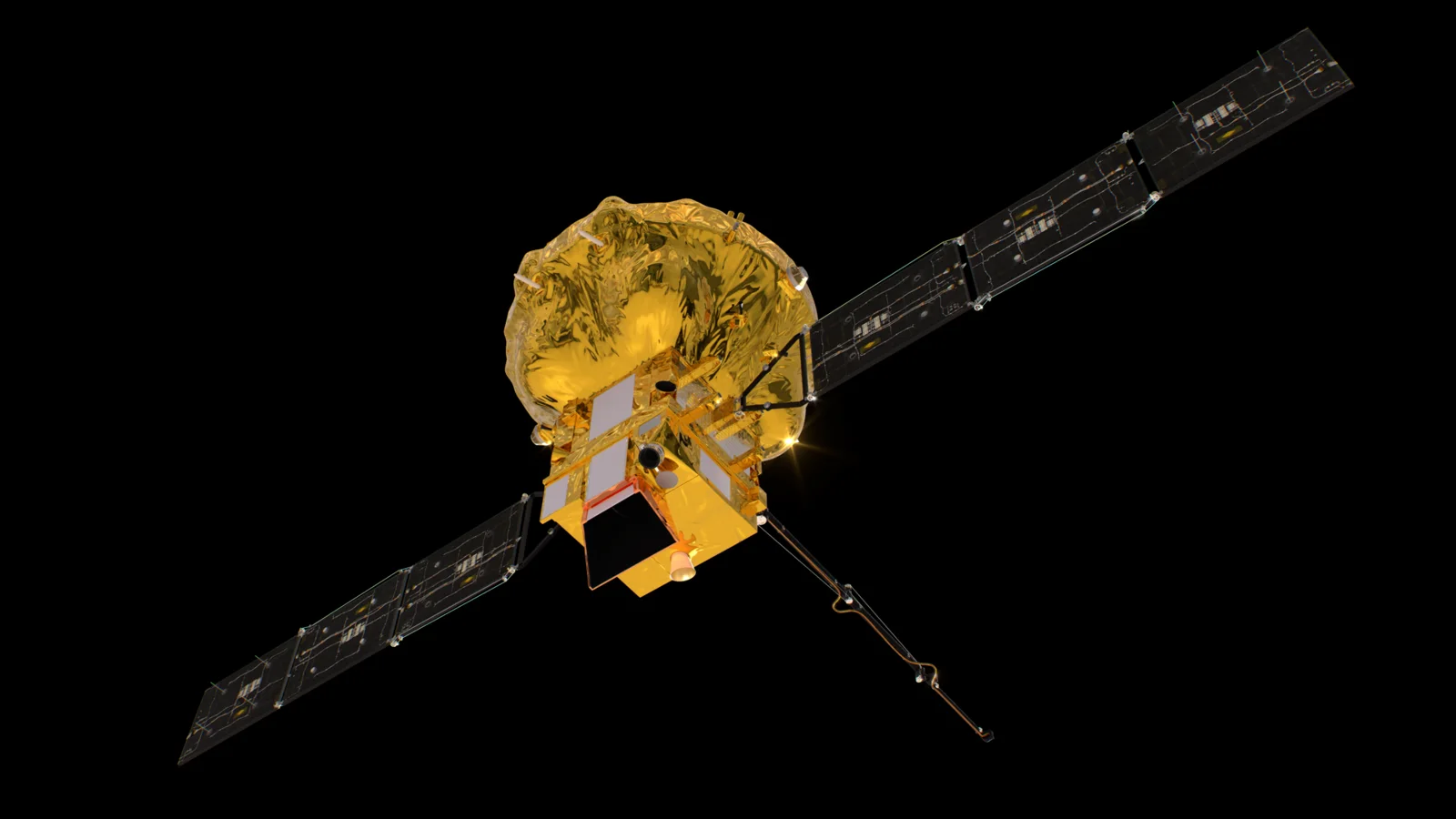
SMILE carries a compact suite of four scientific instruments. The soft X‑ray imager (SXI) captures X‑ray emissions from the Earth’s magnetopause and polar cusps, while the ultraviolet aurora imager (UVI) watches the northern lights in ultraviolet light – the first such camera in orbit since 2008. A magnetometer (MAG) measures the local magnetic field, and a light ion analyser (LIA) records the energy and composition of incoming solar wind particles. Together, they provide a multi‑wavelength view of how solar storms interact with Earth’s magnetic shield.
First Light: Ultraviolet Aurora Movie
Two weeks after UVI powered on, the instrument recorded a 45‑hour stretch of auroral activity on 24 July 2026. The footage shows the ultraviolet ring of the northern lights brightening as a burst of charged particles slammed into the magnetosphere. This is the first continuous UV aurora video since the 2008 satellite missions, offering scientists a new way to track the dynamics of space weather in real time.
X‑ray Camera Challenges and Solutions
SXI successfully captured its initial images of a distant exploded star, confirming the detector’s health. However, when the camera points toward Earth it picks up stray sunlight reflected from the planet’s bright polar regions. Engineers are tweaking onboard software and adjusting exposure settings to suppress this unwanted light. Fortunately, as Earth moves toward northern winter, natural illumination will dim, and the stray‑light problem is expected to reach a minimum by mid‑October, allowing SXI to image the magnetopause and polar cusp with clarity.
International Collaboration in Action
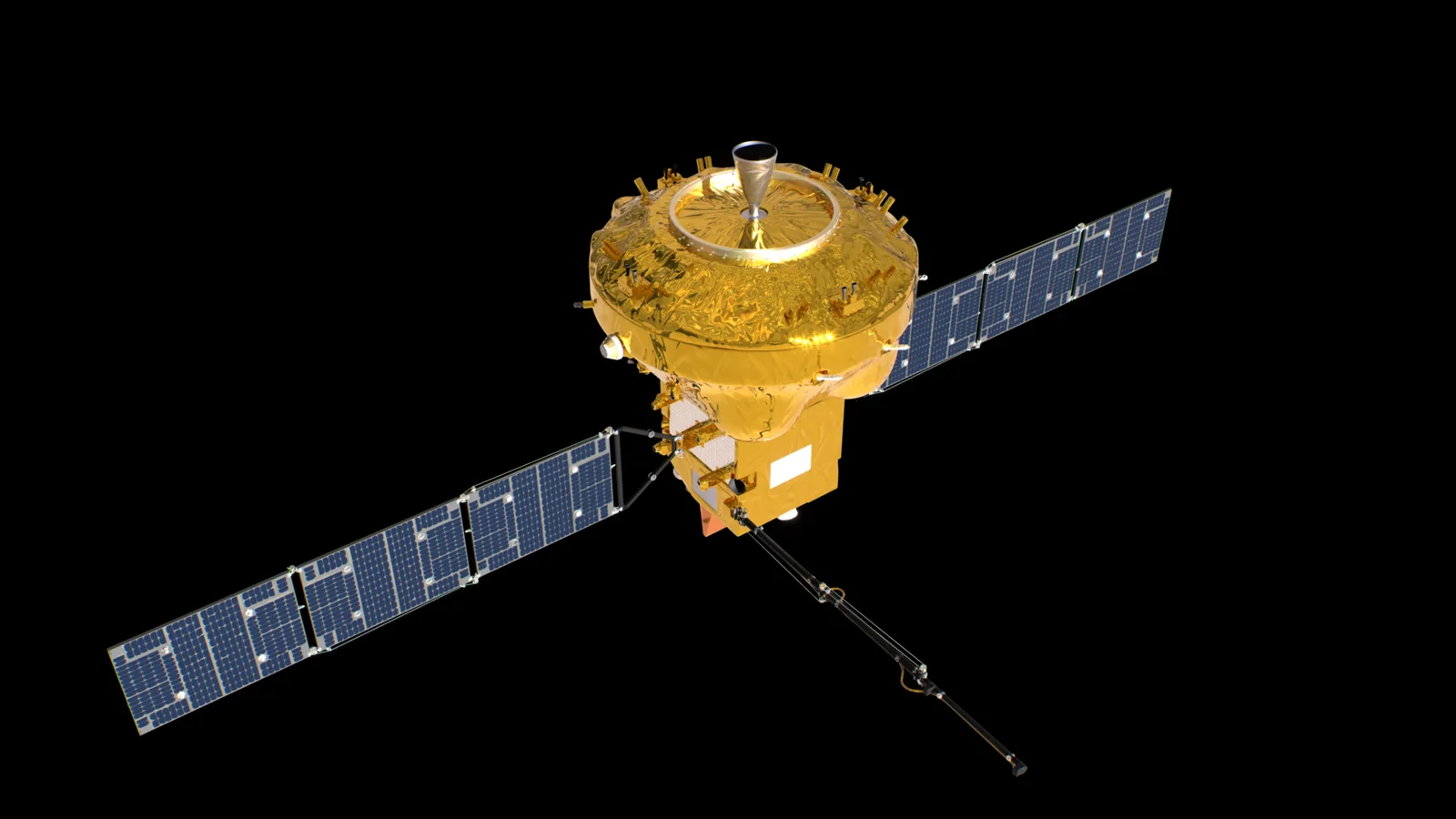
The mission is a joint effort between ESA and the Chinese Academy of Sciences. ESA supplied the payload module, the SXI instrument, the launch vehicle, and the integration facilities. China contributed the spacecraft bus and three of the four scientific instruments, and leads day‑to‑day spacecraft operations. Professor Carole Mundell, ESA’s Director of Science, highlighted the partnership’s importance, noting that the collaboration “will deliver ground‑breaking data to scientists around the world.”
Let’s SMILE – A Documentary Inside the Mission
A new documentary, part of the “Let’s SMILE” series, chronicles the spacecraft’s assembly from scattered components to a fully integrated probe. Filmed at ESA’s technical centre in the Netherlands and at the launch site, the film includes interviews with engineers and scientists from both Europe and China, offering a behind‑the‑scenes look at the challenges of building a cross‑continental space mission.
Looking Ahead: What SMILE Will Reveal
With its instruments now fully operational, SMILE will monitor how solar wind streams shape Earth’s magnetosphere, trigger geomagnetic storms, and generate auroras. By linking solar wind conditions to magnetospheric responses, the mission aims to improve space‑weather forecasting – a vital step for protecting satellites, power grids, and communication systems. As the data stream grows, researchers anticipate new insights into the fundamental physics that also govern planetary environments throughout the solar system, including the tenuous magnetosphere of Mars.
Sources
This article was prepared with AI assistance from the sources listed above and approved by the Mushroom 2 Mars team before publication.