A Colorful Canvas: Choosing the Right Bell Peppers
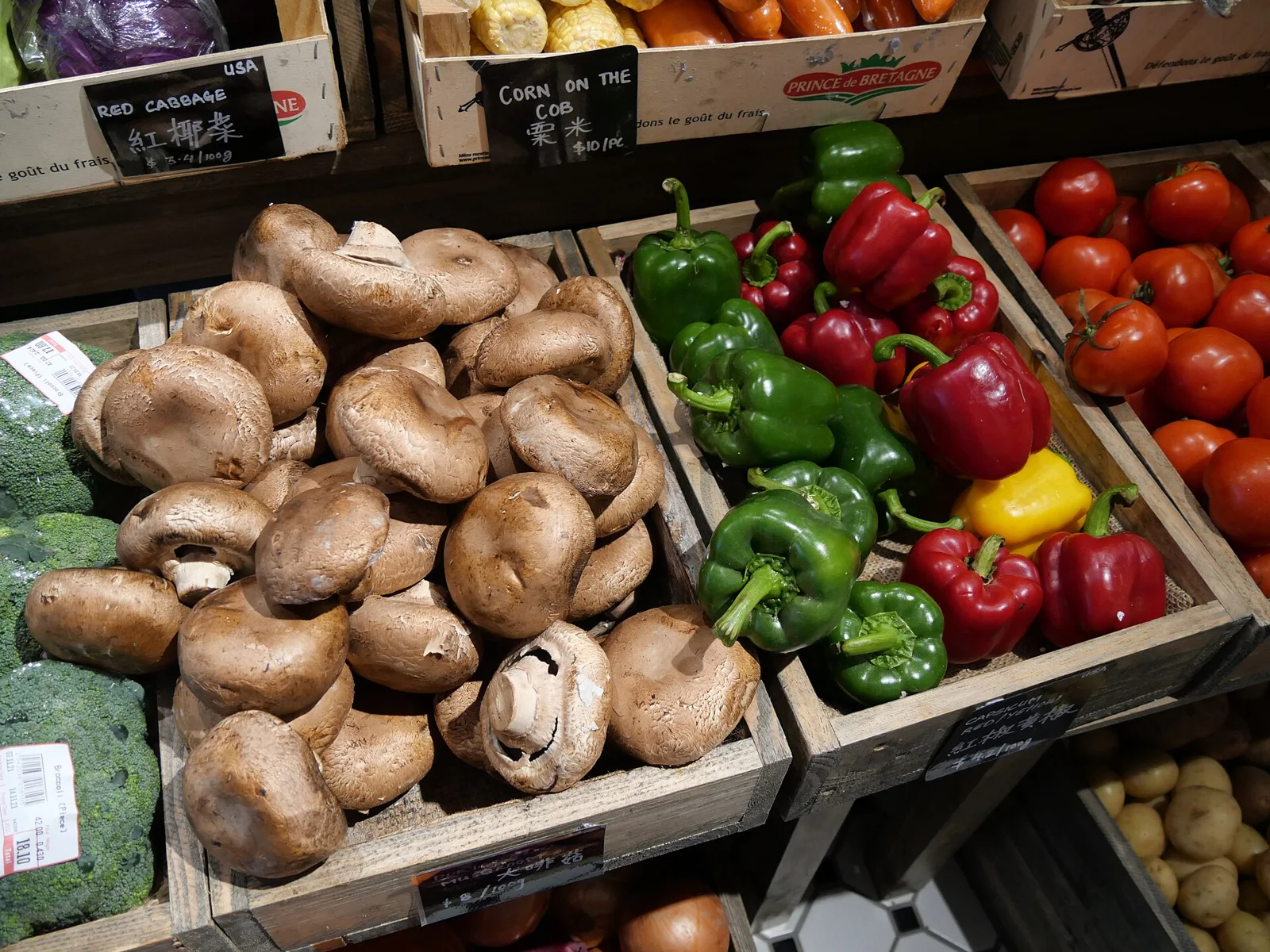
Start with fresh, firm bell peppers—red, orange, yellow or green work equally well. Look for skins that are glossy and free of soft spots. Cut off the tops, remove the seeds and membranes, and set the caps aside for later. If the peppers are a bit tall, you can trim a small slice from the bottom to create a stable base, being careful not to create a hole.
Preparing the Protein‑Rich Filling
Ingredients
- 1 cup uncooked quinoa ( rinsed )
- 2 cups low‑sodium vegetable broth
- 2 tablespoons olive oil
- 1 medium onion, finely diced
- 2 garlic cloves, minced
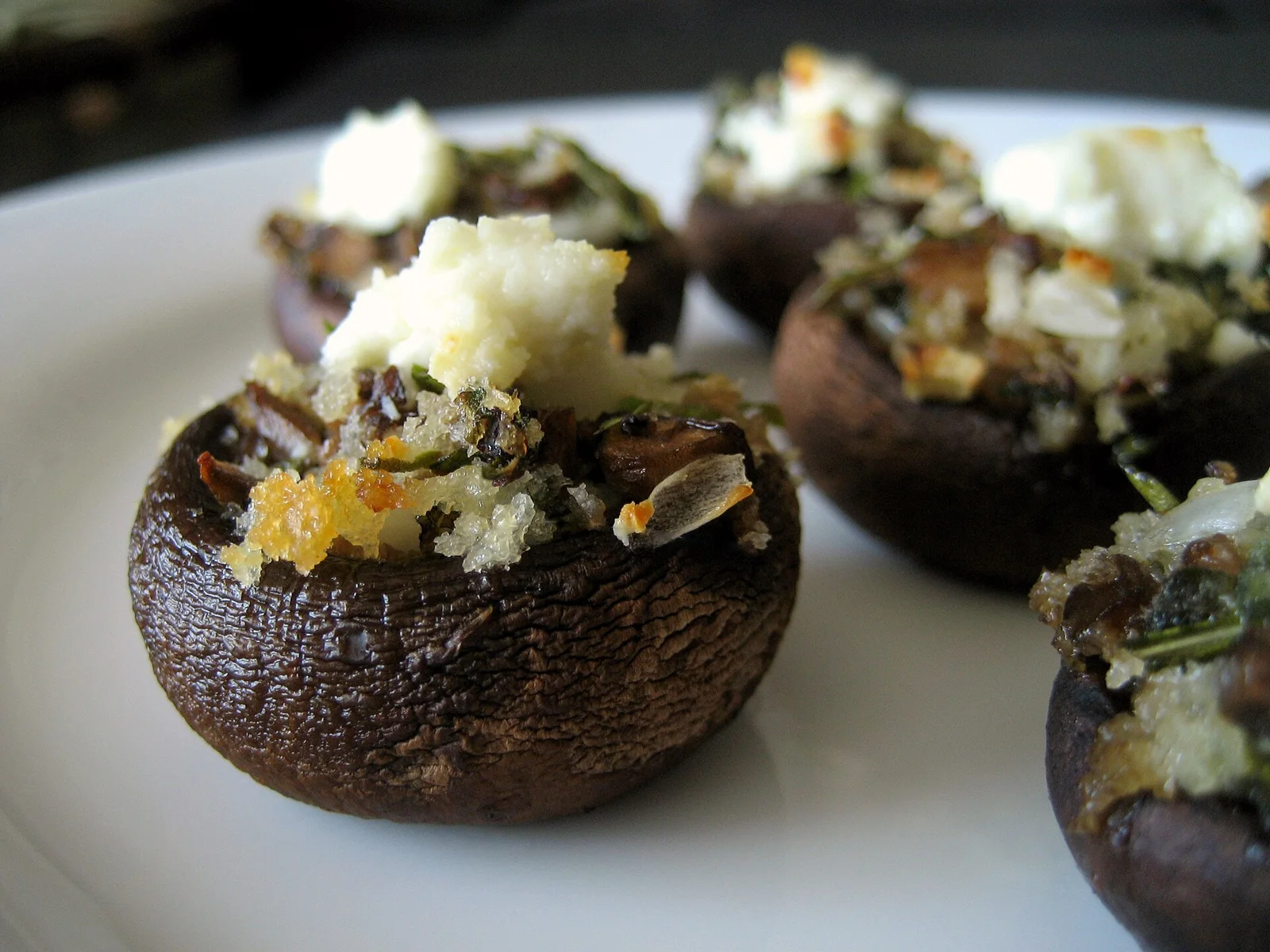
- 8 oz (≈225 g) cremini or button mushrooms, cleaned and coarsely chopped
- 1 cup cherry tomatoes, halved (or a 14‑oz can diced tomatoes, drained)
- 1 teaspoon smoked paprika
- ½ teaspoon ground cumin
- Salt and freshly ground black pepper to taste
- ¼ cup fresh parsley, chopped
- 2 tablespoons nutritional yeast (optional, for a cheesy note)
Cooking the Quinoa
In a saucepan, bring the vegetable broth to a boil. Add the rinsed quinoa, reduce heat to low, cover, and simmer for 15 minutes, or until the liquid is absorbed. Remove from heat and let it sit, covered, for 5 minutes, then fluff with a fork.
Sautéing the Vegetables
While the quinoa cooks, heat olive oil in a large skillet over medium heat. Add the diced onion and sauté for 3–4 minutes until translucent. Stir in the minced garlic and cook another minute, being careful not to let it brown.
Add the chopped mushrooms and a pinch of salt. Cook, stirring occasionally, for 6–8 minutes until the mushrooms release their moisture and turn golden. If the pan becomes dry, splash a little water or broth.
Stir in the halved cherry tomatoes, smoked paprika, cumin, and a dash of black pepper. Cook for 2–3 minutes until the tomatoes soften. Taste and adjust seasoning.
Bringing It All Together
Combine the cooked quinoa, mushroom‑tomato mixture, chopped parsley, and nutritional yeast in a large bowl. Mix gently until everything is evenly distributed. The filling should be moist but not watery; if needed, add a tablespoon of broth.
Assembling and Baking the Peppers
Preheat your oven to 190 °C (375 °F). Lightly brush the outside of each pepper with a little olive oil to encourage browning.
Spoon the quinoa‑mushroom filling into each pepper cavity, packing it gently but leaving a small gap at the top. Place the pepper caps back on, if you like, or leave them off for a more rustic look.
Arrange the stuffed peppers upright in a baking dish. Add about ¼ cup of water or vegetable broth to the bottom of the dish—this creates steam and helps keep the peppers tender.
Cover the dish with foil and bake for 25 minutes. Remove the foil and continue baking for another 10–15 minutes, or until the peppers are fork‑tender and the tops are lightly browned.
Serving Suggestions and Variations
Serve the peppers hot, garnished with an extra sprinkle of parsley or a drizzle of tahini for added richness. For a touch of heat, a few red‑pepper flakes can be tossed over the top.
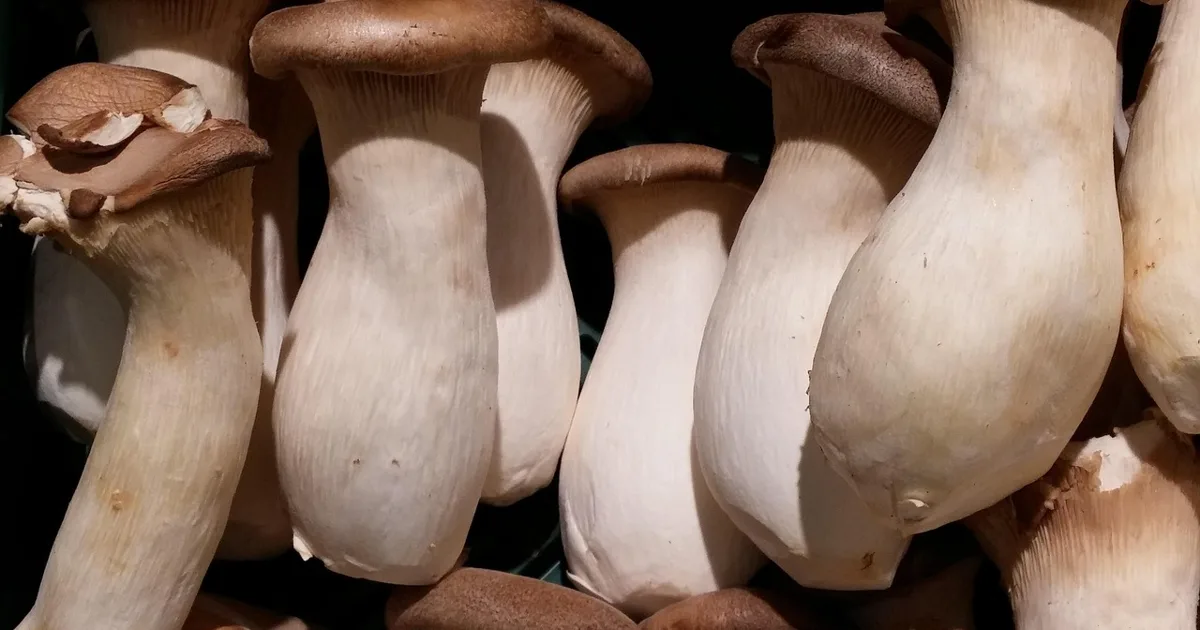
Variations: - Swap cremini mushrooms for oyster or shiitake for a deeper umami flavor. - Add a handful of chopped kale or spinach to the filling for extra greens. - Incorporate cooked black beans for additional protein and a Mexican twist.
Nutrition and Why It Works for Plant‑Based Diets
Quinoa provides a complete protein, meaning it contains all nine essential amino acids, while mushrooms contribute additional protein, fiber, B‑vitamins and antioxidants such as ergothioneine. Bell peppers are rich in vitamin C, which can enhance iron absorption from the quinoa‑mushroom blend. Together, the dish offers a balanced mix of macronutrients and micronutrients suitable for vegans and vegetarians.
From Earth’s Kitchen to a Martian Garden
Projects like Mushroom 2 Mars envision growing fungi and nutrient‑dense crops in space habitats. A recipe like this showcases how versatile, shelf‑stable ingredients—quinoa, dried mushrooms and canned tomatoes—could be combined with fresh produce grown hydroponically on a future Martian greenhouse.
Enjoy the vibrant flavors, and imagine the possibilities of cooking with mushrooms beyond our planet.
Sources
Only eat mushrooms you bought from a trusted seller or grew yourself. Never eat a wild mushroom unless an expert has identified it. Cook mushrooms thoroughly and check ingredients for allergies.
This article was prepared with AI assistance from the sources listed above and approved by the Mushroom 2 Mars team before publication.