What Dark Slope Streaks Look Like
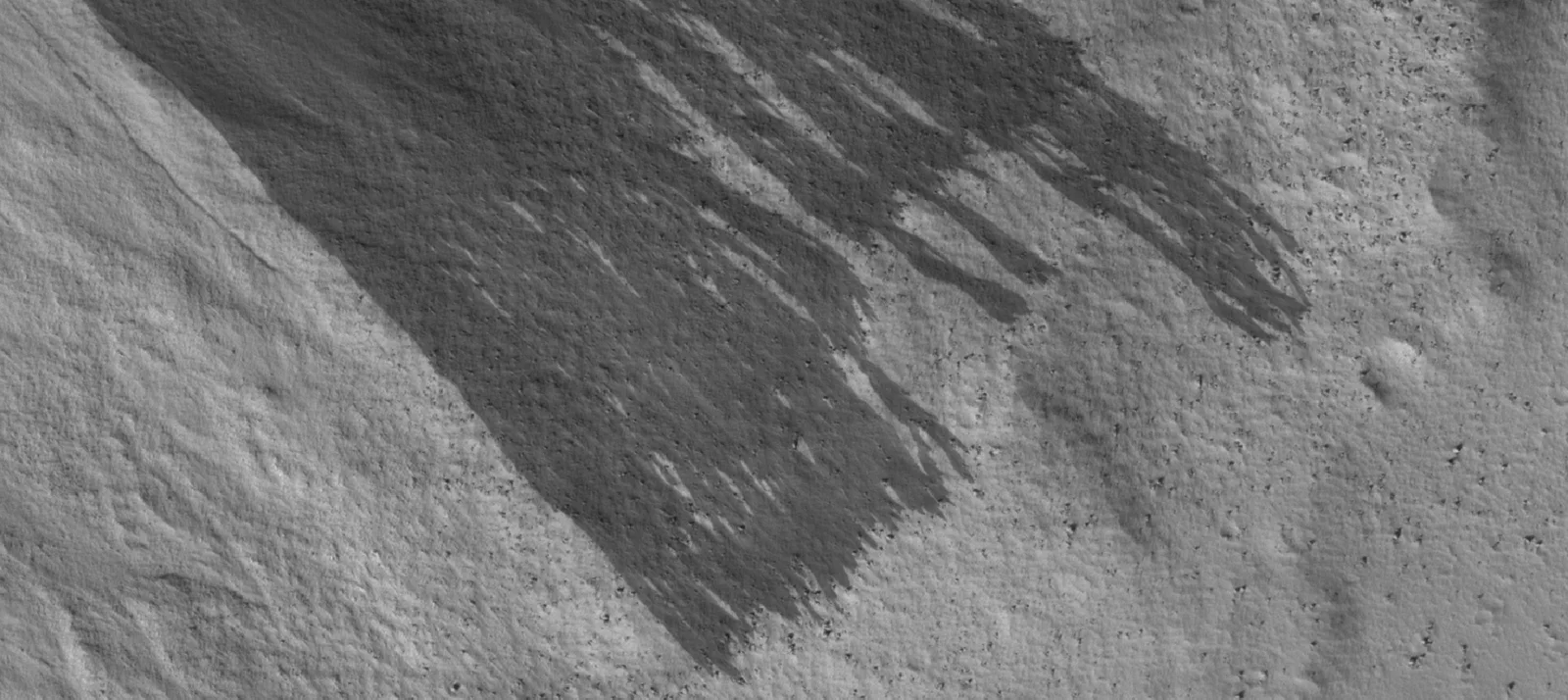
Dark slope streaks appear as narrow, darker ribbons that run down steep, dust‑covered slopes on Mars. To the naked eye they look like thin shadows, but high‑resolution photos from the HiRISE camera show that they are not true shadows – they are changes in surface brightness. The streaks are typically about 10 % darker than the surrounding bright dust, and they can range from 20 m to 200 m wide and over a kilometer long. Their shape varies: some are straight, others curve or branch like a small river network, and many fan out from a single high‑point on the slope.
How They Form: Dust Avalanches on a Dusty World
The leading explanation is that a thin layer of fine dust suddenly slides downhill, exposing a darker underlying material. This “dust avalanche” removes the bright, reddish coating that normally blankets the Martian surface, revealing darker sand, silt, or clay particles beneath. Because the movement involves only the topmost millimeters, the underlying rock is never exposed. The process is gravity‑driven, not wind‑driven, although wind may help clear the dust before an avalanche begins. Studies of more than half a million streaks found they occur most often in dusty regions rather than in areas that appear moist, supporting the dust‑avalanche model.
Why They Fade Over Time
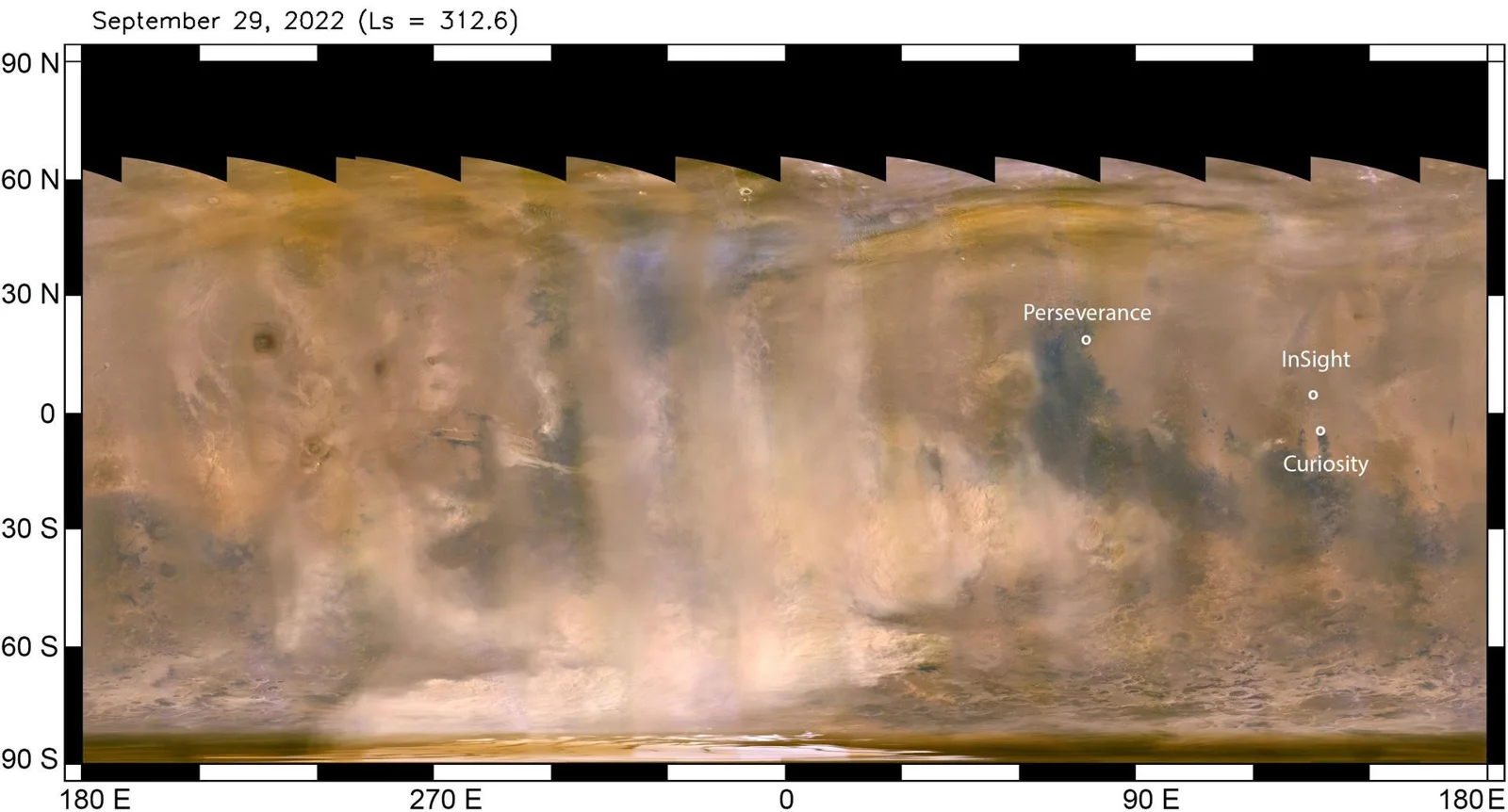
When a streak first forms it is dark and has sharp edges. Over weeks to months, fine dust from the atmosphere settles back onto the streak, lightening it and blurring its borders. The darkest streaks are therefore presumed to be the youngest. This gradual brightening provides scientists with a natural clock: by tracking how quickly a streak fades, researchers can estimate dust‑fall rates and atmospheric activity on Mars.
Distribution and Scale: A Tiny Yet Global Player
Dark slope streaks are most common in the equatorial regions, especially along crater walls, escarpments, and other steep terrain. Although each individual streak covers only a tiny fraction of the planet—less than 0.1 % of the surface—their combined activity transports an amount of dust comparable to several global dust storms each Martian year. This suggests that, despite their modest size, streaks could play a significant role in the planet’s dust cycle, constantly reshuffling material from bright to dark areas.
Open Questions: Water, Volatiles, and the Mystery of Triggering Events
Scientists have not yet reached a consensus on whether water or other volatile substances influence streak formation. Some researchers propose that transient brine films could reduce friction and help dust move, while others argue that the process can occur entirely without liquid. The exact trigger—whether a small impact, a thermal crack, or a sudden wind gust—remains debated. What is clear is that dark slope streaks are among the few surface features that can be observed changing in real time on Mars, offering a unique window into current geological activity.
Why the Streaks Matter for Future Exploration
Understanding how dust moves on Mars is crucial for any long‑term mission. Dust can coat solar panels, affect thermal regulation, and influence the stability of landing sites. By studying dark slope streaks, engineers can better predict where dust may accumulate or be cleared, informing the placement of habitats, solar arrays, and scientific instruments. Moreover, the streaks illustrate that Mars is not a static world; its surface continues to evolve, a reminder that even today the planet is reshaping itself—just as we hope to reshape it with mushroom farms on the Red Planet.
Sources
This article was prepared with AI assistance from the sources listed above and approved by the Mushroom 2 Mars team before publication.