Part of the guide: Mycology: A Complete Guide to Fungi, Cultivation, and Safety
What Makes Oyster Mushrooms Unique?
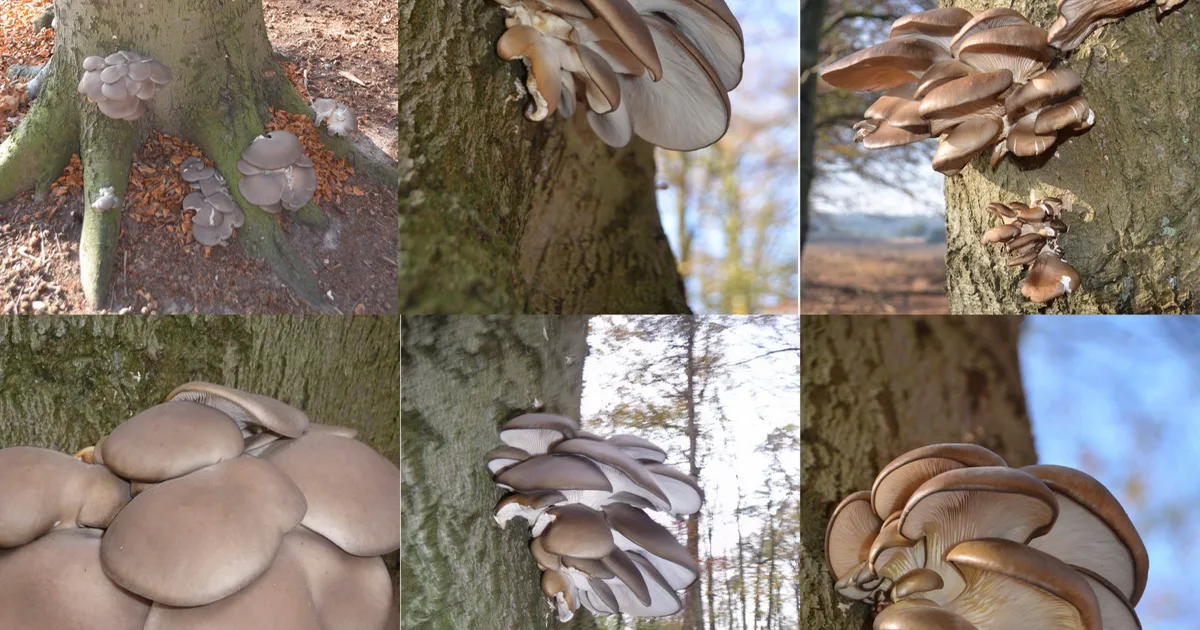
The genus Pleurotus groups together a variety of gilled mushrooms commonly called oyster, abalone, or tree mushrooms. Their most recognizable member, Pleurotus ostreatus, sports a cap that attaches laterally to the growing substrate, often without a noticeable stem. When a stem is present it is typically off‑center (eccentric) and the gills run down its length, a feature known as decurrent attachment. The spores are smooth, elongated cylinders, and the hyphae are linked by clamp connections, giving the fungus a soft, monomitic texture—except for the occasional species like P. dryinus that develops tougher, bracket‑like tissue.
Taxonomy and Species Diversity
Classifying oyster mushrooms can be tricky. Their appearance varies widely across regions, and many species overlap geographically. Historically, they were lumped under a broad Agaricus grouping, but the modern genus Pleurotus was defined in 1871. Molecular studies now sort the group into several clades and "intersterility" complexes—groups that can or cannot interbreed. Some well‑known species include:
- P. ostreatus – the classic oyster or pearl oyster mushroom, found in North America and northern Eurasia.
- P. pulmonarius – the phoenix or Indian oyster, distributed across North America, Eurasia, and Australasia.
- P. eryngii – the king oyster, prized for its thick stems.
- P. djamor – the pink oyster, thriving in tropical zones.
- P. citrinopileatus – the golden oyster of eastern Asia.
These species belong to distinct phylogenetic clades, and many older names are now considered synonyms within larger species complexes.
Natural Habitat and Ecology
Oyster mushrooms inhabit both tropical and temperate forests worldwide. They are primarily white‑rot fungi, breaking down lignin in hardwoods (and occasionally conifers). A few species, such as P. eryngii, act as weak parasites on herbaceous plants, while P. tuber‑regium forms underground storage bodies called sclerotia.
All Pleurotus species are also nematophagous—they capture tiny nematodes using a toxin. Research on P. ostreatus revealed that specialized structures called toxocysts release the volatile compound 3‑octanone, which disrupts nematode cell membranes, likely serving both defensive and nutritional purposes.
Growing Oyster Mushrooms at Home
Because they thrive on a wide range of lignocellulosic materials, oyster mushrooms are among the easiest fungi to cultivate. Here’s a straightforward method for beginners:
- Select a substrate – straw, sawdust, or coffee grounds work well. Pasteurize the material by heating it to 70 °C (158 °F) for 1 hour to kill competing microbes.
- Inoculate – Once cooled, mix in a commercial Pleurotus spawn (grain‑based mycelium). Keep the substrate loosely packed in a clean container with small ventilation holes.
- Incubate – Store the container in a dark, warm area (20‑24 °C / 68‑75 °F) for 10‑14 days. The mycelium will colonize the substrate, turning it white.
- Fruit – Lower the temperature to 15‑18 °C (59‑64 °F) and increase fresh‑air exchange. Light isn’t essential but helps orient the caps. Within a week, pinheads appear and develop into full‑size mushrooms.
- Harvest – Cut the mushrooms at the base when caps are still slightly convex. They can be harvested multiple times from a single substrate batch.
Maintaining proper humidity (85‑95 %) and avoiding contamination are the main challenges. With careful attention, a small home kit can produce several harvests per year.
Culinary and Environmental Benefits
Oyster mushrooms have a delicate, slightly sweet flavor and a velvety texture that works well in stir‑fries, soups, and pasta dishes. Because they grow quickly and efficiently on low‑value agricultural waste, they offer a sustainable protein source. Additionally, Pleurotus species have been employed in mycoremediation—using fungal mycelium to break down pollutants such as petroleum hydrocarbons and dyes in contaminated soils.
While some studies suggest that oyster mushroom extracts contain antioxidant compounds, the research is still early and does not support any medical claims. Enjoy them as a nutritious food, not as a cure.
From the Pacific Northwest’s springtime forays to indoor kits on a kitchen counter, oyster mushrooms illustrate how a simple fungus can feed people, clean the environment, and perhaps one day help feed explorers on the Red Planet.
Sources
This guide is not a foraging or identification manual. Many edible mushrooms have toxic look-alikes. Never eat a wild mushroom unless an expert has identified it in person.
This article was prepared with AI assistance from the sources listed above and approved by the Mushroom 2 Mars team before publication.