Part of the guide: Mycology: A Complete Guide to Fungi, Cultivation, and Safety
Selecting the Best Hardwood Species
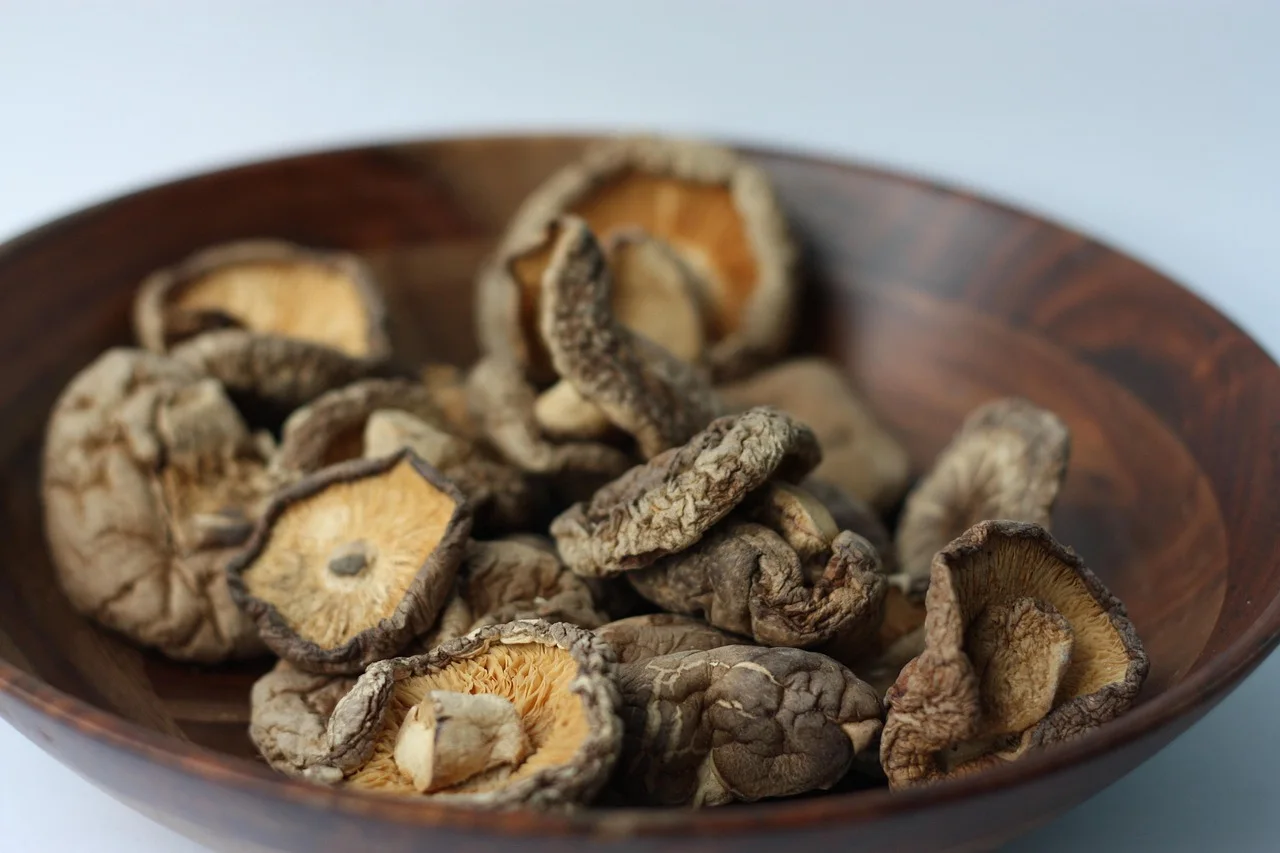
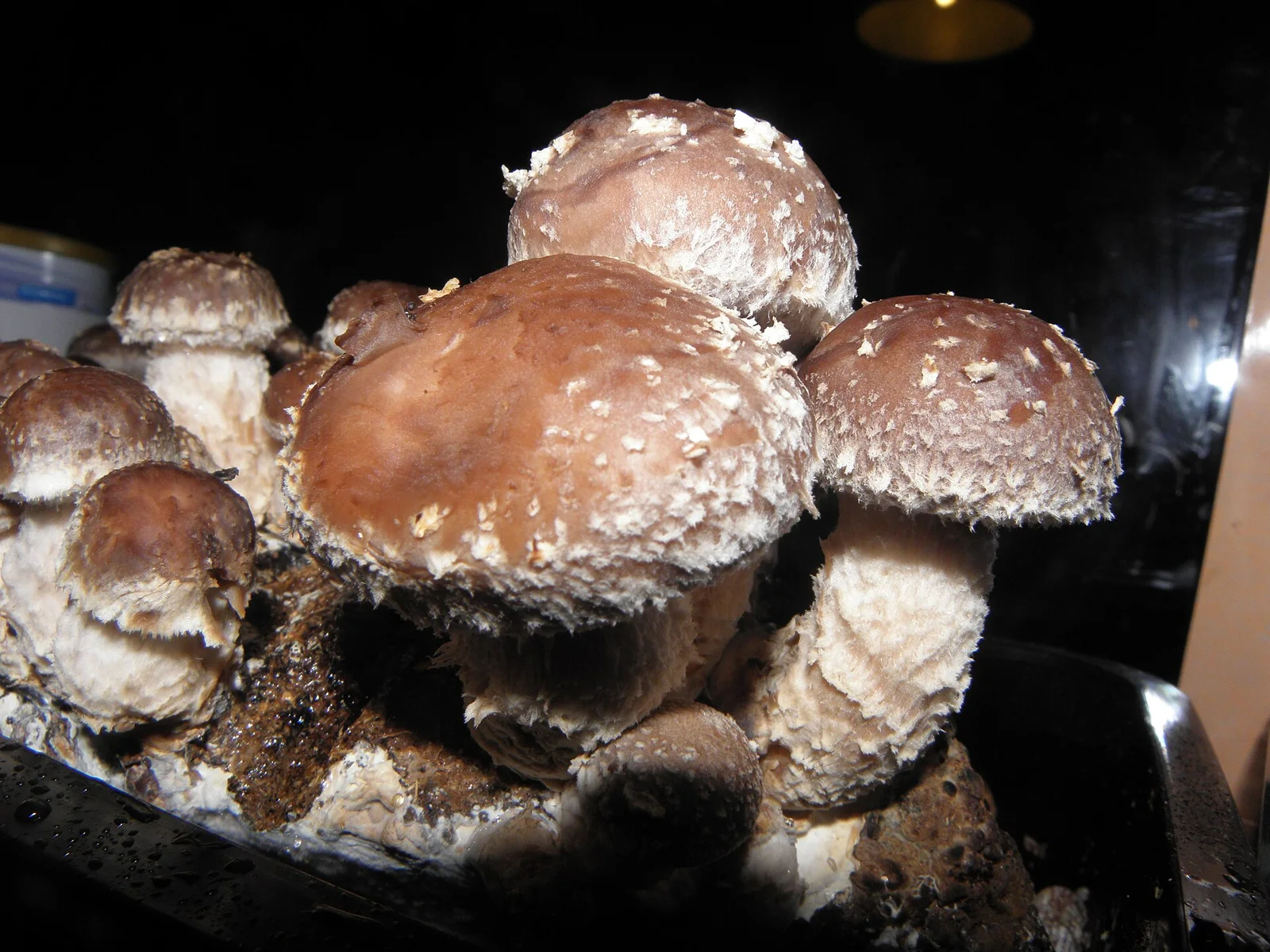
Shiitake (Lentinula edodes) thrives on dense, slow‑decaying hardwoods. Oak, beech, and maple are the most commonly recommended because they retain moisture and provide the nutrients shiitake needs during the fruiting phase. Avoid softwoods such as pine or fir, which contain resins that can inhibit mycelial growth. Aim for logs that are 3‑6 inches (7‑15 cm) in diameter and 3‑4 feet (0.9‑1.2 m) long; this size balances structural stability with enough interior volume for the mycelium to colonize (University of Florida IFAS Extension).
Harvesting Fresh, Healthy Logs
When possible, cut logs during the dormant season (late fall to early winter) when the tree’s sap flow has slowed. Freshly felled logs contain more available sugars, which speed up colonization. If you must use stored logs, let them age for 2‑3 weeks outdoors to allow the bark to dry slightly; this reduces the risk of competing organisms. Before inoculation, inspect each log for cracks, rot, or insect damage, and discard any compromised pieces.
Drilling the Inoculation Holes
Accurate drilling is crucial for even colonization. Use a 5/16‑inch (8 mm) drill bit and a cordless drill with a depth stop set to 1‑inch (2.5 cm). Space holes in a diamond pattern: 4‑6 inches (10‑15 cm) apart along the length and offset each row by half the spacing. This pattern maximizes the surface area exposed to the spawn while minimizing weak points in the log. Clean the drill bit with rubbing alcohol between logs to prevent cross‑contamination.
Inoculating with Shiitake Spawn
Two main types of spawn are available: sawdust spawn and plug spawn. Sawdust spawn is packed into the holes and sealed with wax; plug spawn consists of wooden dowels pre‑colonized with mycelium, which are simply hammered in. Regardless of type, fill each hole completely, then cover the opening with food‑grade paraffin wax or beeswax to retain moisture and protect against pests. Label each log with the inoculation date and wood species to track progress.
Aftercare: Moisture, Shade, and Patience
Place inoculated logs in a shaded, well‑ventilated area with 80‑90 % relative humidity. Mist the logs lightly once a week, or cover them with a breathable tarp during dry spells to maintain moisture. Shiitake mycelium typically colonizes the log within 6‑12 months, after which primordia (tiny pins) appear. Harvest the fruiting bodies by cutting at the base once caps are fully expanded but before the edges begin to curl.
Connecting to the Red Planet
Just as careful log preparation nurtures shiitake on Earth, similar precision will be essential when cultivating fungi in Martian habitats, supporting future space agriculture.
Sources
- Shiitake Mushroom Production on Logs – UF/IFAS Extension
- Growing Shiitake on Logs – Cornell Small Farms Program
This article was prepared with AI assistance from the sources listed above and approved by the Mushroom 2 Mars team before publication.