Mushroom Varieties in Medieval Texts
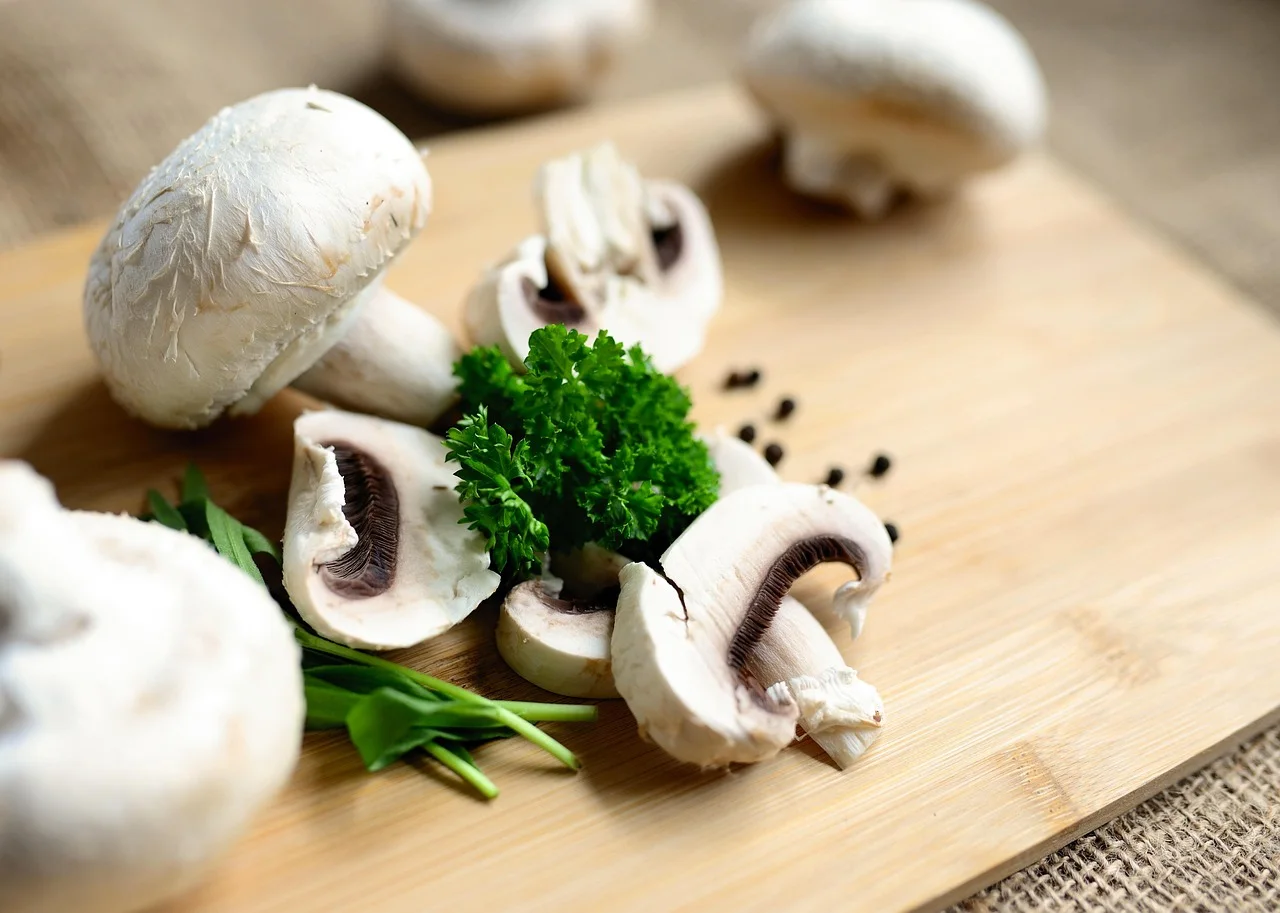
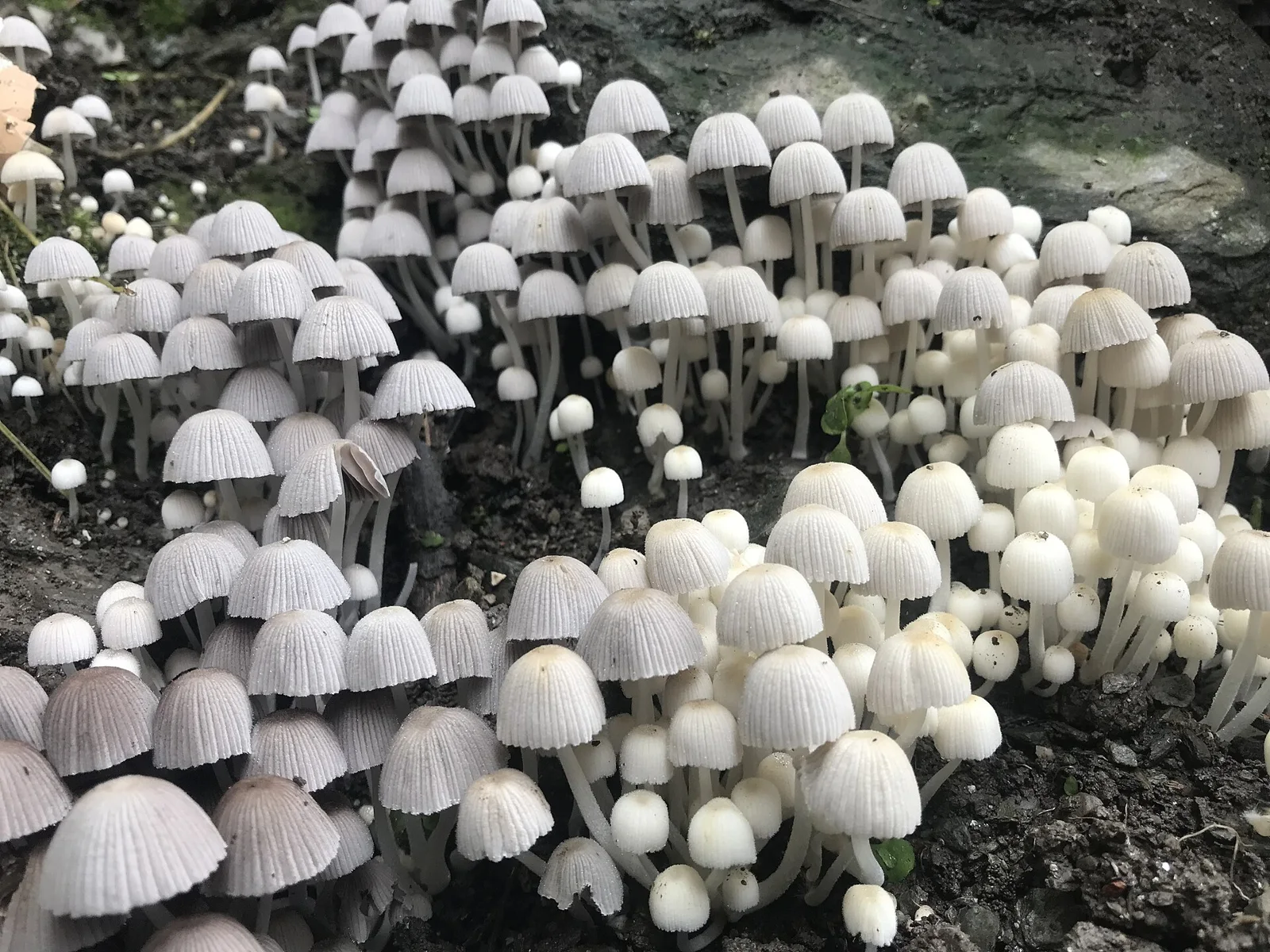
Medieval cookbooks such as The Forme of Cury (c. 1390) and the French Le Viandier list several fungi, most often the cultivated button mushroom (Agaricus bisporus) and wild varieties like the porcini (Boletus edulis) and the more elusive cep (Macrolepiota spp.)【1】. These texts distinguish between "cultivated" and "wild" mushrooms, reflecting both the growing of mushrooms in monastic gardens and the foraging traditions of the countryside.
Royal Banquets and Exotic Fungi
Kings and dukes used mushrooms to showcase wealth and culinary skill. The 14th‑century banquet records of Edward III mention a "soupe de champignons" flavored with saffron and almond milk, a dish reserved for high‑status guests【2】. In Italy, the 15th‑century Libro di cucina describes a mushroom ragù served over spelt, spiced with pepper and cinnamon, indicating the trade of exotic spices alongside prized fungi.
Everyday Meals for the Common Folk
For peasants, mushrooms were a seasonal supplement to grain‑based diets. The Boke of Cookery (1475) includes a simple stew of boiled mushrooms, leeks, and barley, seasoned only with salt and herbs【3】. Such recipes highlight the reliance on locally foraged mushrooms, especially after autumn rains when bolete and chanterelle populations peaked.
Cooking Techniques and Flavor Pairings
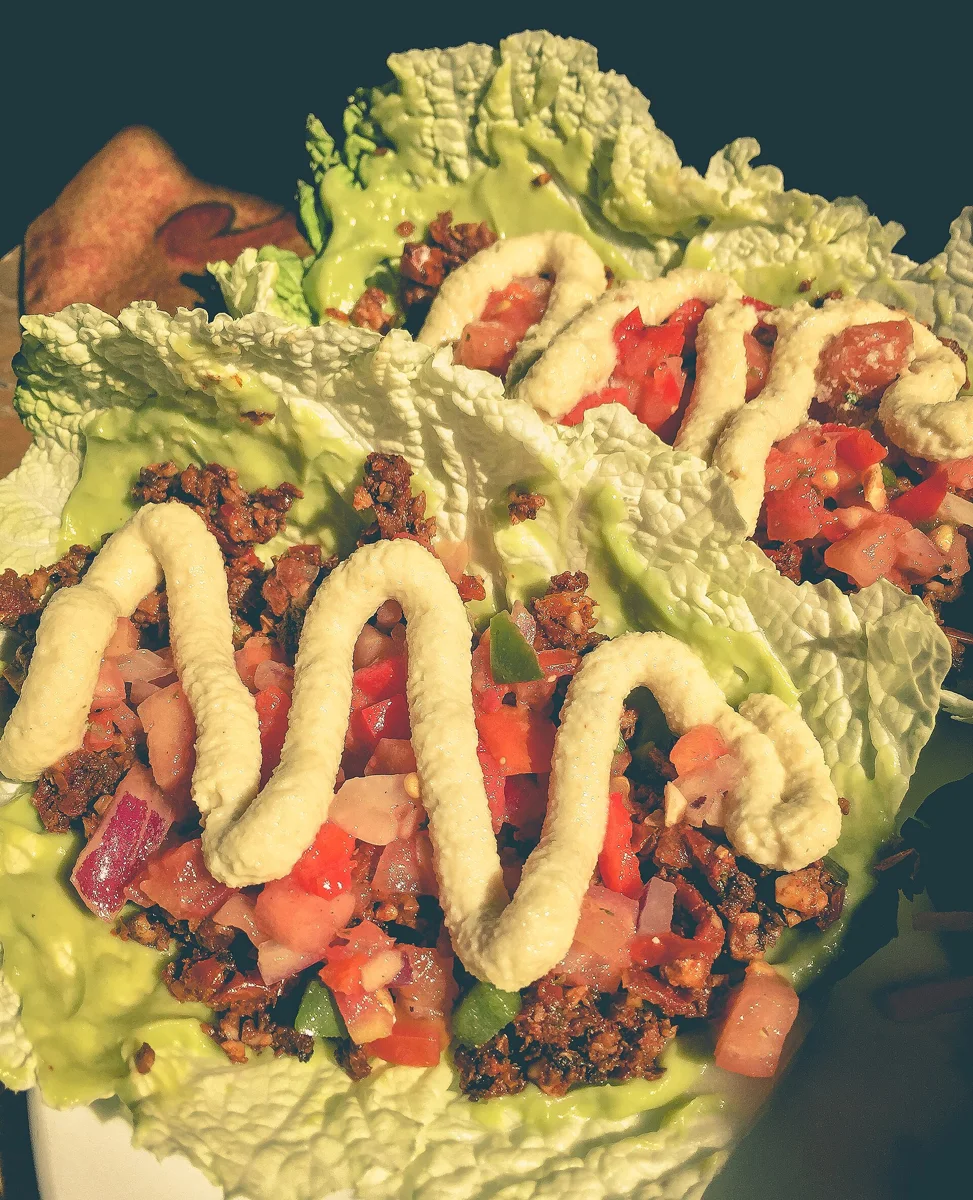
Medieval chefs often combined mushrooms with dairy, nuts, and sweet spices. A common method was to grind dried mushrooms into a powder and blend it into sauces, a technique noted in the German Kochbuch of 1485【4】. Pairings with almond milk, honey, and verjuice (unripe grape juice) created a balance of earthiness and subtle sweetness, a flavor profile still admired in modern vegan cooking.
Preservation and Trade
Drying was the primary preservation method. Dried mushroom flakes could be stored for months and rehydrated in soups or stews. Trade records from the Hanseatic League show shipments of dried porcini from the Italian Alps to the Baltic ports, underscoring mushrooms as a commodity in medieval commerce【5】.
Legacy for Modern Kitchens
Today's chefs revive medieval mushroom dishes, adapting them for plant‑based diets. Recreating a Forme of Cury mushroom pottage with contemporary ingredients offers a glimpse into the past while meeting modern taste and nutrition standards. The historical emphasis on seasonal, locally sourced fungi aligns with current sustainable cooking movements.
From monastic gardens to royal tables, mushrooms helped shape medieval European cuisine, leaving a flavorful legacy that continues to inspire today’s kitchens.
Sources
- The Forme of Cury – medieval English cookbook
- Le Viandier – medieval French cookbook
- Boke of Cookery (1475) – early English cookbook
- Medieval mushroom trade in the Hanseatic League
This article was prepared with AI assistance from the sources listed above and approved by the Mushroom 2 Mars team before publication.