Part of the guide: Mushrooms: A Complete Guide to Identification, Cooking, and Cultivation
Mushrooms are a versatile ingredient that can transform a simple dish into something earthy, umami‑rich, and satisfying. Whether you’re a home chef curious about the best way to sauté a handful of cremini or a seasoned forager looking to turn wild finds into a hearty stew, this guide covers the fundamentals of mushroom cooking, safety basics, and a curated selection of recipes you can try today.
Understanding Mushroom Types and Their Culinary Roles
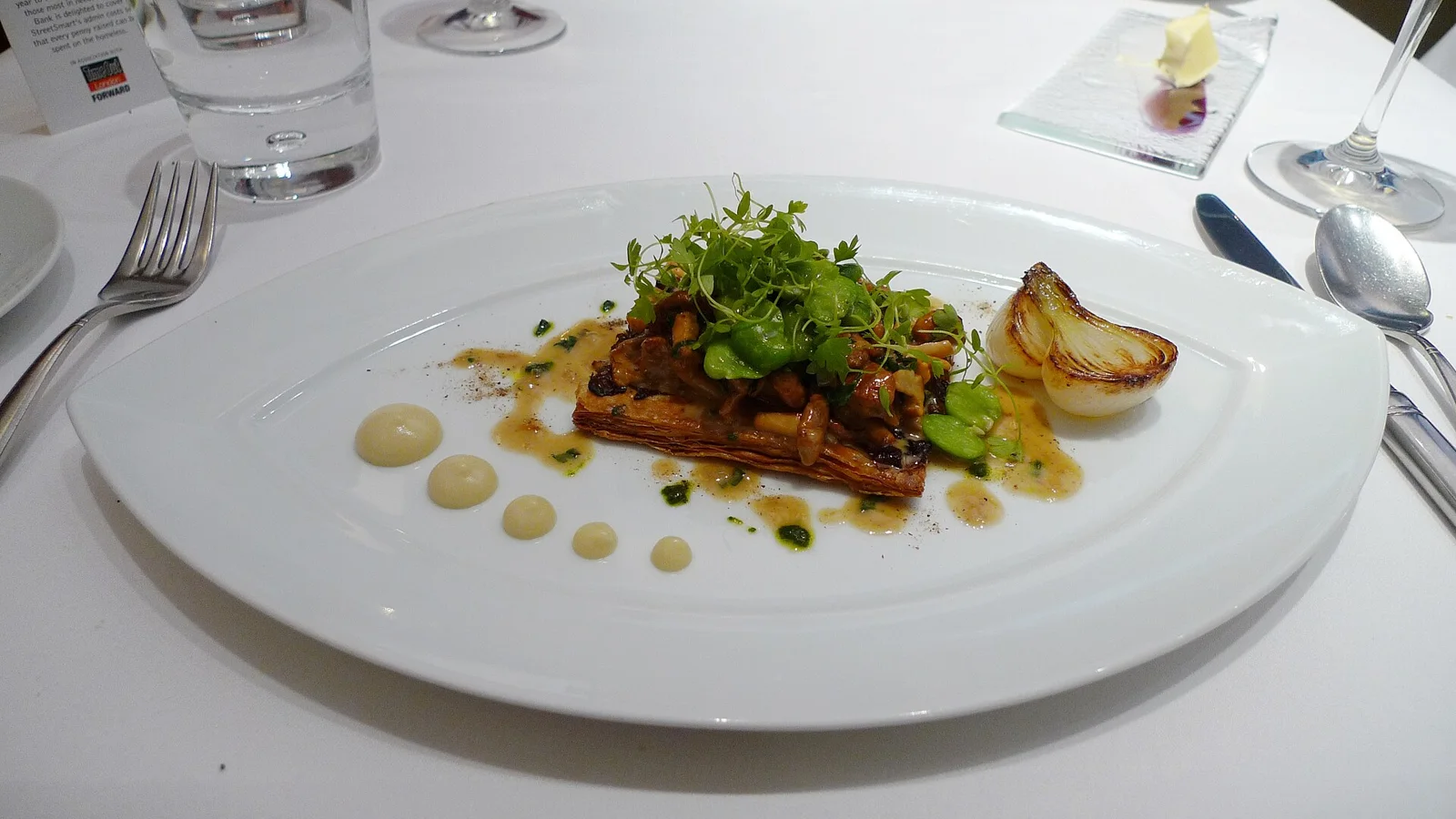
Different species bring distinct textures and flavors. Firm varieties like king trumpet or portobello hold up well to grilling and stuffing, while delicate ones such as chanterelles and shiitake release fragrant oils when gently sautéed. Knowing the structure of a mushroom helps you choose the right technique: dense caps benefit from slow roasting to develop caramelized notes, whereas tender stems are ideal for quick stir‑fries. For a deeper dive into specific species, see our article on Chanterelle Mushrooms: Identification, Habitat, and Cooking Tips, which explains how to recognize this prized fungus and use it in the kitchen.

Basic Safety and Preparation
Never rely on visual cues alone to determine edibility—always confirm identification with an expert or reputable guide. Even edible mushrooms should be cleaned properly: wipe caps with a damp cloth or give them a brief rinse (no more than 30 seconds) and pat dry. Avoid soaking, which can cause mushrooms to become waterlogged and dilute flavor. When cooking, heat them thoroughly; most edible fungi become safe and more digestible after being cooked at 165 °F (74 °C) for several minutes.
Core Cooking Techniques
1. Sautéing
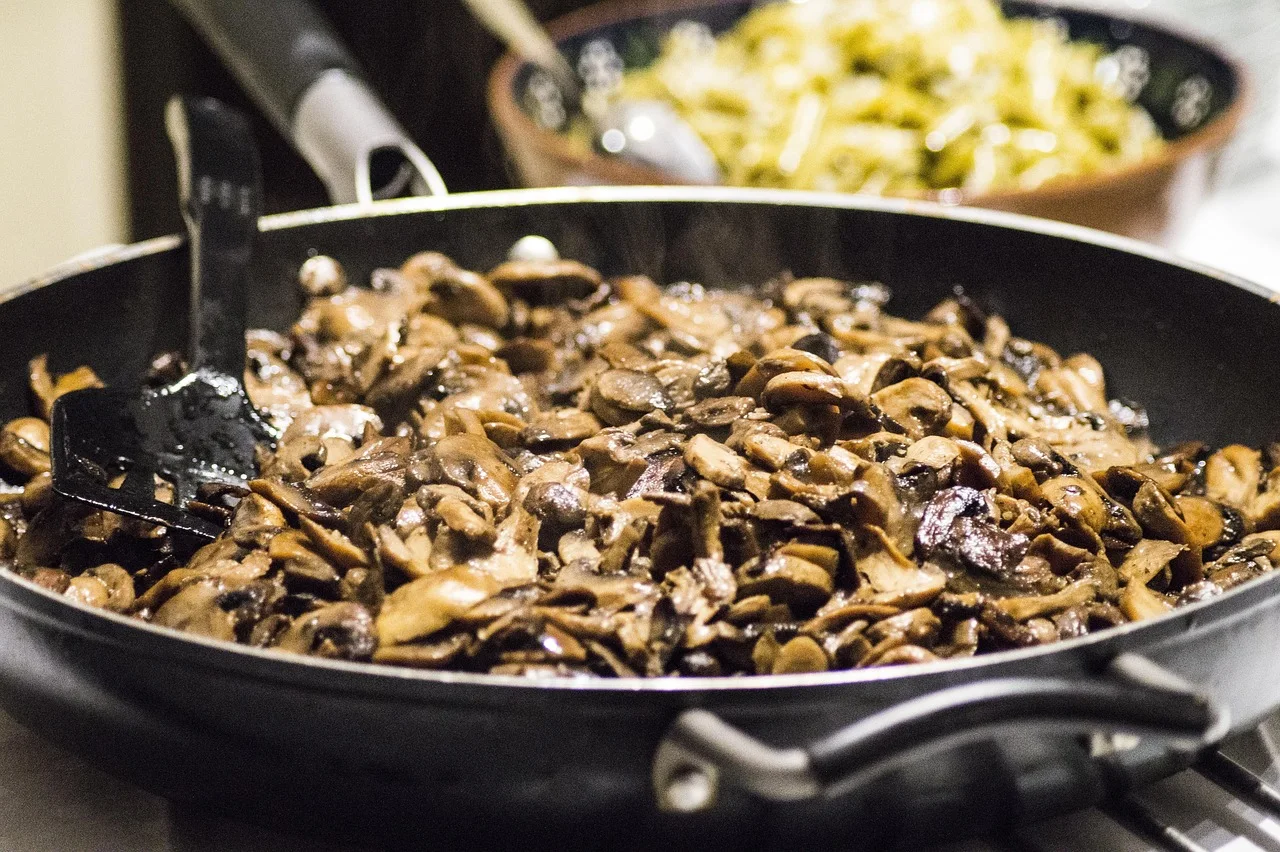
Sautéing is the most common method and works well for most cultivated mushrooms. Heat a pan over medium‑high heat, add a thin layer of oil or butter, and wait until it shimmers. Add sliced mushrooms in a single layer—overcrowding traps steam and prevents browning. Stir occasionally for 5–7 minutes until the edges turn golden and the moisture evaporates. For a classic side, try our step‑by‑step guide to How to Make Classic Sautéed Mushrooms.
2. Roasting
Roasting intensifies umami and yields a chewy texture. Toss whole caps or thick slices with oil, salt, and herbs, then spread on a baking sheet. Roast at 400 °F (200 °C) for 15–20 minutes, turning halfway. This method shines with king trumpet mushrooms; see King Trumpet Mushroom: Identification, Cooking, and Cultivation for more ideas.
3. Braising and Stewing
For tougher varieties like dried porcini or mature shiitake, braising in broth releases deep flavors. Simmer mushrooms gently for 20–30 minutes, then incorporate the liquid into sauces or soups. Our article on How to Make Classic Cream of Mushroom Soup at Home demonstrates this technique.
4. Grilling
Large caps such as portobello become meat‑like when grilled. Brush both sides with oil, season, and cook over medium heat for 4–5 minutes per side. The result pairs beautifully with a drizzle of balsamic reduction.
Building Flavor Foundations
Mushrooms naturally contain glutamates, the compounds behind umami. Enhancing this profile is simple: finish dishes with a splash of soy sauce, miso, or a sprinkle of nutritional yeast. Fresh aromatics—garlic, thyme, rosemary—add layers of complexity, while a splash of acid (lemon juice or vinegar) brightens the final bite.
Recipe Round‑Up: From Simple to Spectacular
Below are five hand‑picked recipes from our blog that illustrate the range of mushroom cooking possibilities. Each link leads to a full ingredient list, step‑by‑step instructions, and nutritional notes.
- Creamy Mushroom Risotto – Learn how to make a silky mushroom risotto with step‑by‑step instructions, tips for perfect texture, in our article Creamy Mushroom Risotto: A Comforting Home‑Cooked Classic.
- Lion’s Mane “Crab” Cakes – Discover a plant‑based ocean‑inspired dish that mimics crab texture using lion’s mane, detailed in Lion’s Mane “Crab” Cakes: A Plant‑Based Ocean‑Inspired Recipe.
- Crispy King Oyster “Scallops” – Turn king oyster mushrooms into tender, golden “scallops” with a quick pan‑sear, explained in Crispy King Oyster “Scallops” – A Simple, Savory Mushroom Dish.
- Hearty Mushroom Ragu for Pasta – A rich, earth‑friendly sauce perfect for spaghetti, found in Hearty Mushroom Ragu for Pasta: A Simple, Earth‑Friendly Recipe.
- Savory Shiitake‑Ginger Stir‑Fry – A quick, flavorful vegan stir‑fry that highlights shiitake’s depth, detailed in Savory Shiitake‑Ginger Stir‑Fry: A Plant‑Based Recipe for Earth and Beyond.
Feel free to explore other entries in our mushroom library for historical context, cultivation tips, and cultural recipes.
Storing Cooked Mushrooms
Cooked mushrooms keep well in the refrigerator for 3–4 days when stored in an airtight container. Reheat gently on the stovetop or in a microwave to avoid rubbery textures. For longer storage, freeze sautéed or roasted mushrooms on a parchment sheet, then transfer to a freezer bag; they retain flavor for up to 2 months.
Bringing It All Together: A Meal Plan Idea
Start with a light sautéed mushroom side, follow with a creamy risotto for comfort, and finish with a vibrant shiitake‑ginger stir‑fry for contrast. This progression showcases the range of textures—from buttery to crisp—to keep diners engaged.
From Kitchen to Cosmos
As we perfect mushroom dishes on Earth, the same principles will guide future chefs cultivating fungi on Martian habitats, where efficient, nutrient‑dense foods are essential for long‑duration space travel.
In this guide
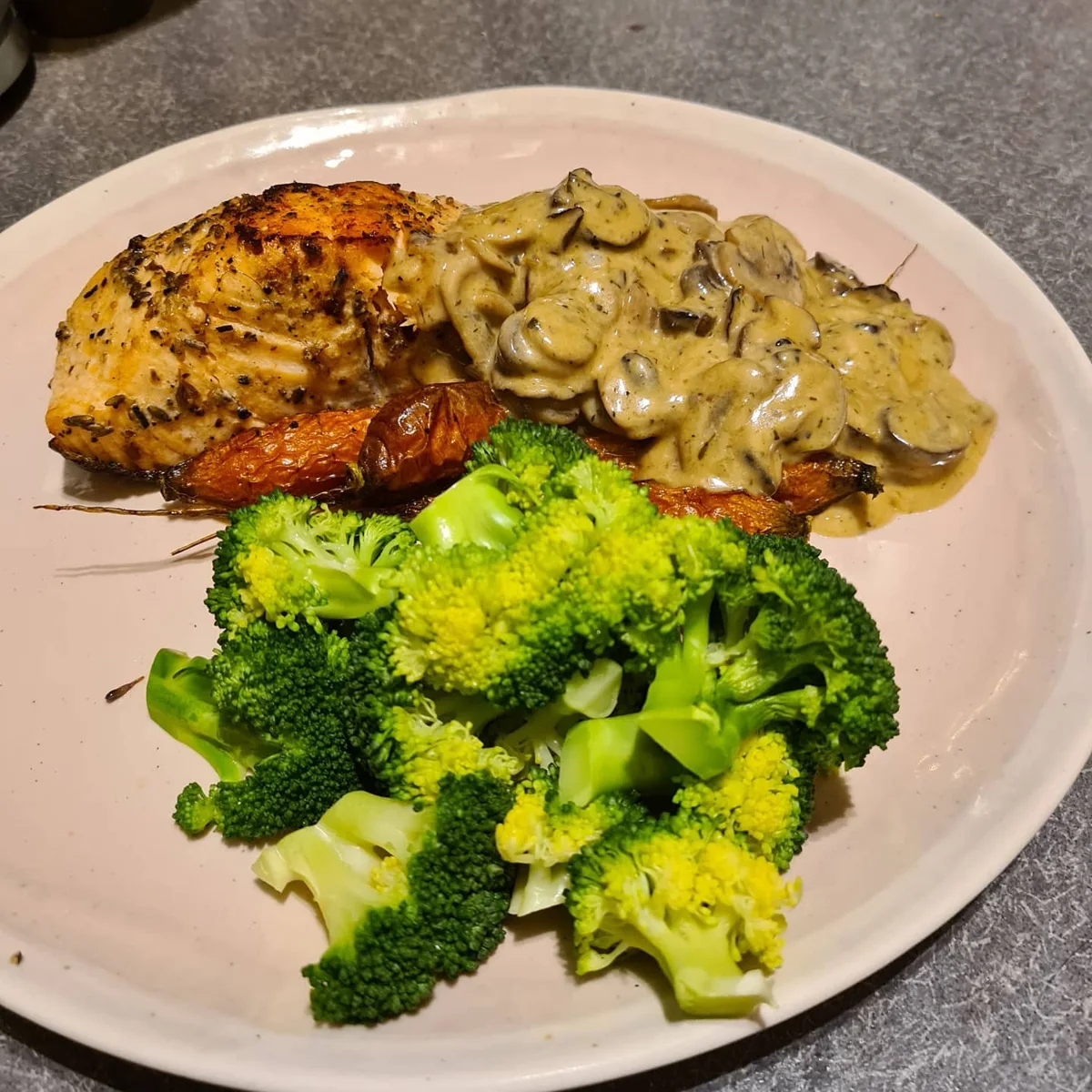
- Pan‑Seared Salmon with Mushroom‑Miso Glaze and Steamed Rice - A step‑by‑step recipe for salmon fillets brushed with a savory mushroom‑miso glaze, paired with fluffy rice – perfect for a cozy dinner.
- Food: A Complete Guide to Mushrooms, Nutrition, and Cooking - Explore the world of food with a focus on mushrooms—biology, nutrition, recipes, history, and even space food—plus links to our in‑depth art
- The Ultimate Mushroom Recipe Guide: Techniques, Classics, and Creative Twists - Explore essential mushroom cooking methods, classic dishes, and innovative recipes—all in one comprehensive guide for home chefs and space f
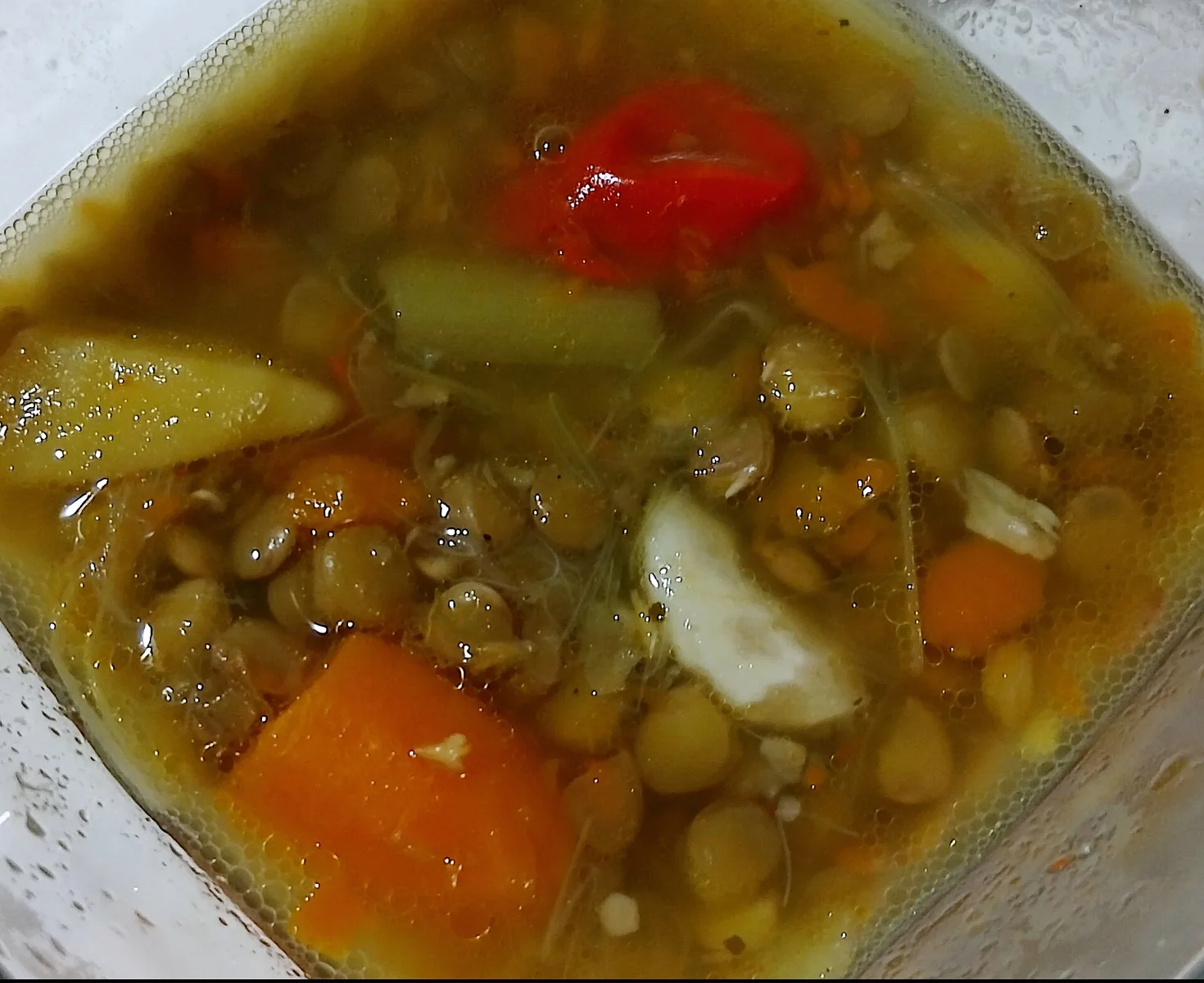
- Hearty Mushroom‑And‑Turmeric Lentil Soup - A comforting vegan lentil soup brightened with turmeric and loaded with sautéed mushrooms, perfect for cozy meals and space‑farm inspiration
- Crisp Mushroom‑Cilantro Lime Slaw for Fresh Sandwiches - A vibrant, vegan slaw blending cabbage, carrots, cilantro, lime juice, and thinly sliced mushrooms for extra crunch in any sandwich.
- Mushrooms: A Complete Guide to Identification, Cooking, and Cultivation - Explore mushroom types, safe foraging, tasty recipes, and growing tips in this all‑in‑one guide for beginners and enthusiasts alike.
- Flaky Mushroom & Caramelized Onion Tartlets for a Savory Brunch - Learn how to make buttery pastry shells filled with sweet caramelized onions and sautéed mushrooms – a vegan brunch treat that’s easy and de
- Sweet‑Savory Mushroom & Mango Salsa Soft Tacos - A step‑by‑step guide to making vegan soft tacos with sautéed mushrooms and a bright mango‑lime salsa, perfect for a fresh twist on taco nigh
- Mushroom‑And‑Peach Chutney Glazed Pork Tenderloin - A step‑by‑step guide to roasting pork tenderloin with a sweet‑savory mushroom‑and‑peach chutney, perfect for dinner parties or cozy meals.
- Savory Mushroom‑Quinoa Stuffed Bell Peppers - A hearty, plant‑based recipe that packs quinoa, sautéed mushrooms, tomatoes and spices into sweet bell peppers, baked to perfection.
- Cold Sesame‑Mushroom Noodle Bowl: A Refreshing Vegan Recipe - Learn how to make a chilled soba noodle bowl with a savory sesame‑soy dressing, sautéed mushrooms, and crisp scallions—perfect for a light,
- Traditional Polish‑Lithuanian Zrazy: Beef Roulade with Mushroom‑Veggie Filling - Learn how to make authentic zrazy, a historic beef roulade from Poland, Belarus and Lithuania, featuring a savory mushroom and vegetable stu
- How to Make Traditional Cantonese Yau Gok for Lunar New Year - Learn step‑by‑step how to prepare savory and sweet Yau Gok, the crescent‑shaped Cantonese pastries enjoyed during Chinese New Year.
- The Horse Mushroom (Agaricus arvensis): Identification, Habitat, and Cooking - Learn how to recognize the horse mushroom, where it grows, its culinary uses, and safety tips for foragers and chefs alike.
- Savory Stuffed Mushrooms: A Step‑by‑Step Guide - Learn how to make delicious stuffed mushrooms with simple ingredients, baking tips, and serving ideas—perfect as an appetizer, side, or snac
- Patriotic Soup: History and a Simple Mushroom Recipe - Explore the origins of Patriotic Soup from the Song dynasty and learn a straightforward, mushroom‑based recipe that honors its heritage.
- How to Make Classic Sautéed Mushrooms - Learn step‑by‑step how to prepare perfectly browned sautéed mushrooms, a versatile vegetarian side and garnish for many dishes.
- Understanding Edible Mushrooms: Nutrition, Safety, and Cooking - Learn about edible mushrooms—their nutritional value, how to identify them safely, popular cultivated varieties, and simple cooking tips for
- Oysters en brochette: Classic Creole Appetizer and Its Mushroom Twist - Learn how to make the New Orleans classic oysters en brochette, explore a mushroom‑based variation, and discover the dish’s history and serv
- How to Make a Classic Mushroom Sauce for Everyday Cooking - Learn step‑by‑step how to craft a creamy or brown mushroom sauce, explore its history, variations, and safe cooking tips for delicious meals
- Pleurotus ostreatus: The Versatile Oyster Mushroom - Explore the biology, ecology, culinary uses, and innovative applications of Pleurotus ostreatus, the oyster mushroom beloved by growers and
- Mushrooms on Medieval Tables: From Banquets to Peasant Pies - Explore how medieval Europe incorporated mushrooms into cookbooks, royal banquets, and everyday meals, and what those recipes reveal about t
- How to Make Traditional Polish Marinated Mushrooms at Home - Learn step‑by‑step how to prepare tangy, shelf‑stable Polish‑style marinated mushrooms using vinegar, spices, and simple pasteurisation tech
- How to Make Classic Cream of Mushroom Soup at Home - Learn the history, technique, and a step‑by‑step recipe for classic cream of mushroom soup, a versatile comfort food and casserole base.
- Cremini Mushrooms: From Field to Table and Beyond - Explore the biology, cultivation, culinary uses, and safety tips for cremini mushrooms, the versatile brown button of the Agaricus bisporus
- Shiitake Mushrooms: History, Cultivation, and Culinary Uses - Explore the origins, growing methods, nutrition, and cooking ideas for shiitake mushrooms, the versatile Asian staple now cultivated worldwi
- Savory Vegan Stuffed Portobello Caps - A step‑by‑step vegan recipe for hearty stuffed portobello mushrooms, perfect for dinner or a space‑inspired feast.
- Savory Shiitake‑Ginger Stir‑Fry: A Plant‑Based Recipe for Earth and Beyond - Learn how to make a quick, flavorful shiitake and ginger stir‑fry, with tips on cooking, nutrition and a fun link to mushroom cultivation on
- King Trumpet Mushroom: Identification, Cooking, and Cultivation - Learn how to recognize, cook, and grow the versatile king trumpet mushroom, a meaty vegan favorite with culinary and ecological benefits.
- Hearty Mushroom Ragu for Pasta: A Simple, Earth‑Friendly Recipe - Learn how to make a rich mushroom ragu for pasta with fresh ingredients, step‑by‑step instructions, and tips for perfect flavor and texture.
- Crispy King Oyster “Scallops” – A Simple, Savory Mushroom Dish - Learn how to turn king oyster mushrooms into tender, golden “scallops” with a quick pan‑sear, perfect for vegans and mushroom lovers alike.
- Lion’s Mane “Crab” Cakes: A Plant‑Based Ocean‑Inspired Recipe - Learn how to make lion’s mane “crab” cakes with a step‑by‑step recipe, flavor tips, nutrition basics, and why this mushroom fits the Mushroo
- Creamy Mushroom Risotto: A Comforting Home‑Cooked Classic - Learn how to make a silky mushroom risotto with step‑by‑step instructions, tips for perfect texture, and a sprinkle of Mars‑inspired fun.
- Chanterelle Mushrooms: Identification, Habitat, and Cooking Tips - Learn how to recognize chanterelle mushrooms, where they grow, their nutritional profile, and simple recipes for this flavorful forest treas
Only eat mushrooms you bought from a trusted seller or grew yourself. Never eat a wild mushroom unless an expert has identified it. Cook mushrooms thoroughly and check ingredients for allergies.
This article was prepared with AI assistance from the sources listed above and approved by the Mushroom 2 Mars team before publication.