A Turbulent Dawn: Impacts and Atmosphere
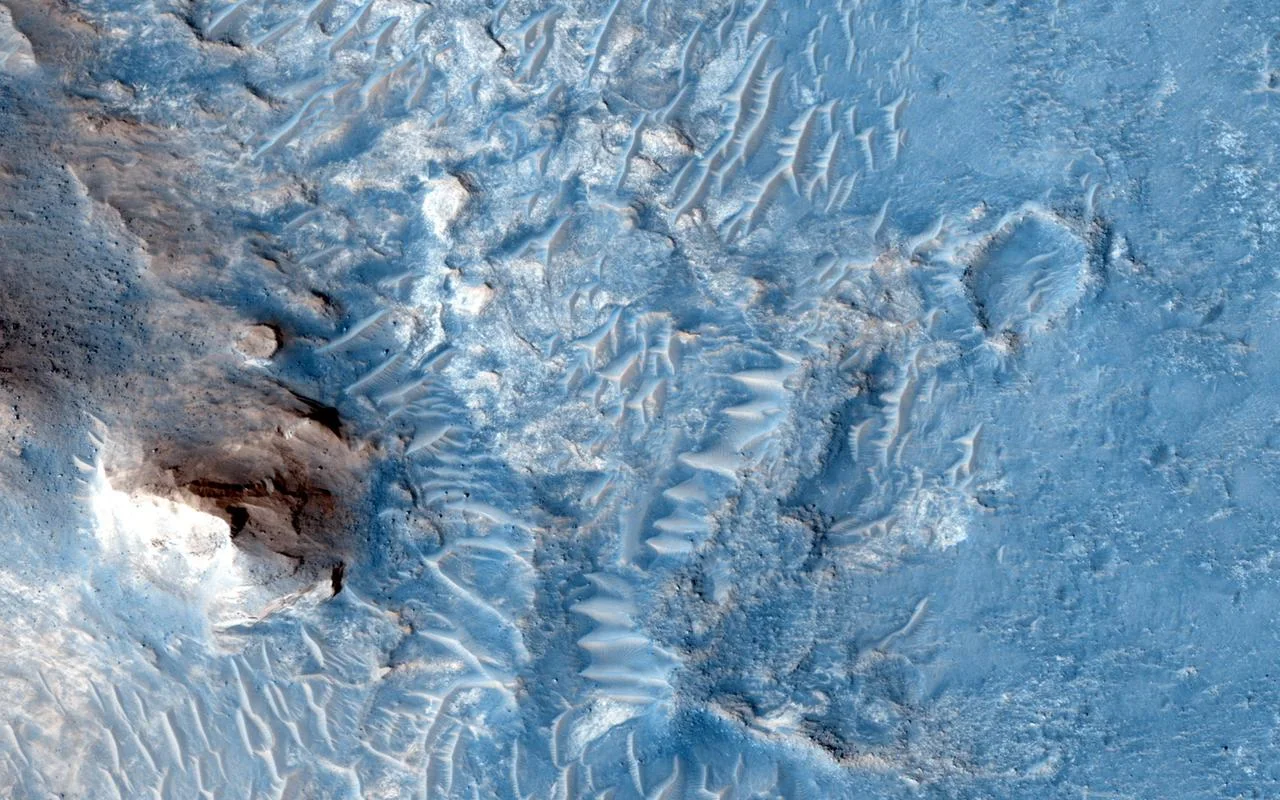
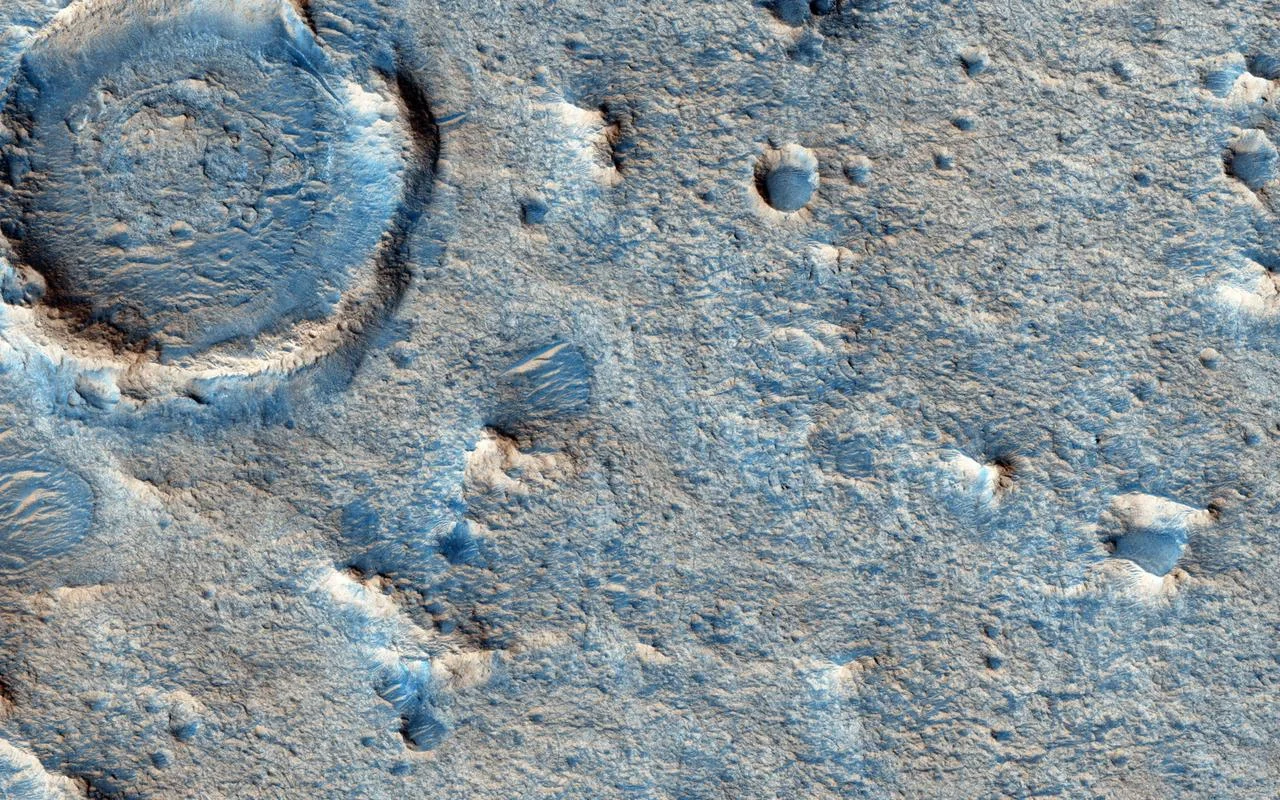
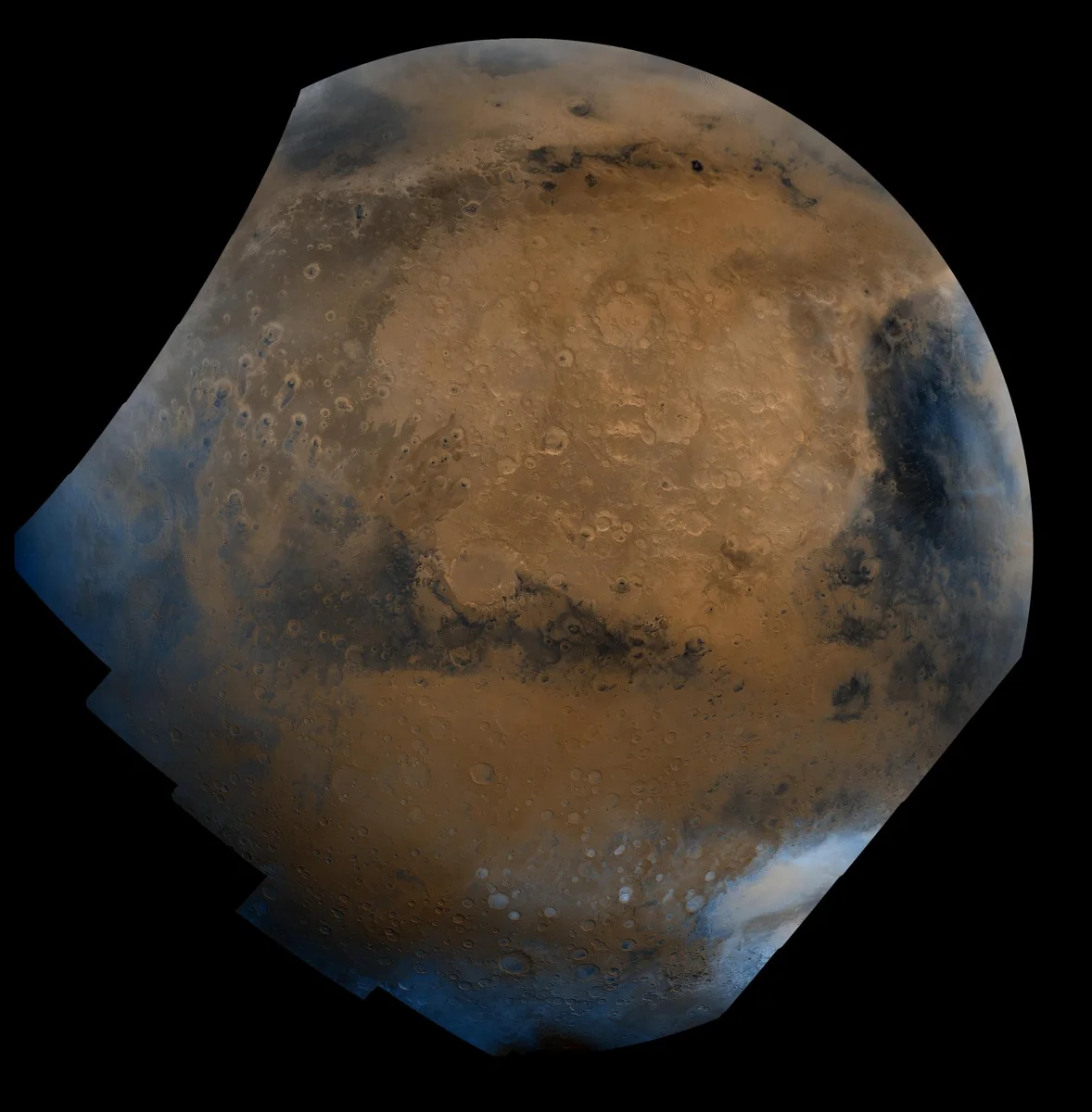
The Noachian epoch marks the earliest well‑preserved geological era on Mars, spanning roughly 4.1 to 3.7 billion years ago. During this time the planet endured a barrage of meteorite and asteroid impacts, a phase that coincides with the Solar System’s Late Heavy Bombardment. Crater counts from orbital imagery show an astonishing density—about 200 craters larger than 16 km per million square kilometers—making the Noachian surface one of the most heavily scarred in the Solar System. Despite the devastation, these impacts helped shape a thicker atmosphere than today’s thin veil, providing a modest greenhouse effect that may have allowed liquid water to exist intermittently.
Water on the Early Martian Surface
Geological evidence points to an ancient Martian climate capable of supporting rivers, lakes, and perhaps an ocean. Large valley networks in the southern highlands, sedimentary deposits in basins like Hellas, and the hypothesized northern ocean all suggest that water was once abundant. Clay minerals (phyllosilicates) formed through rock weathering further indicate that water interacted chemically with the crust under conditions that could have supported microbial life. However, scientists still debate whether the climate was generally warm and wet or predominantly cold and icy with brief warm spells triggered by impacts, volcanic eruptions, or orbital changes.
Volcanism and the Tharsis Bulge
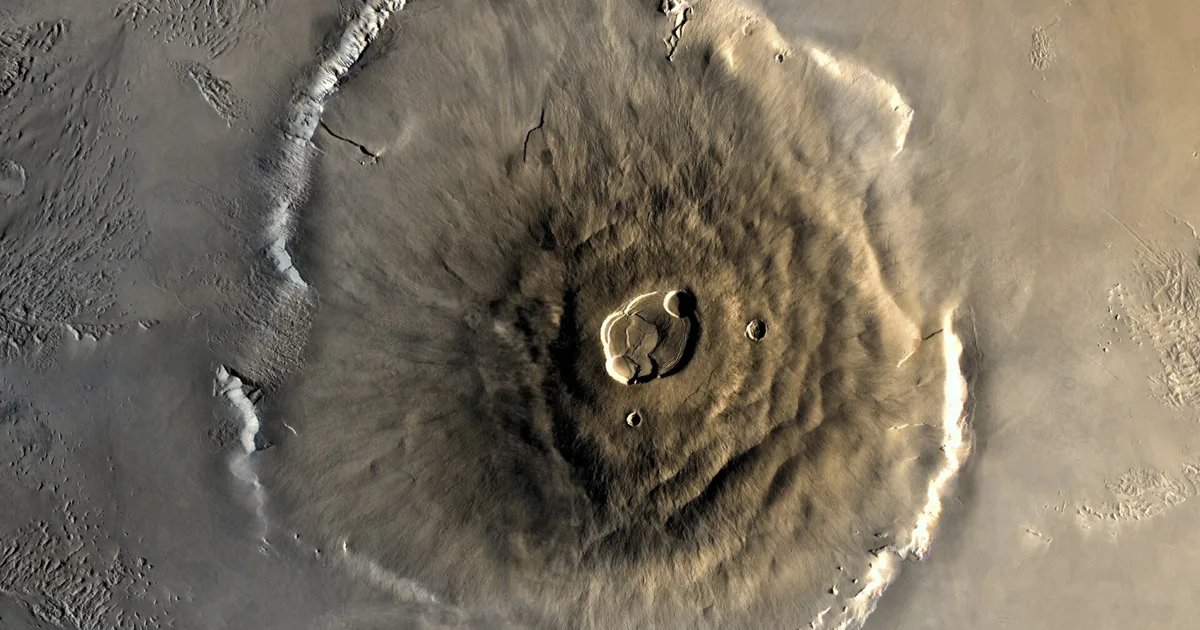
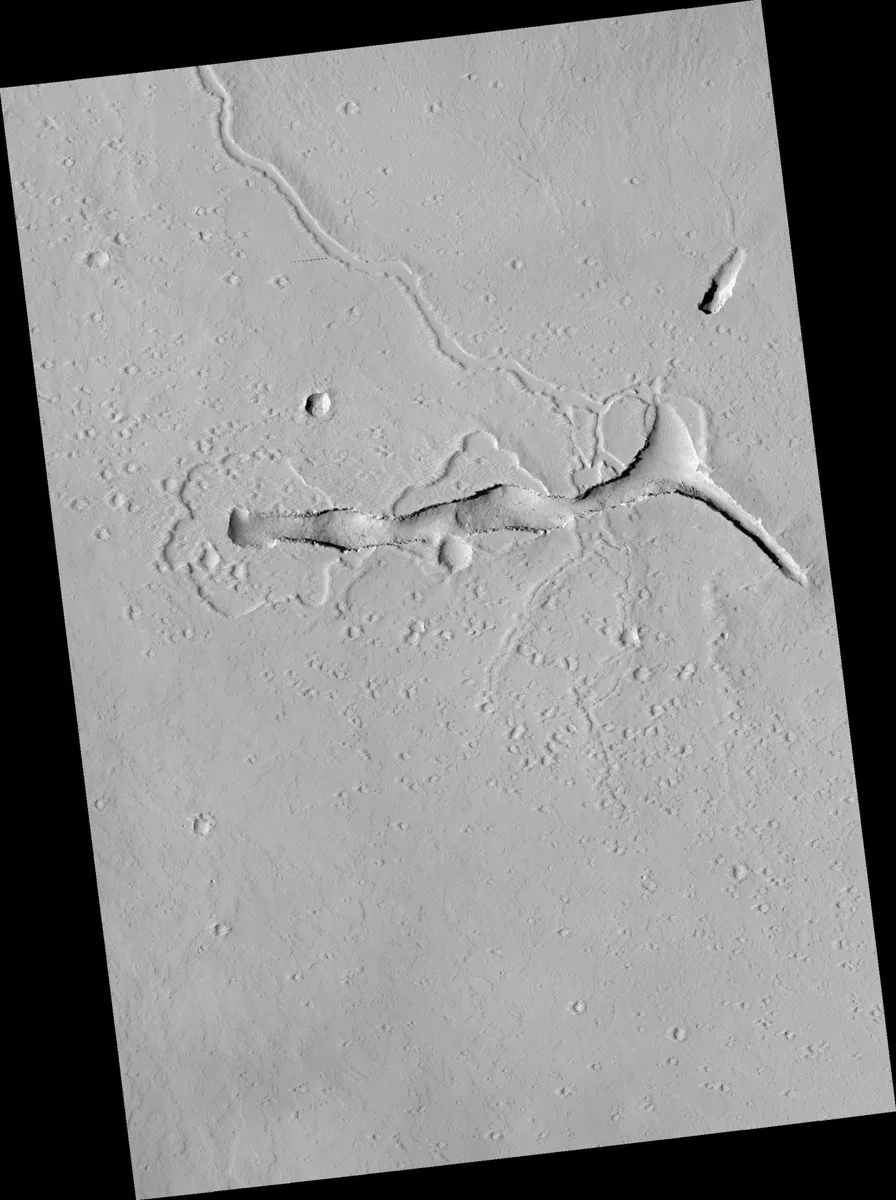
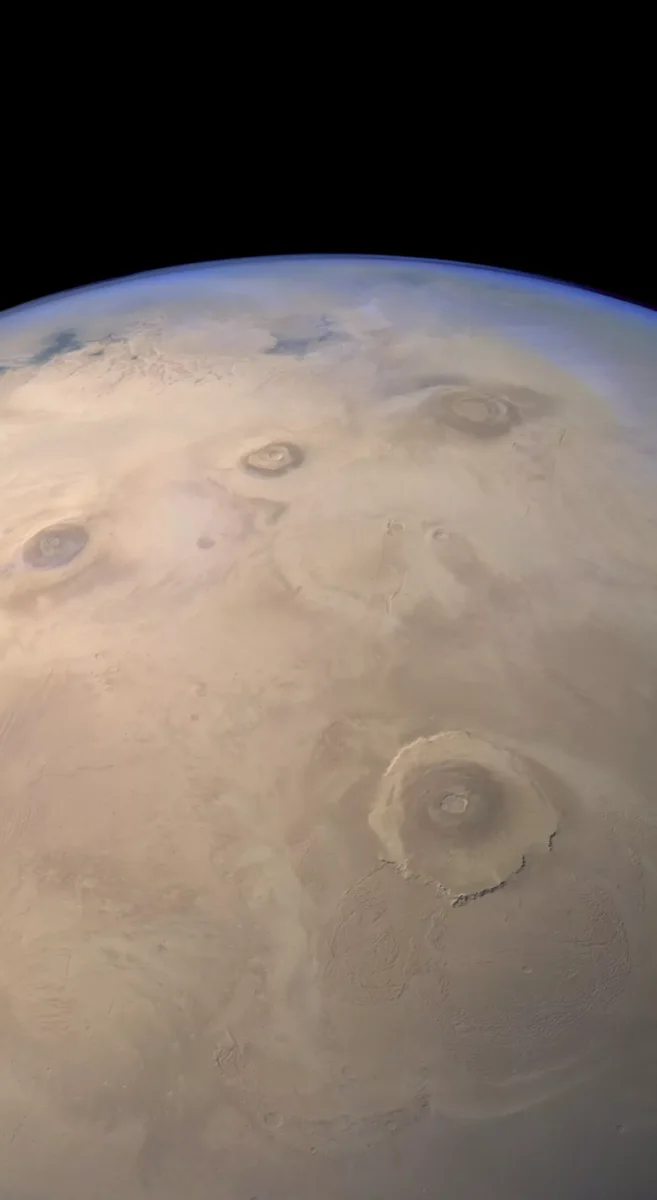
The Noachian era also witnessed massive volcanic activity, especially in the Tharsis region. Repeated eruptions built the towering Tharsis bulge, releasing vast quantities of gases—principally carbon dioxide—into the atmosphere. This volcanic outgassing likely contributed to the transient greenhouse warming needed for liquid water. Moreover, the extensive lava flows and ash layers created a diverse geological record that modern rovers and orbiters continue to study.
Stratigraphy: How Scientists Decode Mars’ Past
Mars’ geological time scale is built from surface mapping rather than deep drilling. Researchers identify distinct "surface units"—areas that differ in texture, color, albedo, or spectral signature—and then arrange them using principles like superposition (younger layers overlie older ones) and cross‑cutting relationships. The Noachian system is defined by the presence of heavily cratered highlands, interbedded ejecta blankets, and uplifted basement rocks. These units cover about 45 % of the Martian surface, predominately in the southern highlands but also in northern regions such as Tempe and Xanthe Terrae.
Why the Noachian Matters for Astrobiology
Because the Noachian epoch likely hosted liquid water and a relatively dense atmosphere, its terrains are prime targets for missions seeking fossil evidence of past life. Landing sites such as Jezero Crater (the Perseverance rover’s home) sit at the boundary between Noachian and younger units, offering a window into the transition from a potentially habitable world to the cold desert we see today. The presence of phyllosilicates and other hydrated minerals strengthens the case that microbial ecosystems could have existed, at least temporarily, during this ancient era.
From Ancient Lakes to Future Fungi
While the Noachian epoch belongs to a distant past, its legacy informs our vision for growing mushrooms on Mars. The same volcanic soils that once released gases and stored water may, after proper processing, provide a mineral‑rich substrate for fungal cultivation. Understanding how water cycled through Noachian terrains helps engineers design closed‑loop life‑support systems that recycle moisture and nutrients—key ingredients for a sustainable mushroom farm on the Red Planet. As we look to the Noachian’s clues about water and habitability, we also gain insight into how to recreate a thriving micro‑ecosystem far from Earth.
Sources
This article was prepared with AI assistance from the sources listed above and approved by the Mushroom 2 Mars team before publication.