A Bite of New Orleans History
Oysters en brochette originated in Creole kitchens of New Orleans, where raw oysters were threaded onto skewers with partially cooked bacon. Historically it appeared on menus from humble eateries to upscale dining rooms, and as of 2015 it still graces the menu at Galatoire’s. The dish was traditionally served as an appetizer, though it also made a satisfying lunch entrée.
Traditional Preparation Steps
- Gather ingredients – Fresh shucked oysters, thick‑cut bacon, corn flour (or fine cornmeal), salt, pepper, and butter for finishing.
- Skewer – Thread an oyster onto a short metal or wooden skewer, followed by a half‑slice of bacon; repeat until the skewer is full.
- Coat – Lightly dust each skewer with corn flour; this helps achieve a crisp crust.
- Cook – Either broil the skewers on high heat for 2‑3 minutes per side, or sauté in a hot skillet with a splash of oil until the bacon crisps and the oyster edges turn opaque.
- Finish – Remove the skewer, place the oyster‑bacon pair on a toasted triangle, dust with salt and pepper, and drizzle with either maître d'hôtel butter (softened butter mixed with lemon juice, parsley, and capers) or a simple meunière sauce (brown butter, lemon, and parsley).
The goal is a crunchy exterior with a tender, savory interior where the salty bacon complements the briny oyster.
Mushroom Variation: Adding Earthy Depth
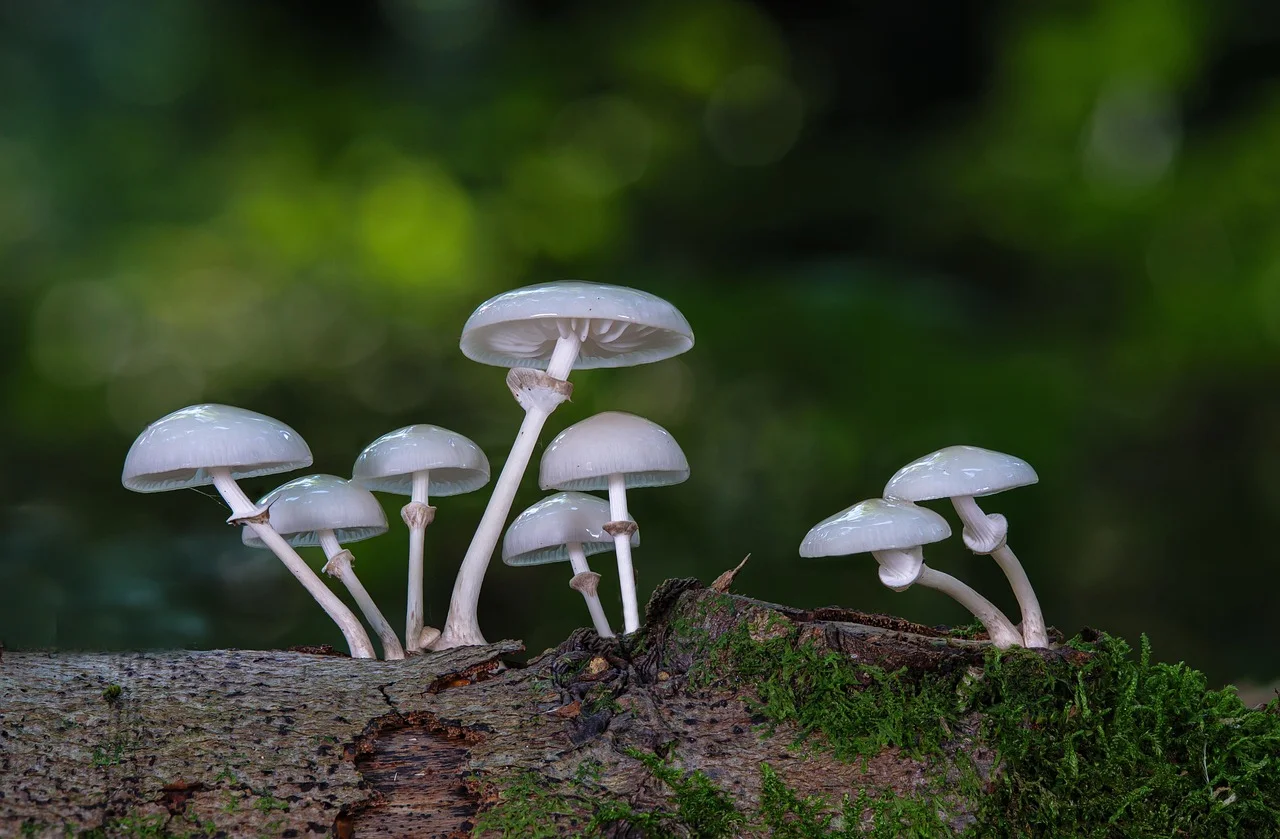
For those who enjoy a plant‑based twist—or simply want extra texture—swap the bacon for sautéed oyster mushrooms (Pleurotus ostreatus). The mushrooms provide a meaty bite without animal products and pair well with the oyster’s oceanic flavor.
Mushroom‑only version - Use sliced oyster mushrooms, lightly brushed with oil and seasoned with smoked paprika. - Skewer an oyster between two mushroom pieces, then follow the same coating and cooking steps. - Finish with a drizzle of vegan butter‑lemon sauce or a splash of soy‑based meunière.
Hybrid version - Combine a half‑slice of bacon, a mushroom slice, and an oyster on each skewer for a three‑dimensional flavor profile.
Safety and Cooking Tips
- Seafood safety: Keep oysters chilled until ready to cook and discard any that smell off or have cracked shells.
- Cooking temperature: Whether broiling or sautéing, aim for a surface temperature of at least 180 °C (350 °F) to ensure the bacon crisps and the oyster cooks through without becoming rubbery.
- Mushroom handling: Use cultivated oyster mushrooms purchased from a reputable source; never use wild‑picked mushrooms unless identified by an expert.
- Allergy awareness: The dish contains shellfish and, in the traditional version, pork. Offer a separate mushroom‑only platter for guests with dietary restrictions.
Serving Ideas and Pairings
Serve each oyster‑bacon (or mushroom) skewer on a small triangle of toasted French bread. A light sprinkle of flaky sea salt and a twist of fresh lemon brighten the plate. Complement the appetizer with a crisp Sauvignon Blanc, a chilled Riesling, or a classic New Orleans cocktail such as a Sazerac.
From Gulf Coast to Martian Greenhouses?
As Mushroom 2 Mars explores sustainable food production beyond Earth, the concept of pairing cultivated oyster mushrooms with seafood‑style flavors illustrates how classic Creole dishes could be re‑imagined for closed‑loop habitats on the Red Planet.
Sources
Only eat mushrooms you bought from a trusted seller or grew yourself. Never eat a wild mushroom unless an expert has identified it. Cook mushrooms thoroughly and check ingredients for allergies.
This article was prepared with AI assistance from the sources listed above and approved by the Mushroom 2 Mars team before publication.