Part of the guide: Mushrooms: A Complete Guide to Identification, Cooking, and Cultivation
The Rise of Mushrooms in Modern Cuisine
Mushrooms have moved from forest floor curiosity to kitchen staple. Their umami flavor, versatile texture, and relatively low environmental footprint make them attractive to chefs and home cooks alike. Today you can find them in everything from quick stir‑fry dishes to gourmet sauces, and even in the menus of space stations.
Understanding Edible Mushrooms: Nutrition, Safety, and Cooking
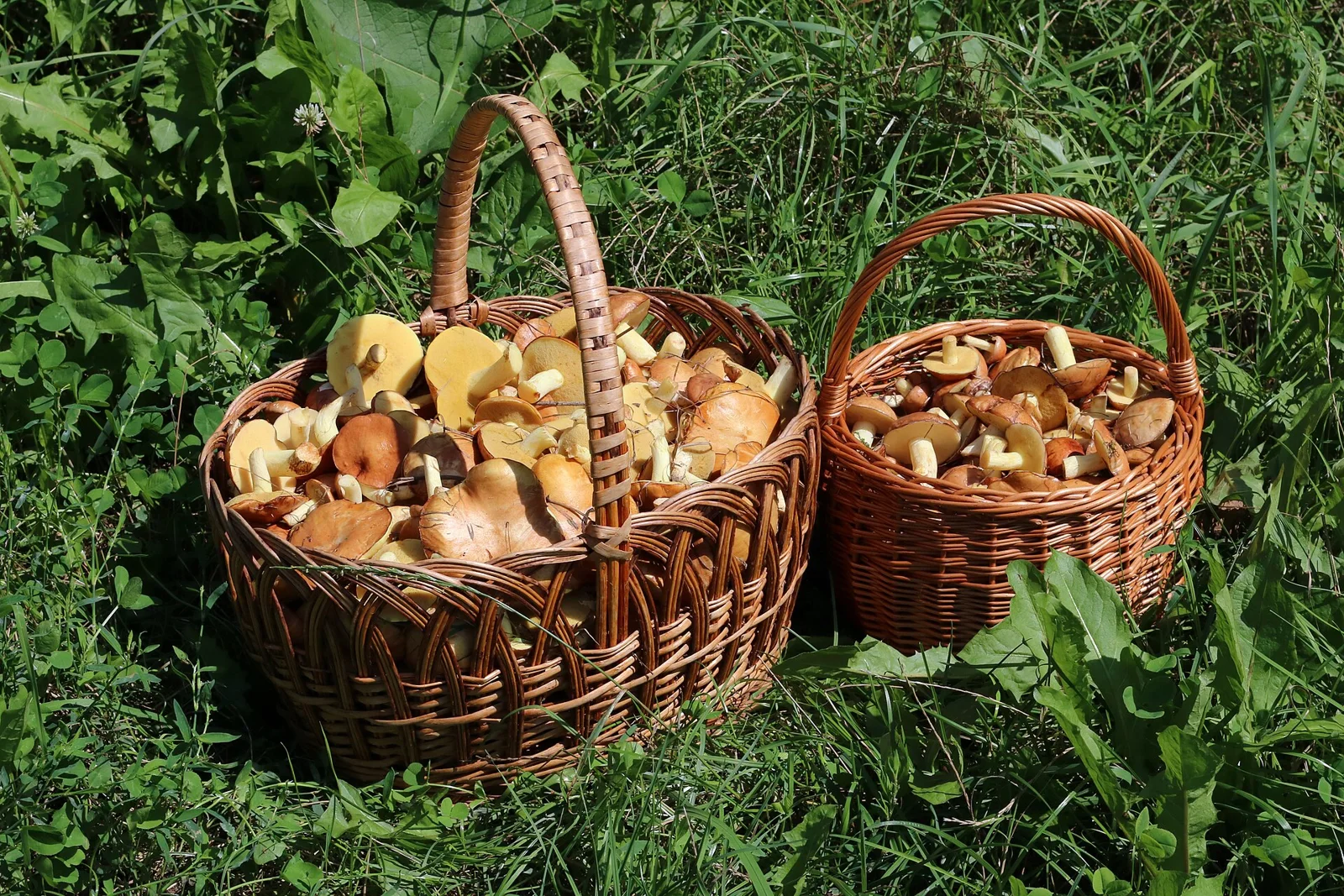
If you’re new to mushrooms, start with the basics. Edible varieties such as button, shiitake, oyster, and portobello provide protein, fiber, B‑vitamins, and minerals like selenium and copper. Research suggests they can contribute to a balanced diet, but it’s essential to rely on reliable identification guides and purchase from trusted sources—wild foraging should only be done with expert confirmation.
Cultivation Basics: Growing Your Own Fungi
Home cultivation has never been easier. Oyster mushrooms, for example, thrive on straw or coffee grounds and can be harvested in weeks. Growing your own supply reduces waste and gives you control over substrate quality. Detailed cultivation methods are covered in our article on Oyster Mushrooms: Biology, Cultivation, and Uses, where you’ll find step‑by‑step instructions and environmental benefits.
Classic and Creative Recipes
Cooking mushrooms is about balancing heat, moisture, and seasoning. For a comforting starter, try our step‑by‑step guide to How to Make Classic Cream of Mushroom Soup at Home. If you prefer a plant‑based main, the Savory Shiitake‑Ginger Stir‑Fry: A Plant‑Based Recipe for Earth and Beyond delivers bold flavors in under 20 minutes. For a hearty dinner, the Savory Vegan Stuffed Portobello Caps offers a meaty texture without any animal products. Want a side sauce? Learn how to craft a versatile Classic Mushroom Sauce for Everyday Cooking. Each recipe includes safe cooking temperatures and avoids any wild‑picked mushrooms.
Historical Perspectives: From Medieval Tables to Global Festivals
Mushrooms have long been part of human culture. In medieval Europe they appeared in royal banquets and peasant pies, a story detailed in Mushrooms on Medieval Tables: From Banquets to Peasant Pies. Today, enthusiasts gather at events like those described in From Autumn Fairs to Global Gatherings: The Story of Mushroom Festivals, celebrating regional varieties and culinary traditions.
Space Food and the Future of Mushroom Farming on Mars
Astronauts rely on specially processed meals to stay nourished in microgravity. Our piece on How Space Food Keeps Astronauts Nourished in Microgravity explains how mushrooms are being explored as a sustainable protein source for future missions. As we look toward sending mushrooms to Mars, these resilient fungi could become a cornerstone of off‑world agriculture.
Whether you’re a curious beginner, a home grower, or a seasoned chef, this guide points you to deeper dives across our site. Happy cooking, and keep an eye on the sky—our mushroom future may soon be interplanetary!
In this guide
- Pan‑Seared Salmon with Mushroom‑Miso Glaze and Steamed Rice - A step‑by‑step recipe for salmon fillets brushed with a savory mushroom‑miso glaze, paired with fluffy rice – perfect for a cozy dinner.
- Red Yeast Rice: History, Production, and Culinary Uses - Explore the centuries‑old tradition of red yeast rice, its fungal origins, culinary applications, and modern regulatory landscape—all in a f
- Penicillium: From Blue‑Cheese Mold to Antibiotic Pioneer - Explore the biology, history, and uses of Penicillium fungi—from their role in food spoilage and cheese making to the discovery of penicilli
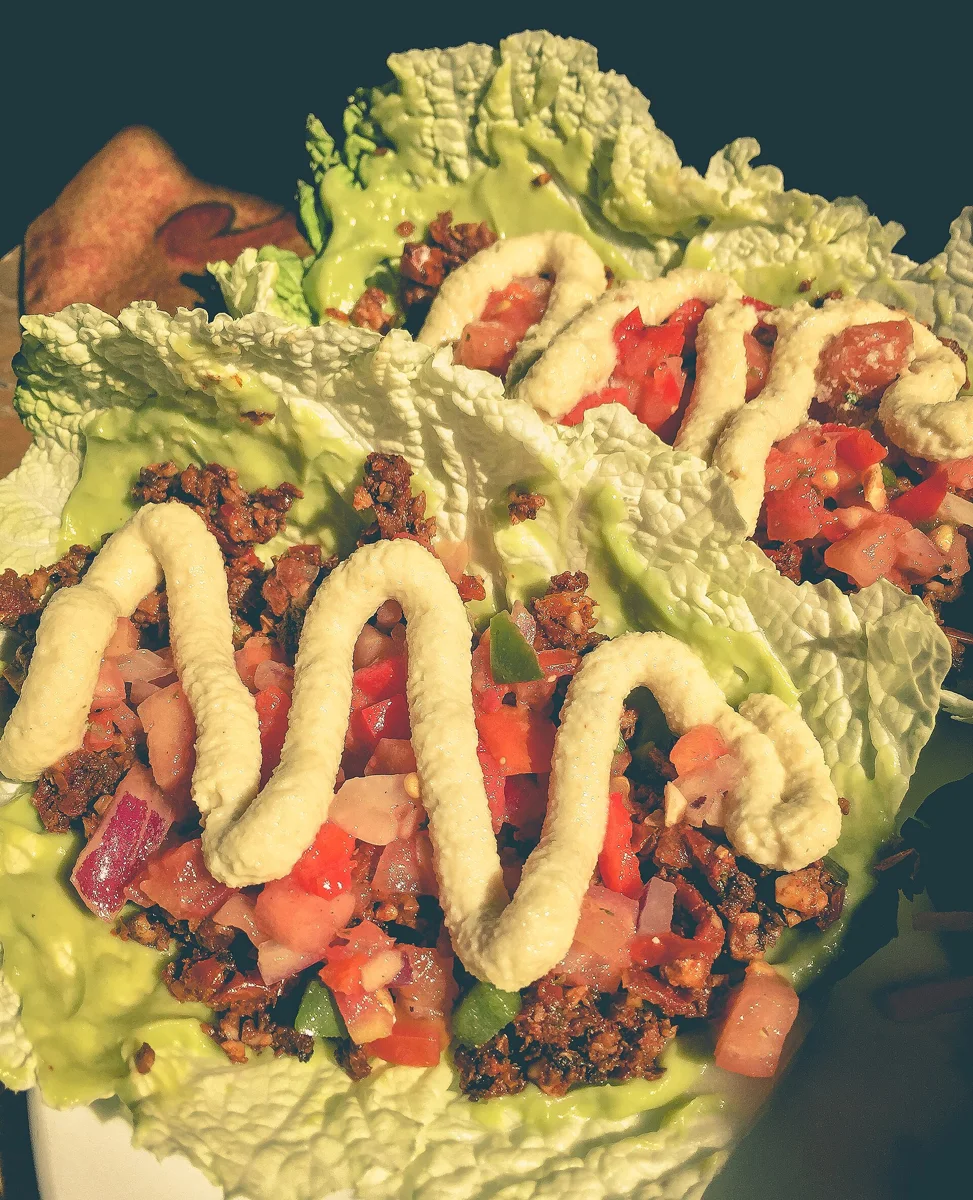
- Sweet‑Savory Mushroom & Mango Salsa Soft Tacos - A step‑by‑step guide to making vegan soft tacos with sautéed mushrooms and a bright mango‑lime salsa, perfect for a fresh twist on taco nigh
- Mushroom‑And‑Peach Chutney Glazed Pork Tenderloin - A step‑by‑step guide to roasting pork tenderloin with a sweet‑savory mushroom‑and‑peach chutney, perfect for dinner parties or cozy meals.
- Mushrooms in Religious Dietary Laws and Cultural Food Taboos - Explore how ancient religious codes and cultural traditions shaped the acceptance or avoidance of mushrooms across civilizations and eras.
- Understanding Truffles: Biology, Varieties, and Culinary Uses - Explore the fascinating world of truffles—from their underground life as ectomycorrhizal fungi to the prized black, white, and seasonal vari
- Understanding Edible Mushrooms: Nutrition, Safety, and Cooking - Learn about edible mushrooms—their nutritional value, how to identify them safely, popular cultivated varieties, and simple cooking tips for
- How to Make a Classic Mushroom Sauce for Everyday Cooking - Learn step‑by‑step how to craft a creamy or brown mushroom sauce, explore its history, variations, and safe cooking tips for delicious meals
- From Autumn Fairs to Global Gatherings: The Story of Mushroom Festivals - Explore how mushroom festivals emerged across continents, reflecting local traditions, culinary heritage, and the growing love for fungi.
- Mushrooms on Medieval Tables: From Banquets to Peasant Pies - Explore how medieval Europe incorporated mushrooms into cookbooks, royal banquets, and everyday meals, and what those recipes reveal about t
- How to Make Traditional Polish Marinated Mushrooms at Home - Learn step‑by‑step how to prepare tangy, shelf‑stable Polish‑style marinated mushrooms using vinegar, spices, and simple pasteurisation tech
- How to Make Classic Cream of Mushroom Soup at Home - Learn the history, technique, and a step‑by‑step recipe for classic cream of mushroom soup, a versatile comfort food and casserole base.
- Savory Vegan Stuffed Portobello Caps - A step‑by‑step vegan recipe for hearty stuffed portobello mushrooms, perfect for dinner or a space‑inspired feast.
- Savory Shiitake‑Ginger Stir‑Fry: A Plant‑Based Recipe for Earth and Beyond - Learn how to make a quick, flavorful shiitake and ginger stir‑fry, with tips on cooking, nutrition and a fun link to mushroom cultivation on
- How Space Food Keeps Astronauts Nourished in Microgravity - Explore the science behind space food, its processing, packaging, and variety, and see how mushroom-based meals could join future crews.
- Oyster Mushrooms: Biology, Cultivation, and Uses - Explore the fascinating biology, growing methods, culinary uses, and environmental benefits of oyster mushrooms, the versatile Pleurotus spe
Sources
Only eat mushrooms you bought from a trusted seller or grew yourself. Never eat a wild mushroom unless an expert has identified it. Cook mushrooms thoroughly and check ingredients for allergies.
This article was prepared with AI assistance from the sources listed above and approved by the Mushroom 2 Mars team before publication.