Discovery and Early Observations
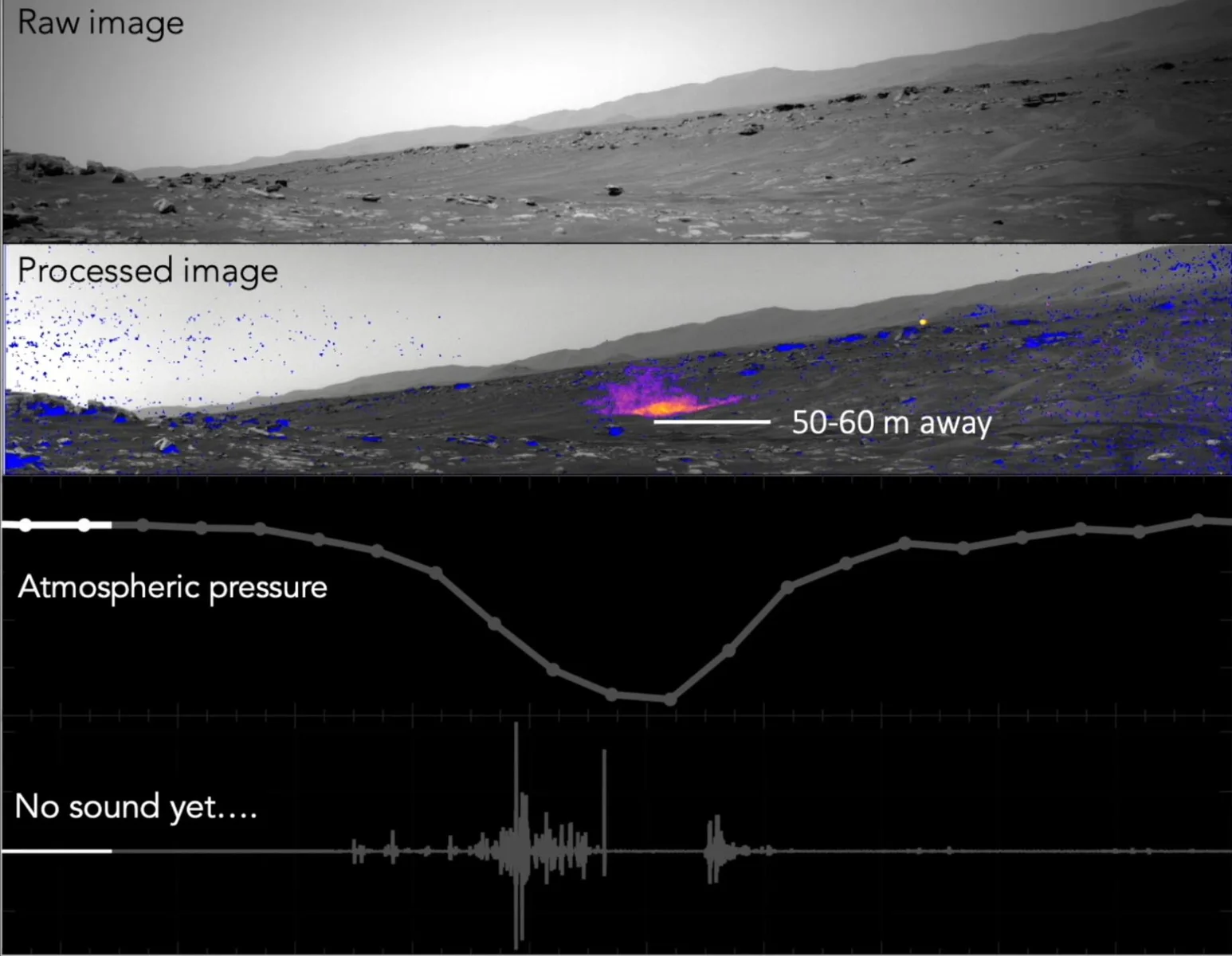
The first solid evidence for dust devils on Mars came from NASA’s Viking missions in the early 1980s. Viking’s lander instruments recorded pressure fluctuations consistent with convective vortices, while orbiting cameras captured dark, filament‑like tracks across the surface. Earlier Mariner 9 images had shown similar lineations, later re‑interpreted as dust‑devil paths once Viking data clarified their origin.
How Martian Dust Devils Form
Like their Earth counterparts, Martian dust devils arise when solar heating warms the ground, causing air near the surface to rise. A horizontal wind then imparts rotation, creating a vortex that lifts loose regolith into a visible column. Because Mars’ atmospheric boundary layer can be several kilometres thick, these vortices often grow much larger than those on Earth—averaging about three times the size and sometimes reaching heights of up to 8 km and widths of 700 m.
Size, Speed, and Seasonal Rhythm
Observations from orbiters and rovers reveal a remarkable range of dimensions. The Perseverance rover recorded a dust devil whose shadow suggested a total height of roughly 2 km, while a 2023 observation measured a width of about 60 m. Wind speeds within some vortices have been estimated at up to 160 km/h, enough to loft significant amounts of dust.
Dust‑devil activity follows a predictable seasonal cycle. Researchers note a sharp increase just before the Martian vernal equinox, a peak in midsummer, and a decline after the autumnal equinox. Amazonis Planitia, a broad plain near the equator, is especially prone to frequent events. Statistical models suggest an average of one dust‑devil occurrence per square kilometre each sol, making them a near‑constant feature of the Martian landscape.
Tracks: The Planet’s Moving Fingerprints
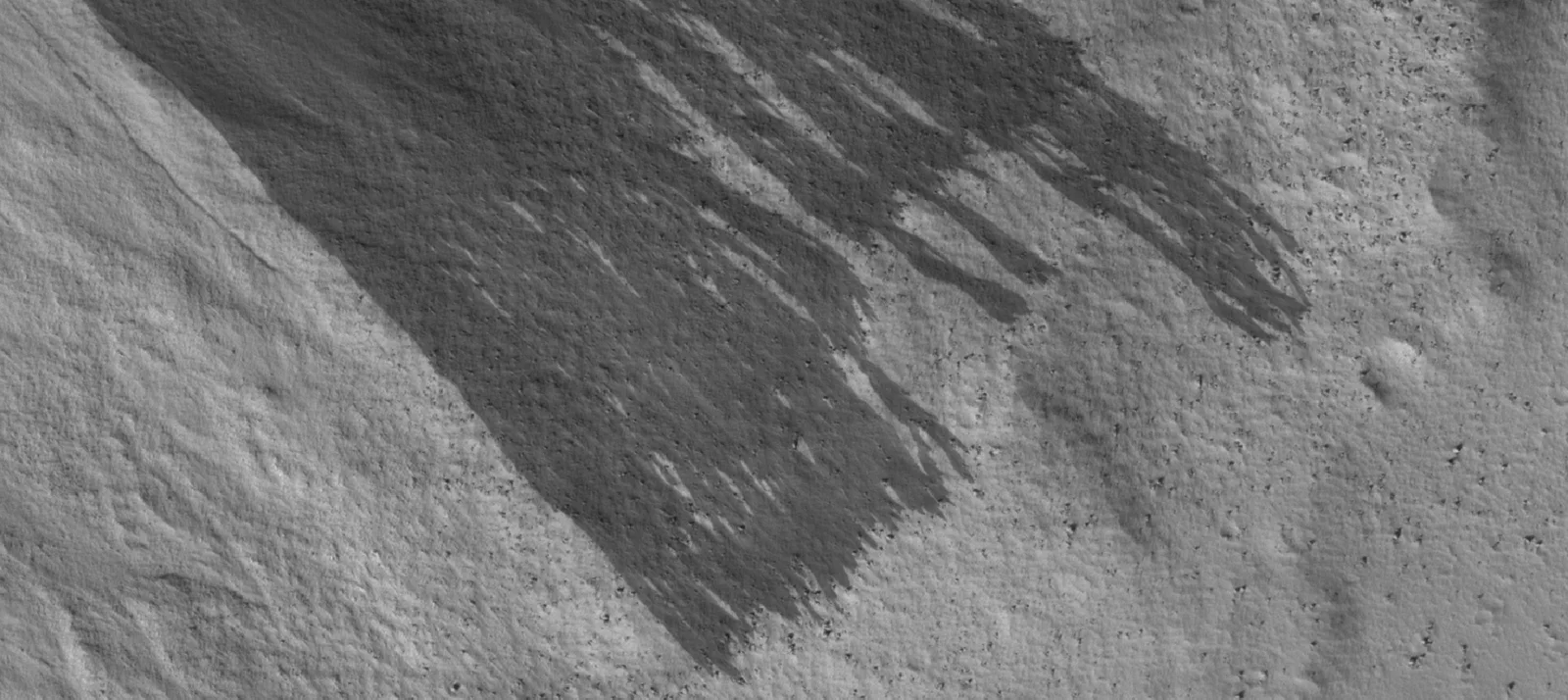
When a dust devil sweeps across the surface, it removes the bright, fine dust layer, exposing darker underlying material. This leaves behind tracks that can stretch up to 75 km. Most tracks run east‑to‑west, though northern‑hemisphere devils often show a northeast‑to‑southwest orientation. The patterns are transient; dust storms and new vortex activity regularly erase and redraw them, providing a dynamic record of atmospheric processes.
Impact on Rover Missions
Dust devils pose a double‑edged sword for robotic explorers. A strong vortex can damage delicate instruments, yet several missions have benefited from the cleaning effect of passing devils. In 2005, the Spirit rover’s solar panels were cleared by a dust devil, dramatically boosting power output. Similar unexpected power recoveries were noted on Opportunity and Sojourner, extending their operational lifetimes.
Climate Contributions
Beyond their interactions with hardware, dust devils play a significant role in Mars’ climate system. By lofting fine particles high into the atmosphere, they may account for up to 30 % of the airborne dust, which influences atmospheric heating and water‑vapor distribution. The exposed darker regolith also lowers local albedo, potentially altering regional temperature patterns.
As we continue to study these swirling giants, their lessons about atmospheric dynamics and surface renewal will help us prepare for future habitats—perhaps even mushroom farms—on the Red Planet.
Sources
This article was prepared with AI assistance from the sources listed above and approved by the Mushroom 2 Mars team before publication.