Part of the guide: Mushrooms: A Complete Guide to Identification, Cooking, and Cultivation
The Everyday Mushroom in Edo Society
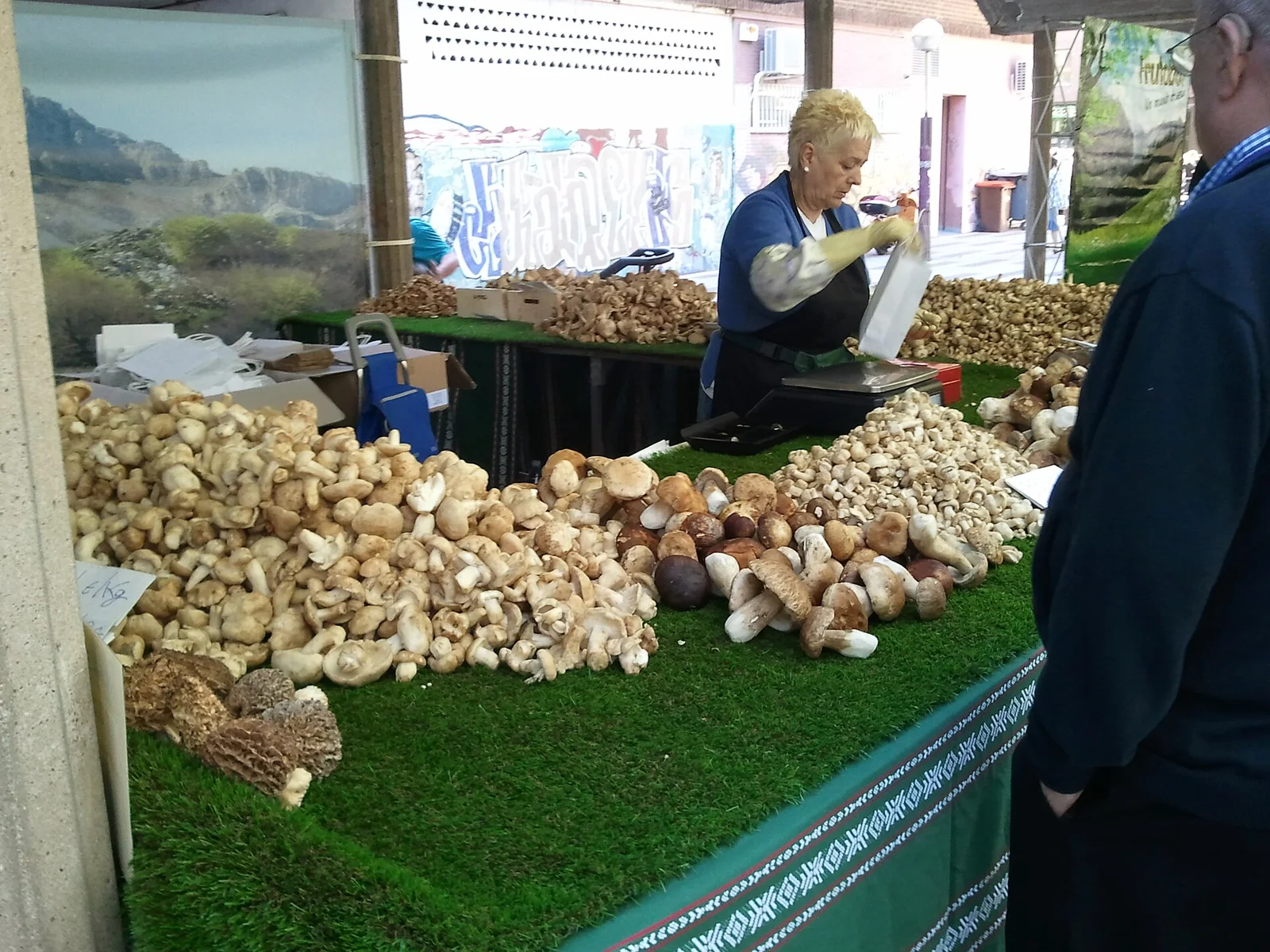
During the Tokugawa (Edo) era (1603‑1868) mushrooms were a common ingredient in both the market and the kitchen. Seasonal cookbooks such as the Shinsen ryōri shū list matsutake, shiitake, and nameko as prized foods for the emerging urban middle class. Because they were affordable, easy to store and could be prepared in many ways, mushrooms appeared frequently in literature and visual culture as symbols of ordinary pleasure. Ukiyo‑e artists captured this everyday enjoyment by placing mushrooms on banquet tables, in tea‑house scenes, or as part of a bento box illustration. The presence of a mushroom plate in a print often signaled a relaxed, convivial atmosphere, inviting viewers to imagine the taste of a steaming broth or the aroma of a grilled shiitake.
Mushrooms as Seasonal Markers
Japanese woodblock prints are famously attuned to the calendar, with each season highlighted by specific flora and fauna. In the same way that cherry blossoms signal spring, certain fungi mark autumn or early winter. The katsura (oak) leaf motif may be paired with clusters of maitake (hen of the woods) to indicate the cooler months when these mushrooms are harvested. Artists such as Hiroshige and Kiyonaga used these visual cues to anchor their scenes in a particular time of year, helping viewers navigate the flow of seasonal festivals and market fairs. The careful rendering of mushroom caps, gills, and stalks—often in delicate ink washes—demonstrates the artists’ observational skill and reinforces the print’s temporal setting.
The Supernatural and the Mushroom Shape
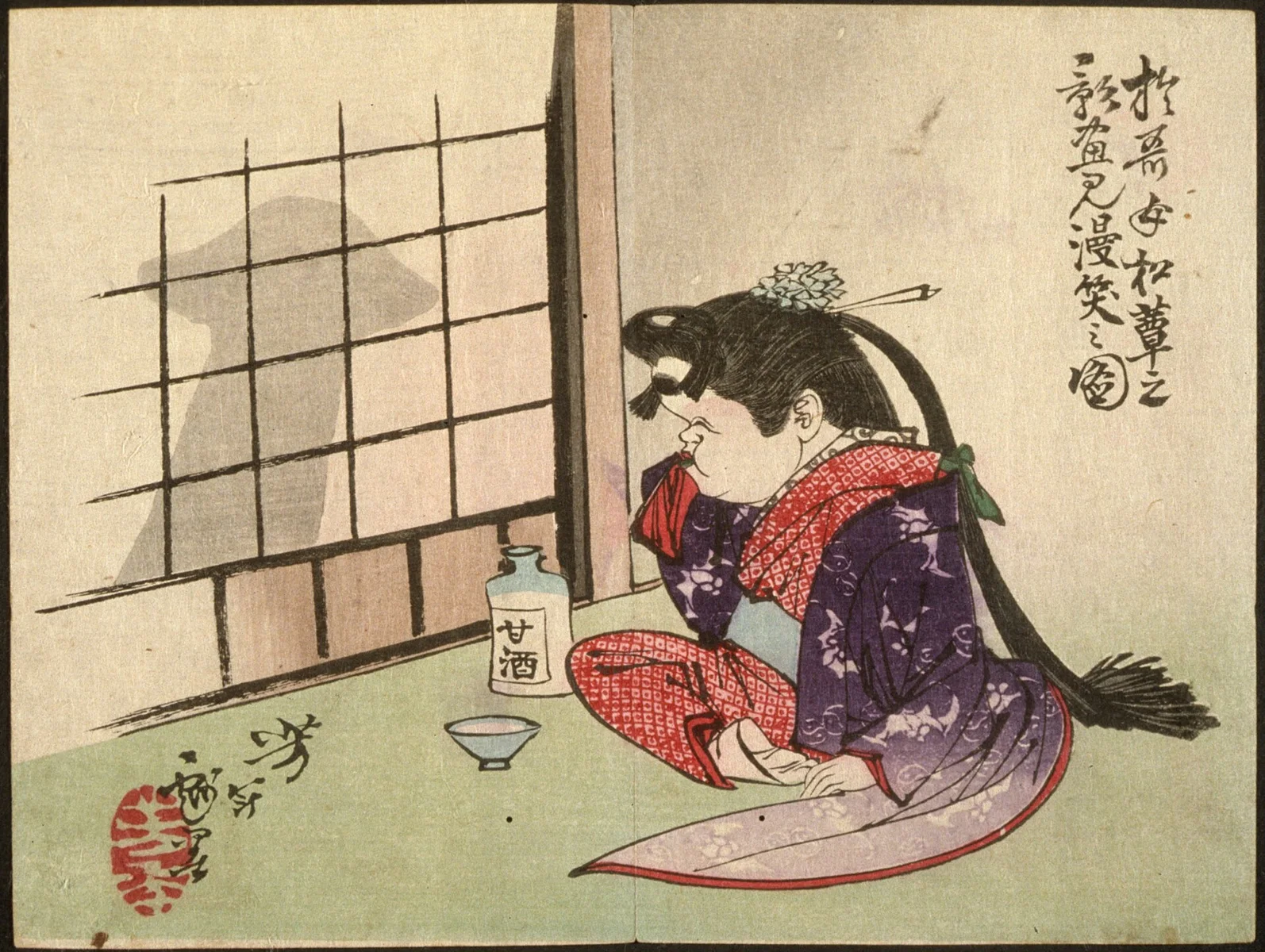
Beyond their culinary role, mushrooms carried a more mysterious resonance in Edo folklore. The umbrella‑shaped shiitake and the puffball tremella were sometimes associated with spirits (yōkai) that dwelled in forest groves. In prints that depict ghostly processions or haunted shrines, stylized mushroom clusters appear as subtle background elements, hinting at hidden realms. The round, cloud‑like forms of kōhaku (porcini) were likened to floating lanterns that guide wandering souls. Art historian K. Tanaka notes that the visual similarity between mushroom caps and the traditional kasa (paper hat) allowed artists to embed a visual pun: a mushroom could represent both a humble food and a protective covering for spirits.
Leisure Activities Framed by Fungi
Ukiyo‑e is best known for its depictions of pleasure districts, kabuki theater, and tea‑house gatherings. In many of these scenes, mushrooms serve as decorative props that enhance the sense of leisurely indulgence. A print of a geisha arranging a kinoko (mushroom) garnish on a plate of soba conveys refinement and the host’s attention to seasonal detail. Similarly, images of samurai on a shōjin ryōri (Buddhist vegetarian) banquet often include modest mushroom dishes, underscoring the cultural value placed on restraint and harmony with nature. By integrating fungi into these social settings, artists communicated both the refinement of the host and the cultural importance of modest, seasonal fare.
Symbolic Meanings in Color and Form
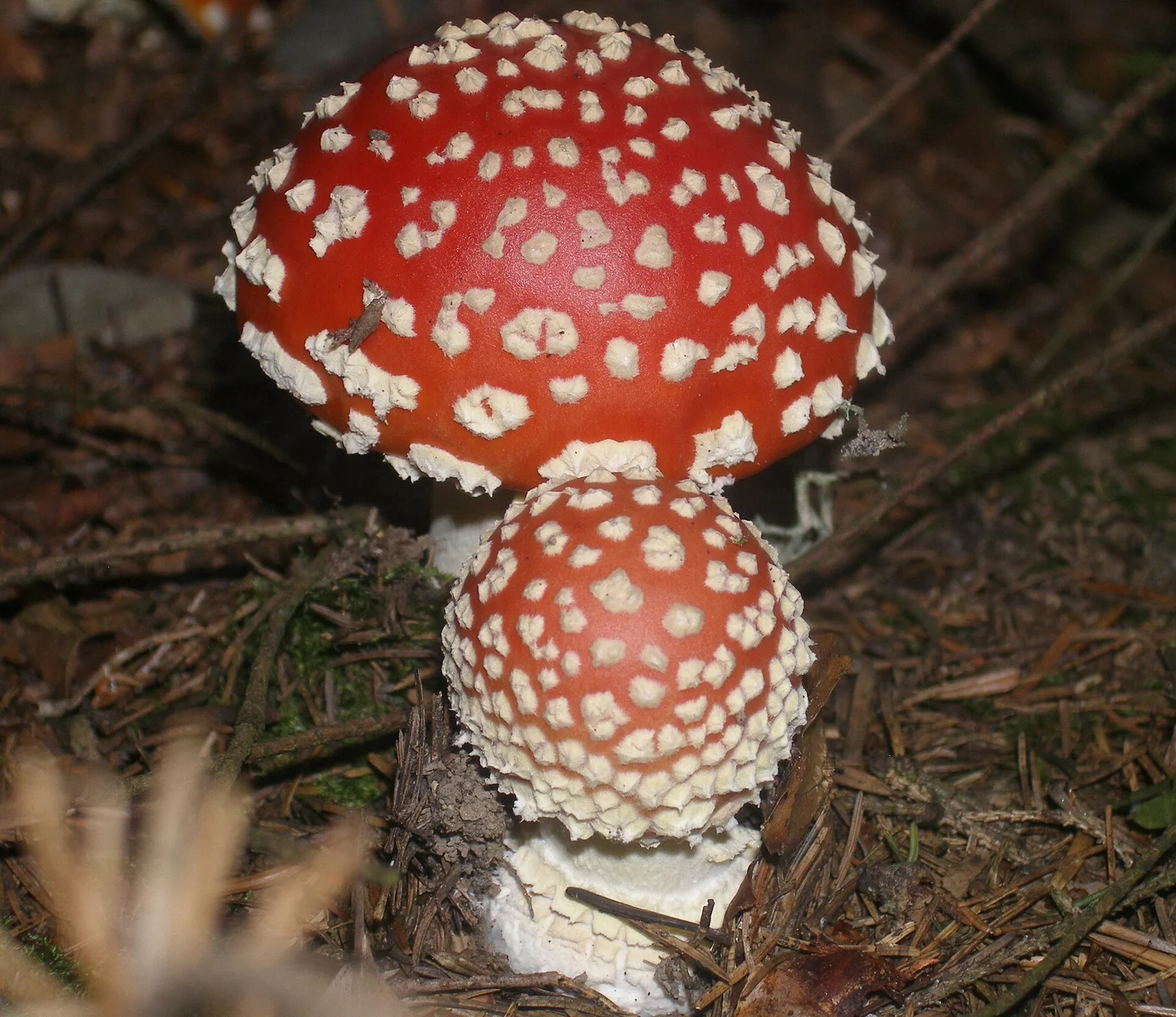
Color choice in ukiyo‑e was not merely aesthetic; it also conveyed meaning. Red‑stained amanita caps, though rarely edible, were sometimes painted to evoke danger or the allure of the forbidden. In contrast, the soft brown of shiitake suggested earthiness and stability. The rounded, concentric rings of a shimeji mushroom could symbolize continuity and the cyclical nature of life—an idea that resonated with Buddhist concepts popular in Edo visual culture. When an artist exaggerated the size of a mushroom, it often functioned as a visual metaphor for abundance or the “bounty of the forest,” reinforcing the idea that nature itself was a generous host.
From Print to Modern Appreciation
Today, scholars and collectors recognize these mushroom motifs as more than decorative flourishes; they are visual documents of Edo‑period attitudes toward food, seasonality, and the unseen world. Museums such as the Metropolitan Museum of Art and the Tokyo National Museum include ukiyo‑e prints with mushroom imagery in exhibitions on Japanese daily life, highlighting how these simple fungi helped shape a cultural narrative of leisure and mystique. For contemporary artists and designers, the subtle symbolism of Edo mushrooms offers a rich source of inspiration—reminding us that even the humblest mushroom can carry layers of meaning, from the kitchen table to the realm of spirits. And, of course, it sparks the imagination of anyone dreaming about growing mushrooms on another planet, perhaps even on Mars.
All factual statements are drawn from museum catalogues, scholarly articles on Edo visual culture, and reputable Japanese folklore sources.
Sources
- Ukiyo‑e: The Art of the Japanese Woodblock Print
- Mushrooms in Japanese Culture
- Seasonality in Edo‑Period Prints
This article was prepared with AI assistance from the sources listed above and approved by the Mushroom 2 Mars team before publication.