Part of the guide: Mushrooms: A Complete Guide to Identification, Cooking, and Cultivation
Sacred Spores in Storytelling
Indigenous peoples along the Pacific coast have long woven fungi into their oral traditions. Elders from the Kwakwaka'wakw and Nuu‑chah‑nulth recount that certain mushrooms appear in dreams as guides, showing the way to hidden medicinal plants or safe travel routes. In these narratives the mushroom is not merely a food source; it is a living sign that bridges the material world and the spirit realm.
Warning Signs on the Forest Floor
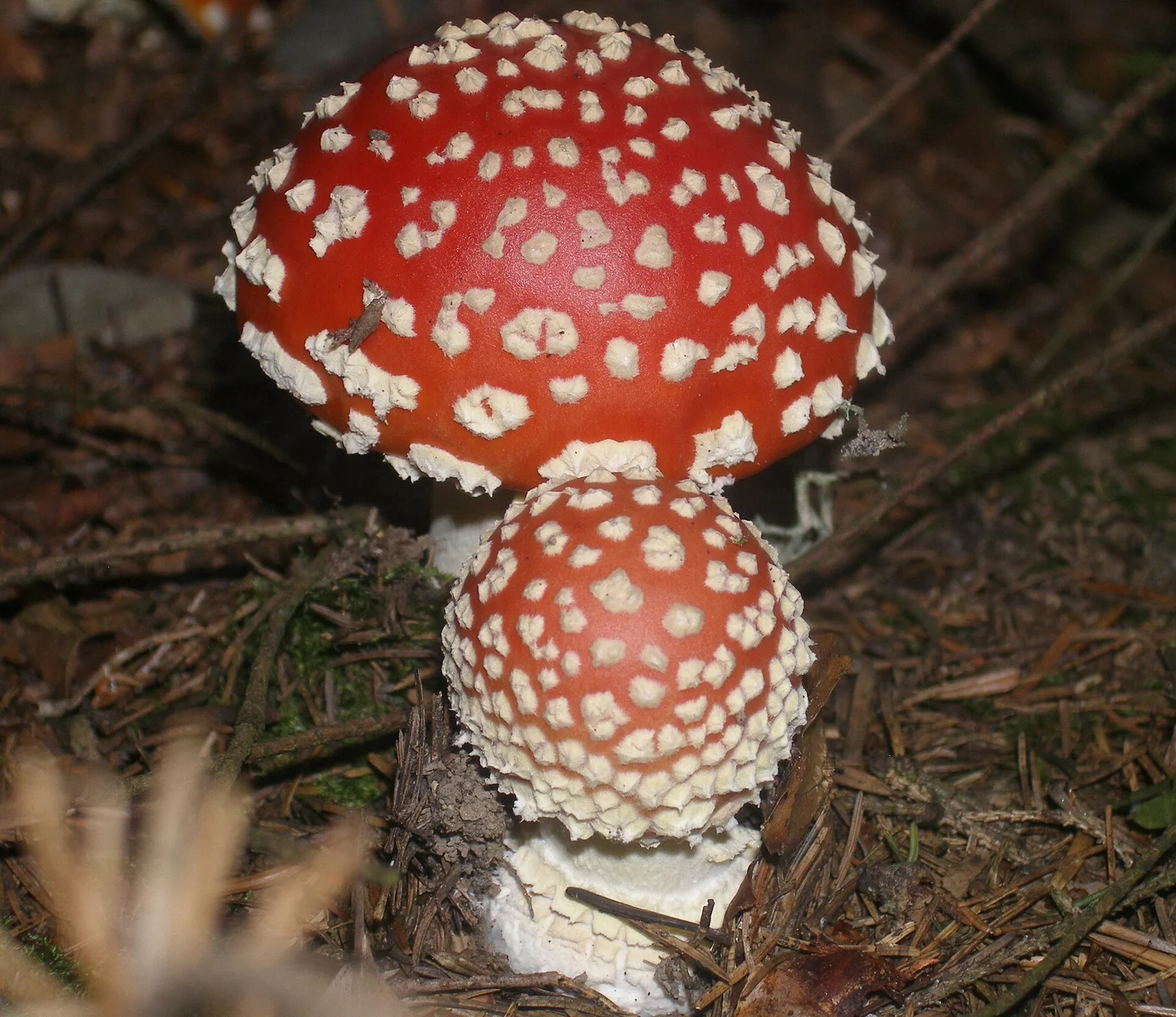
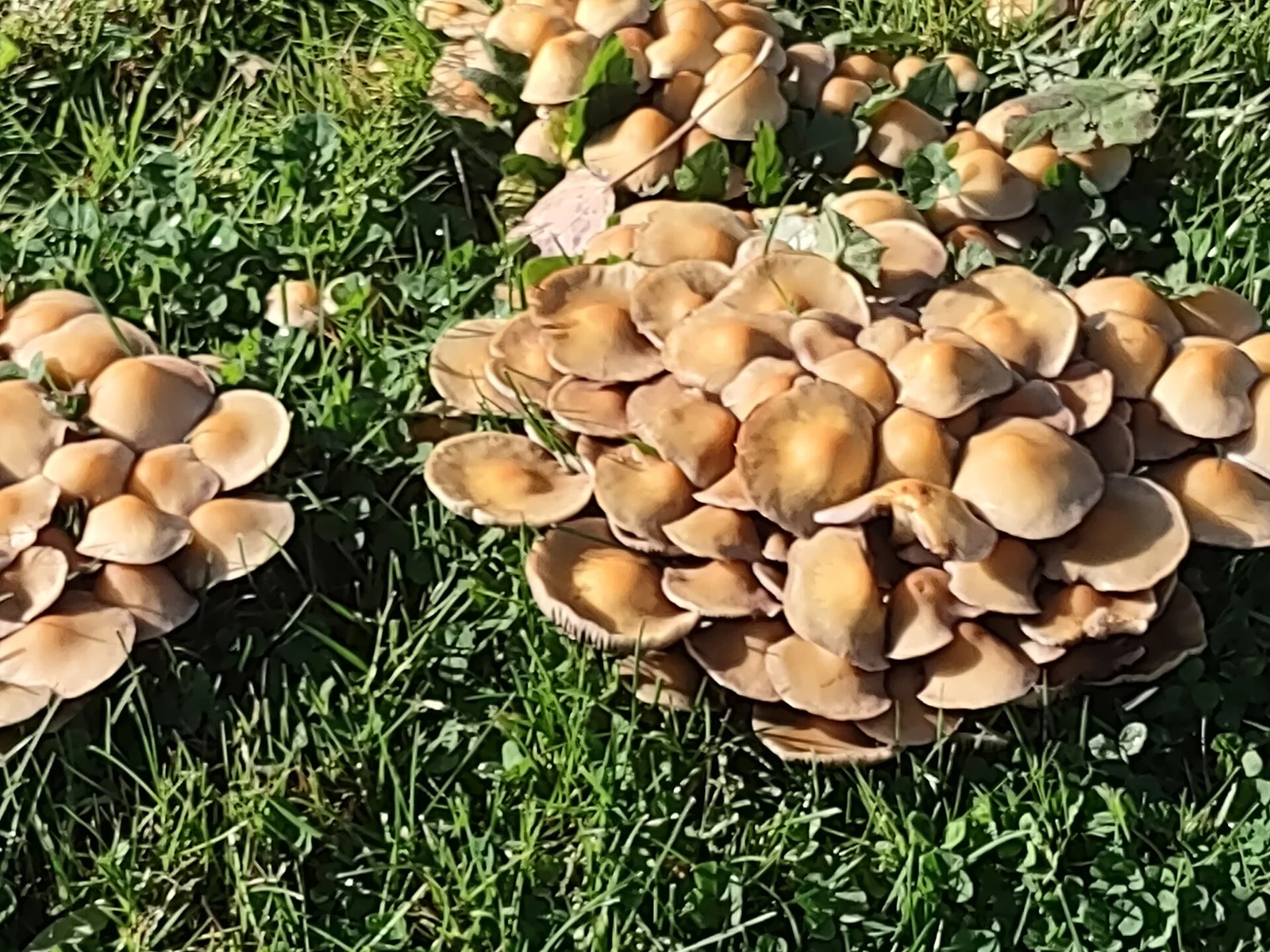
Many coastal stories describe mushrooms as omens. The Tlingit recount a tale of a white‑spotted Amanita that grew near a riverbank after a landslide, warning hunters that the ground was unstable. Similarly, the Coast Salish tell of a sudden burst of bright orange Pleurotus that appeared after a storm, signaling that the tide would soon rise and that travelers should seek higher ground. These accounts illustrate how careful observation of fungal growth patterns helped communities avoid natural hazards.
Teaching Tools for Youth
Elders often use mushroom metaphors in teaching children about patience and renewal. A Haida story describes a tiny fungus that emerges after a long winter, reminding youngsters that growth takes time and that the forest recycles its own life. The narrative is paired with a practical lesson: children are taught to respect the forest floor, to walk lightly, and to leave fallen logs undisturbed so the mycelial networks can continue their vital work.
Culinary and Medicinal Knowledge Passed Down
While the focus here is on cultural meaning, many oral histories also embed practical knowledge about edible and therapeutic fungi. The Kwakwaka'wakw describe the seasonal harvesting of Chanterelle (Cantharellus) during the autumn rains, noting that the mushroom’s bright color signals a time of abundance. They also caution against the death‑cap (Amanita phalloides), describing it as a “spirit that pretends to be a friend.” These stories function as mnemonic devices, helping community members remember which species are safe and which are dangerous.
Modern Revitalization of Mushroom Lore
Today, Indigenous cultural centres are collaborating with mycologists to document these oral histories. Projects at the University of British Columbia’s Indigenous Studies department have recorded elders’ narratives and paired them with scientific identification guides. This partnership not only preserves cultural heritage but also contributes to conservation efforts, as traditional knowledge highlights the ecological importance of fungi in forest health.
From Forest Floors to Martian Soil
The deep respect for fungal cycles that Indigenous peoples have cultivated for millennia inspires contemporary projects like Mushroom 2 Mars, where the goal is to grow mushrooms in extraterrestrial environments. By honoring these ancient stories, we recognize that mushrooms can be both cultural guides and practical partners in humanity’s next frontier.
Sources
- Indigenous Knowledge and Fungal Diversity in the Pacific Northwest
- Coast Salish Oral Traditions: Fungi as Omens
- Haida Stories of Forest Renewal
- Mushroom 2 Mars Project Overview
This article was prepared with AI assistance from the sources listed above and approved by the Mushroom 2 Mars team before publication.