Part of the guide: Mycology: A Complete Guide to Fungi, Cultivation, and Safety
Mushrooms as Food Spirits in Bantu Lore
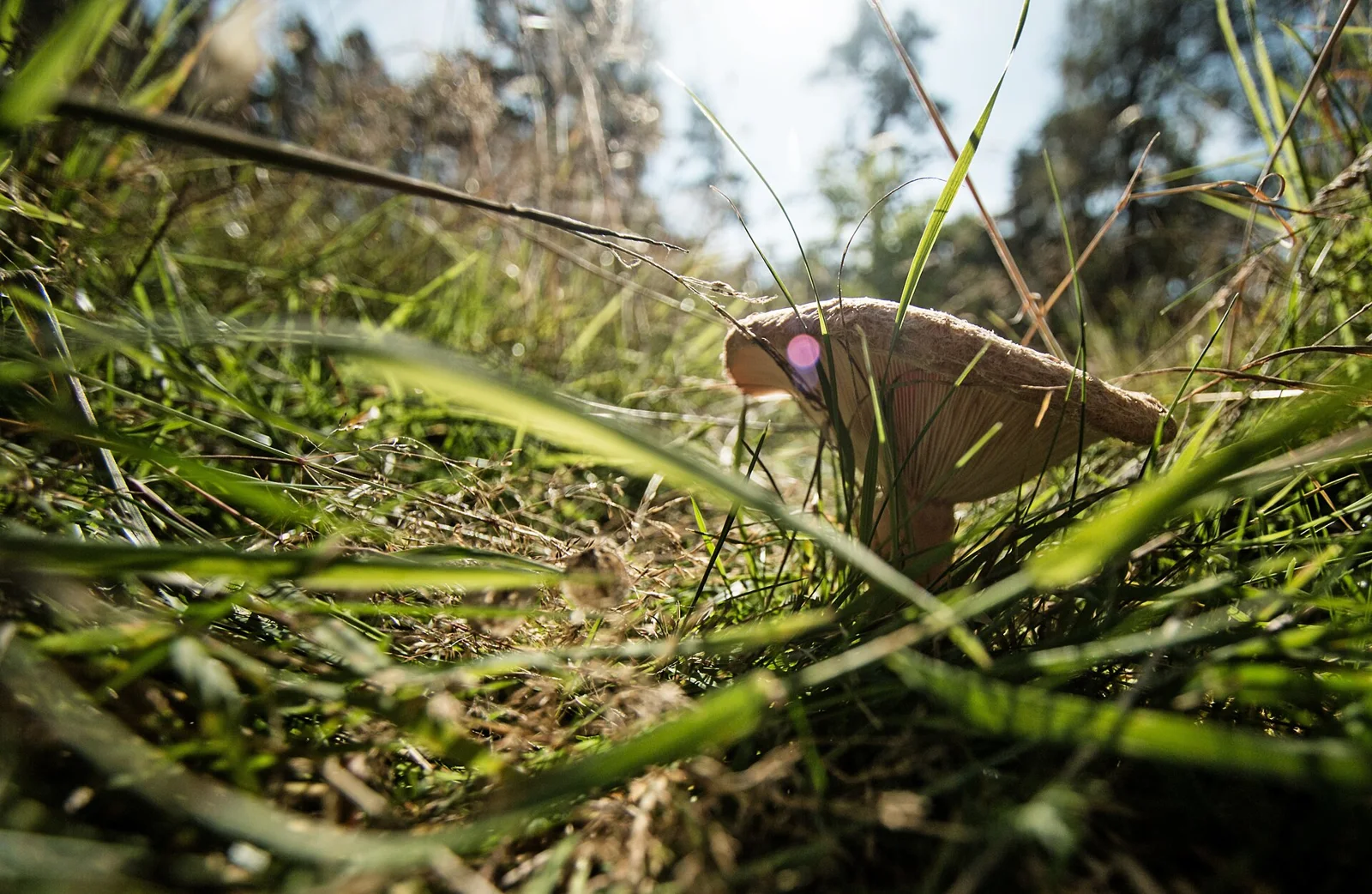
Among the Bantu‑speaking peoples of Zambia, mushrooms often appear as food spirits that guard the forest’s bounty. In stories from the Bemba and Tonga groups, a sudden appearance of a mushroom cluster is said to signal a generous spirit offering a safe meal for travelers. Elders recount that refusing the offering can bring misfortune, while accepting it with gratitude ensures a safe journey home. These narratives reinforce respect for wild foods and the idea that the forest watches over those who listen.
Trickster Tales Featuring Fungal Characters
Trickster figures are a staple of African oral literature, and mushrooms sometimes play the role of mischievous agents. In a popular Tonga tale, a mushroom named Mushikila disguises itself as a rock, leading a hunter astray until the hunter learns to read subtle signs in the forest floor. The story ends with the hunter sharing a modest meal with the mushroom spirit, highlighting humility and the value of careful observation. Such stories serve as cautionary lessons about overconfidence in the wild.
Symbolic Meanings Attached to Specific Species
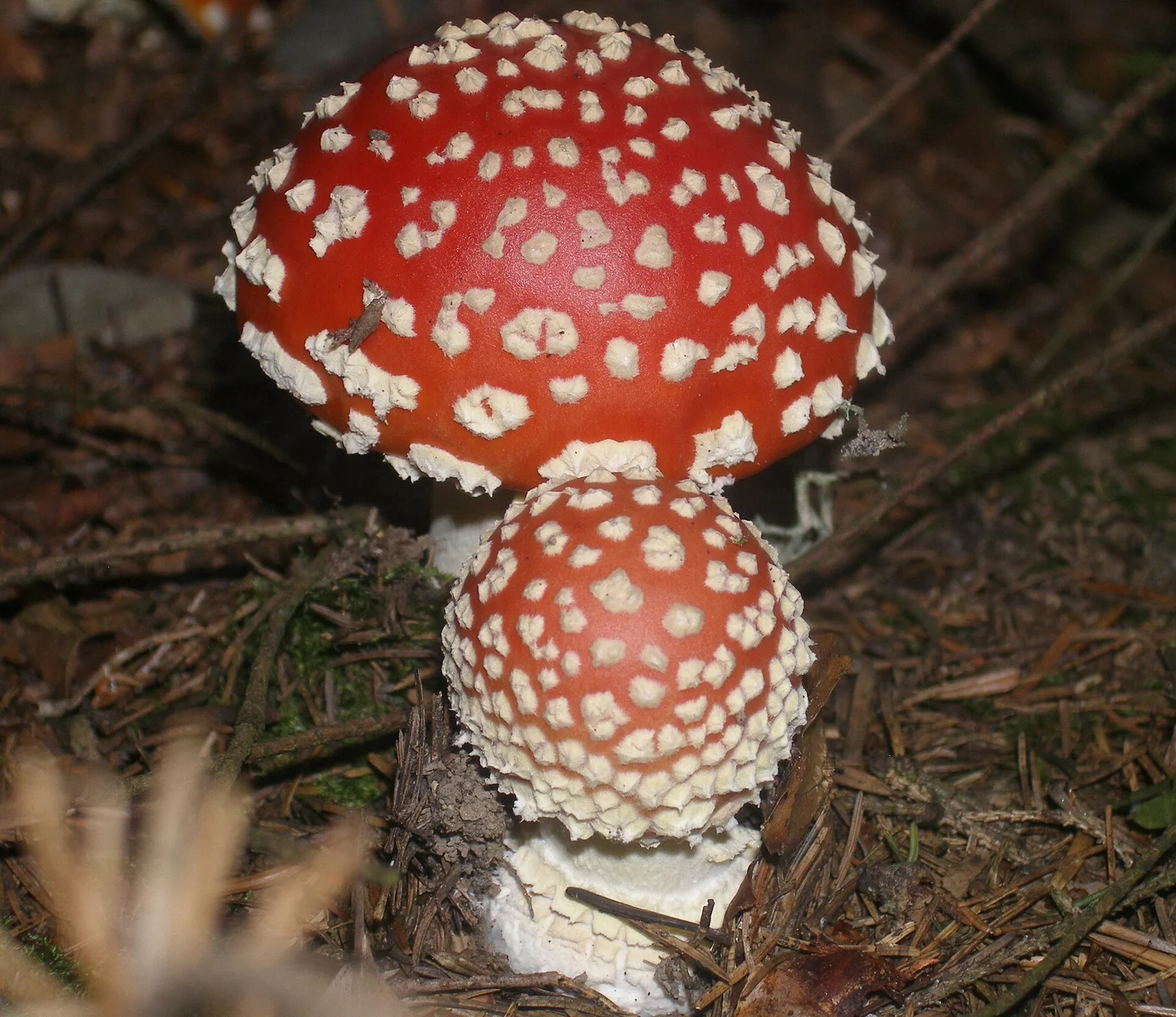
Different mushroom types carry distinct symbolic weight. The oyster mushroom (Pleurotus ostreatus), known locally as mushishi, is associated with resilience because it can thrive on dead wood, turning decay into nourishment. Conversely, the red‑capped amanita species—often avoided due to toxicity—are portrayed as dangerous tricksters that lure children with bright colors. These symbolic associations echo the practical knowledge passed down through generations about which fungi are safe to eat.
Transmission of Knowledge Through Song and Dance
In many Bantu communities, knowledge about mushrooms is not only spoken but also performed. Traditional songs describe the appearance of edible mushrooms after the first rains, while dance movements mimic the opening of a mushroom cap. Researchers have noted that such performative elements help embed ecological information in memory, ensuring that younger members learn identification cues without written texts (Kanyama, 2022).
Contemporary Relevance: From Folklore to Sustainable Harvesting
Modern mycologists working in Zambia often collaborate with local storytellers to locate sustainable mushroom harvest sites. By honoring the cultural narratives that label certain patches as sacred, scientists can design community‑based harvesting plans that protect both biodiversity and cultural heritage. This partnership illustrates how oral history can guide practical conservation, echoing the ancient belief that mushrooms are gifts from the forest spirits.
Connecting Past and Future on the Red Planet
Just as Zambian Bantu tales weave mushrooms into stories of survival and respect, today’s mushroom‑cultivation projects on Earth inspire experiments for growing fungi on Mars—another frontier where respect for life‑forms will be essential.
Sources
- Kanyama, L. (2022). "Oral Traditions and Mycological Knowledge among the Bemba of Zambia"
- UNESCO Intangible Cultural Heritage – Zambia: Food and Forest Spirits
This article was prepared with AI assistance from the sources listed above and approved by the Mushroom 2 Mars team before publication.