From Vision to Announcement
In late 2013, a cabinet retreat in the United Arab Emirates sparked the idea of a national mission to Mars. The plan was publicly unveiled by President Sheikh Khalifa bin Zayed Al Nahyan in July 2014, with the goal of boosting Emirati engineering talent and contributing new knowledge about the Martian atmosphere. The mission was named Hope (Arabic: al‑Amal) to convey optimism to millions of young Arabs, a sentiment expressed by Sheikh Mohammed bin Rashid Al Maktoum.
Building the Probe
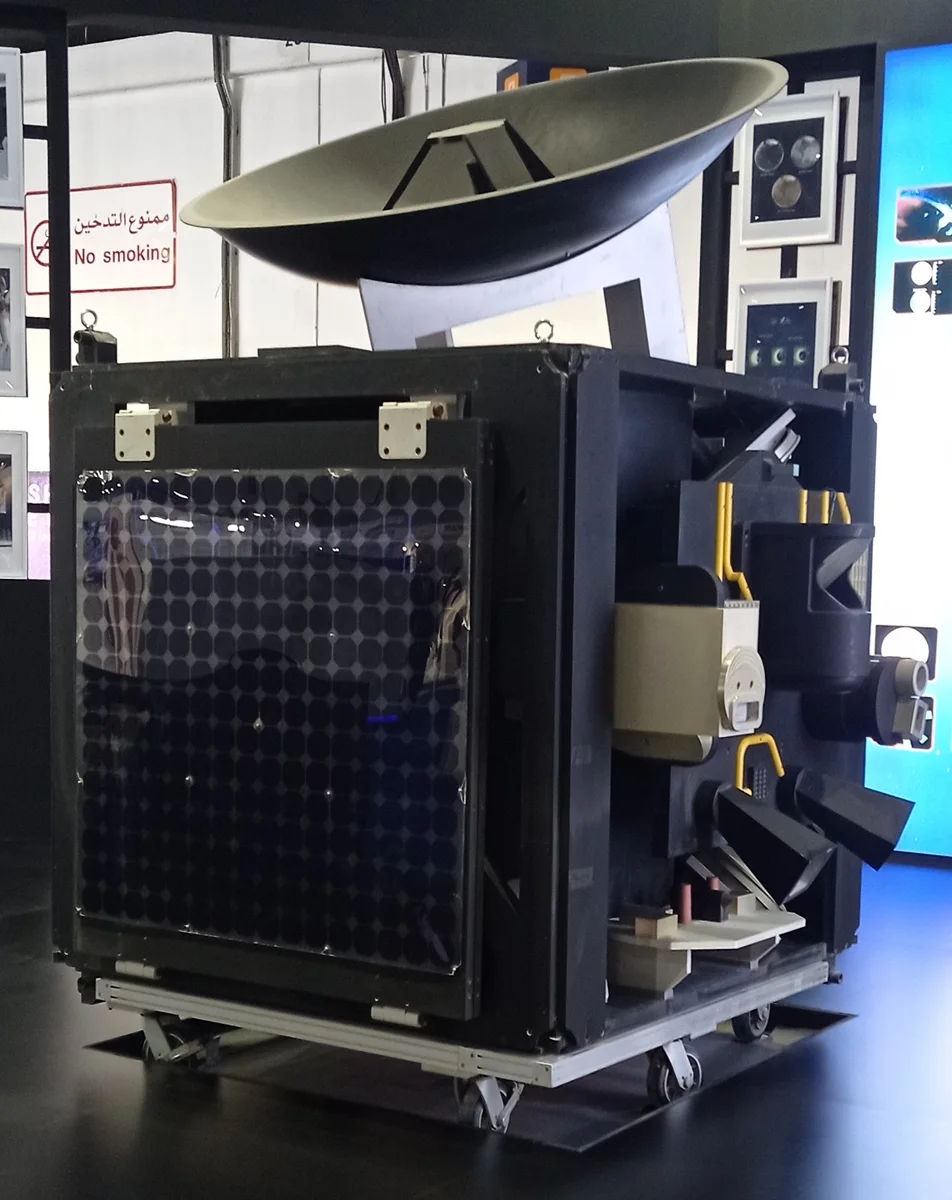
The Hope orbiter was designed and assembled through a partnership between the Mohammed bin Rashid Space Centre (MBRSC) and the Laboratory for Atmospheric and Space Physics (LASP) at the University of Colorado Boulder. Emirati engineers worked side‑by‑side with American colleagues, receiving additional support from Arizona State University and the University of California, Berkeley. The spacecraft’s cuboid shape measures about 2.37 m wide and 2.90 m long—roughly the size of a small car—and weighs 1,350 kg with fuel.
Key hardware includes: - Two 900‑watt solar panels for power generation - A 1.5‑m high‑gain antenna for Earth communications - Six 120‑N thrusters for major trajectory changes - Eight 5‑N reaction‑control thrusters for fine‑tuned maneuvers
Launch and Voyage
Hope lifted off from Japan’s Tanegashima Space Center on 19 July 2020 aboard a Mitsubishi Heavy Industries H‑IIA rocket. The launch window aligned with two other national missions—China’s Tianwen‑1 and NASA’s Mars 2020—making July 2020 a historic month for interplanetary exploration.
The journey to Mars covered roughly 493 million km and took about 200 days. During cruise, the probe performed a series of trajectory correction burns to fine‑tune its path toward the Red Planet.
First Arab Arrival in Mars Orbit
On 9 February 2021, Hope executed a successful orbit‑insertion maneuver, becoming the first Arab nation—and the fifth country overall—to reach Mars. It also marked the second successful first‑try orbital entry after India’s Mars Orbiter Mission. The spacecraft entered an initial 40‑hour elliptical orbit before raising its periapsis to a final 55‑hour (just over two Martian days) orbit, where it will study the atmosphere for at least two Earth years.
Scientific Objectives
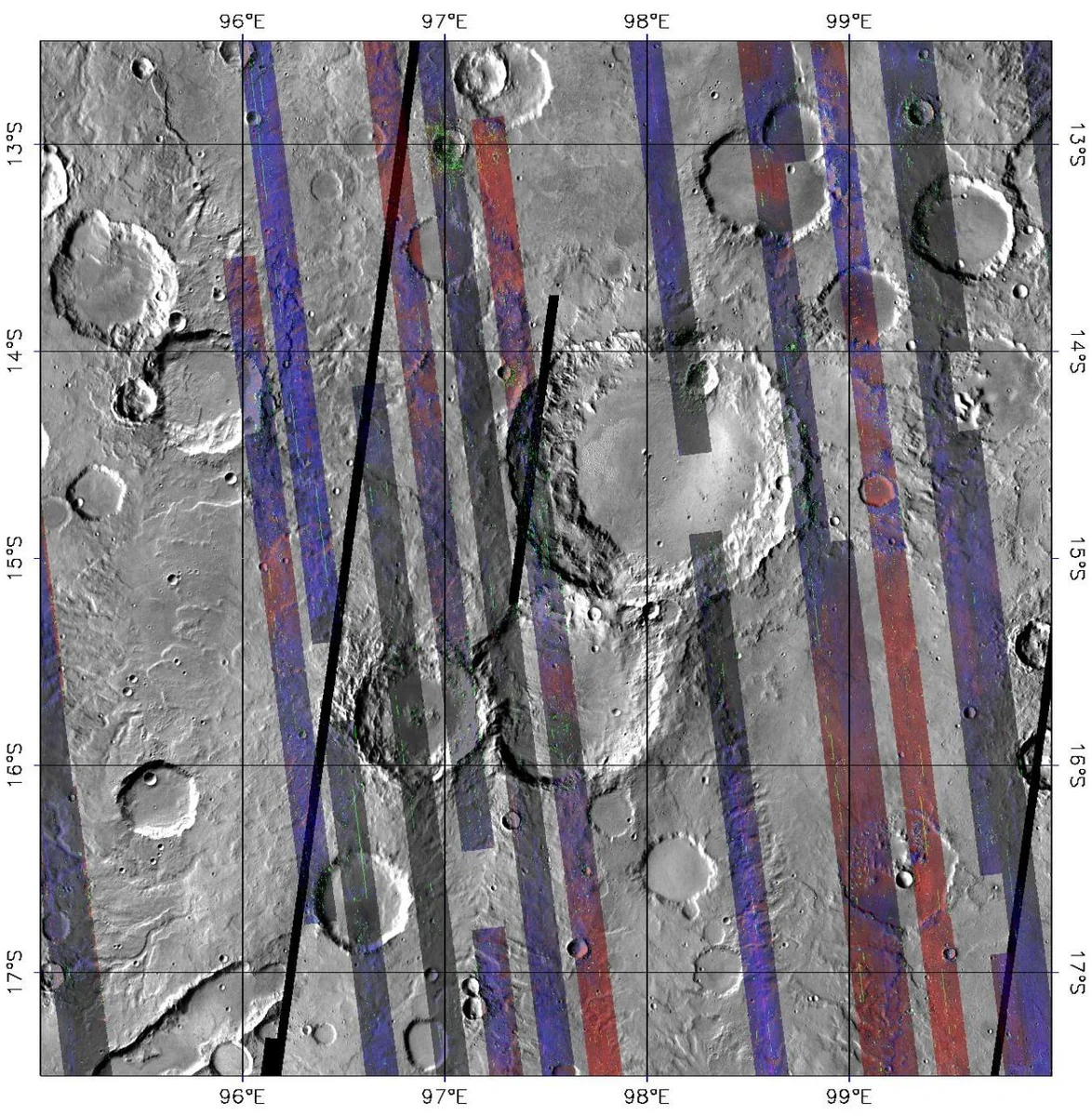
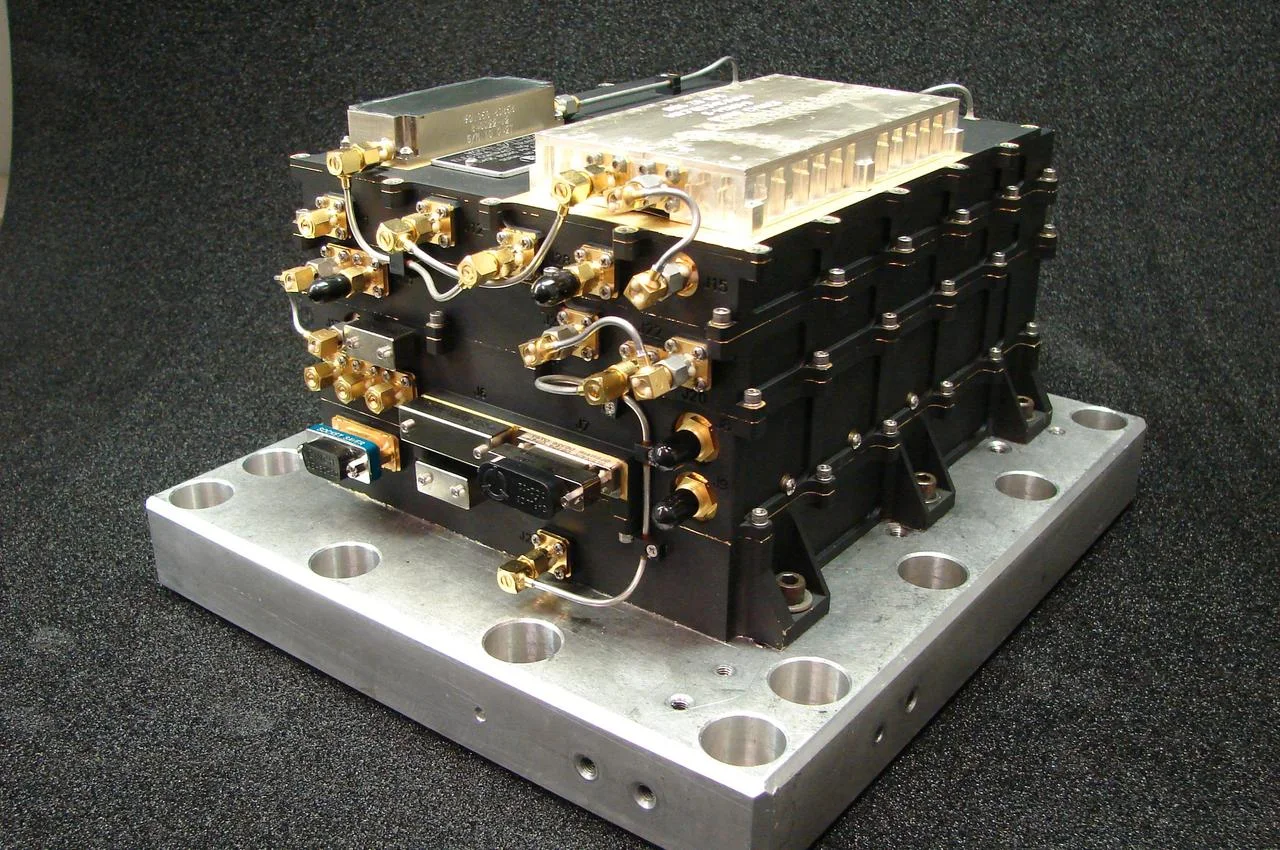
Hope’s primary focus is the Martian climate. Its three instruments work together to build a holistic picture of atmospheric dynamics: 1. Digital Camera – captures high‑resolution colour images of clouds, dust storms, and surface features. 2. Infrared Spectrometer – measures temperature profiles, water‑ice clouds, and dust particle characteristics. 3. Ultraviolet Spectrometer – tracks hydrogen and oxygen escape, shedding light on why Mars lost much of its original atmosphere.
By monitoring daily and seasonal weather cycles, dust‑storm evolution, and the loss of atmospheric gases, the mission aims to improve models of how Mars transitioned from a potentially habitable world to the cold desert we see today.
International Collaboration and Legacy
More than 200 institutions worldwide will receive Hope’s data free of charge, fostering open scientific research. The mission also involved a joint working group between the UAE Space Agency and India’s ISRO, highlighting the collaborative spirit of modern planetary exploration.
Beyond the science, the project trained roughly 200 Emirati scientists and engineers, aligning with the UAE’s broader strategy to develop a knowledge‑based economy. The success of Hope demonstrates how emerging space nations can contribute meaningfully to global understanding of planetary climates.
Looking Ahead: From Mars to Mushrooms?
While Hope studies the thin Martian air, the UAE’s broader vision includes sustainable life‑support technologies—areas where mushroom cultivation research, such as that pursued by the Mushroom 2 Mars community, could one day play a role in future habitats.
Hope’s journey reminds us that curiosity, collaboration, and a dash of optimism can propel humanity farther than ever before.
Sources
This article was prepared with AI assistance from the sources listed above and approved by the Mushroom 2 Mars team before publication.