Part of the guide: Mycology: A Complete Guide to Fungi, Cultivation, and Safety
A Ancient Fermentation Tradition
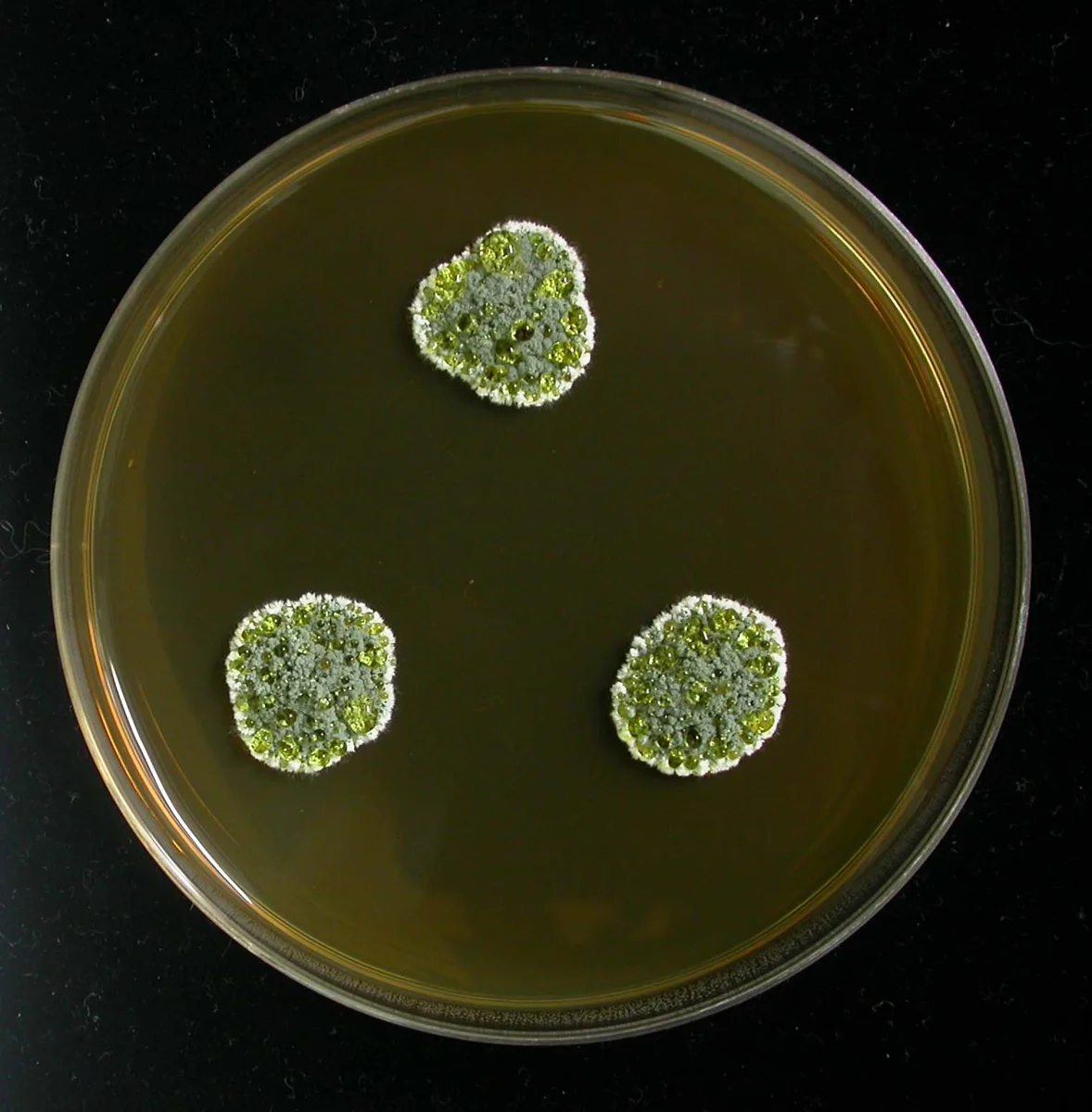
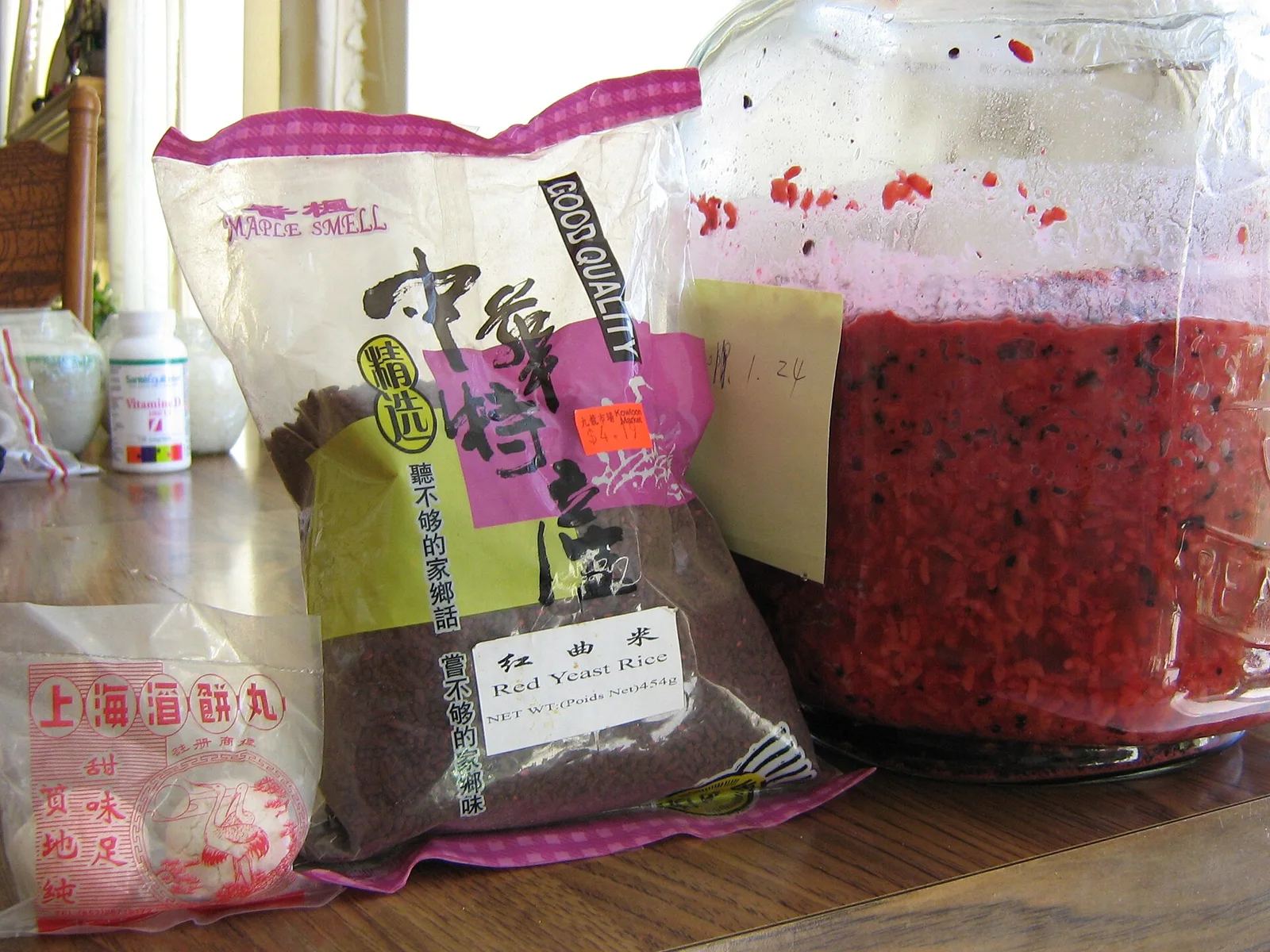
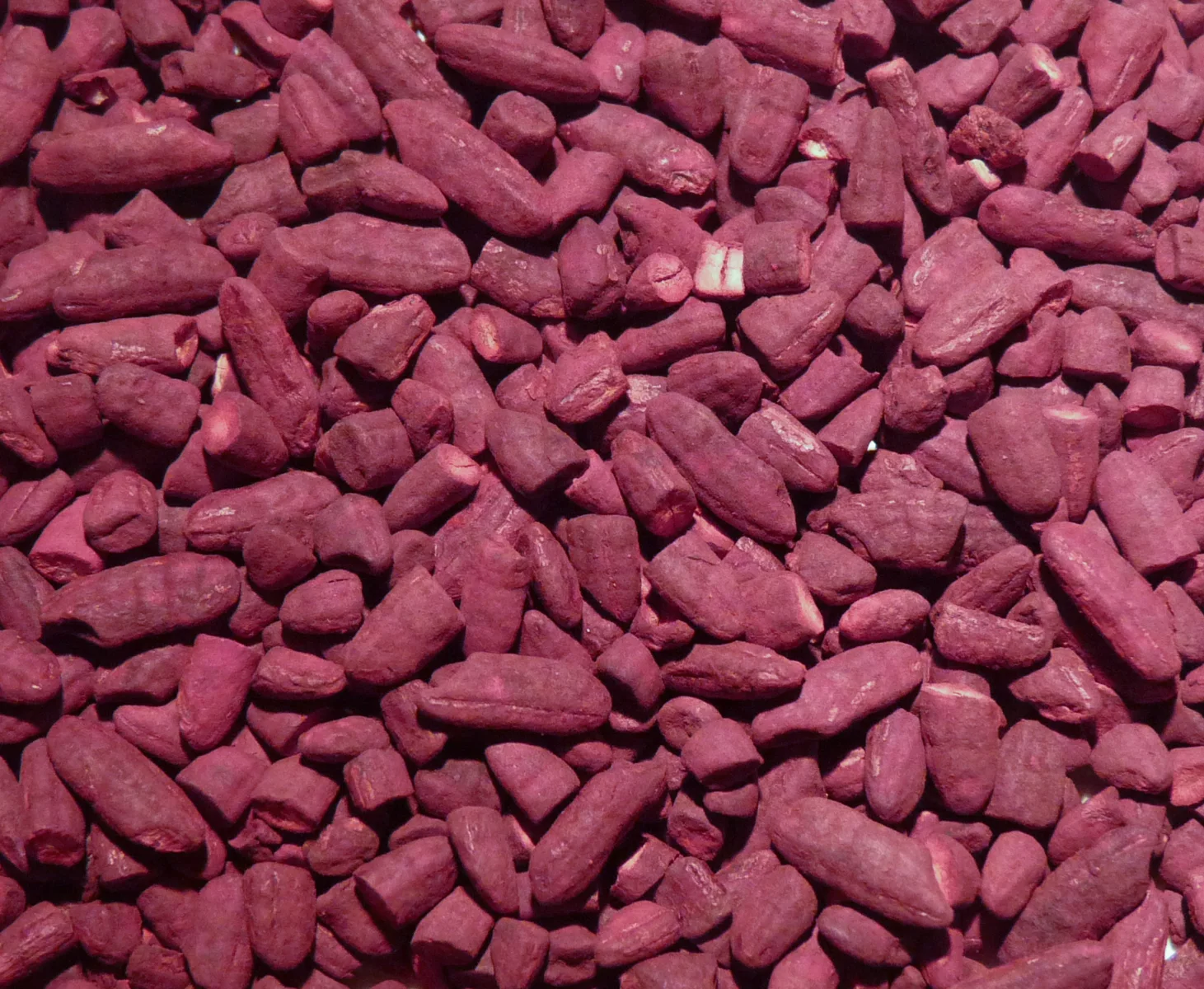
Red yeast rice, also called red fermented rice or red koji, is rice that has been inoculated with the mold Monascus purpureus. The mold’s pigments turn the grains a vivid reddish‑purple hue. This technique dates back to around 300 BCE in East Asia, where it was known as a kōji—literally “grain overgrown with mold.” Early Chinese texts record its use as a food coloring as early as the first century CE, and the famed pharmacopoeia Ben Cao Gang Mu (compiled by Li Shizhen in the late 16th century) lists it among herbal remedies.
How Red Yeast Rice Is Made
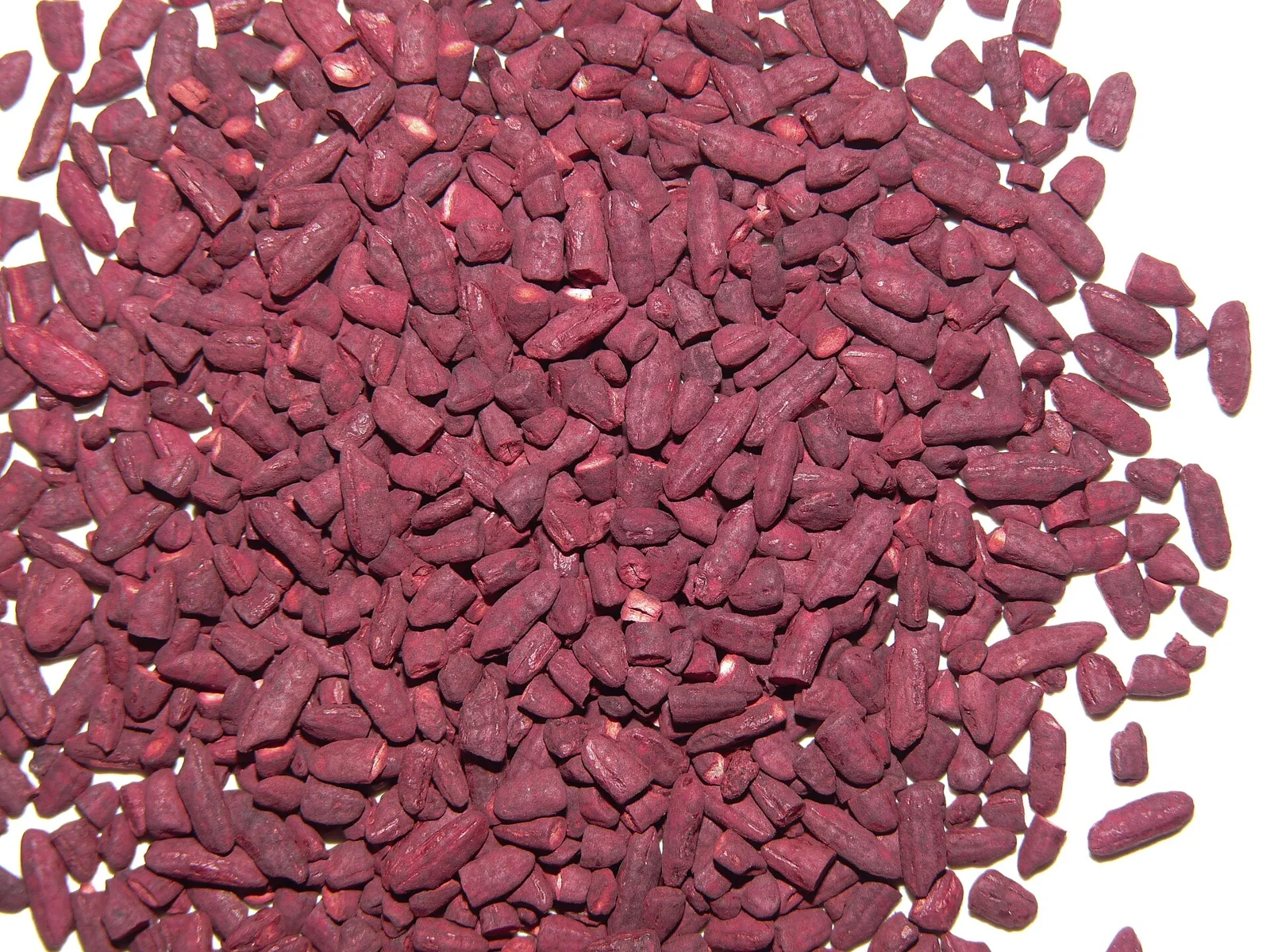
The production process is straightforward but time‑sensitive. Cooked rice is inoculated with a starter culture of Monascus purpureus and left at room temperature for three to six days. During this period the mold colonises the grain, producing bright red cores and a reddish‑purple outer layer. After fermentation the product can be sold in three forms: - Dried grains – the whole rice kernels are dehydrated and packaged. - Wet paste – the fermented rice is pasteurised, creating a thick, spreadable paste. - Powder – dried grains are milled into a fine, deep‑red powder used for seasoning or supplements. China dominates global production, though several European firms have entered the market in recent years.
Culinary Roles Across Asia
Red yeast rice is prized primarily for its natural color and subtle umami flavor. In Chinese cuisine it colors fermented tofu, red rice vinegar, char siu (barbecue pork), and a variety of pastries that require a striking red hue. The lees left after fermenting rice into wine—known as hóngzāo—are a flavorful seasoning in Fujian dishes such as red‑wine chicken, a celebratory dish served at birthdays and Lunar New Year.
In the Philippines the product, called angkák, is traditionally mixed into fermented shrimp (bagoóng alamáng), rice‑fish ferments (burong isdâ), and shrimp rice ferments (balao‑balao) to both color and preserve the food. Japanese brewers also use it to produce a reddish sake called akaisake, adding visual appeal and a gentle taste to the drink.
From Kitchen to Pharmacy: The Statin Connection
Scientific interest in red yeast rice surged in the late 1970s when researchers isolated the cholesterol‑lowering compound lovastatin from the fungus Aspergillus and, separately, monacolins from Monascus. Chemical analysis soon showed that monacolin K, produced by certain strains of Monascus purpureus, is chemically identical to lovastatin. The pharmaceutical version, marketed as Mevacor, became a prescription drug, while red yeast rice entered the U.S. supplement market as a non‑prescription product.
Monacolin K works by inhibiting the enzyme HMG‑CoA reductase, the same target as prescription statins, which can reduce total and LDL cholesterol by roughly 24–49 % depending on dose and formulation. However, the amount of monacolin K varies by fungal strain; the “Went” strain typically yields about 0.4 % monacolins, half of which is monacolin K.
Regulatory Landscape in the United States
Because monacolin K is identical to a prescription drug, the U.S. Food and Drug Administration (FDA) treats red yeast rice products that contain it as drugs rather than dietary supplements. In 1998 the FDA moved to ban a supplement containing red yeast rice extract, arguing it was effectively a statin. Subsequent court rulings and appeals created a back‑and‑forth legal environment, and by 2007 the FDA issued warning letters to companies making unsubstantiated monacolin content claims. Today, manufacturers must carefully control fermentation conditions and label products transparently to stay compliant.
Cooking with Red Yeast Rice Safely
If you want to experiment with red yeast rice at home, purchase a reputable dried or powdered product rather than attempting wild fermentation. Here is a simple, safe recipe for Red‑Yeast‑Rice Fried Rice: 1. Ingredients – 2 cups cooked white rice (cooled), 1 tbsp red yeast rice powder, 2 tbsp vegetable oil, 1 small onion (diced), 1 carrot (peeled and diced), 2 cloves garlic (minced), 2 eggs, 2 tbsp soy sauce, 1 tsp sesame oil, sliced scallions for garnish. 2. Preparation – Heat oil in a wok over medium heat. Add onion, carrot, and garlic; stir‑fry until softened (about 3 minutes). Push vegetables to the side, scramble the eggs, then mix with the vegetables. 3. Add Rice – Stir in the cooled rice, breaking up any clumps. Sprinkle the red yeast rice powder evenly and stir‑fry for another 2–3 minutes, allowing the pigment to coat the grains. 4. Season – Add soy sauce and sesame oil, tossing to combine. Cook until the rice is hot throughout. 5. Serve – Garnish with scallions and enjoy the subtle earthy flavor and vivid color.
Safety note: Use only commercially prepared red yeast rice. Wild‑foraged molds can be toxic, and proper pasteurisation is essential to prevent unwanted microbial growth.
Looking Ahead: From Earth to the Red Planet
While red yeast rice is a staple of Asian kitchens today, its bright hue and natural fermentation process inspire food scientists exploring sustainable, compact food production for future Mars habitats—exactly the kind of innovative thinking celebrated by the Mushroom 2 Mars community.
Sources
This article is for general information only and is not medical advice. Do not use it to diagnose or treat any condition; talk to a doctor about health questions.
This article was prepared with AI assistance from the sources listed above and approved by the Mushroom 2 Mars team before publication.