Part of the guide: Mushrooms: A Complete Guide to Identification, Cooking, and Cultivation
A vivid name and a familiar shape
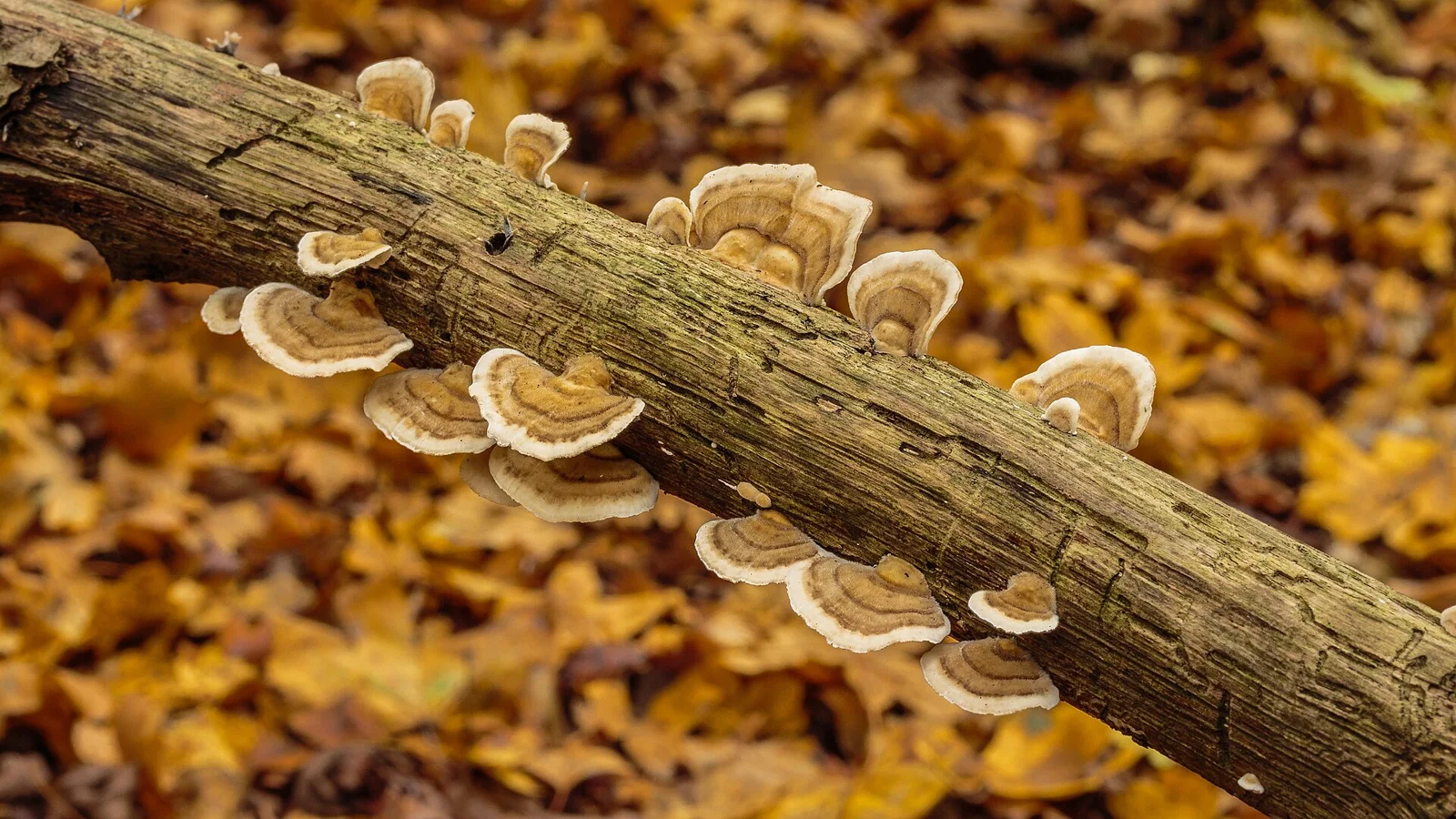
Trametes versicolor, often called turkey tail because the fan‑shaped fruiting bodies resemble a bird’s fanned tail, displays a patchwork of colors on its upper surface. The species name versicolor literally means “of several colors,” a fitting description for the concentric rings that range from bright orange‑brown to muted greys. Unlike many mushrooms, it has no distinct stalk; the cap is semicircular, flat, and can grow up to 10 cm across, with a tough flesh only a few millimetres thick.
Where turkey tail grows
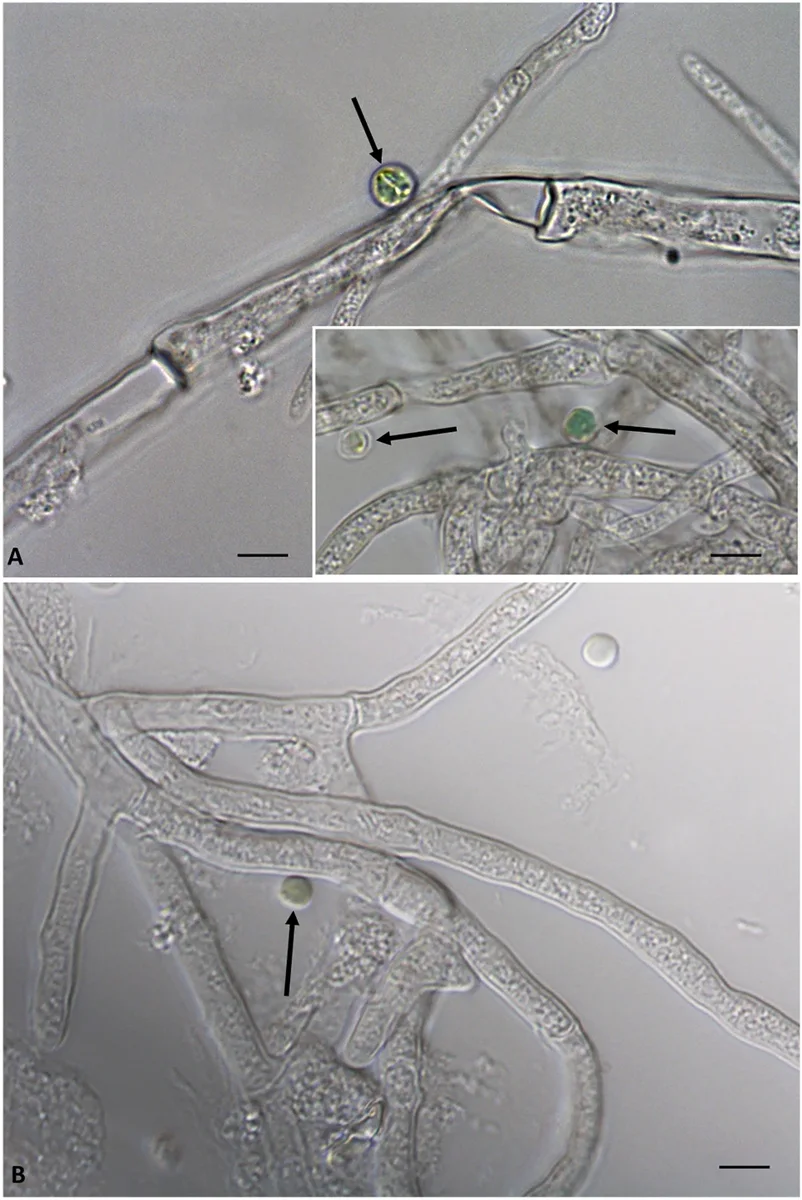
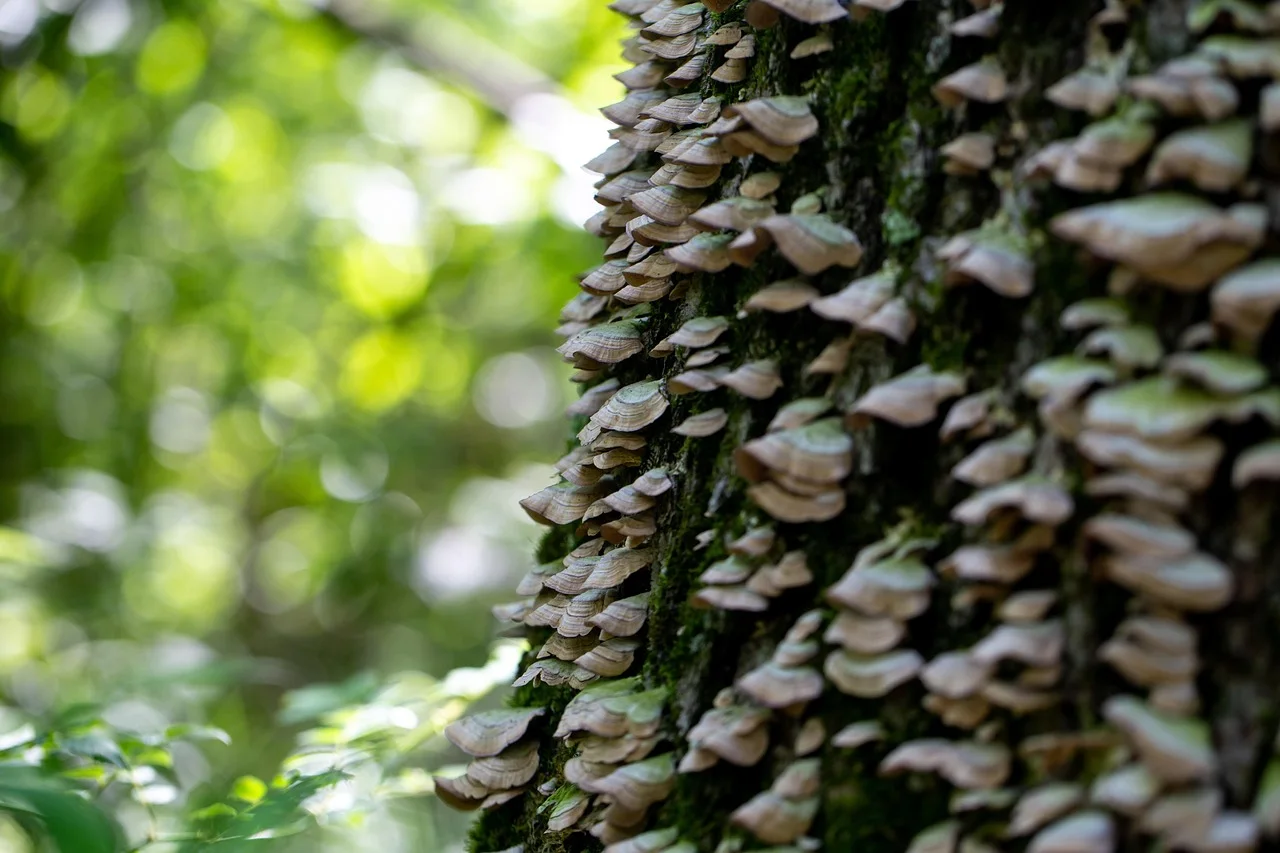
This polypore prefers the dead wood of deciduous trees, forming layered shelves on logs and stumps. It is a white‑rot fungus, meaning it breaks down lignin, the complex polymer that gives wood its rigidity. By decomposing lignocellulosic material, T. versicolor recycles nutrients back into forest ecosystems. In the wild you’ll often see it growing in rows or clusters, sometimes with green algae colonising older specimens.
Identifying the mushroom
Key field marks include: - A fan‑shaped, often semicircular cap without a stem. - A smooth upper surface with concentric zones of varying colors; the margin is always the lightest. - A pore surface on the underside with 3–5 pores per millimetre, initially whitish‑brown and becoming more labyrinthine with age. - A thin black layer beneath a fine tomentum of rust‑brown hairs.
Look out for look‑alikes such as Stereum ostrea (false turkey tail) and other Trametes species, which can be distinguished by the presence of true pores rather than a smooth underside.
Culinary and cultural uses
Turkey tail is notoriously tough, so it is rarely eaten fresh. However, cultures that have used it for centuries—most notably in China where it is known as “Yunzhi”—prepare it as a tea, broth, or dried powder. The process softens the tissue and extracts water‑soluble compounds. When making a tea, simmer sliced caps in water for 20‑30 minutes, strain, and sweeten to taste. The resulting infusion is earthy and mild, but it should never be made from wild‑collected specimens unless you are absolutely certain of the identification.
Health research and supplements
Extracts of T. versicolor contain a polysaccharide called PS‑K (polysaccharide‑K). In Japan, PS‑K is approved as an adjuvant therapy used alongside conventional cancer treatments, though it is not authorized for any medical use in the United States. Commercial supplements marketed for immune support often contain turkey‑tail extracts, but the quality and composition can vary widely because processing standards are inconsistent. Scientific reviews note that while laboratory studies suggest immune‑modulating activity, robust clinical evidence for safety or efficacy in healthy people is still lacking.
Growing turkey tail for space habitats
One reason the Mushroom 2 Mars community is interested in T. versicolor is its ability to decompose woody waste—a valuable trait for closed‑loop life‑support systems. In a Martian greenhouse, spent plant material could be inoculated with turkey‑tail mycelium to break down lignin, producing a nutrient‑rich substrate that could support other edible fungi or even hydroponic crops. Its tough fruiting bodies also make it a good candidate for long‑term storage and transport.
Conservation and responsible foraging
Although turkey tail is common worldwide, it plays a critical ecological role as a decomposer. Harvesting should be limited to sustainable amounts, and any collection must be done with expert verification—wild mushrooms can be easily misidentified, and some look‑alikes are inedible. When foraging, always consult a qualified mycologist or reliable field guide before handling any specimen.
From forest floor to potential Martian bioreactor, Trametes versicolor reminds us that even the humblest fungi can have big scientific and cultural impact.
Sources
This article is for general information only and is not medical advice. Do not use it to diagnose or treat any condition; talk to a doctor about health questions.
This article was prepared with AI assistance from the sources listed above and approved by the Mushroom 2 Mars team before publication.