A Dusty Cradle in Cepheus
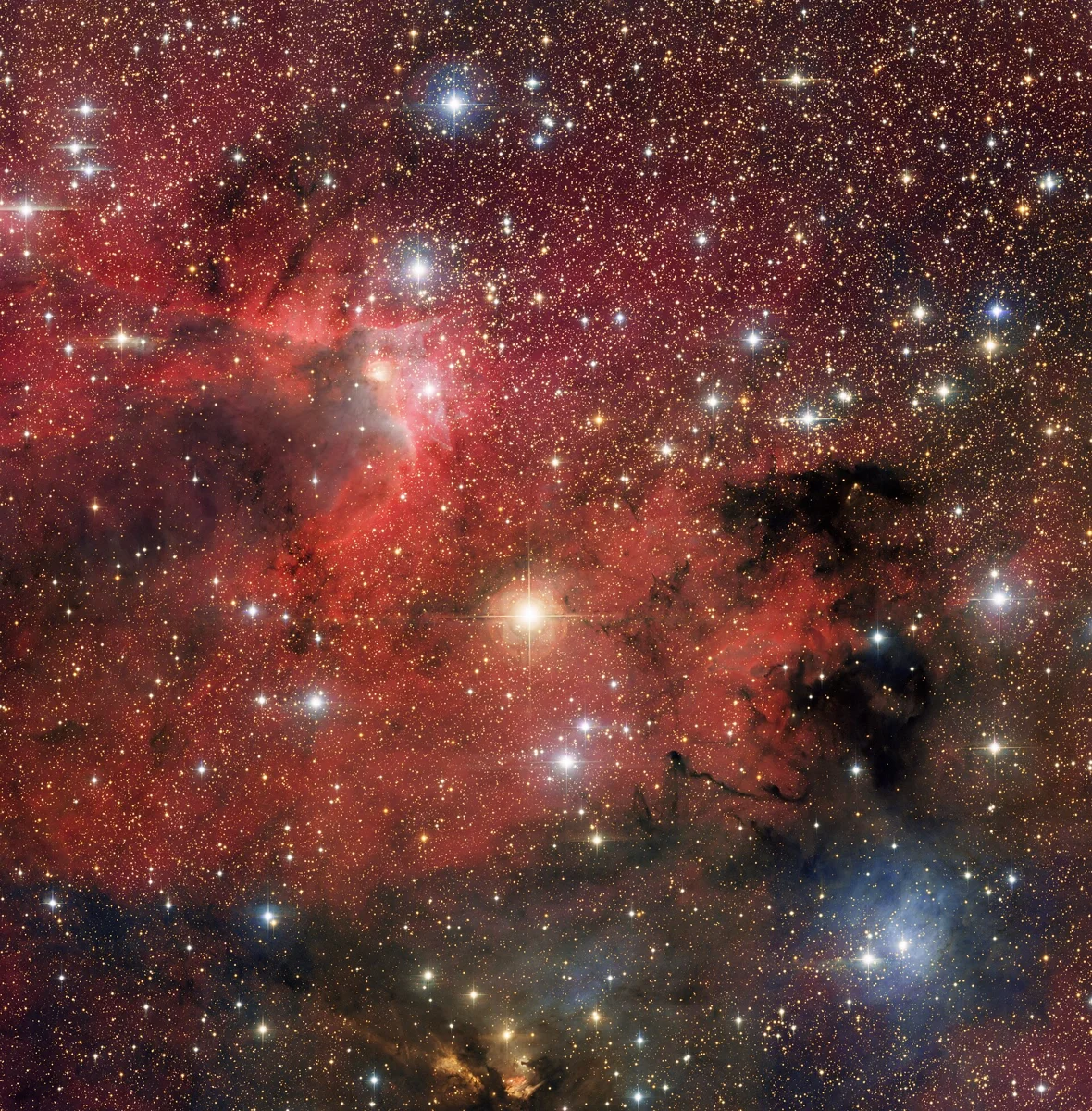
The James Webb Space Telescope (JWST) has turned its infrared eyes toward NGC 7129, a stellar nursery located roughly 3,300 light‑years away in the constellation Cepheus. Dense clouds of gas and dust—known as a molecular nebula—blanket the region, making it invisible to telescopes that rely on visible light. By capturing near‑ and mid‑infrared wavelengths, Webb can peer through the veil and reveal the hidden population of young stars inside the cloud.
Counting the Newborns
In the latest release, astronomers identified more than 130 individual stars within the cluster. These objects span a range of masses and ages, but all are younger than one million years. The most massive member, designated LkHα 234, is a pre‑main‑sequence star estimated to be 5–8 times the mass of the Sun. At this stage the star has largely finished gathering material and is on the cusp of igniting sustained hydrogen fusion in its core.
Infrared Highlights: Hot and Cold Gas
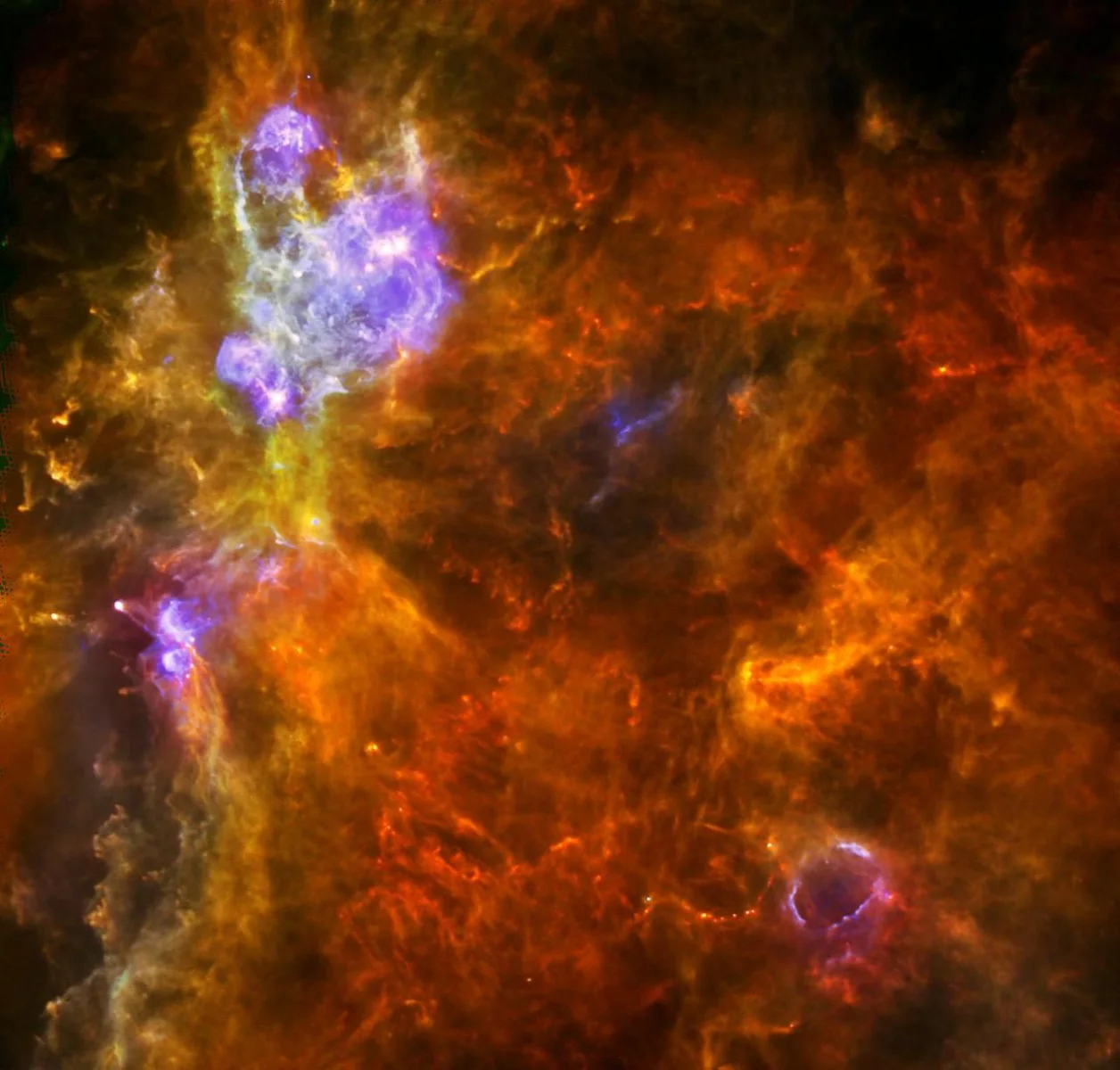
Webb’s images separate different temperature regimes by color. Golden tones trace hot atomic hydrogen that has been heated by the newborn stars, while cooler, shocked gas glows red. The red emission marks regions where outflows from protostars slam into surrounding material, compressing it and sometimes triggering the formation of additional stars. One striking cavity on the left side of the picture was carved out by outflows driven by LkHα 234 itself.
Stellar Winds and Bow Shocks
Many of the pre‑main‑sequence stars generate powerful stellar winds. These winds create bow‑shaped shock fronts as they plow into the denser ambient gas. The resulting bow shocks appear as smaller cavities scattered throughout the nebula. Where the winds encounter the colder, denser gas beyond the main cavity, they compress the material into a sharp ridge that defines the upper edge of the image.
The Photodissociation Region
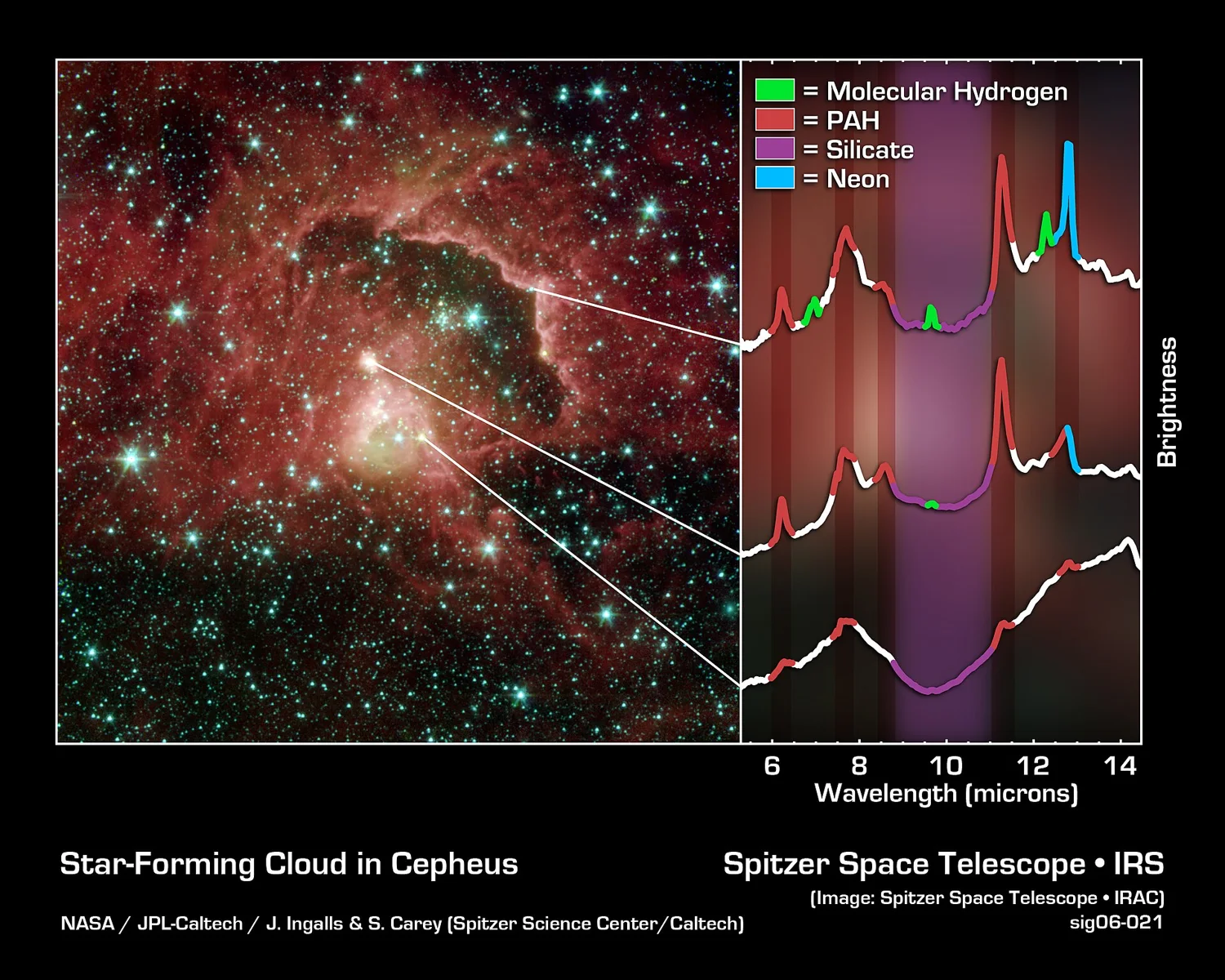
Beyond the bright cavity lies a photodissociation region (PDR). In a PDR, intense ultraviolet radiation from young stars breaks molecular hydrogen (H₂) into individual hydrogen atoms. This process shapes the chemistry and temperature of the surrounding cloud, gradually eroding the nebula over tens of millions of years.
A Protostar’s Torus and Outflows
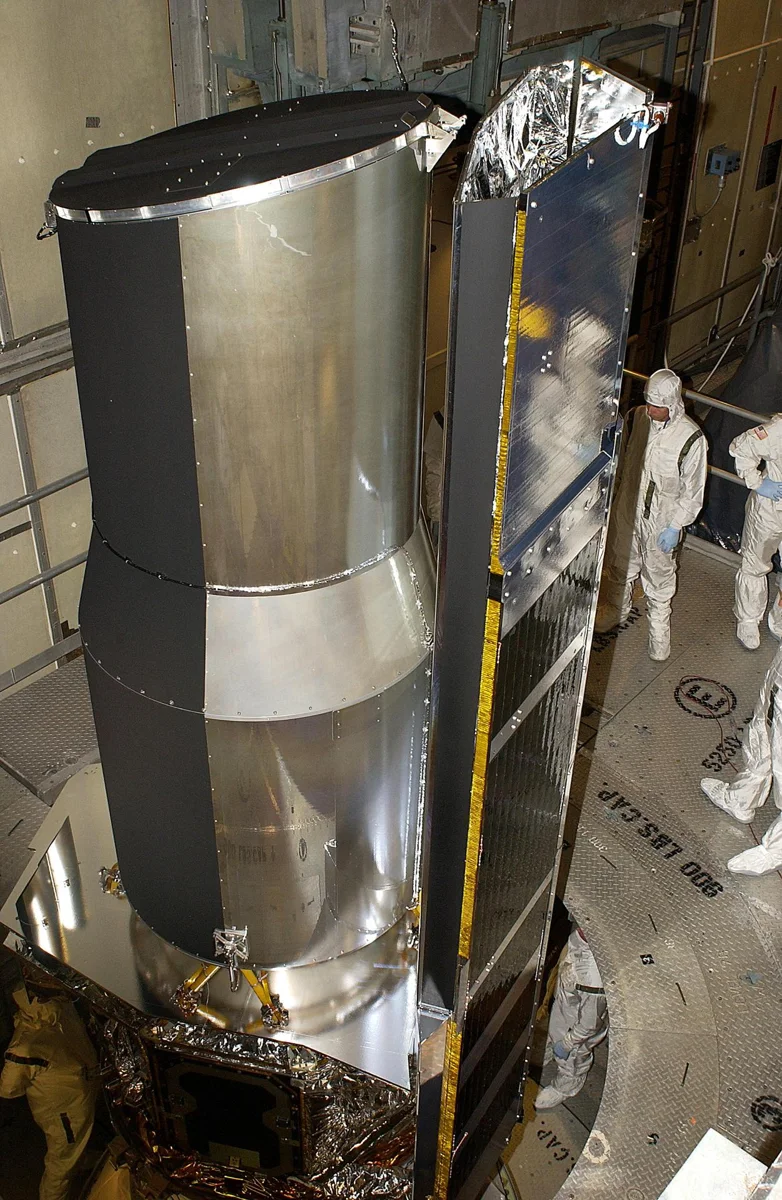
In the upper‑left corner of the frame, a vivid blue nebula marks a protostar surrounded by a torus‑shaped disk of dust and gas. The disk feeds material onto the growing star, while twin outflows shoot out perpendicular to the disk plane. Webb’s sharp optics resolve the outflows and the surrounding structures in unprecedented detail, building on earlier observations made by NASA’s Spitzer Space Telescope.
Why It Matters for Stellar Evolution
Studying NGC 7129 provides a snapshot of the earliest phases of star formation. By comparing stars of different masses within the same environment, astronomers can test models of how quickly massive stars evolve compared to their lower‑mass siblings. The high‑resolution infrared view also reveals how stellar feedback—winds, radiation, and outflows—sculpts the surrounding cloud, influencing where and when the next generation of stars will appear.
From Nebulae to Mars‑Bound Gardens
Understanding how stars emerge from dusty clouds helps us grasp the broader cycles of matter in the galaxy, from stellar nurseries to the organic chemistry that eventually seeds planets—perhaps even future mushroom farms on Mars.
Sources
This article was prepared with AI assistance from the sources listed above and approved by the Mushroom 2 Mars team before publication.