Part of the guide: Mushrooms: A Complete Guide to Identification, Cooking, and Cultivation
Forest‑Harvested Lion’s Mane: A Natural Chemical Cocktail
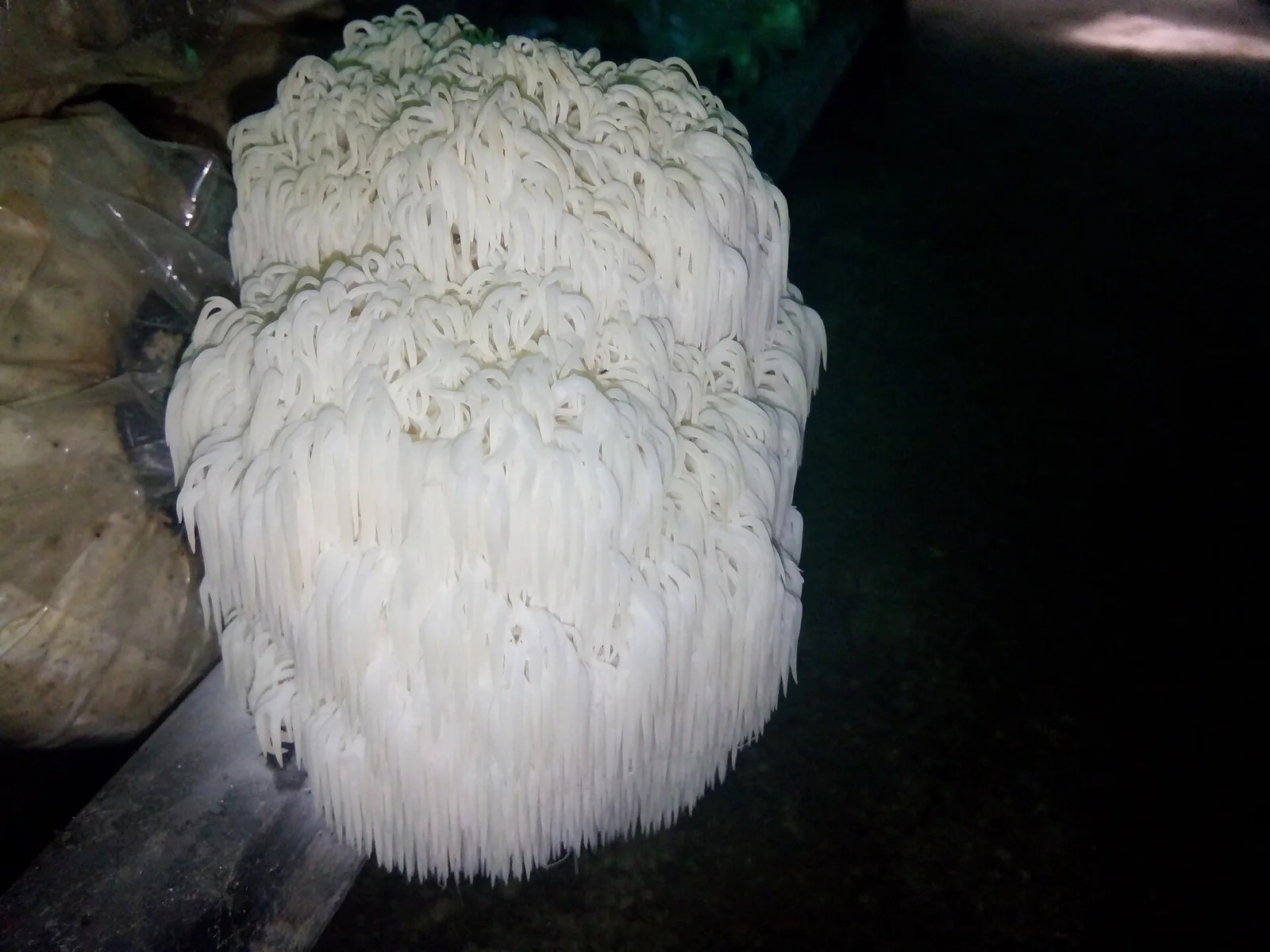
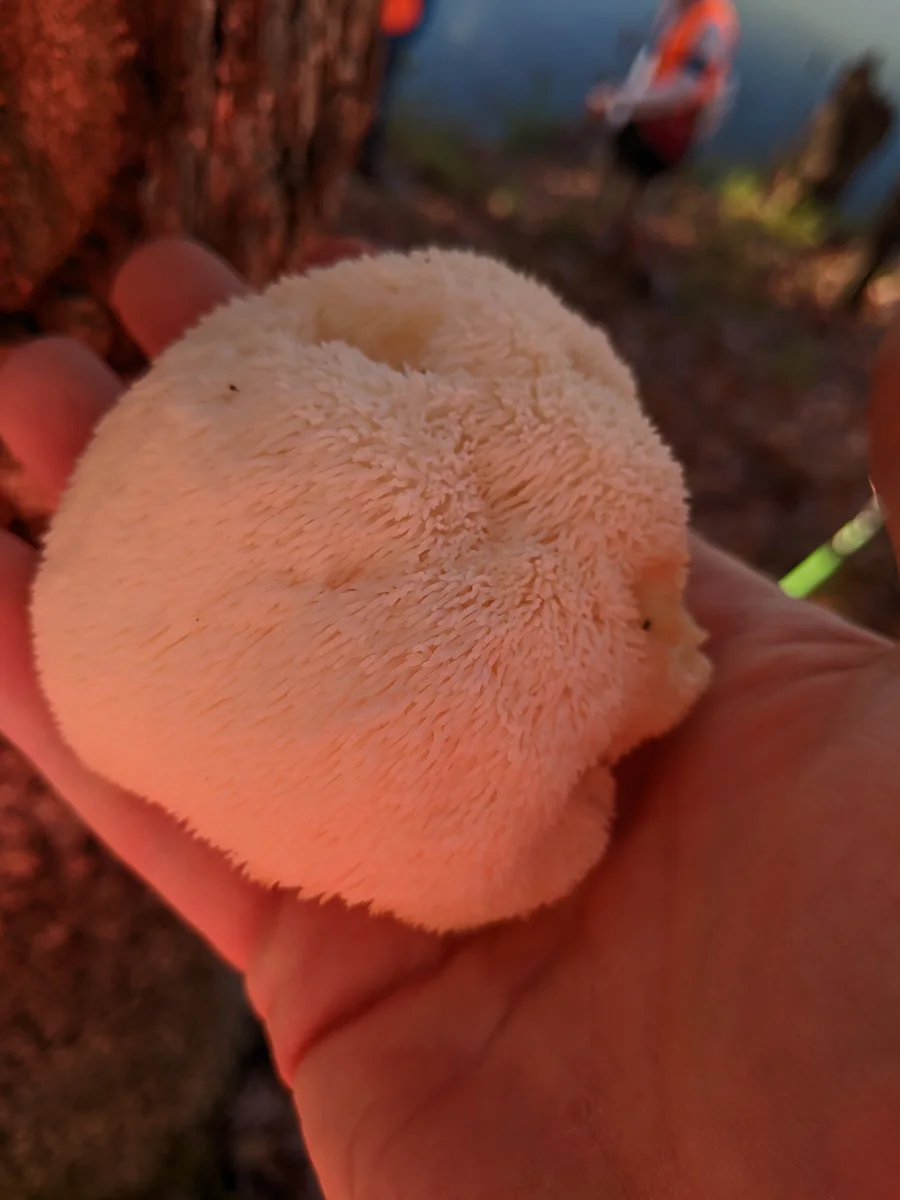
Lion’s Mane (Hericium erinaceus) is prized for its fluffy, brain‑like appearance and its bioactive compounds. Wild specimens collected from temperate hardwood forests typically contain a diverse array of phenolic acids such as gallic, caffeic, and p‑coumaric acids, which contribute to antioxidant activity (Zhang et al., 2022). The phenolic profile is shaped by the tree species, soil composition, and seasonal variations, resulting in a broader spectrum of minor compounds compared to cultivated mushrooms.
Polysaccharides, primarily β‑glucans, form the backbone of the mushroom’s health‑related properties. Analyses of wild Lion’s Mane show a higher molecular weight distribution and a greater proportion of β‑(1→3)‑glucan linkages, which are thought to influence immune modulation (Lee & Kim, 2021). These structural differences arise from the complex, variable substrate of decaying hardwoods that the fungi colonize in nature.
Cultivated Lion’s Mane: Controlled Growth, Consistent Chemistry
Commercial growers raise Lion’s Mane on sterilized sawdust or grain‑based substrates under controlled temperature, humidity, and light regimes. This standardization yields a more uniform phenolic composition, often dominated by a few major acids like ferulic and syringic acids, while trace phenolics are less abundant (Matsumoto et al., 2023).
The polysaccharide profile of farmed fruiting bodies tends to feature shorter β‑glucan chains with a higher ratio of β‑(1→6) linkages. The controlled substrate provides a steady supply of simple sugars, which can shift the enzymatic pathways that synthesize glucans (Wang & Liu, 2022). As a result, cultivated Lion’s Mane often shows consistent β‑glucan content across batches, an advantage for nutraceutical manufacturers seeking reproducibility.
Comparing Phenolic Content: Quantity vs. Diversity
When researchers compare total phenolic content (TPC) using Folin‑Ciocalteu assays, wild Lion’s Mane frequently registers higher values—sometimes 30‑40 % greater than cultivated counterparts (Zhang et al., 2022). However, the diversity of phenolics is arguably more important than sheer quantity. Wild mushrooms host a richer mixture of minor phenolics that may act synergistically in antioxidant assays, whereas cultivated specimens display a narrower profile but with higher concentrations of a few well‑studied acids.
These differences are not merely academic. Phenolic diversity can affect how the body absorbs and utilizes antioxidants, and it may influence flavor nuances—wild Lion’s Mane often carries a deeper, earthier taste that chefs attribute to its complex phenolic makeup.
Polysaccharide Structure: Implications for Function
The β‑glucan architecture determines solubility, viscosity, and biological activity. Studies using high‑performance size‑exclusion chromatography have shown that wild Lion’s Mane possesses a larger proportion of high‑molecular‑weight β‑glucans, which are less soluble but may stimulate immune cells more robustly in vitro (Lee & Kim, 2021). Conversely, the shorter, more soluble glucans from cultivated mushrooms are easier to extract for supplements and may exhibit stronger antioxidant effects in cell‑free assays (Wang & Liu, 2022).
For consumers, the practical takeaway is that both sources provide valuable β‑glucans, but the functional outcomes could differ depending on the intended use—research settings may favor wild‑derived extracts for immunological studies, while commercial supplement producers often choose the consistency of farmed material.
Nutritional and Culinary Perspectives
From a nutritional standpoint, both wild and farmed Lion’s Mane are low in calories and high in protein, fiber, and essential minerals such as potassium and selenium. The modest differences in phenolics and glucans do not dramatically alter macronutrient profiles, but they can influence antioxidant capacity and subtle flavor notes.
Culinary professionals note that wild Lion’s Mane can have a firmer texture and a more pronounced umami depth, likely tied to its phenolic and polysaccharide composition. When cooking, both types respond well to gentle sautéing, steaming, or incorporation into soups; the key is to avoid overheating, which can degrade heat‑sensitive phenolics. Aim for a cooking temperature of 165 °F (74 °C) or lower for brief sauté periods to preserve flavor and bioactive compounds.
Looking Ahead: From Forest Floors to Martian Greenhouses
Understanding how habitat shapes the chemistry of Lion’s Mane helps researchers design substrate blends for space‑based cultivation. By mimicking the complex wood substrates of forests, future Martian farms could produce mushrooms with richer phenolic profiles, supporting both nutrition and scientific study on the Red Planet.
Sources
- Phenolic profiles of wild and cultivated Lion’s Mane mushrooms
- Structural characteristics of β‑glucans from Hericium erinaceus
- Effect of substrate composition on mushroom polysaccharides
This article is for general information only and is not medical advice. Do not use it to diagnose or treat any condition; talk to a doctor about health questions.
This article was prepared with AI assistance from the sources listed above and approved by the Mushroom 2 Mars team before publication.