The Lazuli Space Telescope: A Private Leap into Deep Space
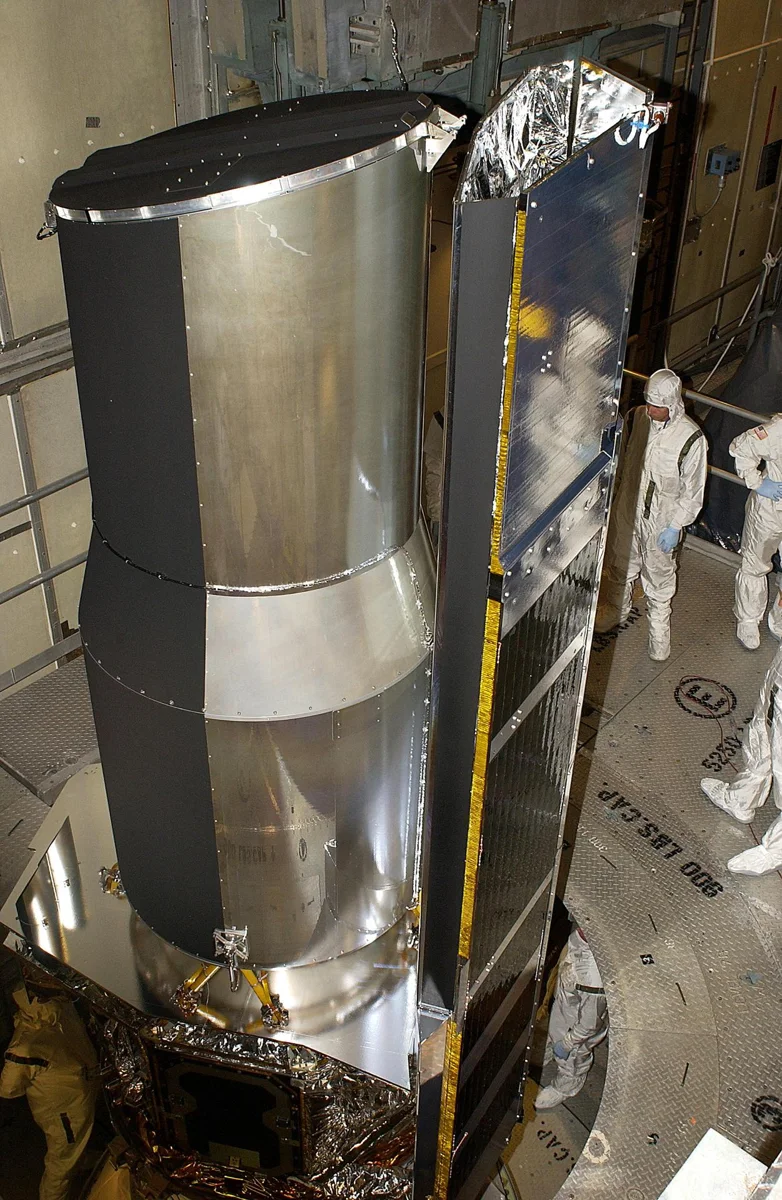
The Lazuli Space Telescope, funded by Eric Schmidt’s Schmidt Sciences, will become the first privately‑owned observatory in orbit. Its 3‑meter primary mirror out‑sizes the Hubble’s 2.4 m dish, giving it sharper resolution at visible wavelengths. Scheduled for launch by 2029, Lazuli will carry three instruments: a wide‑field optical imager, an integral‑field spectrograph, and the ExtraSolar Coronagraph (ESC). The ESC is the centerpiece for a new kind of exoplanet study – detecting planets in reflected starlight rather than by their own heat.
Reflected‑Light Imaging: Why It Matters
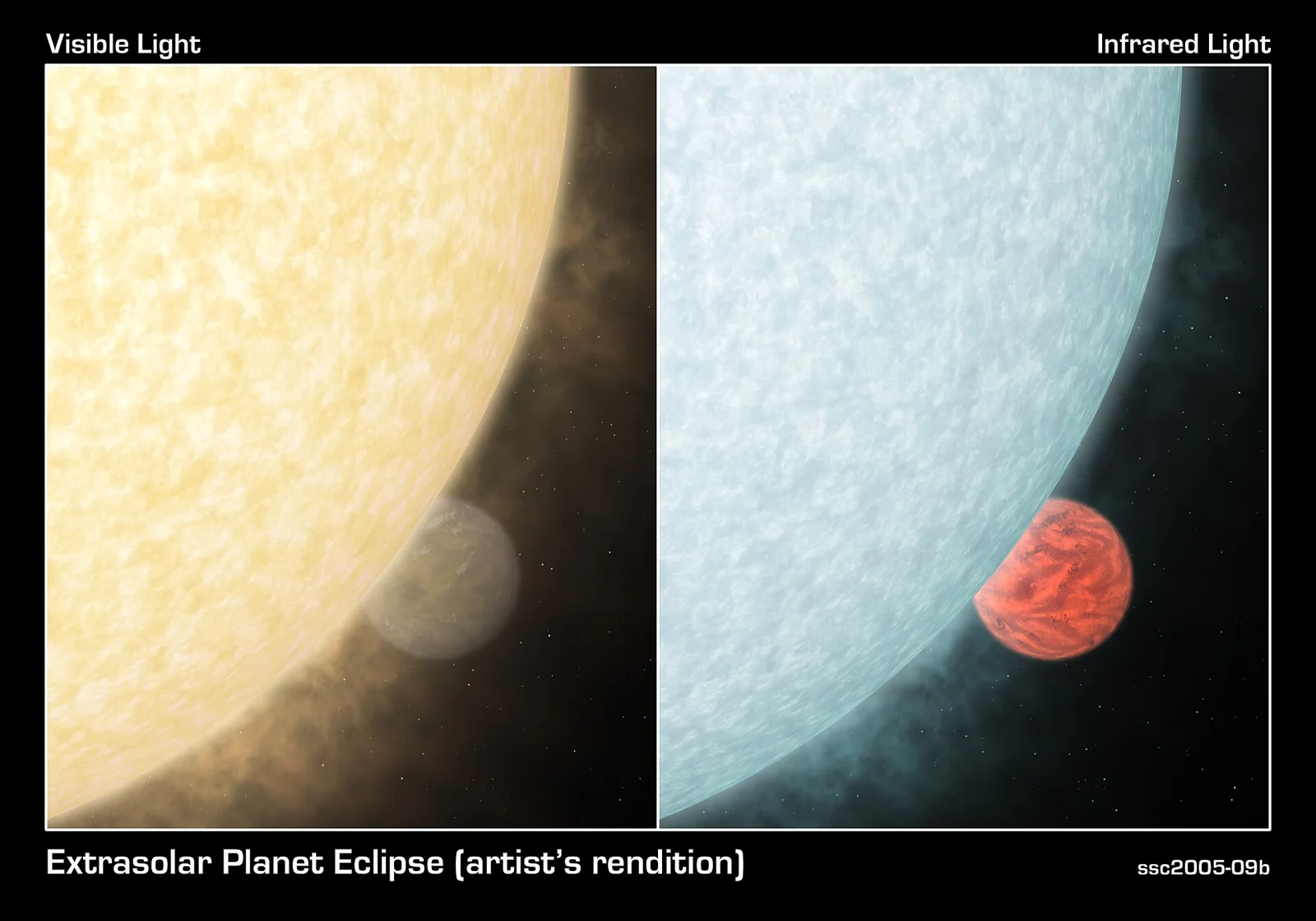
Traditional direct imaging of exoplanets relies on thermal emission, which is brightest when a planet is young and still cooling from formation. As planets age, that glow fades, making older worlds hard to see. Reflected‑light imaging sidesteps this limitation because a planet’s brightness in reflected light depends mainly on how much starlight it bounces toward us, not on residual heat. This approach also works best at shorter wavelengths (about 0.5–2 µm), where stars emit most of their light, allowing the telescope to resolve planets that sit closer to their host stars. In principle, this opens a window onto mature planetary systems that have been largely invisible to previous surveys.
The 27‑Planet Target List
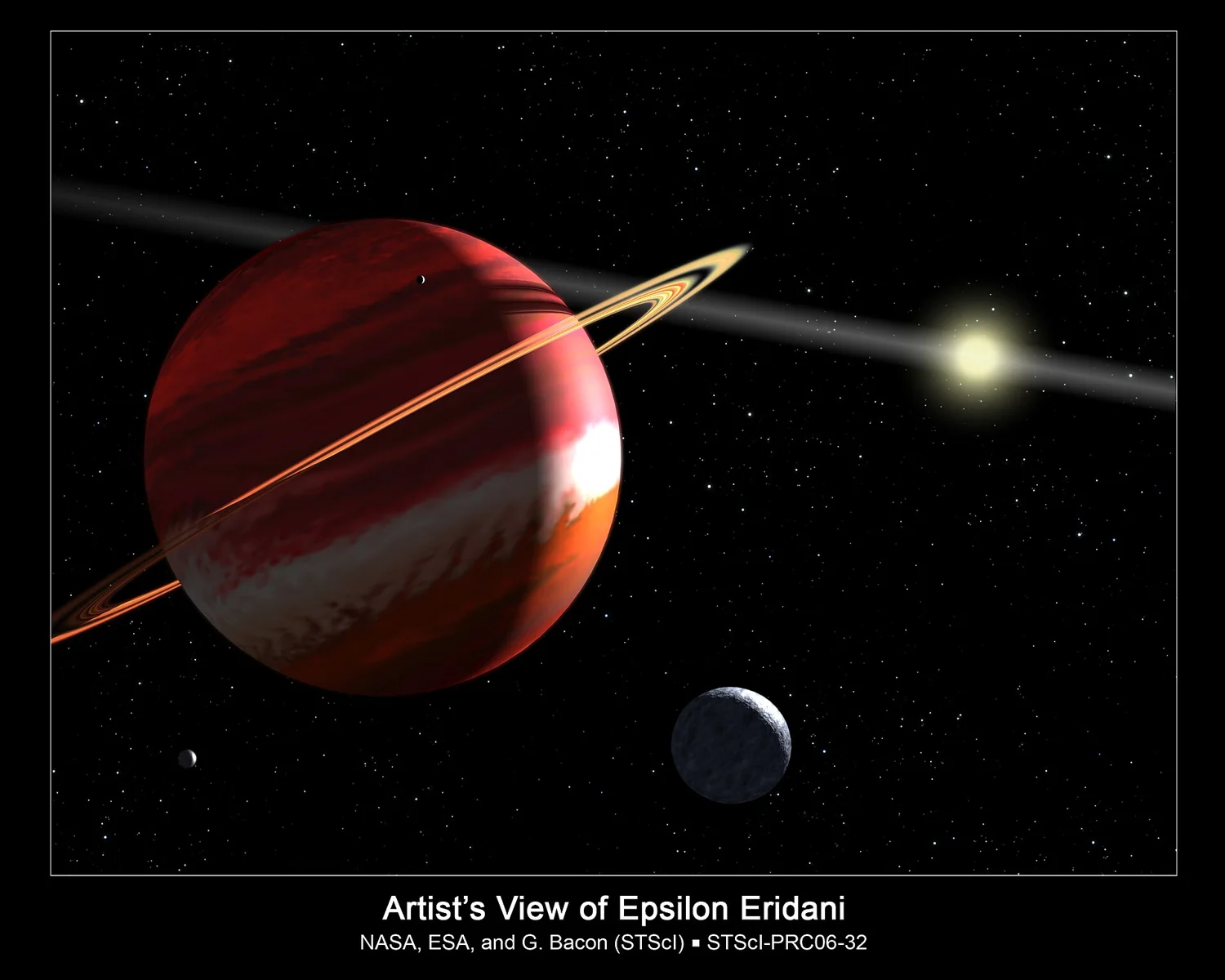
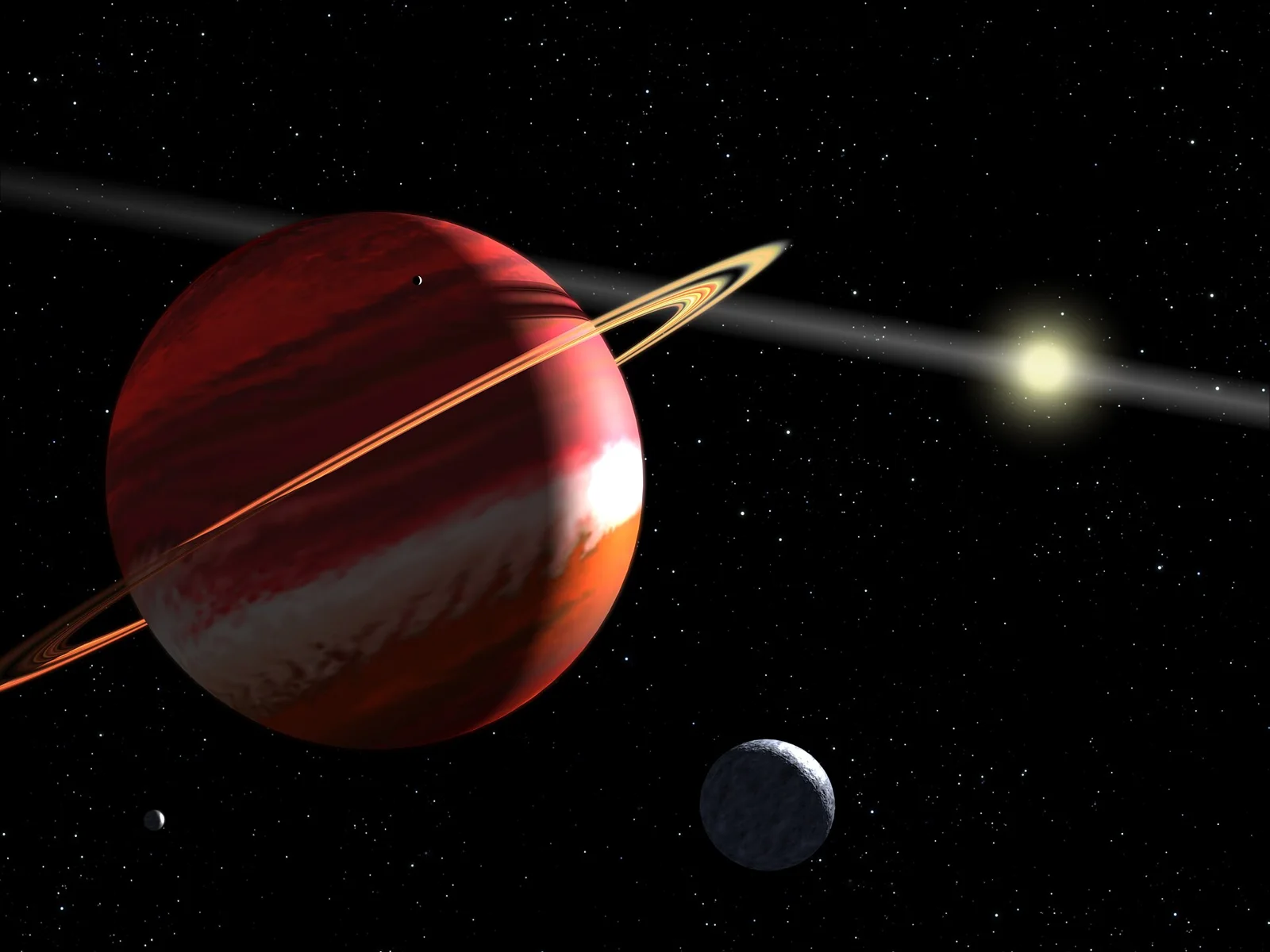
A recent paper by Logan Pearce (University of Michigan) and Ewan Douglas (University of Arizona) proposes a curated list of 27 giant exoplanets for the ESC campaign. All of the candidates have well‑determined orbital parameters, which is crucial for planning the long exposure times required to reach the extreme contrast ratios of 10⁻⁷–10⁻⁹. The list spans a range of ages and equilibrium temperatures, deliberately extending into regimes that have not yet been probed by direct imaging.
Notable Giants
- 55 Cancri d – Often described as a Jupiter analog, this planet orbits a bright nearby star and offers a familiar baseline for atmospheric comparison.
- HD 181433 d – This world follows a highly eccentric orbit and shares its system with an ultra‑short‑period super‑Earth, providing a laboratory for studying dynamical interactions.
- β Pic b – One of the first exoplanets ever directly imaged, β Pic b orbits a young star with a prominent debris disk, making it a benchmark for planet‑disk interaction studies.
The remaining targets include a mix of older gas giants around F‑ and G‑type stars, with only a single M‑dwarf host. Their sky positions, shown in the authors’ Gaia‑based diagram, are spread across both hemispheres, ensuring that Lazuli can observe many of them throughout the year.
Technical Hurdles and Observation Strategy
Detecting reflected light at the required contrast is challenging for any telescope, and a 3‑meter class instrument is no exception. Exposure times can range from tens to hundreds of hours per target, depending on the planet’s distance from its star and the star’s brightness. To make the most of limited observing time, the ESC campaign will prioritize planets with precisely known orbits. By timing observations to coincide with orbital phases that maximize reflected flux (typically near quadrature), astronomers can boost the signal‑to‑noise ratio and reduce total exposure time.
Synergies with other facilities are also part of the plan. Some of the Lazuli targets are accessible to the Extremely Large Telescope’s METIS thermal imager and to the Roman Space Telescope’s coronagraphic instrument. Combining reflected‑light spectra from Lazuli with thermal‑emission data from these platforms could yield a more complete picture of atmospheric composition, cloud structures, and even potential biosignature gases.
What Scientists Hope to Learn
Because reflected‑light spectra are dominated by starlight that has interacted with a planet’s atmosphere, they can reveal the presence of molecules such as water vapor, methane, and carbon dioxide. Unlike thermal emission, which is strongest for hot, young planets, reflected light can probe cooler, older worlds where life‑related chemistry might be more stable. The authors emphasize that this method “opens a near‑horizon path” to detecting biosignature gases in mature systems, though they caution that confirming any such signal will require careful validation and complementary observations.
Private Ownership: Opportunities and Open Questions
Lazuli’s private funding model is unprecedented in space astronomy. Proponents argue that a commercial stakeholder can move more quickly than a government agency, potentially accelerating instrument development and launch schedules. Critics, however, warn that profit motives might influence target selection or data access policies. At this stage, the telescope’s scientific agenda appears driven by the research community, as evidenced by the transparent, peer‑reviewed target list. How the private model will affect long‑term data archives and collaboration remains an open question that the community will watch closely.
Looking Ahead: From Earth to Mars
While the Lazuli telescope will stare at distant giants, its technology – especially high‑contrast coronagraphy – could inform future instruments destined for Mars orbit, where observing the Martian sky in reflected sunlight may one day help characterize its thin atmosphere. For now, the 27‑planet list marks a bold step toward understanding worlds that have long been hidden in the glare of their stars.
Sources
This article was prepared with AI assistance from the sources listed above and approved by the Mushroom 2 Mars team before publication.