From Myth to Mars
The name Zhurong comes from a legendary Chinese fire deity, echoing Mars’ nickname as the “Planet of Fire” in East Asian cultures. In early 2021 the public voted, and the fiery moniker won with over half a million votes. The choice reflects a dual ambition: to spark China’s interstellar exploration and to symbolize the nation’s resolve to uncover the cosmos.
Building the Pathfinder
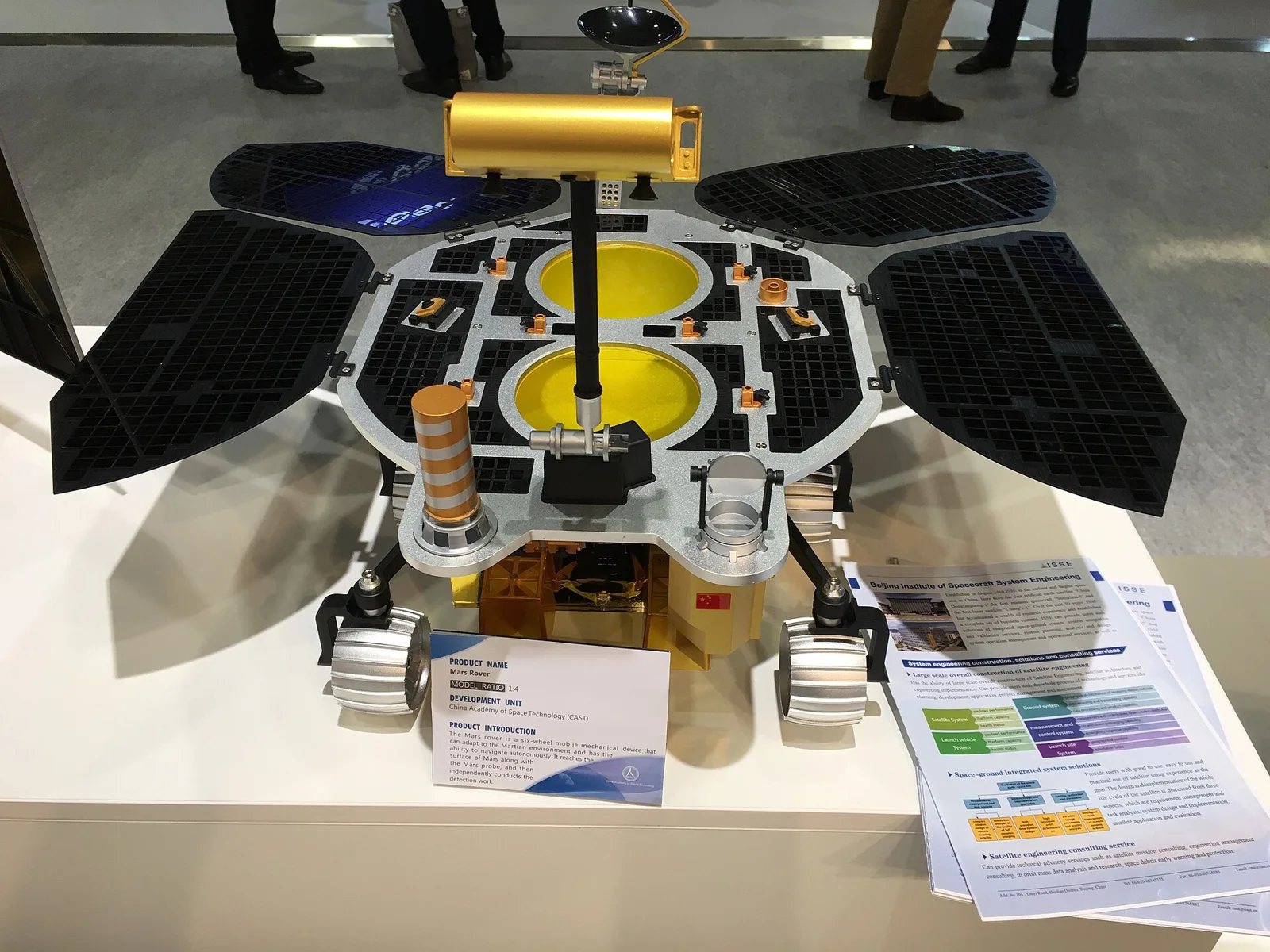
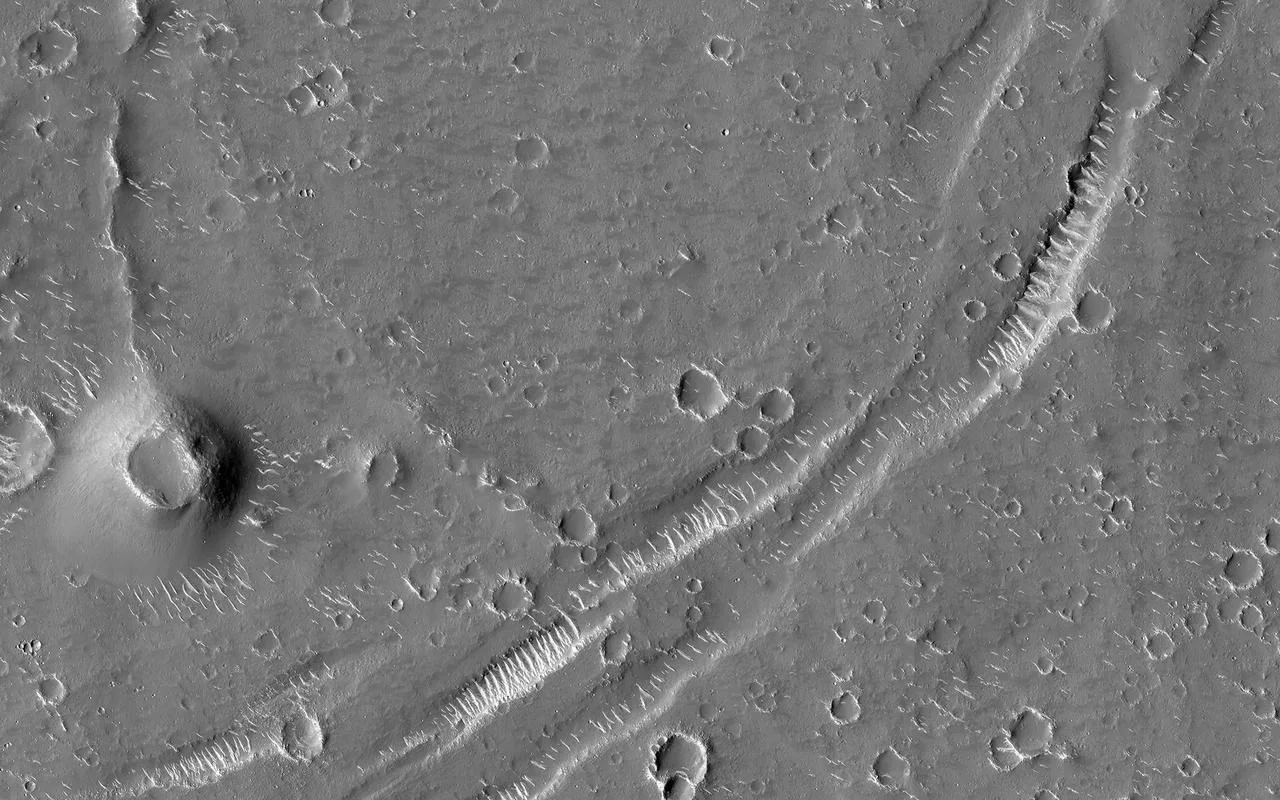
China’s interplanetary ambitions began in 2011 with the ill‑fated Yinghuo‑1 orbiter, a joint venture with Russia that never left Earth orbit. Undeterred, the China National Space Administration (CNSA) launched an independent Mars program. A prototype rover, displayed at the 2014 China International Aviation & Aerospace Exhibition, resembled the earlier Yutu lunar rover. By 2016 a full mission architecture—orbiter, lander, and rover—was revealed, and in 2020 the Tianwen‑1 program (meaning “Heavenly Questions”) was formally announced.
Launch, Cruise, and Orbital Insertion
On 23 July 2020, a Long March 5 heavy‑lift rocket lifted Tianwen‑1 and Zhurong from the Wenchang launch site. After a 202‑day interplanetary cruise, the spacecraft entered Mars orbit on 10 February 2021, becoming China’s first Martian orbiter. Orbital maneuvers and high‑resolution imaging helped refine the final landing site.
Choosing Utopia Planitia
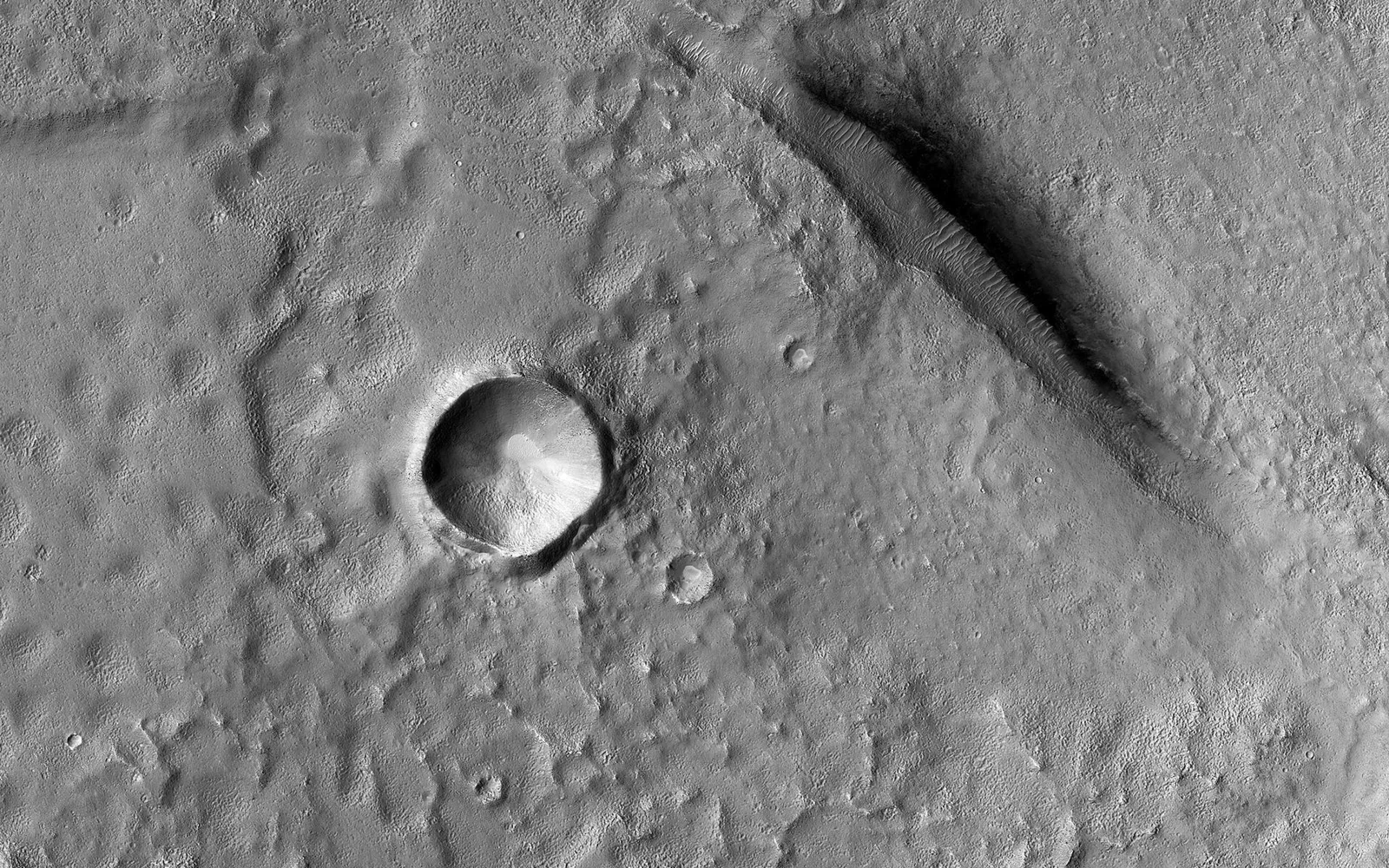
Two candidate plains—Chryse Planitia and Utopia Planitia—were evaluated for engineering safety and scientific promise. Utopia Planitia, a broad, low‑lying basin in the planet’s northern hemisphere, offered smoother terrain and a higher likelihood of uncovering clues about a possible ancient ocean. The site also met strict criteria for latitude, altitude, slope, rock distribution, and wind conditions.
The Historic Landing
On 14 May 2021 the lander‑rover stack detached from the orbiter and entered the Martian atmosphere. A nine‑minute entry, descent, and landing (EDL) sequence used an aeroshell, parachute, and retrorocket to achieve a soft touchdown in Utopia Planitia. This made China the third nation to land a spacecraft on Mars and the second to operate a rover that could transmit data back to Earth.
Zhurong’s First Steps
Communication with the rover was confirmed on 19 May, and on 22 May 2021 Zhurong rolled off its landing platform at 02:40 UTC. Designed for a 90‑sol (≈93 Earth‑day) primary mission, the rover far exceeded expectations, operating for 347 sols (about 358 days). Its payload included a navigation camera, a multispectral camera, a ground‑penetrating radar, and a meteorological suite, enabling panoramic imaging, soil analysis, and weather monitoring.
The Long Winter and Hibernation
As Martian winter approached, dust storms intensified. On 18 May 2022 Zhurong entered a planned hibernation mode to protect its systems from low temperatures and reduced sunlight. Engineers hoped the rover would awaken in December 2022 when conditions improved. However, excessive dust accumulation on its solar panels prevented the necessary power generation, and the rover never re‑activated.
Legacy and Lessons Learned
Zhurong’s extended operation provided valuable data on Martian surface composition, atmospheric dynamics, and the durability of Chinese rover technology. The Field Test Rover (FTR) used in Beijing’s Mars yard contributed to design refinements, demonstrating the benefit of Earth‑based simulation. While the mission ended earlier than hoped, the experience informs future Chinese endeavors, including potential sample‑return missions and, perhaps, the first fungal farms on Mars—an exciting prospect for the Mushroom 2 Mars community.
From a fire god’s name to a record‑setting rover, Zhurong has illuminated a new chapter in humanity’s exploration of the Red Planet.
Sources
This article was prepared with AI assistance from the sources listed above and approved by the Mushroom 2 Mars team before publication.