What Is Chaos Terrain?
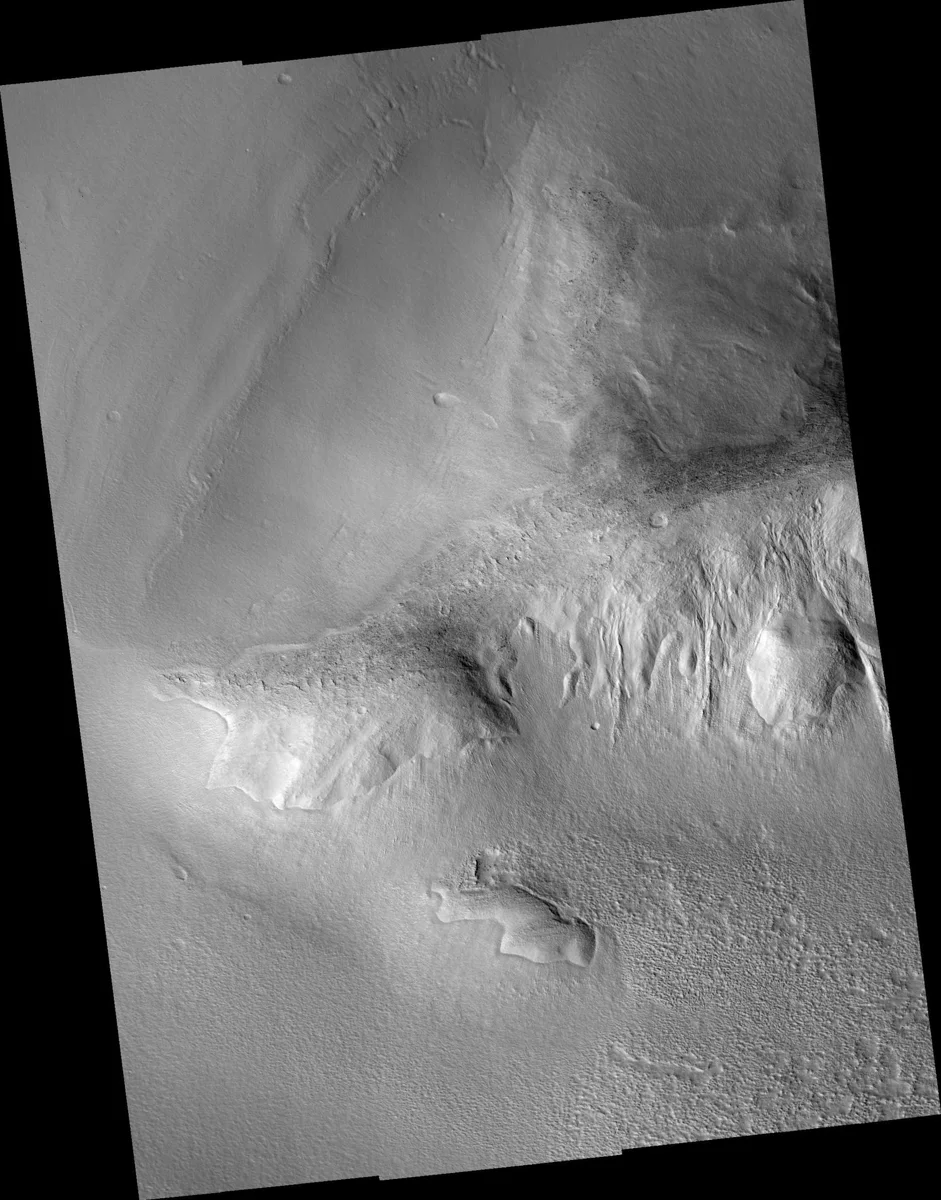
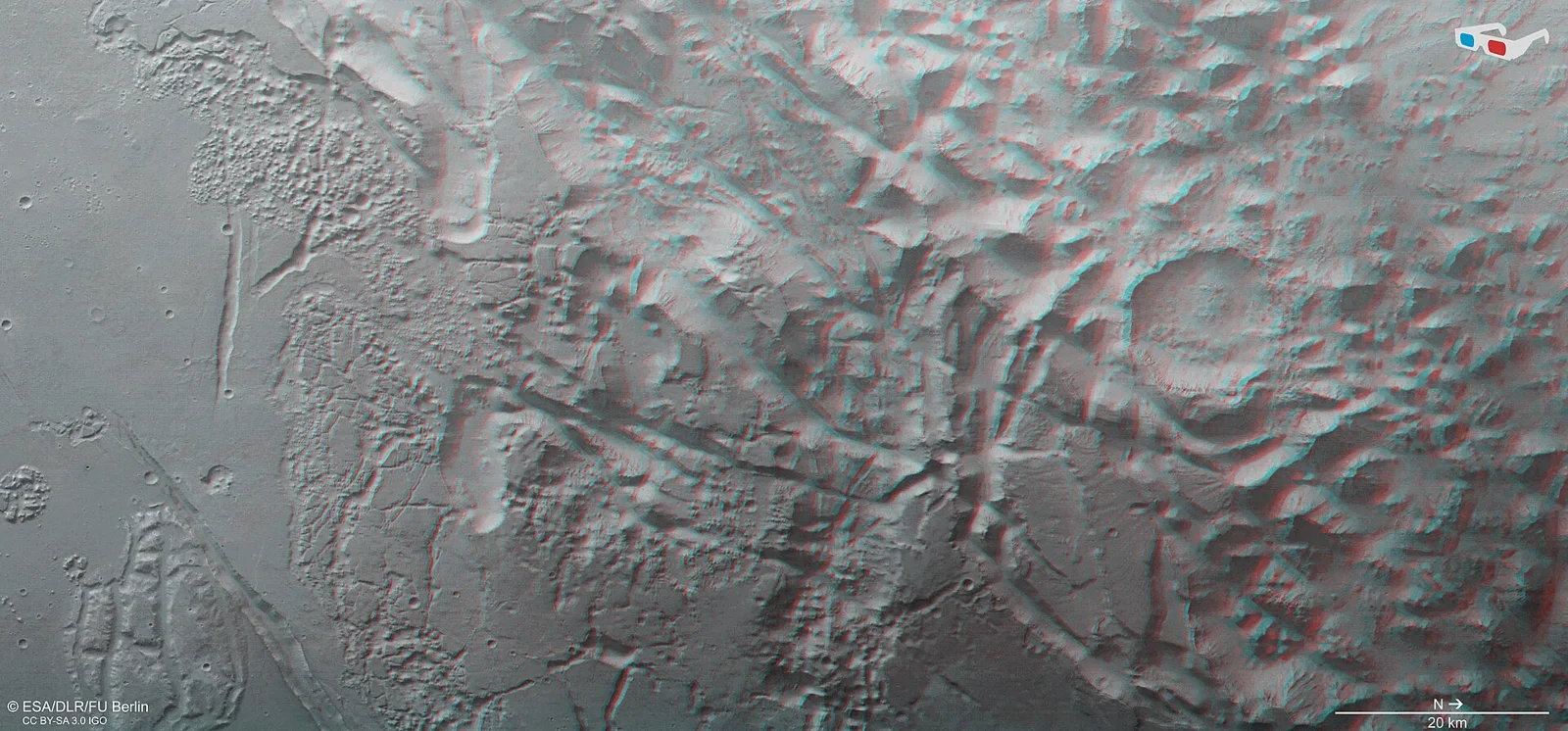
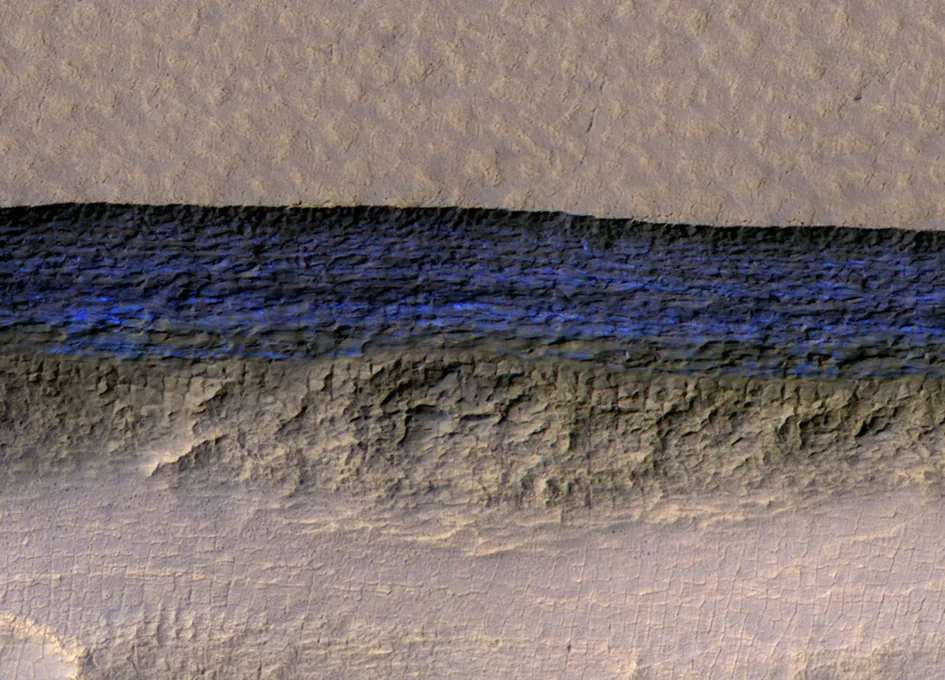
Mars’ surface is dotted with regions that look like a giant rat’s nest of mesas, buttes, and hills, all broken up by deep valleys. These chaotic terrains are made up of irregularly spaced blocks that can be tens of kilometers across and over a hundred meters tall. The blocks are often tilted, with flat tops that create depressions hundreds of metres deep. Because some of the larger mesas have not completely collapsed, they may still protect pockets of subsurface water ice.
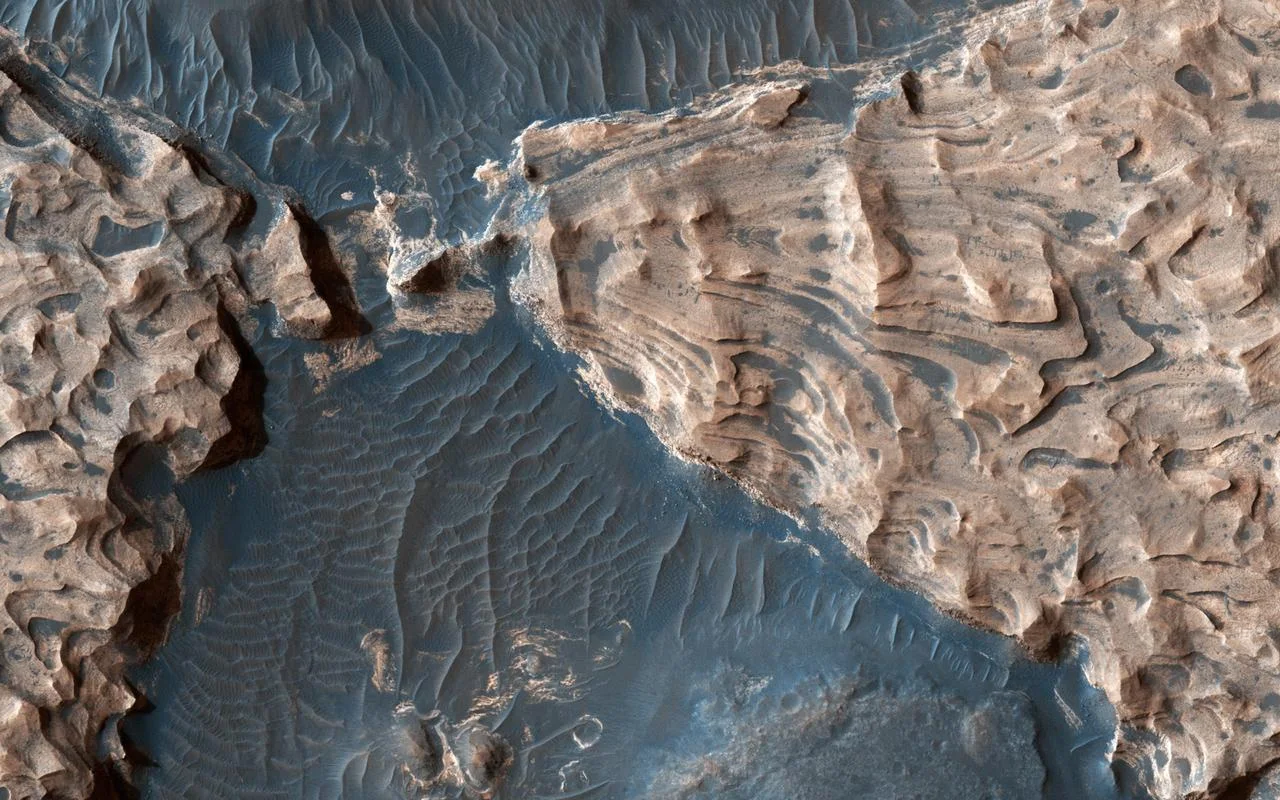
Where Chaos Terrain Shows Up
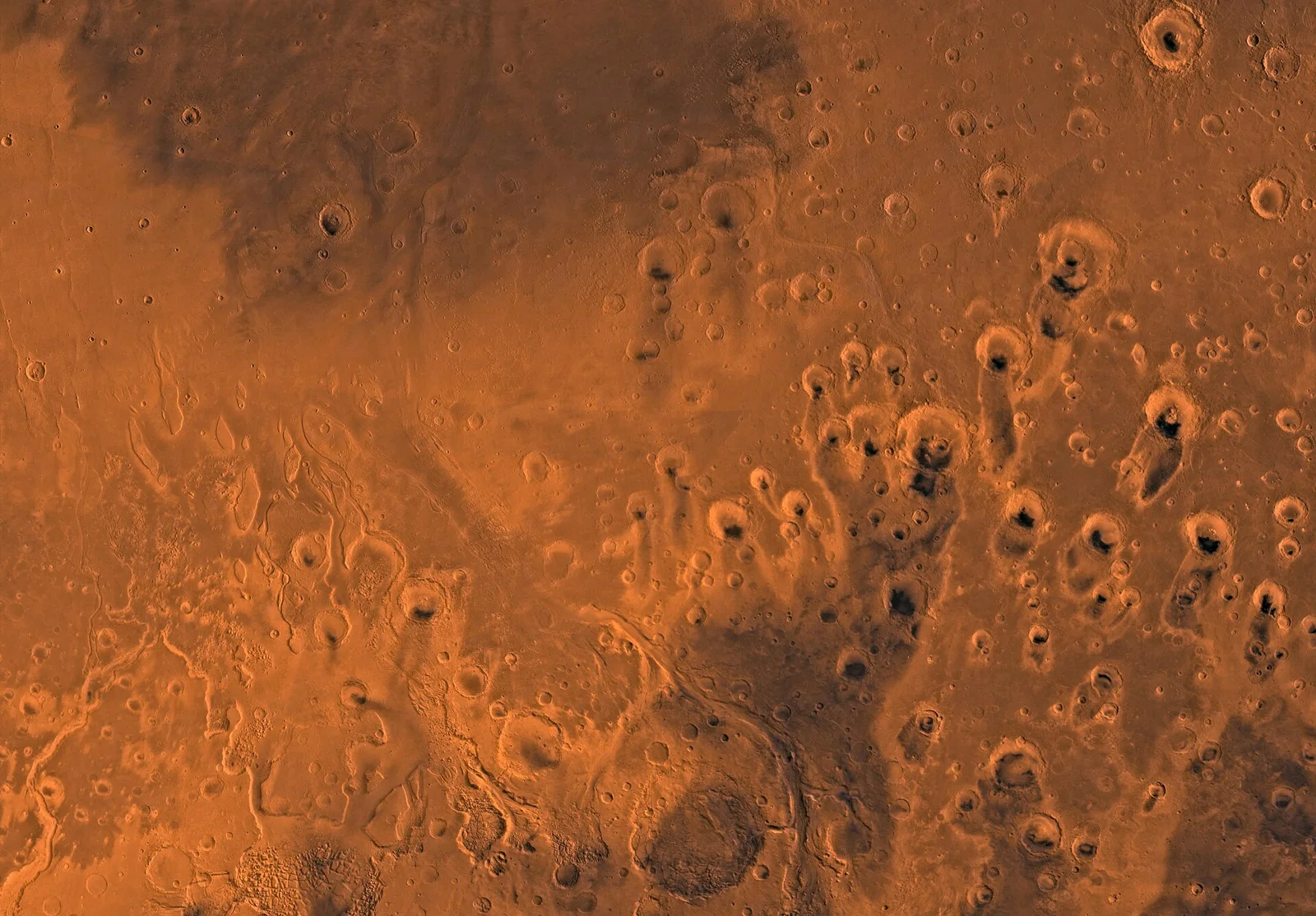
The biggest concentrations line up with ancient, massive river valleys. Most chaotic areas sit in the southern highlands, especially south of Chryse Planitia, within the Oxia Palus quadrangle, and along the stark boundary between the northern lowlands and southern highlands (the Martian dichotomy). Smaller patches appear in the Margaritifer Sinus, Phaethontis, and Lunae Palus quadrangles. The close relationship between chaos terrain and outflow channels has led scientists to suspect that the chaotic blocks were a source of the water that carved those valleys.
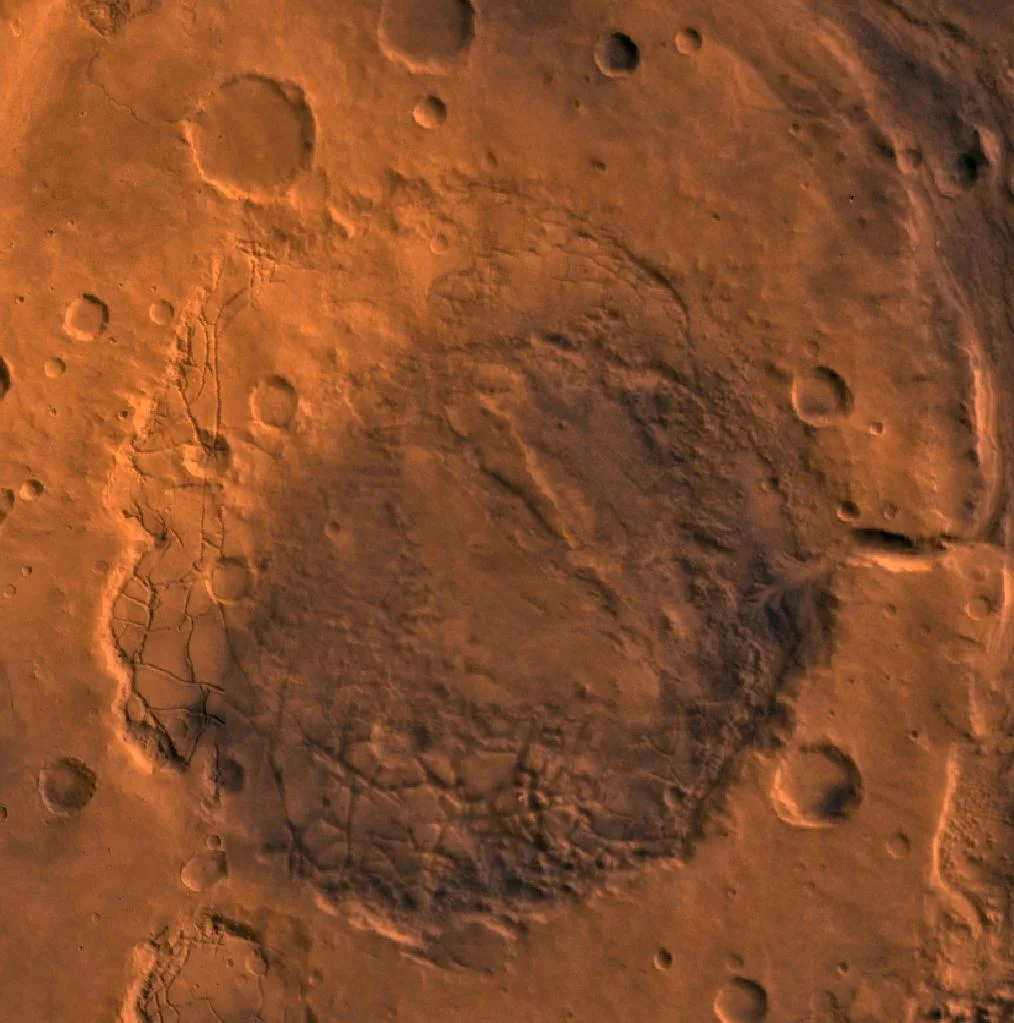
How Did the Chaos Form? – The Flood Connection
Multiple lines of evidence point to water‑driven processes. Minerals that form in the presence of water—such as gray, crystalline hematite and phyllosilicates—have been detected in chaotic regions. The prevailing view is that large reservoirs of ground ice suddenly melted, releasing catastrophic floods that broke the overlying rock into the chaotic blocks we see today.
Triggers for Sudden Melting
Researchers have proposed several possible triggers:
- Impact events that cracked a thick cryosphere (a frozen crust) and released pressurized water.
- Magma intrusions that heated the subsurface, melting ice.
- Seismic or tectonic stresses that ruptured the icy layer.
- Clathrate dissociation, where a solid mix of CO₂ and methane explosively decomposes, liberating water‑saturated sediments.
These mechanisms could have acted alone or together, creating a cascade of flooding events. Calculations suggest that a single discharge would not have been enough to carve the enormous outflow channels, implying that many (perhaps over a hundred) flood pulses occurred over time.
A Simpler Idea: Burial‑Induced Melting
More recent work by Tanja Zegers and colleagues offers a less dramatic scenario. They modeled the evolution of Aram Chaos, an impact crater that later became chaotic terrain. In their picture, ice‑rich sediments accumulated in the crater and were then covered by a blanket of dust and rock. The insulating cover kept the ice from sublimating into the thin Martian atmosphere. Over millions of years, geothermal heat warmed the buried ice, eventually melting it into a thick water layer. The overlying rock, now floating on water, fractured under its own weight, creating the tilted blocks. The released water rushed outward, carving the giant valleys that radiate from many chaotic regions.
This burial‑melting model also fits observations of glaciers and ice‑rich deposits that are now buried under a thin veneer of regolith.
Ice Ages and the Role of Mars’ Tilt
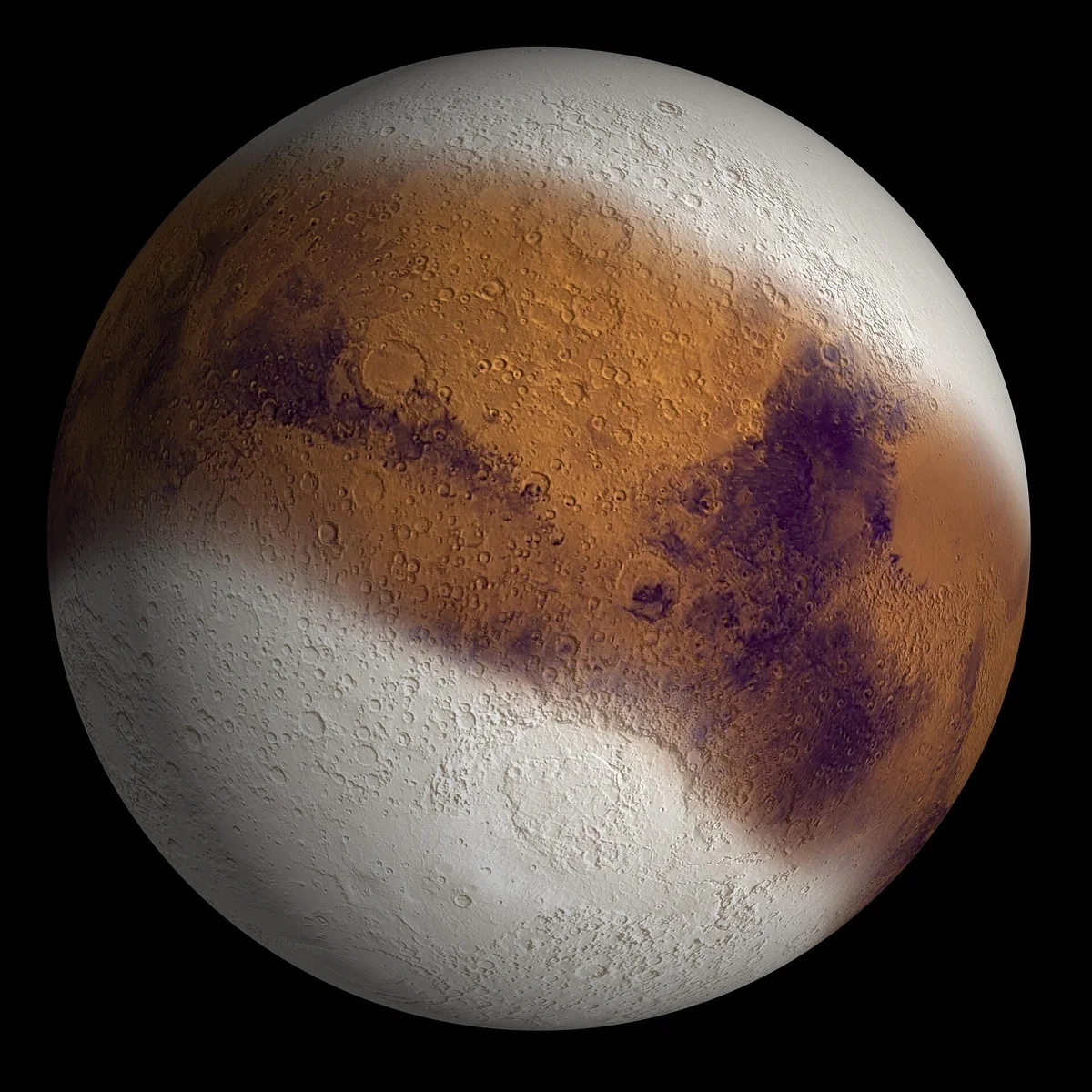
Mars experiences extreme changes in its axial tilt because it lacks a large stabilizing moon. These tilt variations have driven repeated ice ages, during which water ice was deposited across the planet. When the tilt shifted, the ice could become buried by wind‑blown dust and sediments, preserving it beneath a protective layer. Crater studies show many basins are filled with sediment that may include ice, supporting the idea that buried ice reservoirs were widespread.
When Sublimation Takes Over – A Different Path
Not all chaotic terrains fit the flood‑driven picture. Galaxias Chaos, for example, lacks the large outflow channels seen elsewhere and shows only modest elevation differences with the surrounding terrain. A 2010 study by Pedersen and Head suggests that a volcanic flow covered an ice‑rich layer called the Vastitas Borealis Formation (VBF). In Mars’ thin atmosphere, that ice‑rich layer would slowly sublimate—turning directly from solid to gas. Uneven sublimation could leave a jumble of tilted blocks, creating a chaotic appearance without the need for massive floods.
Why Chaos Terrain Matters for Future Exploration
Understanding how chaotic terrain formed helps scientists reconstruct Mars’ water history and assess where subsurface ice might still be trapped today. Those ice‑rich blocks could be valuable resources for future missions, providing water for life‑support systems or fuel production. Moreover, the link between chaos terrain and ancient river valleys strengthens the case that Mars once hosted long‑lasting, possibly habitable, water environments.
In the spirit of Mushroom 2 Mars, studying chaotic terrain reminds us that even the most rugged, block‑filled landscapes can hide hidden reservoirs—just as a mushroom farm can thrive in unexpected places on the Red Planet.
Sources
This article was prepared with AI assistance from the sources listed above and approved by the Mushroom 2 Mars team before publication.